forked from espressif/esp-idf
Compare commits
52 Commits
| Author | SHA1 | Date | |
|---|---|---|---|

|
27574a31e7 | ||

|
8134140acd | ||
|
|
efdbc63b5f | ||
|
|
1891382db6 | ||
|
|
16cd517410 | ||
|
|
8fc78a958a | ||
|
|
3cbaf98d29 | ||

|
b2d41a3506 | ||

|
5d1ec0da02 | ||

|
6a9e9759ea | ||

|
0de622e4f6 | ||
|
|
fc67a8b1b9 | ||
|
|
41f43164e2 | ||
|
|
2236ab7bd4 | ||
|
|
a281359db0 | ||
|
|
1fb777cc49 | ||
|
|
92facb6884 | ||
|
|
eb38883217 | ||

|
5d736f7eca | ||
|
|
bdc499aea7 | ||
|
|
99dbfb3539 | ||
|
|
8d3e1a2a79 | ||
|
|
f33b0fd4c9 | ||
|
|
b99551b48f | ||
|
|
6c04e3ee6a | ||
|
|
6878c4e329 | ||
|
|
f54a656932 | ||
|
|
305564cd59 | ||
|
|
6bceb41bf7 | ||
|
|
2e9db99921 | ||
|
|
fa7d3f38fc | ||
|
|
602e223c9c | ||
|
|
baa743c7b9 | ||
|
|
6db29f0766 | ||
|
|
abec2392c7 | ||
|
|
8a54ebe02e | ||
|
|
0a1c68d7b6 | ||
|
|
494641c481 | ||
|
|
3ab2436b11 | ||
|
|
ee86c15ab8 | ||
|
|
9deaa6ab60 | ||
|
|
8a5c1e9209 | ||

|
3d3994632b | ||
|
|
17dd3e9ca0 | ||
|
|
c40bbc5c42 | ||
|
|
1b3120615b | ||
|
|
3365b9322b | ||

|
852e94d73a | ||
|
|
09bb7a7650 | ||
|
|
4f4fb7b453 | ||
|
|
663129abce | ||
|
|
9cf81f754b |
@@ -1,37 +0,0 @@
|
||||
# EditorConfig helps developers define and maintain consistent
|
||||
# coding styles between different editors and IDEs
|
||||
# http://editorconfig.org
|
||||
|
||||
root = true
|
||||
|
||||
[*]
|
||||
indent_style = space
|
||||
indent_size = 4
|
||||
end_of_line = lf
|
||||
charset = utf-8
|
||||
trim_trailing_whitespace = true
|
||||
insert_final_newline = true
|
||||
|
||||
[{*.md,*.rst}]
|
||||
trim_trailing_whitespace = false
|
||||
|
||||
[{Makefile,*.mk,*.bat}]
|
||||
indent_style = tab
|
||||
indent_size = 2
|
||||
|
||||
[*.pem]
|
||||
insert_final_newline = false
|
||||
|
||||
[*.py]
|
||||
max_line_length = 119
|
||||
|
||||
[{*.cmake,CMakeLists.txt}]
|
||||
indent_style = space
|
||||
indent_size = 4
|
||||
max_line_length = 120
|
||||
|
||||
[{*.sh,*.yml,*.yaml}]
|
||||
indent_size = 2
|
||||
|
||||
[*.ini]
|
||||
indent_size = 2
|
||||
165
.flake8
165
.flake8
@@ -1,165 +0,0 @@
|
||||
[flake8]
|
||||
|
||||
select =
|
||||
# Full lists are given in order to suppress all errors from other plugins
|
||||
# Full list of pyflakes error codes:
|
||||
F401, # module imported but unused
|
||||
F402, # import module from line N shadowed by loop variable
|
||||
F403, # 'from module import *' used; unable to detect undefined names
|
||||
F404, # future import(s) name after other statements
|
||||
F405, # name may be undefined, or defined from star imports: module
|
||||
F406, # 'from module import *' only allowed at module level
|
||||
F407, # an undefined __future__ feature name was imported
|
||||
F601, # dictionary key name repeated with different values
|
||||
F602, # dictionary key variable name repeated with different values
|
||||
F621, # too many expressions in an assignment with star-unpacking
|
||||
F622, # two or more starred expressions in an assignment (a, *b, *c = d)
|
||||
F631, # assertion test is a tuple, which are always True
|
||||
F701, # a break statement outside of a while or for loop
|
||||
F702, # a continue statement outside of a while or for loop
|
||||
F703, # a continue statement in a finally block in a loop
|
||||
F704, # a yield or yield from statement outside of a function
|
||||
F705, # a return statement with arguments inside a generator
|
||||
F706, # a return statement outside of a function/method
|
||||
F707, # an except: block as not the last exception handler
|
||||
F721, F722, # doctest syntax error syntax error in forward type annotation
|
||||
F811, # redefinition of unused name from line N
|
||||
F812, # list comprehension redefines name from line N
|
||||
F821, # undefined name name
|
||||
F822, # undefined name name in __all__
|
||||
F823, # local variable name referenced before assignment
|
||||
F831, # duplicate argument name in function definition
|
||||
F841, # local variable name is assigned to but never used
|
||||
F901, # raise NotImplemented should be raise NotImplementedError
|
||||
|
||||
# Full list of pycodestyle violations:
|
||||
E101, # indentation contains mixed spaces and tabs
|
||||
E111, # indentation is not a multiple of four
|
||||
E112, # expected an indented block
|
||||
E113, # unexpected indentation
|
||||
E114, # indentation is not a multiple of four (comment)
|
||||
E115, # expected an indented block (comment)
|
||||
E116, # unexpected indentation (comment)
|
||||
E121, # continuation line under-indented for hanging indent
|
||||
E122, # continuation line missing indentation or outdented
|
||||
E123, # closing bracket does not match indentation of opening bracket's line
|
||||
E124, # closing bracket does not match visual indentation
|
||||
E125, # continuation line with same indent as next logical line
|
||||
E126, # continuation line over-indented for hanging indent
|
||||
E127, # continuation line over-indented for visual indent
|
||||
E128, # continuation line under-indented for visual indent
|
||||
E129, # visually indented line with same indent as next logical line
|
||||
E131, # continuation line unaligned for hanging indent
|
||||
E133, # closing bracket is missing indentation
|
||||
E201, # whitespace after '('
|
||||
E202, # whitespace before ')'
|
||||
E203, # whitespace before ':'
|
||||
E211, # whitespace before '('
|
||||
E221, # multiple spaces before operator
|
||||
E222, # multiple spaces after operator
|
||||
E223, # tab before operator
|
||||
E224, # tab after operator
|
||||
E225, # missing whitespace around operator
|
||||
E226, # missing whitespace around arithmetic operator
|
||||
E227, # missing whitespace around bitwise or shift operator
|
||||
E228, # missing whitespace around modulo operator
|
||||
E231, # missing whitespace after ',', ';', or ':'
|
||||
E241, # multiple spaces after ','
|
||||
E242, # tab after ','
|
||||
E251, # unexpected spaces around keyword / parameter equals
|
||||
E261, # at least two spaces before inline comment
|
||||
E262, # inline comment should start with '# '
|
||||
E265, # block comment should start with '# '
|
||||
E266, # too many leading '#' for block comment
|
||||
E271, # multiple spaces after keyword
|
||||
E272, # multiple spaces before keyword
|
||||
E273, # tab after keyword
|
||||
E274, # tab before keyword
|
||||
E275, # missing whitespace after keyword
|
||||
E301, # expected 1 blank line, found 0
|
||||
E302, # expected 2 blank lines, found 0
|
||||
E303, # too many blank lines
|
||||
E304, # blank lines found after function decorator
|
||||
E305, # expected 2 blank lines after end of function or class
|
||||
E306, # expected 1 blank line before a nested definition
|
||||
E401, # multiple imports on one line
|
||||
E402, # module level import not at top of file
|
||||
E501, # line too long (82 > 79 characters)
|
||||
E502, # the backslash is redundant between brackets
|
||||
E701, # multiple statements on one line (colon)
|
||||
E702, # multiple statements on one line (semicolon)
|
||||
E703, # statement ends with a semicolon
|
||||
E704, # multiple statements on one line (def)
|
||||
E711, # comparison to None should be 'if cond is None:'
|
||||
E712, # comparison to True should be 'if cond is True:' or 'if cond:'
|
||||
E713, # test for membership should be 'not in'
|
||||
E714, # test for object identity should be 'is not'
|
||||
E721, # do not compare types, use 'isinstance()'
|
||||
E722, # do not use bare except, specify exception instead
|
||||
E731, # do not assign a lambda expression, use a def
|
||||
E741, # do not use variables named 'l', 'O', or 'I'
|
||||
E742, # do not define classes named 'l', 'O', or 'I'
|
||||
E743, # do not define functions named 'l', 'O', or 'I'
|
||||
E901, # SyntaxError or IndentationError
|
||||
E902, # IOError
|
||||
W191, # indentation contains tabs
|
||||
W291, # trailing whitespace
|
||||
W292, # no newline at end of file
|
||||
W293, # blank line contains whitespace
|
||||
W391, # blank line at end of file
|
||||
W503, # line break before binary operator
|
||||
W504, # line break after binary operator
|
||||
W505, # doc line too long (82 > 79 characters)
|
||||
W601, # .has_key() is deprecated, use 'in'
|
||||
W602, # deprecated form of raising exception
|
||||
W603, # '<>' is deprecated, use '!='
|
||||
W604, # backticks are deprecated, use 'repr()'
|
||||
W605, # invalid escape sequence 'x'
|
||||
W606, # 'async' and 'await' are reserved keywords starting with Python 3.7
|
||||
|
||||
# Full list of flake8 violations
|
||||
E999, # failed to compile a file into an Abstract Syntax Tree for the plugins that require it
|
||||
|
||||
# Full list of mccabe violations
|
||||
C901 # complexity value provided by the user
|
||||
|
||||
ignore =
|
||||
E221, # multiple spaces before operator
|
||||
E231, # missing whitespace after ',', ';', or ':'
|
||||
E241, # multiple spaces after ','
|
||||
W503, # line break before binary operator
|
||||
W504 # line break after binary operator
|
||||
|
||||
max-line-length = 160
|
||||
|
||||
show_source = True
|
||||
|
||||
statistics = True
|
||||
|
||||
exclude =
|
||||
.git,
|
||||
__pycache__,
|
||||
# submodules
|
||||
components/bootloader/subproject/components/micro-ecc/micro-ecc,
|
||||
components/bt/host/nimble/nimble,
|
||||
components/cmock/CMock,
|
||||
components/json/cJSON,
|
||||
components/mbedtls/mbedtls,
|
||||
components/openthread/openthread,
|
||||
components/unity/unity,
|
||||
components/spiffs/spiffs,
|
||||
# autogenerated scripts
|
||||
components/protocomm/python/constants_pb2.py,
|
||||
components/protocomm/python/sec0_pb2.py,
|
||||
components/protocomm/python/sec1_pb2.py,
|
||||
components/protocomm/python/sec2_pb2.py,
|
||||
components/protocomm/python/session_pb2.py,
|
||||
components/wifi_provisioning/python/wifi_ctrl_pb2.py,
|
||||
components/wifi_provisioning/python/wifi_scan_pb2.py,
|
||||
components/wifi_provisioning/python/wifi_config_pb2.py,
|
||||
components/wifi_provisioning/python/wifi_constants_pb2.py,
|
||||
components/esp_local_ctrl/python/esp_local_ctrl_pb2.py,
|
||||
|
||||
per-file-ignores =
|
||||
# Sphinx conf.py files use star imports to setup config variables
|
||||
docs/conf_common.py: F405
|
||||
105
.github/ISSUE_TEMPLATE/01_build_install_bug.yml
vendored
105
.github/ISSUE_TEMPLATE/01_build_install_bug.yml
vendored
@@ -1,105 +0,0 @@
|
||||
name: Installation or build bug report
|
||||
description: Report installation or build bugs
|
||||
labels: ['Type: Bug']
|
||||
body:
|
||||
- type: checkboxes
|
||||
id: checklist
|
||||
attributes:
|
||||
label: Answers checklist.
|
||||
description: Before submitting a new issue, please follow the checklist and try to find the answer.
|
||||
options:
|
||||
- label: I have read the documentation [ESP-IDF Programming Guide](https://docs.espressif.com/projects/esp-idf/en/latest/) and the issue is not addressed there.
|
||||
required: true
|
||||
- label: I have updated my IDF branch (master or release) to the latest version and checked that the issue is present there.
|
||||
required: true
|
||||
- label: I have searched the issue tracker for a similar issue and not found a similar issue.
|
||||
required: true
|
||||
- type: input
|
||||
id: idf_version
|
||||
attributes:
|
||||
label: IDF version.
|
||||
description: On which IDF version does this issue occur on? Run `git describe --tags` to find it.
|
||||
placeholder: ex. v3.2-dev-1148-g96cd3b75c
|
||||
validations:
|
||||
required: true
|
||||
- type: dropdown
|
||||
id: operating_system
|
||||
attributes:
|
||||
label: Operating System used.
|
||||
multiple: false
|
||||
options:
|
||||
- Windows
|
||||
- Linux
|
||||
- macOS
|
||||
validations:
|
||||
required: true
|
||||
- type: dropdown
|
||||
id: build
|
||||
attributes:
|
||||
label: How did you build your project?
|
||||
multiple: false
|
||||
options:
|
||||
- Command line with Make
|
||||
- Command line with CMake
|
||||
- Command line with idf.py
|
||||
- Eclipse IDE
|
||||
- CLion IDE
|
||||
- VS Code IDE
|
||||
- Other (please specify in More Information)
|
||||
validations:
|
||||
required: true
|
||||
- type: dropdown
|
||||
id: windows_comand_line
|
||||
attributes:
|
||||
label: If you are using Windows, please specify command line type.
|
||||
multiple: false
|
||||
options:
|
||||
- PowerShell
|
||||
- CMD
|
||||
validations:
|
||||
required: false
|
||||
- type: textarea
|
||||
id: expected
|
||||
attributes:
|
||||
label: What is the expected behavior?
|
||||
description: Please provide a clear and concise description of the expected behavior.
|
||||
placeholder: I expected it to...
|
||||
validations:
|
||||
required: true
|
||||
- type: textarea
|
||||
id: actual
|
||||
attributes:
|
||||
label: What is the actual behavior?
|
||||
description: Please describe actual behavior.
|
||||
placeholder: Instead it...
|
||||
validations:
|
||||
required: true
|
||||
- type: textarea
|
||||
id: steps
|
||||
attributes:
|
||||
label: Steps to reproduce.
|
||||
description: 'How do you trigger this bug? Please walk us through it step by step. If this is build bug, please attach sdkconfig file (from your project folder). Please attach your code here.'
|
||||
value: |
|
||||
1. Step
|
||||
2. Step
|
||||
3. Step
|
||||
...
|
||||
validations:
|
||||
required: true
|
||||
- type: textarea
|
||||
id: debug_logs
|
||||
attributes:
|
||||
label: Build or installation Logs.
|
||||
description: Build or installation log goes here, should contain the backtrace, as well as the reset source if it is a crash.
|
||||
placeholder: Your log goes here.
|
||||
render: plain
|
||||
validations:
|
||||
required: false
|
||||
- type: textarea
|
||||
id: more-info
|
||||
attributes:
|
||||
label: More Information.
|
||||
description: Do you have any other information from investigating this?
|
||||
placeholder: ex. I tried on my friend's Windows 10 PC and the command works there.
|
||||
validations:
|
||||
required: false
|
||||
125
.github/ISSUE_TEMPLATE/02_runtime_bug.yml
vendored
125
.github/ISSUE_TEMPLATE/02_runtime_bug.yml
vendored
@@ -1,125 +0,0 @@
|
||||
name: Runtime bug report
|
||||
description: Report runtime bugs
|
||||
labels: ['Type: Bug']
|
||||
body:
|
||||
- type: checkboxes
|
||||
id: checklist
|
||||
attributes:
|
||||
label: Answers checklist.
|
||||
description: Before submitting a new issue, please follow the checklist and try to find the answer.
|
||||
options:
|
||||
- label: I have read the documentation [ESP-IDF Programming Guide](https://docs.espressif.com/projects/esp-idf/en/latest/) and the issue is not addressed there.
|
||||
required: true
|
||||
- label: I have updated my IDF branch (master or release) to the latest version and checked that the issue is present there.
|
||||
required: true
|
||||
- label: I have searched the issue tracker for a similar issue and not found a similar issue.
|
||||
required: true
|
||||
- type: input
|
||||
id: idf_version
|
||||
attributes:
|
||||
label: IDF version.
|
||||
description: On which IDF version does this issue occur on? Run `git describe --tags` to find it.
|
||||
placeholder: ex. v3.2-dev-1148-g96cd3b75c
|
||||
validations:
|
||||
required: true
|
||||
- type: dropdown
|
||||
id: operating_system
|
||||
attributes:
|
||||
label: Operating System used.
|
||||
multiple: false
|
||||
options:
|
||||
- Windows
|
||||
- Linux
|
||||
- macOS
|
||||
validations:
|
||||
required: true
|
||||
- type: dropdown
|
||||
id: build
|
||||
attributes:
|
||||
label: How did you build your project?
|
||||
multiple: false
|
||||
options:
|
||||
- Command line with Make
|
||||
- Command line with CMake
|
||||
- Command line with idf.py
|
||||
- Eclipse IDE
|
||||
- CLion IDE
|
||||
- VS Code IDE
|
||||
- Other (please specify in More Information)
|
||||
validations:
|
||||
required: true
|
||||
- type: dropdown
|
||||
id: windows_comand_line
|
||||
attributes:
|
||||
label: If you are using Windows, please specify command line type.
|
||||
multiple: false
|
||||
options:
|
||||
- PowerShell
|
||||
- CMD
|
||||
validations:
|
||||
required: false
|
||||
- type: input
|
||||
id: devkit
|
||||
attributes:
|
||||
label: Development Kit.
|
||||
description: On which Development Kit does this issue occur on?
|
||||
placeholder: ex. ESP32-Wrover-Kit v2 | Custom Board
|
||||
validations:
|
||||
required: true
|
||||
- type: dropdown
|
||||
id: power_supply
|
||||
attributes:
|
||||
label: Power Supply used.
|
||||
multiple: false
|
||||
options:
|
||||
- USB
|
||||
- External 5V
|
||||
- External 3.3V
|
||||
- Battery
|
||||
validations:
|
||||
required: true
|
||||
- type: textarea
|
||||
id: expected
|
||||
attributes:
|
||||
label: What is the expected behavior?
|
||||
description: Please provide a clear and concise description of the expected behavior.
|
||||
placeholder: I expected it to...
|
||||
validations:
|
||||
required: true
|
||||
- type: textarea
|
||||
id: actual
|
||||
attributes:
|
||||
label: What is the actual behavior?
|
||||
description: Please describe actual behavior.
|
||||
placeholder: Instead it...
|
||||
validations:
|
||||
required: true
|
||||
- type: textarea
|
||||
id: steps
|
||||
attributes:
|
||||
label: Steps to reproduce.
|
||||
description: 'How do you trigger this bug? Please walk us through it step by step. Please attach your code here.'
|
||||
value: |
|
||||
1. Step
|
||||
2. Step
|
||||
3. Step
|
||||
...
|
||||
validations:
|
||||
required: true
|
||||
- type: textarea
|
||||
id: debug_logs
|
||||
attributes:
|
||||
label: Debug Logs.
|
||||
description: Debug log goes here, should contain the backtrace, as well as the reset source if it is a crash.
|
||||
placeholder: Your log goes here.
|
||||
render: plain
|
||||
validations:
|
||||
required: false
|
||||
- type: textarea
|
||||
id: more-info
|
||||
attributes:
|
||||
label: More Information.
|
||||
description: Do you have any other information from investigating this?
|
||||
placeholder: ex. I tried on my friend's Windows 10 PC and the command works there.
|
||||
validations:
|
||||
required: false
|
||||
34
.github/ISSUE_TEMPLATE/03_feature_request.yml
vendored
34
.github/ISSUE_TEMPLATE/03_feature_request.yml
vendored
@@ -1,34 +0,0 @@
|
||||
name: Feature request
|
||||
description: Suggest an idea for this project.
|
||||
labels: ['Type: Feature Request']
|
||||
body:
|
||||
- type: markdown
|
||||
attributes:
|
||||
value: |
|
||||
* We welcome any ideas or feature requests! It’s helpful if you can explain exactly why the feature would be useful.
|
||||
* There are usually some outstanding feature requests in the [existing issues list](https://github.com/espressif/esp-idf/labels/Type%3A%20Feature%20Request), feel free to add comments to them.
|
||||
* If you would like to contribute, please read the [contributions guide](https://docs.espressif.com/projects/esp-idf/en/stable/esp32/contribute/index.html).
|
||||
- type: textarea
|
||||
id: problem-related
|
||||
attributes:
|
||||
label: Is your feature request related to a problem?
|
||||
description: Please provide a clear and concise description of what the problem is.
|
||||
placeholder: ex. I'm always frustrated when ...
|
||||
- type: textarea
|
||||
id: solution
|
||||
attributes:
|
||||
label: Describe the solution you'd like.
|
||||
description: Please provide a clear and concise description of what you want to happen.
|
||||
placeholder: ex. When connecting to an Espressif chip ...
|
||||
- type: textarea
|
||||
id: alternatives
|
||||
attributes:
|
||||
label: Describe alternatives you've considered.
|
||||
description: Please provide a clear and concise description of any alternative solutions or features you've considered.
|
||||
placeholder: ex. Choosing other approach wouldn't work, because ...
|
||||
- type: textarea
|
||||
id: context
|
||||
attributes:
|
||||
label: Additional context.
|
||||
description: Please add any other context or screenshots about the feature request here.
|
||||
placeholder: ex. This would work only when ...
|
||||
23
.github/ISSUE_TEMPLATE/04_other_issue.yml
vendored
23
.github/ISSUE_TEMPLATE/04_other_issue.yml
vendored
@@ -1,23 +0,0 @@
|
||||
name: General issue report
|
||||
description: File an issue report
|
||||
body:
|
||||
- type: checkboxes
|
||||
id: checklist
|
||||
attributes:
|
||||
label: Answers checklist.
|
||||
description: Before submitting a new issue, please follow the checklist and try to find the answer.
|
||||
options:
|
||||
- label: I have read the documentation [ESP-IDF Programming Guide](https://docs.espressif.com/projects/esp-idf/en/latest/) and the issue is not addressed there.
|
||||
required: true
|
||||
- label: I have updated my IDF branch (master or release) to the latest version and checked that the issue is present there.
|
||||
required: true
|
||||
- label: I have searched the issue tracker for a similar issue and not found a similar issue.
|
||||
required: true
|
||||
- type: textarea
|
||||
id: issue
|
||||
attributes:
|
||||
label: General issue report
|
||||
description: Your issue report goes here.
|
||||
placeholder: ex. How do I run...
|
||||
validations:
|
||||
required: true
|
||||
14
.github/ISSUE_TEMPLATE/config.yml
vendored
14
.github/ISSUE_TEMPLATE/config.yml
vendored
@@ -1,14 +0,0 @@
|
||||
blank_issues_enabled: true
|
||||
contact_links:
|
||||
- name: ESP-IDF Programming Guide
|
||||
url: https://docs.espressif.com/projects/esp-idf/en/latest/
|
||||
about: Documentation for configuring and using ESP-IDF
|
||||
- name: Espressif documentation page
|
||||
url: https://www.espressif.com/en/support/download/documents
|
||||
about: Hardware documentation (datasheets, Technical Reference Manual, etc)
|
||||
- name: Forum
|
||||
url: https://esp32.com
|
||||
about: For questions about using ESP-IDF and/or ESP32 series chips. Please submit all questions starting "How do I..." here.
|
||||
- name: Hardware-related services
|
||||
url: https://www.espressif.com/en/products/hardware-services
|
||||
about: Espressif service providing hardware design and certification support
|
||||
87
.github/workflows/docker.yml
vendored
87
.github/workflows/docker.yml
vendored
@@ -1,87 +0,0 @@
|
||||
name: docker
|
||||
|
||||
concurrency:
|
||||
group: ${{ github.workflow }}-${{ github.ref }}
|
||||
|
||||
on:
|
||||
push:
|
||||
branches:
|
||||
- 'master'
|
||||
- 'release/*'
|
||||
tags:
|
||||
- 'v*.*'
|
||||
|
||||
env:
|
||||
# Platforms to build the image for
|
||||
BUILD_PLATFORMS: linux/amd64,linux/arm64
|
||||
DOCKERHUB_REPO: ${{ github.repository_owner }}/idf
|
||||
|
||||
jobs:
|
||||
docker:
|
||||
# Disable the job in forks
|
||||
if: ${{ github.repository_owner == 'espressif' }}
|
||||
|
||||
runs-on: ubuntu-latest
|
||||
steps:
|
||||
# Depending on the branch/tag, set CLONE_BRANCH_OR_TAG variable (used in the Dockerfile
|
||||
# as a build arg) and TAG_NAME (used when tagging the image).
|
||||
#
|
||||
# The following 3 steps cover the alternatives (tag, release branch, master branch):
|
||||
- name: Set variables (tags)
|
||||
if: ${{ github.ref_type == 'tag' }}
|
||||
run: |
|
||||
echo "CLONE_BRANCH_OR_TAG=$GITHUB_REF_NAME" >> $GITHUB_ENV
|
||||
echo "TAG_NAME=$GITHUB_REF_NAME" >> $GITHUB_ENV
|
||||
- name: Set variables (release branches)
|
||||
if: ${{ github.ref_type == 'branch' && startsWith(github.ref_name, 'release/') }}
|
||||
run: |
|
||||
echo "CLONE_BRANCH_OR_TAG=$GITHUB_REF_NAME" >> $GITHUB_ENV
|
||||
echo "TAG_NAME=release-${GITHUB_REF_NAME##release/}" >> $GITHUB_ENV
|
||||
- name: Set variables (main branch)
|
||||
if: ${{ github.ref_type == 'branch' && github.ref_name == 'master' }}
|
||||
run: |
|
||||
echo "CLONE_BRANCH_OR_TAG=master" >> $GITHUB_ENV
|
||||
echo "TAG_NAME=latest" >> $GITHUB_ENV
|
||||
|
||||
# Display the variables set above, just in case.
|
||||
- name: Check variables
|
||||
run: |
|
||||
echo "CLONE_BRANCH_OR_TAG: $CLONE_BRANCH_OR_TAG"
|
||||
echo "CHECKOUT_REF: $CHECKOUT_REF"
|
||||
echo "TAG_NAME: $TAG_NAME"
|
||||
|
||||
# The following steps are the standard boilerplate from
|
||||
# https://github.com/marketplace/actions/build-and-push-docker-images
|
||||
- name: Checkout
|
||||
uses: actions/checkout@v3
|
||||
- name: Login to Docker Hub
|
||||
uses: docker/login-action@v2
|
||||
with:
|
||||
username: ${{ secrets.DOCKERHUB_USERNAME }}
|
||||
password: ${{ secrets.DOCKERHUB_TOKEN }}
|
||||
- name: Set up QEMU for multiarch builds
|
||||
uses: docker/setup-qemu-action@v2
|
||||
- name: Set up Docker Buildx
|
||||
uses: docker/setup-buildx-action@v2
|
||||
- name: Build and push
|
||||
uses: docker/build-push-action@v3
|
||||
with:
|
||||
context: tools/docker
|
||||
push: true
|
||||
tags: ${{ env.DOCKERHUB_REPO }}:${{ env.TAG_NAME }}
|
||||
platforms: ${{ env.BUILD_PLATFORMS }}
|
||||
build-args: |
|
||||
IDF_CLONE_URL=${{ github.server_url }}/${{ github.repository }}.git
|
||||
IDF_CLONE_BRANCH_OR_TAG=${{ env.CLONE_BRANCH_OR_TAG }}
|
||||
|
||||
- name: Update Docker Hub repository description (master branch)
|
||||
if: ${{ github.ref_type == 'branch' && github.ref_name == 'master' }}
|
||||
uses: peter-evans/dockerhub-description@v3
|
||||
with:
|
||||
username: ${{ secrets.DOCKERHUB_USERNAME }}
|
||||
# Token based authentication is not supported here:
|
||||
# https://github.com/peter-evans/dockerhub-description/issues/10
|
||||
# https://github.com/docker/roadmap/issues/115#issuecomment-891694974
|
||||
password: ${{ secrets.DOCKERHUB_PASSWORD }}
|
||||
repository: ${{ env.DOCKERHUB_REPO }}
|
||||
readme-filepath: ./tools/docker/README.md
|
||||
23
.github/workflows/issue_comment.yml
vendored
23
.github/workflows/issue_comment.yml
vendored
@@ -1,23 +0,0 @@
|
||||
name: Sync issue comments to JIRA
|
||||
|
||||
# This workflow will be triggered when new issue comment is created (including PR comments)
|
||||
on: issue_comment
|
||||
|
||||
# Limit to single concurrent run for workflows which can create Jira issues.
|
||||
# Same concurrency group is used in new_issues.yml
|
||||
concurrency: jira_issues
|
||||
|
||||
jobs:
|
||||
sync_issue_comments_to_jira:
|
||||
name: Sync Issue Comments to Jira
|
||||
runs-on: ubuntu-latest
|
||||
steps:
|
||||
- uses: actions/checkout@v2
|
||||
- name: Sync issue comments to JIRA
|
||||
uses: espressif/github-actions/sync_issues_to_jira@master
|
||||
env:
|
||||
GITHUB_TOKEN: ${{ secrets.GITHUB_TOKEN }}
|
||||
JIRA_PASS: ${{ secrets.JIRA_PASS }}
|
||||
JIRA_PROJECT: IDFGH
|
||||
JIRA_URL: ${{ secrets.JIRA_URL }}
|
||||
JIRA_USER: ${{ secrets.JIRA_USER }}
|
||||
23
.github/workflows/new_issues.yml
vendored
23
.github/workflows/new_issues.yml
vendored
@@ -1,23 +0,0 @@
|
||||
name: Sync issues to Jira
|
||||
|
||||
# This workflow will be triggered when a new issue is opened
|
||||
on: issues
|
||||
|
||||
# Limit to single concurrent run for workflows which can create Jira issues.
|
||||
# Same concurrency group is used in issue_comment.yml
|
||||
concurrency: jira_issues
|
||||
|
||||
jobs:
|
||||
sync_issues_to_jira:
|
||||
name: Sync issues to Jira
|
||||
runs-on: ubuntu-latest
|
||||
steps:
|
||||
- uses: actions/checkout@v2
|
||||
- name: Sync GitHub issues to Jira project
|
||||
uses: espressif/github-actions/sync_issues_to_jira@master
|
||||
env:
|
||||
GITHUB_TOKEN: ${{ secrets.GITHUB_TOKEN }}
|
||||
JIRA_PASS: ${{ secrets.JIRA_PASS }}
|
||||
JIRA_PROJECT: IDFGH
|
||||
JIRA_URL: ${{ secrets.JIRA_URL }}
|
||||
JIRA_USER: ${{ secrets.JIRA_USER }}
|
||||
28
.github/workflows/new_prs.yml
vendored
28
.github/workflows/new_prs.yml
vendored
@@ -1,28 +0,0 @@
|
||||
name: Sync remain PRs to Jira
|
||||
|
||||
# This workflow will be triggered every hour, to sync remaining PRs (i.e. PRs with zero comment) to Jira project
|
||||
# Note that, PRs can also get synced when new PR comment is created
|
||||
on:
|
||||
schedule:
|
||||
- cron: "0 * * * *"
|
||||
|
||||
# Limit to single concurrent run for workflows which can create Jira issues.
|
||||
# Same concurrency group is used in issue_comment.yml
|
||||
concurrency: jira_issues
|
||||
|
||||
jobs:
|
||||
sync_prs_to_jira:
|
||||
name: Sync PRs to Jira
|
||||
runs-on: ubuntu-latest
|
||||
steps:
|
||||
- uses: actions/checkout@v2
|
||||
- name: Sync PRs to Jira project
|
||||
uses: espressif/github-actions/sync_issues_to_jira@master
|
||||
with:
|
||||
cron_job: true
|
||||
env:
|
||||
GITHUB_TOKEN: ${{ secrets.GITHUB_TOKEN }}
|
||||
JIRA_PASS: ${{ secrets.JIRA_PASS }}
|
||||
JIRA_PROJECT: IDFGH
|
||||
JIRA_URL: ${{ secrets.JIRA_URL }}
|
||||
JIRA_USER: ${{ secrets.JIRA_USER }}
|
||||
23
.github/workflows/pr_approved.yml
vendored
23
.github/workflows/pr_approved.yml
vendored
@@ -1,23 +0,0 @@
|
||||
name: Sync approved PRs to internal codebase
|
||||
on:
|
||||
pull_request_target:
|
||||
types: [labeled]
|
||||
|
||||
jobs:
|
||||
sync_prs_to_internal_codebase:
|
||||
name: GitHub PR to Internal Codebase Sync
|
||||
runs-on: ubuntu-latest
|
||||
if: (github.event.label.name == 'PR-Sync-Merge') ||
|
||||
(github.event.label.name == 'PR-Sync-Rebase') ||
|
||||
(github.event.label.name == 'PR-Sync-Update')
|
||||
steps:
|
||||
- uses: actions/checkout@v2
|
||||
- name: Sync approved PRs to internal codebase
|
||||
uses: espressif/github-actions/github_pr_to_internal_pr@master
|
||||
env:
|
||||
GITHUB_TOKEN: ${{ secrets.GITHUB_TOKEN }}
|
||||
GITLAB_URL: ${{ secrets.GITLAB_URL }}
|
||||
GITLAB_TOKEN: ${{ secrets.GITLAB_TOKEN }}
|
||||
GIT_CONFIG_NAME: ${{ secrets.GIT_CONFIG_NAME }}
|
||||
GIT_CONFIG_EMAIL: ${{ secrets.GIT_CONFIG_EMAIL }}
|
||||
JIRA_PROJECT: IDFGH
|
||||
40
.github/workflows/pre_commit_check.yml
vendored
40
.github/workflows/pre_commit_check.yml
vendored
@@ -1,40 +0,0 @@
|
||||
name: Check pre-commit rules
|
||||
|
||||
on:
|
||||
pull_request:
|
||||
types: [opened, reopened, synchronize]
|
||||
|
||||
permissions:
|
||||
contents: read
|
||||
|
||||
jobs:
|
||||
pre_commit_check:
|
||||
runs-on: ubuntu-latest
|
||||
steps:
|
||||
- name: Checkout
|
||||
uses: actions/checkout@v2
|
||||
- name: Fetch head and base refs
|
||||
# This is necessary for pre-commit to check the changes in the PR branch
|
||||
run: |
|
||||
git fetch origin ${{ github.base_ref }}:base_ref
|
||||
git fetch origin pull/${{ github.event.pull_request.number }}/head:pr_ref
|
||||
- name: Set up Python environment
|
||||
uses: actions/setup-python@master
|
||||
with:
|
||||
python-version: v3.7
|
||||
- name: Install python packages
|
||||
run: |
|
||||
pip install pre-commit
|
||||
pre-commit install-hooks
|
||||
- name: Run pre-commit and check for any changes
|
||||
run: |
|
||||
echo "Commits being checked:"
|
||||
git log --oneline --no-decorate base_ref..pr_ref
|
||||
echo ""
|
||||
if ! pre-commit run --from-ref base_ref --to-ref pr_ref --show-diff-on-failure ; then
|
||||
echo ""
|
||||
echo "::notice::It looks like the commits in this PR have been made without having pre-commit hooks installed."
|
||||
echo "::notice::Please see https://docs.espressif.com/projects/esp-idf/en/latest/esp32/contribute/install-pre-commit-hook.html for instructions."
|
||||
echo ""
|
||||
exit 1
|
||||
fi
|
||||
17
.github/workflows/release_zips.yml
vendored
17
.github/workflows/release_zips.yml
vendored
@@ -1,17 +0,0 @@
|
||||
name: Create zip file with recursive source clone for release
|
||||
|
||||
on:
|
||||
push:
|
||||
tags:
|
||||
- v*
|
||||
|
||||
jobs:
|
||||
release_zips:
|
||||
name: Create release zip file
|
||||
runs-on: ubuntu-20.04
|
||||
steps:
|
||||
- name: Create a recursive clone source zip
|
||||
uses: espressif/github-actions/release_zips@master
|
||||
env:
|
||||
RELEASE_PROJECT_NAME: ESP-IDF
|
||||
GITHUB_TOKEN: ${{ secrets.GITHUB_TOKEN }}
|
||||
77
.gitignore
vendored
77
.gitignore
vendored
@@ -18,84 +18,23 @@ GPATH
|
||||
# eclipse setting
|
||||
.settings
|
||||
|
||||
# MacOS directory files
|
||||
.DS_Store
|
||||
|
||||
# cache dir
|
||||
.cache/
|
||||
|
||||
# Components Unit Test Apps files
|
||||
components/**/build/
|
||||
components/**/build_*_*/
|
||||
components/**/sdkconfig
|
||||
components/**/sdkconfig.old
|
||||
|
||||
# Example project files
|
||||
examples/**/build/
|
||||
examples/**/build_esp*_*/
|
||||
examples/**/sdkconfig
|
||||
examples/**/sdkconfig.old
|
||||
examples/**/build
|
||||
|
||||
# Doc build artifacts
|
||||
#Doc build artifacts
|
||||
docs/_build/
|
||||
docs/doxygen_sqlite3.db
|
||||
|
||||
# Downloaded font files
|
||||
docs/_static/DejaVuSans.ttf
|
||||
docs/_static/NotoSansSC-Regular.otf
|
||||
docs/doxygen-warning-log.txt
|
||||
docs/sphinx-warning-log.txt
|
||||
docs/xml/
|
||||
docs/man/
|
||||
|
||||
# Unit test app files
|
||||
tools/unit-test-app/sdkconfig
|
||||
tools/unit-test-app/sdkconfig.old
|
||||
tools/unit-test-app/build
|
||||
tools/unit-test-app/build_*_*/
|
||||
tools/unit-test-app/output
|
||||
tools/unit-test-app/test_configs
|
||||
|
||||
# Unit Test CMake compile log folder
|
||||
log_ut_cmake
|
||||
# AWS IoT Examples require device-specific certs/keys
|
||||
examples/protocols/aws_iot/*/main/certs/*.pem.*
|
||||
|
||||
# test application build files
|
||||
tools/test_apps/**/build/
|
||||
tools/test_apps/**/build_*_*/
|
||||
tools/test_apps/**/sdkconfig
|
||||
tools/test_apps/**/sdkconfig.old
|
||||
|
||||
TEST_LOGS
|
||||
|
||||
# gcov coverage reports
|
||||
*.gcda
|
||||
*.gcno
|
||||
coverage.info
|
||||
coverage_report/
|
||||
|
||||
test_multi_heap_host
|
||||
|
||||
# VS Code Settings
|
||||
.vscode/
|
||||
|
||||
# VIM files
|
||||
*.swp
|
||||
*.swo
|
||||
|
||||
# Clion IDE CMake build & config
|
||||
.idea/
|
||||
cmake-build-*/
|
||||
|
||||
# Results for the checking of the Python coding style and static analysis
|
||||
.mypy_cache
|
||||
flake8_output.txt
|
||||
|
||||
# ESP-IDF default build directory name
|
||||
build
|
||||
|
||||
# lock files for examples and components
|
||||
dependencies.lock
|
||||
|
||||
# managed_components for examples
|
||||
managed_components
|
||||
|
||||
# pytest log
|
||||
pytest-embedded/
|
||||
# legacy one
|
||||
pytest_embedded_log/
|
||||
|
||||
868
.gitlab-ci.yml
868
.gitlab-ci.yml
@@ -1,29 +1,10 @@
|
||||
stages:
|
||||
- upload_cache
|
||||
- pre_check
|
||||
- build
|
||||
- assign_test
|
||||
- build_doc
|
||||
- target_test
|
||||
- host_test
|
||||
- test_deploy
|
||||
- unit_test
|
||||
- test
|
||||
- test_report
|
||||
- deploy
|
||||
- post_deploy
|
||||
|
||||
workflow:
|
||||
rules:
|
||||
# Disable those non-protected push triggered pipelines
|
||||
- if: '$CI_COMMIT_REF_NAME != "master" && $CI_COMMIT_BRANCH !~ /^release\/v/ && $CI_COMMIT_TAG !~ /^v\d+\.\d+(\.\d+)?($|-)/ && $CI_COMMIT_TAG !~ /^qa-test/ && $CI_PIPELINE_SOURCE == "push"'
|
||||
when: never
|
||||
# when running merged result pipelines, it would create a temp commit id. use $CI_MERGE_REQUEST_SOURCE_BRANCH_SHA instead of $CI_COMMIT_SHA.
|
||||
# Please use PIPELINE_COMMIT_SHA at all places that require a commit sha
|
||||
- if: $CI_OPEN_MERGE_REQUESTS != null
|
||||
variables:
|
||||
PIPELINE_COMMIT_SHA: $CI_MERGE_REQUEST_SOURCE_BRANCH_SHA
|
||||
- if: $CI_OPEN_MERGE_REQUESTS == null
|
||||
variables:
|
||||
PIPELINE_COMMIT_SHA: $CI_COMMIT_SHA
|
||||
- when: always
|
||||
|
||||
variables:
|
||||
# System environment
|
||||
@@ -33,210 +14,665 @@ variables:
|
||||
|
||||
# GitLab-CI environment
|
||||
|
||||
# XXX_ATTEMPTS variables (https://docs.gitlab.com/ce/ci/yaml/README.html#job-stages-attempts) are not defined here.
|
||||
# Use values from "CI / CD Settings" - "Variables".
|
||||
# more attempts for more robust
|
||||
GET_SOURCES_ATTEMPTS: "10"
|
||||
ARTIFACT_DOWNLOAD_ATTEMPTS: "10"
|
||||
|
||||
# GIT_STRATEGY is not defined here.
|
||||
# Use an option from "CI / CD Settings" - "General pipelines".
|
||||
|
||||
# we will download archive for each submodule instead of clone.
|
||||
# we don't do "recursive" when fetch submodule as they're not used in CI now.
|
||||
GIT_SUBMODULE_STRATEGY: none
|
||||
SUBMODULE_FETCH_TOOL: "tools/ci/ci_fetch_submodule.py"
|
||||
# by default we will fetch all submodules
|
||||
# jobs can overwrite this variable to only fetch submodules they required
|
||||
# set to "none" if don't need to fetch submodules
|
||||
SUBMODULES_TO_FETCH: "all"
|
||||
# tell build system do not check submodule update as we download archive instead of clone
|
||||
IDF_SKIP_CHECK_SUBMODULES: 1
|
||||
# IDF environment
|
||||
|
||||
IDF_PATH: "$CI_PROJECT_DIR"
|
||||
BATCH_BUILD: "1"
|
||||
V: "0"
|
||||
CHECKOUT_REF_SCRIPT: "$CI_PROJECT_DIR/tools/ci/checkout_project_ref.py"
|
||||
|
||||
# Docker images
|
||||
BOT_DOCKER_IMAGE_TAG: ":latest"
|
||||
|
||||
ESP_ENV_IMAGE: "$CI_DOCKER_REGISTRY/esp-env-v5.1:1"
|
||||
CLANG_STATIC_ANALYSIS_IMAGE: "${CI_DOCKER_REGISTRY}/clang-static-analysis-v5.1:1-1"
|
||||
ESP_IDF_DOC_ENV_IMAGE: "$CI_DOCKER_REGISTRY/esp-idf-doc-env-v5.1:1-1"
|
||||
QEMU_IMAGE: "${CI_DOCKER_REGISTRY}/qemu-v5.1:1-20220802"
|
||||
TARGET_TEST_ENV_IMAGE: "$CI_DOCKER_REGISTRY/target-test-env-v5.1:1"
|
||||
|
||||
SONARQUBE_SCANNER_IMAGE: "${CI_DOCKER_REGISTRY}/sonarqube-scanner:3"
|
||||
|
||||
PRE_COMMIT_IMAGE: "$CI_DOCKER_REGISTRY/esp-idf-pre-commit:1"
|
||||
|
||||
# target test repo parameters
|
||||
TEST_ENV_CONFIG_REPO: "https://gitlab-ci-token:${BOT_TOKEN}@${CI_SERVER_HOST}:${CI_SERVER_PORT}/qa/ci-test-runner-configs.git"
|
||||
|
||||
# cache python dependencies
|
||||
PIP_CACHE_DIR: "$CI_PROJECT_DIR/.cache/pip"
|
||||
|
||||
# Set this variable to the branch of idf-constraints repo in order to test a custom Python constraint file. The
|
||||
# branch name must be without the remote part ("origin/"). Keep the variable empty in order to use the constraint
|
||||
# file from https://dl.espressif.com/dl/esp-idf.
|
||||
CI_PYTHON_CONSTRAINT_BRANCH: ""
|
||||
|
||||
# Update the filename for a specific ESP-IDF release. It is used only with CI_PYTHON_CONSTRAINT_BRANCH.
|
||||
CI_PYTHON_CONSTRAINT_FILE: "espidf.constraints.v5.1.txt"
|
||||
|
||||
# Set this variable to repository name of a Python tool you wish to install and test in the context of ESP-IDF CI.
|
||||
# Keep the variable empty when not used.
|
||||
CI_PYTHON_TOOL_REPO: ""
|
||||
|
||||
# Set this variable to the branch of a Python tool repo specified in CI_PYTHON_TOOL_REPO. The
|
||||
# branch name must be without the remote part ("origin/"). Keep the variable empty when not used.
|
||||
# This is used only if CI_PYTHON_TOOL_REPO is not empty.
|
||||
CI_PYTHON_TOOL_BRANCH: ""
|
||||
|
||||
# Set this variable to specify the file name for the known failure cases.
|
||||
KNOWN_FAILURE_CASES_FILE_NAME: "5.1.txt"
|
||||
|
||||
IDF_CI_BUILD: 1
|
||||
|
||||
cache:
|
||||
# pull only for most of the use cases since it's cache dir.
|
||||
# Only set "push" policy for "upload_cache" stage jobs
|
||||
- key: pip-cache
|
||||
paths:
|
||||
- .cache/pip
|
||||
policy: pull
|
||||
- key: submodule-cache
|
||||
paths:
|
||||
- .cache/submodule_archives
|
||||
policy: pull
|
||||
|
||||
.common_before_scripts: &common-before_scripts |
|
||||
source tools/ci/utils.sh
|
||||
is_based_on_commits $REQUIRED_ANCESTOR_COMMITS
|
||||
|
||||
if [[ -n "$IDF_DONT_USE_MIRRORS" ]]; then
|
||||
export IDF_MIRROR_PREFIX_MAP=
|
||||
fi
|
||||
|
||||
if echo "$CI_MERGE_REQUEST_LABELS" | egrep "^([^,\n\r]+,)*include_nightly_run(,[^,\n\r]+)*$"; then
|
||||
export INCLUDE_NIGHTLY_RUN="1"
|
||||
fi
|
||||
|
||||
# configure cmake related flags
|
||||
source tools/ci/configure_ci_environment.sh
|
||||
|
||||
# add extra python packages
|
||||
export PYTHONPATH="$IDF_PATH/tools:$IDF_PATH/tools/esp_app_trace:$IDF_PATH/components/partition_table:$IDF_PATH/tools/ci/python_packages:$PYTHONPATH"
|
||||
|
||||
.setup_tools_and_idf_python_venv: &setup_tools_and_idf_python_venv |
|
||||
# Since the version 3.21 CMake passes source files and include dirs to ninja using absolute paths.
|
||||
$IDF_PATH/tools/idf_tools.py --non-interactive install cmake
|
||||
|
||||
# download constraint file for dev
|
||||
if [[ -n "$CI_PYTHON_CONSTRAINT_BRANCH" ]]; then
|
||||
wget -O /tmp/constraint.txt --header="Authorization:Bearer ${ESPCI_TOKEN}" ${GITLAB_HTTP_SERVER}/api/v4/projects/2581/repository/files/${CI_PYTHON_CONSTRAINT_FILE}/raw?ref=${CI_PYTHON_CONSTRAINT_BRANCH}
|
||||
mkdir -p ~/.espressif
|
||||
mv /tmp/constraint.txt ~/.espressif/${CI_PYTHON_CONSTRAINT_FILE}
|
||||
fi
|
||||
|
||||
# Mirror
|
||||
if [[ -n "$IDF_DONT_USE_MIRRORS" ]]; then
|
||||
export IDF_MIRROR_PREFIX_MAP=
|
||||
fi
|
||||
|
||||
# install latest python packages
|
||||
# target test jobs
|
||||
if [[ "${CI_JOB_STAGE}" == "target_test" ]]; then
|
||||
# ttfw jobs
|
||||
if ! echo "${CI_JOB_NAME}" | egrep ".*pytest.*"; then
|
||||
run_cmd bash install.sh --enable-ci --enable-ttfw
|
||||
else
|
||||
run_cmd bash install.sh --enable-ci --enable-pytest
|
||||
fi
|
||||
elif [[ "${CI_JOB_STAGE}" == "build_doc" ]]; then
|
||||
run_cmd bash install.sh --enable-ci --enable-docs
|
||||
elif [[ "${CI_JOB_STAGE}" == "build" ]]; then
|
||||
run_cmd bash install.sh --enable-ci --enable-pytest
|
||||
else
|
||||
if ! echo "${CI_JOB_NAME}" | egrep ".*pytest.*"; then
|
||||
run_cmd bash install.sh --enable-ci
|
||||
else
|
||||
run_cmd bash install.sh --enable-ci --enable-pytest
|
||||
fi
|
||||
fi
|
||||
|
||||
# Install esp-clang if necessary
|
||||
if [[ "$IDF_TOOLCHAIN" == "clang" ]]; then
|
||||
$IDF_PATH/tools/idf_tools.py --non-interactive install esp-clang
|
||||
fi
|
||||
|
||||
source ./export.sh
|
||||
|
||||
# Custom OpenOCD
|
||||
if [[ ! -z "$OOCD_DISTRO_URL" && "$CI_JOB_STAGE" == "target_test" ]]; then
|
||||
echo "Using custom OpenOCD from ${OOCD_DISTRO_URL}"
|
||||
wget $OOCD_DISTRO_URL
|
||||
ARCH_NAME=$(basename $OOCD_DISTRO_URL)
|
||||
tar -x -f $ARCH_NAME
|
||||
export OPENOCD_SCRIPTS=$PWD/openocd-esp32/share/openocd/scripts
|
||||
export PATH=$PWD/openocd-esp32/bin:$PATH
|
||||
fi
|
||||
|
||||
if [[ -n "$CI_PYTHON_TOOL_REPO" ]]; then
|
||||
git clone --quiet --depth=1 -b ${CI_PYTHON_TOOL_BRANCH} https://gitlab-ci-token:${ESPCI_TOKEN}@${GITLAB_HTTPS_HOST}/espressif/${CI_PYTHON_TOOL_REPO}.git
|
||||
pip install ./${CI_PYTHON_TOOL_REPO}
|
||||
rm -rf ${CI_PYTHON_TOOL_REPO}
|
||||
fi
|
||||
|
||||
before_script:
|
||||
- *common-before_scripts
|
||||
- *setup_tools_and_idf_python_venv
|
||||
- add_gitlab_ssh_keys
|
||||
- fetch_submodules
|
||||
# add gitlab ssh key
|
||||
- mkdir -p ~/.ssh
|
||||
- chmod 700 ~/.ssh
|
||||
- echo -n $GITLAB_KEY > ~/.ssh/id_rsa_base64
|
||||
- base64 --decode --ignore-garbage ~/.ssh/id_rsa_base64 > ~/.ssh/id_rsa
|
||||
- chmod 600 ~/.ssh/id_rsa
|
||||
- echo -e "Host gitlab.espressif.cn\n\tStrictHostKeyChecking no\n" >> ~/.ssh/config
|
||||
|
||||
.before_script_minimal:
|
||||
# Set IS_PRIVATE or IS_PUBLIC depending on if our branch is public or not
|
||||
#
|
||||
# (the same regular expressions are used to set these are used in 'only:' sections below
|
||||
- source make/configure_ci_environment.sh
|
||||
|
||||
# fetch all submodules
|
||||
- git submodule update --init --recursive
|
||||
|
||||
build_template_app:
|
||||
stage: build
|
||||
image: $CI_DOCKER_REGISTRY/esp32-ci-env
|
||||
tags:
|
||||
- build
|
||||
variables:
|
||||
GIT_STRATEGY: clone
|
||||
BATCH_BUILD: "1"
|
||||
IDF_CI_BUILD: "1"
|
||||
script:
|
||||
- git clone https://github.com/espressif/esp-idf-template.git
|
||||
- cd esp-idf-template
|
||||
# Try to use the same branch name for esp-idf-template that we're
|
||||
# using on esp-idf. If it doesn't exist then just stick to the default
|
||||
# branch
|
||||
- git checkout ${CI_COMMIT_REF_NAME} || echo "Using esp-idf-template default branch..."
|
||||
# Test debug build (default)
|
||||
- make all V=1
|
||||
# Now test release build
|
||||
- make clean
|
||||
- sed -i.bak -e's/CONFIG_OPTIMIZATION_LEVEL_DEBUG\=y/CONFIG_OPTIMIZATION_LEVEL_RELEASE=y/' sdkconfig
|
||||
- make all V=1
|
||||
# Check if there are any stray printf/ets_printf references in WiFi libs
|
||||
- cd ../components/esp32/lib
|
||||
- test $(xtensa-esp32-elf-nm *.a | grep -w printf | wc -l) -eq 0
|
||||
- test $(xtensa-esp32-elf-nm *.a | grep -w ets_printf | wc -l) -eq 0
|
||||
|
||||
|
||||
.build_template: &build_template
|
||||
stage: build
|
||||
image: $CI_DOCKER_REGISTRY/esp32-ci-env
|
||||
tags:
|
||||
- build
|
||||
variables:
|
||||
GIT_STRATEGY: clone
|
||||
BATCH_BUILD: "1"
|
||||
V: "0"
|
||||
|
||||
build_ssc:
|
||||
<<: *build_template
|
||||
artifacts:
|
||||
paths:
|
||||
- SSC/ssc_bin
|
||||
expire_in: 6 mos
|
||||
script:
|
||||
- git clone $SSC_REPOSITORY
|
||||
- cd SSC
|
||||
- git checkout ${CI_COMMIT_REF_NAME} || echo "Using SSC default branch..."
|
||||
- MAKEFLAGS= ./gen_misc_ng.sh
|
||||
|
||||
build_at:
|
||||
<<: *build_template
|
||||
script:
|
||||
- git clone $GITLAB_SSH_SERVER/application/esp-at.git
|
||||
- cd esp-at
|
||||
- git checkout ${CI_COMMIT_REF_NAME} || echo "Using esp-at default branch..."
|
||||
- make defconfig
|
||||
- make
|
||||
|
||||
build_esp_idf_tests:
|
||||
<<: *build_template
|
||||
artifacts:
|
||||
paths:
|
||||
- tools/unit-test-app/build/*.bin
|
||||
- tools/unit-test-app/build/*.elf
|
||||
- tools/unit-test-app/build/*.map
|
||||
- tools/unit-test-app/build/download.config
|
||||
- tools/unit-test-app/build/bootloader/*.bin
|
||||
- components/idf_test/unit_test/TestCaseAll.yml
|
||||
- components/idf_test/unit_test/CIConfigs/*.yml
|
||||
expire_in: 6 mos
|
||||
script:
|
||||
- cd tools/unit-test-app
|
||||
- make TESTS_ALL=1
|
||||
# cut last line in case make V=0/1 is set by default
|
||||
- make print_flash_cmd | tail -n 1 > build/download.config
|
||||
- python tools/UnitTestParser.py
|
||||
|
||||
.build_examples_template: &build_examples_template
|
||||
<<: *build_template
|
||||
artifacts:
|
||||
paths:
|
||||
- build_examples/*/*/*/build/*.bin
|
||||
- build_examples/*/*/*/build/*.elf
|
||||
- build_examples/*/*/*/build/*.map
|
||||
- build_examples/*/*/*/build/bootloader/*.bin
|
||||
expire_in: 1 week
|
||||
variables:
|
||||
IDF_CI_BUILD: "1"
|
||||
GIT_STRATEGY: fetch
|
||||
script:
|
||||
# it's not possible to build 100% out-of-tree and have the "artifacts"
|
||||
# mechanism work, but this is the next best thing
|
||||
- mkdir build_examples
|
||||
- cd build_examples
|
||||
# build some of examples
|
||||
- ${IDF_PATH}/make/build_examples.sh "${CI_JOB_NAME}"
|
||||
|
||||
build_examples_00:
|
||||
<<: *build_examples_template
|
||||
|
||||
build_examples_01:
|
||||
<<: *build_examples_template
|
||||
|
||||
build_examples_02:
|
||||
<<: *build_examples_template
|
||||
|
||||
build_examples_03:
|
||||
<<: *build_examples_template
|
||||
|
||||
build_examples_04:
|
||||
<<: *build_examples_template
|
||||
|
||||
build_docs:
|
||||
stage: build
|
||||
image: $CI_DOCKER_REGISTRY/esp32-ci-env
|
||||
tags:
|
||||
- build_docs
|
||||
artifacts:
|
||||
paths:
|
||||
- docs/_build/html
|
||||
expire_in: 1 mos
|
||||
script:
|
||||
- cd docs
|
||||
- doxygen
|
||||
# If not building master branch, and there are Doxygen warnings, print them and bail out
|
||||
- test -n $IS_PRIVATE && test $(cat doxygen-warning-log.txt | wc -l) -eq 0 || ( echo "Doxygen pass had some warnings:" && cat doxygen-warning-log.txt && false )
|
||||
- make gh-linkcheck
|
||||
- make html
|
||||
|
||||
test_nvs_on_host:
|
||||
stage: test
|
||||
image: $CI_DOCKER_REGISTRY/esp32-ci-env
|
||||
tags:
|
||||
- nvs_host_test
|
||||
dependencies: []
|
||||
script:
|
||||
- cd components/nvs_flash/test_nvs_host
|
||||
- make test
|
||||
|
||||
test_partition_table_on_host:
|
||||
stage: test
|
||||
image: $CI_DOCKER_REGISTRY/esp32-ci-env
|
||||
tags:
|
||||
- build
|
||||
dependencies: []
|
||||
script:
|
||||
- cd components/partition_table/test_gen_esp32part_host
|
||||
- ./gen_esp32part_tests.py
|
||||
|
||||
test_wl_on_host:
|
||||
stage: test
|
||||
image: $CI_DOCKER_REGISTRY/esp32-ci-env
|
||||
tags:
|
||||
- wl_host_test
|
||||
artifacts:
|
||||
paths:
|
||||
- components/wear_levelling/test_wl_host/coverage_report.zip
|
||||
dependencies: []
|
||||
script:
|
||||
- cd components/wear_levelling/test_wl_host
|
||||
- make test
|
||||
|
||||
test_build_system:
|
||||
stage: test
|
||||
image: $CI_DOCKER_REGISTRY/esp32-ci-env
|
||||
tags:
|
||||
- build_test
|
||||
dependencies: []
|
||||
script:
|
||||
- ./make/test_configure_ci_environment.sh
|
||||
- ./make/test_build_system.sh
|
||||
|
||||
test_report:
|
||||
stage: test_report
|
||||
image: $CI_DOCKER_REGISTRY/esp32-ci-env
|
||||
tags:
|
||||
- report
|
||||
only:
|
||||
- master
|
||||
- triggers
|
||||
- /^release\/v/
|
||||
- /^v\d+\.\d+(\.\d+)?($|-)/
|
||||
variables:
|
||||
LOG_PATH: "$CI_PROJECT_DIR/$CI_COMMIT_SHA"
|
||||
TEST_CASE_FILE_PATH: "$CI_PROJECT_DIR/components/idf_test"
|
||||
REPORT_PATH: "$CI_PROJECT_DIR/CI_Test_Report"
|
||||
MODULE_UPDATE_FILE: "$CI_PROJECT_DIR/tools/unit-test-app/tools/ModuleDefinition.yml"
|
||||
#dependencies:
|
||||
#We need all UT* and IT* artifacts except for only a few other
|
||||
artifacts:
|
||||
when: always
|
||||
paths:
|
||||
- $REPORT_PATH
|
||||
- $LOG_PATH
|
||||
expire_in: 12 mos
|
||||
script:
|
||||
# calc log path
|
||||
- VER_NUM=`git rev-list HEAD | wc -l | awk '{print $1}'`
|
||||
- SHA_ID=`echo $CI_COMMIT_SHA | cut -c 1-7`
|
||||
- REVISION="${VER_NUM}_${SHA_ID}"
|
||||
# replace / to _ in branch name
|
||||
- ESCAPED_BRANCH_NAME=`echo $CI_COMMIT_REF_NAME | sed 's/\//___/g'`
|
||||
# result path and artifacts path
|
||||
- RESULT_PATH="$CI_PROJECT_NAME/$ESCAPED_BRANCH_NAME/$REVISION"
|
||||
- ARTIFACTS_PATH="$GITLAB_HTTP_SERVER/idf/esp-idf/builds/$CI_JOB_ID/artifacts/browse/$CI_COMMIT_SHA"
|
||||
# clone test bench
|
||||
- git clone $GITLAB_SSH_SERVER/yinling/auto_test_script.git
|
||||
- cd auto_test_script
|
||||
# generate report
|
||||
- TEST_RESULT=Pass
|
||||
- python CITestReport.py -l $LOG_PATH -t $TEST_CASE_FILE_PATH -p $REPORT_PATH -r $RESULT_PATH -a $ARTIFACTS_PATH -m $MODULE_UPDATE_FILE || TEST_RESULT=Fail
|
||||
# commit to CI-test-result project
|
||||
- git clone $GITLAB_SSH_SERVER/qa/CI-test-result.git
|
||||
- rm -rf "CI-test-result/RawData/$RESULT_PATH"
|
||||
- cp -R $CI_PROJECT_NAME CI-test-result/RawData
|
||||
- cd CI-test-result
|
||||
# config git user
|
||||
- git config --global user.email "ci-test-result@espressif.com"
|
||||
- git config --global user.name "ci-test-result"
|
||||
# commit test result
|
||||
- git add .
|
||||
- git commit . -m "update test result for $CI_PROJECT_NAME/$CI_COMMIT_REF_NAME/$CI_COMMIT_SHA, pipeline ID $CI_PIPELINE_ID" || exit 0
|
||||
- git push origin master
|
||||
- test "${TEST_RESULT}" = "Pass" || exit 1
|
||||
|
||||
push_master_to_github:
|
||||
before_script:
|
||||
- *common-before_scripts
|
||||
- echo "Not setting up GitLab key, not fetching submodules"
|
||||
stage: deploy
|
||||
image: $CI_DOCKER_REGISTRY/esp32-ci-env
|
||||
tags:
|
||||
- deploy
|
||||
only:
|
||||
- master
|
||||
- /^release\/v/
|
||||
- /^v\d+\.\d+(\.\d+)?($|-)/
|
||||
when: on_success
|
||||
dependencies: []
|
||||
variables:
|
||||
GIT_STRATEGY: clone
|
||||
GITHUB_PUSH_REFS: refs/remotes/origin/release refs/remotes/origin/master
|
||||
script:
|
||||
- mkdir -p ~/.ssh
|
||||
- chmod 700 ~/.ssh
|
||||
- echo -n $GH_PUSH_KEY > ~/.ssh/id_rsa_base64
|
||||
- base64 --decode --ignore-garbage ~/.ssh/id_rsa_base64 > ~/.ssh/id_rsa
|
||||
- chmod 600 ~/.ssh/id_rsa
|
||||
- echo -e "Host github.com\n\tStrictHostKeyChecking no\n" >> ~/.ssh/config
|
||||
- git remote add github git@github.com:espressif/esp-idf.git
|
||||
# What the next line of script does: goes through the list of refs for all branches we push to github,
|
||||
# generates a snippet of shell which is evaluated. The snippet checks CI_COMMIT_SHA against the SHA
|
||||
# (aka objectname) at tip of each branch, and if any SHAs match then it checks out the local branch
|
||||
# and then pushes that ref to a corresponding github branch
|
||||
- eval $(git for-each-ref --shell bash --format 'if [ $CI_COMMIT_SHA == %(objectname) ]; then git checkout -B %(refname:strip=3); git push --follow-tags github %(refname:strip=3); fi;' $GITHUB_PUSH_REFS)
|
||||
|
||||
.before_script_macos:
|
||||
|
||||
deploy_docs:
|
||||
before_script:
|
||||
# macos is running shell executor, which means it would use
|
||||
# the system installed /usr/local/bin/python3 by default.
|
||||
# Ensure pyenv and PYENV_VERSION installed
|
||||
- eval "$(pyenv init -)"
|
||||
- *common-before_scripts
|
||||
# On macOS, these tools need to be installed
|
||||
- export IDF_TOOLS_PATH="${HOME}/.espressif_runner_${CI_RUNNER_ID}_${CI_CONCURRENT_ID}"
|
||||
- $IDF_PATH/tools/idf_tools.py --non-interactive install cmake ninja
|
||||
# This adds tools (compilers) and the version-specific Python environment to PATH
|
||||
- *setup_tools_and_idf_python_venv
|
||||
- fetch_submodules
|
||||
- echo "Not setting up GitLab key, not fetching submodules"
|
||||
stage: deploy
|
||||
image: $CI_DOCKER_REGISTRY/esp32-ci-env
|
||||
tags:
|
||||
- deploy
|
||||
only:
|
||||
- master
|
||||
- /^release\/v/
|
||||
- /^v\d+\.\d+(\.\d+)?($|-)/
|
||||
- triggers
|
||||
dependencies:
|
||||
- build_docs
|
||||
script:
|
||||
- mkdir -p ~/.ssh
|
||||
- chmod 700 ~/.ssh
|
||||
- echo -n $DOCS_DEPLOY_KEY > ~/.ssh/id_rsa_base64
|
||||
- base64 --decode --ignore-garbage ~/.ssh/id_rsa_base64 > ~/.ssh/id_rsa
|
||||
- chmod 600 ~/.ssh/id_rsa
|
||||
- echo -e "Host $DOCS_SERVER\n\tStrictHostKeyChecking no\n\tUser $DOCS_SERVER_USER\n" >> ~/.ssh/config
|
||||
- export GIT_VER=$(git describe --always)
|
||||
- cd docs/_build/
|
||||
- mv html $GIT_VER
|
||||
- tar czvf $GIT_VER.tar.gz $GIT_VER
|
||||
- scp $GIT_VER.tar.gz $DOCS_SERVER:$DOCS_PATH
|
||||
- ssh $DOCS_SERVER -x "cd $DOCS_PATH && tar xzvf $GIT_VER.tar.gz && rm -f latest && ln -s $GIT_VER latest"
|
||||
|
||||
.before_script_build_jobs:
|
||||
check_doc_links:
|
||||
stage: test
|
||||
image: $CI_DOCKER_REGISTRY/esp32-ci-env
|
||||
tags:
|
||||
- check_doc_links
|
||||
only:
|
||||
# can only be triggered
|
||||
- triggers
|
||||
artifacts:
|
||||
paths:
|
||||
- docs/_build/linkcheck
|
||||
expire_in: 1 mos
|
||||
script:
|
||||
# must be triggered with CHECK_LINKS=Yes, otherwise exit without test
|
||||
- test "$CHECK_LINKS" = "Yes" || exit 0
|
||||
# can only run on master branch (otherwise the commit is not on Github yet)
|
||||
- test "${CI_COMMIT_REF_NAME}" = "master" || exit 0
|
||||
- cd docs
|
||||
- make linkcheck
|
||||
|
||||
check_commit_msg:
|
||||
stage: deploy
|
||||
image: $CI_DOCKER_REGISTRY/esp32-ci-env
|
||||
tags:
|
||||
- build
|
||||
except:
|
||||
- master
|
||||
- /^release\/v/
|
||||
- /^v\d+\.\d+(\.\d+)?($|-)/
|
||||
dependencies: []
|
||||
before_script:
|
||||
- *common-before_scripts
|
||||
- *setup_tools_and_idf_python_venv
|
||||
- add_gitlab_ssh_keys
|
||||
- fetch_submodules
|
||||
- export EXTRA_CFLAGS=${PEDANTIC_CFLAGS}
|
||||
- export EXTRA_CXXFLAGS=${PEDANTIC_CXXFLAGS}
|
||||
- echo "skip update submodule"
|
||||
script:
|
||||
- git checkout ${CI_COMMIT_REF_NAME}
|
||||
# commit start with "WIP: " need to be squashed before merge
|
||||
- 'git log --pretty=%s master..${CI_COMMIT_REF_NAME} | grep "^WIP: " || exit 0 && exit 1'
|
||||
|
||||
default:
|
||||
retry:
|
||||
max: 2
|
||||
when:
|
||||
# In case of a runner failure we could hop to another one, or a network error could go away.
|
||||
- runner_system_failure
|
||||
# Job execution timeout may be caused by a network issue.
|
||||
- job_execution_timeout
|
||||
check_submodule_sync:
|
||||
stage: deploy
|
||||
image: $CI_DOCKER_REGISTRY/esp32-ci-env
|
||||
tags:
|
||||
- build
|
||||
except:
|
||||
- master
|
||||
- /^release\/v/
|
||||
- /^v\d+\.\d+(\.\d+)?($|-)/
|
||||
dependencies: []
|
||||
before_script:
|
||||
- echo "do not use gitlab submodule repository"
|
||||
script:
|
||||
# check if all submodules are correctly synced to public repostory
|
||||
- git submodule update --init --recursive
|
||||
|
||||
include:
|
||||
- '.gitlab/ci/rules.yml'
|
||||
- '.gitlab/ci/upload_cache.yml'
|
||||
- '.gitlab/ci/docs.yml'
|
||||
- '.gitlab/ci/static-code-analysis.yml'
|
||||
- '.gitlab/ci/pre_check.yml'
|
||||
- '.gitlab/ci/build.yml'
|
||||
- '.gitlab/ci/assign-test.yml'
|
||||
- '.gitlab/ci/integration_test.yml'
|
||||
- '.gitlab/ci/host-test.yml'
|
||||
- '.gitlab/ci/target-test.yml'
|
||||
- '.gitlab/ci/deploy.yml'
|
||||
assign_test:
|
||||
<<: *build_template
|
||||
stage: assign_test
|
||||
dependencies:
|
||||
- build_esp_idf_tests
|
||||
- build_ssc
|
||||
artifacts:
|
||||
paths:
|
||||
- test_bins
|
||||
- components/idf_test/*/CIConfigs
|
||||
- components/idf_test/*/TC.sqlite
|
||||
expire_in: 1 mos
|
||||
script:
|
||||
# first move test bins together: test_bins/CHIP_SDK/TestApp/bin_files
|
||||
- mkdir -p test_bins/ESP32_IDF/UT
|
||||
- cp -r tools/unit-test-app/build/* test_bins/ESP32_IDF/UT
|
||||
- cp -r SSC/ssc_bin/* test_bins/ESP32_IDF
|
||||
# clone test script to assign tests
|
||||
- git clone $TEST_SCRIPT_REPOSITORY
|
||||
- cd auto_test_script
|
||||
- git checkout ${CI_COMMIT_REF_NAME} || echo "Using default branch..."
|
||||
# assign unit test cases
|
||||
- python CIAssignTestCases.py -t $IDF_PATH/components/idf_test/unit_test -c $IDF_PATH/.gitlab-ci.yml -b $IDF_PATH/test_bins
|
||||
# assgin integration test cases
|
||||
- python CIAssignTestCases.py -t $IDF_PATH/components/idf_test/integration_test -c $IDF_PATH/.gitlab-ci.yml -b $IDF_PATH/test_bins
|
||||
|
||||
.test_template: &test_template
|
||||
before_script:
|
||||
- echo "Skip cloning submodule here"
|
||||
stage: test
|
||||
when: on_success
|
||||
only:
|
||||
- master
|
||||
- /^release\/v/
|
||||
- /^v\d+\.\d+(\.\d+)?($|-)/
|
||||
- triggers
|
||||
allow_failure: true
|
||||
dependencies:
|
||||
- assign_test
|
||||
artifacts:
|
||||
when: always
|
||||
paths:
|
||||
- $LOG_PATH
|
||||
expire_in: 6 mos
|
||||
variables:
|
||||
# set git strategy to fetch so we can get esptool without update submodule
|
||||
GIT_STRATEGY: fetch
|
||||
LOCAL_ENV_CONFIG_PATH: "$CI_PROJECT_DIR/ci-test-runner-configs/$CI_RUNNER_DESCRIPTION/ESP32_IDF"
|
||||
LOG_PATH: "$CI_PROJECT_DIR/$CI_COMMIT_SHA"
|
||||
TEST_CASE_FILE_PATH: "$CI_PROJECT_DIR/components/idf_test/integration_test"
|
||||
MODULE_UPDATE_FILE: "$CI_PROJECT_DIR/components/idf_test/ModuleDefinition.yml"
|
||||
CONFIG_FILE: "$CI_PROJECT_DIR/components/idf_test/integration_test/CIConfigs/$CI_JOB_NAME.yml"
|
||||
script:
|
||||
# first test if config file exists, if not exist, exit 0
|
||||
- test -e $CONFIG_FILE || exit 0
|
||||
# remove artifacts from the 'unit_test' stage
|
||||
- rm -rf "$LOG_PATH"
|
||||
# add gitlab ssh key
|
||||
- mkdir -p ~/.ssh
|
||||
- chmod 700 ~/.ssh
|
||||
- echo -n $GITLAB_KEY > ~/.ssh/id_rsa_base64
|
||||
- base64 --decode --ignore-garbage ~/.ssh/id_rsa_base64 > ~/.ssh/id_rsa
|
||||
- chmod 600 ~/.ssh/id_rsa
|
||||
- echo -e "Host gitlab.espressif.cn\n\tStrictHostKeyChecking no\n" >> ~/.ssh/config
|
||||
# clone local test env configs
|
||||
- git clone $TEST_ENV_CONFIG_REPOSITORY
|
||||
# clone test bench
|
||||
- git clone $TEST_SCRIPT_REPOSITORY
|
||||
- cd auto_test_script
|
||||
- git checkout ${CI_COMMIT_REF_NAME} || echo "Using default branch..."
|
||||
# run test
|
||||
- python CIRunner.py -l "$LOG_PATH/$CI_JOB_NAME" -c $CONFIG_FILE -e $LOCAL_ENV_CONFIG_PATH -t $TEST_CASE_FILE_PATH -m $MODULE_UPDATE_FILE
|
||||
|
||||
# template for unit test jobs
|
||||
.unit_test_template: &unit_test_template
|
||||
<<: *test_template
|
||||
allow_failure: false
|
||||
stage: unit_test
|
||||
variables:
|
||||
GIT_STRATEGY: fetch
|
||||
LOCAL_ENV_CONFIG_PATH: "$CI_PROJECT_DIR/ci-test-runner-configs/$CI_RUNNER_DESCRIPTION/ESP32_IDF"
|
||||
LOG_PATH: "$CI_PROJECT_DIR/$CI_COMMIT_SHA"
|
||||
TEST_CASE_FILE_PATH: "$CI_PROJECT_DIR/components/idf_test/unit_test"
|
||||
MODULE_UPDATE_FILE: "$CI_PROJECT_DIR/components/idf_test/ModuleDefinition.yml"
|
||||
CONFIG_FILE: "$CI_PROJECT_DIR/components/idf_test/unit_test/CIConfigs/$CI_JOB_NAME.yml"
|
||||
|
||||
nvs_compatible_test:
|
||||
<<: *test_template
|
||||
artifacts:
|
||||
when: always
|
||||
paths:
|
||||
- $LOG_PATH
|
||||
- nvs_wifi.bin
|
||||
expire_in: 6 mos
|
||||
tags:
|
||||
- ESP32_IDF
|
||||
- NVS_Compatible
|
||||
script:
|
||||
# remove artifacts from the 'unit_test' stage
|
||||
- rm -rf "$LOG_PATH"
|
||||
# add gitlab ssh key
|
||||
- mkdir -p ~/.ssh
|
||||
- chmod 700 ~/.ssh
|
||||
- echo -n $GITLAB_KEY > ~/.ssh/id_rsa_base64
|
||||
- base64 --decode --ignore-garbage ~/.ssh/id_rsa_base64 > ~/.ssh/id_rsa
|
||||
- chmod 600 ~/.ssh/id_rsa
|
||||
- echo -e "Host gitlab.espressif.cn\n\tStrictHostKeyChecking no\n" >> ~/.ssh/config
|
||||
# clone local test env configs
|
||||
- git clone $TEST_ENV_CONFIG_REPOSITORY
|
||||
# clone test bench
|
||||
- git clone $TEST_SCRIPT_REPOSITORY
|
||||
- cd auto_test_script
|
||||
- git checkout ${CI_COMMIT_REF_NAME} || echo "Using default branch..."
|
||||
# prepare nvs bins
|
||||
- ./Tools/prepare_nvs_bin.sh
|
||||
# run test
|
||||
- python CIRunner.py -l "$LOG_PATH/$CI_JOB_NAME" -c $CONFIG_FILE -e $LOCAL_ENV_CONFIG_PATH -t $TEST_CASE_FILE_PATH -m $MODULE_UPDATE_FILE
|
||||
|
||||
UT_001_01:
|
||||
<<: *unit_test_template
|
||||
tags:
|
||||
- ESP32_IDF
|
||||
- UT_T1_1
|
||||
|
||||
UT_001_02:
|
||||
<<: *unit_test_template
|
||||
tags:
|
||||
- ESP32_IDF
|
||||
- UT_T1_1
|
||||
|
||||
UT_001_03:
|
||||
<<: *unit_test_template
|
||||
tags:
|
||||
- ESP32_IDF
|
||||
- UT_T1_1
|
||||
|
||||
UT_001_04:
|
||||
<<: *unit_test_template
|
||||
tags:
|
||||
- ESP32_IDF
|
||||
- UT_T1_1
|
||||
|
||||
IT_001_01:
|
||||
<<: *test_template
|
||||
tags:
|
||||
- ESP32_IDF
|
||||
- SSC_T1_1
|
||||
|
||||
IT_001_02:
|
||||
<<: *test_template
|
||||
tags:
|
||||
- ESP32_IDF
|
||||
- SSC_T1_1
|
||||
|
||||
IT_001_03:
|
||||
<<: *test_template
|
||||
tags:
|
||||
- ESP32_IDF
|
||||
- SSC_T1_1
|
||||
|
||||
IT_001_04:
|
||||
<<: *test_template
|
||||
tags:
|
||||
- ESP32_IDF
|
||||
- SSC_T1_1
|
||||
|
||||
IT_001_05:
|
||||
<<: *test_template
|
||||
tags:
|
||||
- ESP32_IDF
|
||||
- SSC_T1_1
|
||||
|
||||
IT_001_06:
|
||||
<<: *test_template
|
||||
tags:
|
||||
- ESP32_IDF
|
||||
- SSC_T1_1
|
||||
|
||||
IT_001_07:
|
||||
<<: *test_template
|
||||
tags:
|
||||
- ESP32_IDF
|
||||
- SSC_T1_1
|
||||
|
||||
IT_001_08:
|
||||
<<: *test_template
|
||||
tags:
|
||||
- ESP32_IDF
|
||||
- SSC_T1_1
|
||||
|
||||
IT_002_01:
|
||||
<<: *test_template
|
||||
tags:
|
||||
- ESP32_IDF
|
||||
- SSC_T1_2
|
||||
|
||||
IT_003_01:
|
||||
<<: *test_template
|
||||
tags:
|
||||
- ESP32_IDF
|
||||
- SSC_T2_1
|
||||
|
||||
IT_003_02:
|
||||
<<: *test_template
|
||||
tags:
|
||||
- ESP32_IDF
|
||||
- SSC_T2_1
|
||||
|
||||
IT_003_03:
|
||||
<<: *test_template
|
||||
tags:
|
||||
- ESP32_IDF
|
||||
- SSC_T2_1
|
||||
|
||||
IT_004_01:
|
||||
<<: *test_template
|
||||
tags:
|
||||
- ESP32_IDF
|
||||
- SSC_T1_APC
|
||||
|
||||
IT_005_01:
|
||||
<<: *test_template
|
||||
tags:
|
||||
- ESP32_IDF
|
||||
- SSC_T1_WEP
|
||||
|
||||
IT_006_01:
|
||||
<<: *test_template
|
||||
tags:
|
||||
- ESP32_IDF
|
||||
- SSC_T3_PhyMode
|
||||
|
||||
IT_007_01:
|
||||
<<: *test_template
|
||||
tags:
|
||||
- ESP32_IDF
|
||||
- SSC_T2_PhyMode
|
||||
|
||||
IT_008_01:
|
||||
<<: *test_template
|
||||
tags:
|
||||
- ESP32_IDF
|
||||
- SSC_T2_PhyMode
|
||||
|
||||
IT_501_01:
|
||||
<<: *test_template
|
||||
tags:
|
||||
- ESP32_IDF
|
||||
- SSC_T1_1
|
||||
- stress_test
|
||||
|
||||
IT_501_02:
|
||||
<<: *test_template
|
||||
tags:
|
||||
- ESP32_IDF
|
||||
- SSC_T1_1
|
||||
- stress_test
|
||||
|
||||
IT_501_03:
|
||||
<<: *test_template
|
||||
tags:
|
||||
- ESP32_IDF
|
||||
- SSC_T1_1
|
||||
- stress_test
|
||||
|
||||
IT_502_01:
|
||||
<<: *test_template
|
||||
tags:
|
||||
- ESP32_IDF
|
||||
- SSC_T2_1
|
||||
- stress_test
|
||||
|
||||
IT_502_02:
|
||||
<<: *test_template
|
||||
tags:
|
||||
- ESP32_IDF
|
||||
- SSC_T2_1
|
||||
- stress_test
|
||||
|
||||
IT_503_01:
|
||||
<<: *test_template
|
||||
tags:
|
||||
- ESP32_IDF
|
||||
- SSC_T5_1
|
||||
- stress_test
|
||||
|
||||
IT_503_02:
|
||||
<<: *test_template
|
||||
tags:
|
||||
- ESP32_IDF
|
||||
- SSC_T5_1
|
||||
- stress_test
|
||||
|
||||
IT_503_03:
|
||||
<<: *test_template
|
||||
tags:
|
||||
- ESP32_IDF
|
||||
- SSC_T5_1
|
||||
- stress_test
|
||||
|
||||
@@ -1,6 +0,0 @@
|
||||
# For the syntax of this file, see:
|
||||
#
|
||||
# https://docs.gitlab.com/ee/user/project/code_owners.html#the-syntax-of-code-owners-files
|
||||
#
|
||||
|
||||
* @esp-idf-codeowners/all-maintainers
|
||||
@@ -1,240 +0,0 @@
|
||||
# IDF CI
|
||||
|
||||
- [IDF CI](#idf-ci)
|
||||
- [General Workflow](#general-workflow)
|
||||
- [What if Expected Jobs ARE NOT Created?](#what-if-expected-jobs-are-not-created)
|
||||
- [MR labels for additional jobs](#mr-labels-for-additional-jobs)
|
||||
- [Supported MR Labels](#supported-mr-labels)
|
||||
- [How to trigger a `detached` pipeline without pushing new commits?](#how-to-trigger-a-detached-pipeline-without-pushing-new-commits)
|
||||
- [How to Develop With `rules.yml`?](#how-to-develop-with-rulesyml)
|
||||
- [General Concepts](#general-concepts)
|
||||
- [How to Add a New `Job`?](#how-to-add-a-new-job)
|
||||
- [How to Add a New `Rules` Template?](#how-to-add-a-new-rules-template)
|
||||
- [How to Add a New `if` Anchor?](#how-to-add-a-new-if-anchor)
|
||||
- [Naming Rules](#naming-rules)
|
||||
- [Common Naming Rules](#common-naming-rules)
|
||||
- [`if` Anchors Naming Rules](#if-anchors-naming-rules)
|
||||
- [`rules` Template Naming Rules](#rules-template-naming-rules)
|
||||
- [Reusable Shell Script `tools/ci/utils.sh`](#reusable-shell-script-toolsciutilssh)
|
||||
- [Functions](#functions)
|
||||
- [CI Job Related](#ci-job-related)
|
||||
- [Shell Script Related](#shell-script-related)
|
||||
- [Manifest File to Control the Build/Test apps](#manifest-file-to-control-the-buildtest-apps)
|
||||
- [Grammar](#grammar)
|
||||
|
||||
## General Workflow
|
||||
|
||||
1. Push to a remote branch
|
||||
2. Create an MR, choose related labels (not required)
|
||||
3. A `detached` pipeline will be created.
|
||||
4. if you push a new commit, a new pipeline will be created automatically.
|
||||
|
||||
## What if Expected Jobs ARE NOT Created?
|
||||
|
||||
1. check the file patterns
|
||||
|
||||
If you found a job that is not running as expected with some file changes, a git commit to improve the `pattern` will be appreciated.
|
||||
|
||||
2. please add MR labels to run additional tests, currently we have to do this only for `target-test` jobs, please use it as few as possible. Our final goal is to remove all the labels and let the file changes decide everything!
|
||||
|
||||
## MR labels for additional jobs
|
||||
|
||||
### Supported MR Labels
|
||||
|
||||
- `build`
|
||||
- `build_docs`
|
||||
- `component_ut[_esp32/esp32s2/...]`
|
||||
- `custom_test[_esp32/esp32s2/...]`
|
||||
- `docker`
|
||||
- `docs`
|
||||
- `docs_full`, triggers a full docs build, regardless of files changed
|
||||
- `example_test[_esp32/esp32s2/...]`
|
||||
- `fuzzer_test`
|
||||
- `host_test`
|
||||
- `integration_test`
|
||||
- `iperf_stress_test`
|
||||
- `macos`
|
||||
- `macos_test`
|
||||
- `nvs_coverage`
|
||||
- `submodule`
|
||||
- `unit_test[_esp32/esp32s2/...]`
|
||||
- `weekend_test`
|
||||
- `windows`
|
||||
|
||||
There are two general labels (not recommended since these two labels will trigger a lot of jobs)
|
||||
|
||||
- `target_test`: includes all target for `example_test`, `custom_test`, `component_ut`, `unit_test`, `integration_test`
|
||||
- `all_test`: includes all test labels
|
||||
|
||||
### How to trigger a `detached` pipeline without pushing new commits?
|
||||
|
||||
Go to MR web page -> `Pipelines` tab -> click `Run pipeline` button.
|
||||
|
||||
In very rare case, this tab will not show up because no merge_request pipeline is created before. Please use web API then.
|
||||
|
||||
```shell
|
||||
curl -X POST --header "PRIVATE-TOKEN: [YOUR PERSONAL ACCESS TOKEN]" [GITLAB_SERVER]/api/v4/projects/103/merge_requests/[MERGE_REQUEST_IID]/pipelines
|
||||
```
|
||||
|
||||
## How to Develop With `rules.yml`?
|
||||
|
||||
### General Concepts
|
||||
|
||||
- `pattern`: Defined in an array. A GitLab job will be created if the changed files in this MR matched one of the patterns. For example:
|
||||
|
||||
```yaml
|
||||
.patterns-python-files: &patterns-python-files
|
||||
- "**/*.py"
|
||||
```
|
||||
|
||||
- `label`: Defined in an if clause, similar as the previous bot command. A GitLab job will be created if the pipeline variables contains variables in `BOT_LABEL_xxx` format (DEPRECATED) or included in the MR labels. For example:
|
||||
|
||||
```yaml
|
||||
.if-label-build_docs: &if-label-build_docs
|
||||
if: '$BOT_LABEL_BUILD_DOCS || $CI_MERGE_REQUEST_LABELS =~ /^(?:[^,\n\r]+,)*build_docs(?:,[^,\n\r]+)*$/i'
|
||||
```
|
||||
|
||||
- `rule`: A combination of various patterns, and labels. It will be used by GitLab YAML `extends` keyword to tell GitLab in what conditions will this job be created. For example:
|
||||
|
||||
```yaml
|
||||
.rules:build:docs:
|
||||
rules:
|
||||
- <<: *if-protected
|
||||
- <<: *if-label-build_docs
|
||||
- <<: *if-label-docs
|
||||
- <<: *if-dev-push
|
||||
changes: *patterns-docs
|
||||
```
|
||||
|
||||
An example for GitLab job on how to use extends:
|
||||
|
||||
```yaml
|
||||
check_docs_lang_sync:
|
||||
extends:
|
||||
- .pre_check_template
|
||||
- .rules:build:docs
|
||||
script:
|
||||
- cd docs
|
||||
- ./check_lang_folder_sync.sh
|
||||
```
|
||||
|
||||
### How to Add a New `Job`?
|
||||
|
||||
check if there's a suitable `.rules:<rules-you-need>` template
|
||||
|
||||
1. if there is, put this in the job `extends`. All done, now you can close this window. (`extends` could be array or string)
|
||||
2. if there isn't
|
||||
1. check [How to Add a New `Rules` Template?](#how-to-add-a-new-rules-template), create a suitable one
|
||||
2. follow step 1
|
||||
|
||||
### How to Add a New `Rules` Template?
|
||||
|
||||
check if this rule is related to `labels`, `patterns`
|
||||
|
||||
1. if it is, please refer to [dependencies/README.md](./dependencies/README.md) and add new rules by auto-generating
|
||||
2. if it isn't, please continue reading
|
||||
|
||||
check if there's a suitable `.if-<if-anchor-you-need>` anchor
|
||||
|
||||
1. if there is, create a rule following [`rules` Template Naming Rules](#rules-template-naming-rules).For detail information, please refer to [GitLab Documentation `rules-if`](https://docs.gitlab.com/ee/ci/yaml/README.html#rulesif). Here's an example.
|
||||
|
||||
```yaml
|
||||
.rules:patterns:python-files:
|
||||
rules:
|
||||
- <<: *if-protected
|
||||
- <<: *if-dev-push
|
||||
changes: *patterns-python-files
|
||||
```
|
||||
|
||||
2. if there isn't
|
||||
|
||||
1. check [How to Add a New `if` Anchor?](#how-to-add-a-new-if-anchor), create a suitable one
|
||||
2. follow step 1
|
||||
|
||||
### How to Add a New `if` Anchor?
|
||||
|
||||
Create an `if` anchor following [`if` Anchors Naming Rules](#if-anchors-naming-rules). For detailed information about how to write the condition clause, please refer to [GitLab Documentation `only/except (advanced)](https://docs.gitlab.com/ee/ci/yaml/README.html#onlyexcept-advanced). Here's an example.
|
||||
|
||||
```yaml
|
||||
.if-schedule: &if-schedule:
|
||||
if: '$CI_PIPELINE_SOURCE == "schedule"'
|
||||
```
|
||||
|
||||
### Naming Rules
|
||||
|
||||
#### Common Naming Rules
|
||||
|
||||
if a phrase has multi words, use `_` to concatenate them.
|
||||
|
||||
> e.g. `regular_test`
|
||||
|
||||
if a name has multi phrases, use `-` to concatenate them.
|
||||
|
||||
> e.g. `regular_test-example_test`
|
||||
|
||||
#### `if` Anchors Naming Rules
|
||||
|
||||
- if it's a label: `.if-label-<label_name>`
|
||||
- if it's a ref: `.if-ref-<ref_name>`
|
||||
- if it's a branch: `.if-branch-<branch_name>`
|
||||
- if it's a tag: `.if-tag-<tag_name>`
|
||||
- if it's multi-type combination: `.if-ref-<release_name>-branch-<branch_name>`
|
||||
|
||||
**Common Phrases/Abbreviations**
|
||||
|
||||
- `no_label`
|
||||
|
||||
`$BOT_TRIGGER_WITH_LABEL == null`
|
||||
|
||||
- `protected`
|
||||
|
||||
`($CI_COMMIT_REF_NAME == "master" || $CI_COMMIT_BRANCH =~ /^release\/v/ || $CI_COMMIT_TAG =~ /^v\d+\.\d+(\.\d+)?($|-)/)`
|
||||
|
||||
- `target_test`
|
||||
|
||||
a combination of `example_test`, `custom_test`, `unit_test`, `component_ut`, `integration_test` and all targets
|
||||
|
||||
#### `rules` Template Naming Rules
|
||||
|
||||
- if it's tag related: `.rules:tag:<tag_1>-<tag_2>`
|
||||
- if it's label related: `.rules:labels:<label_1>-<label_2>`
|
||||
- if it's test related: `.rules:test:<test_type>`
|
||||
- if it's build related: `.rules:build:<build_type>`
|
||||
- if it's pattern related: `.rules:patterns:<patterns>`
|
||||
|
||||
## Reusable Shell Script `tools/ci/utils.sh`
|
||||
|
||||
It is used to put all the reusable shell scripts as small functions. If you want to set `before_script: []` for you job, now you can set `extends: .before_script_slim` instead. it will only run `source tools/ci/utils.sh`
|
||||
|
||||
If you're developing CI shell scripts, you can use these functions without `source` them. They're already included in all `before_script`
|
||||
|
||||
To run these commands in shell script locally, place `source tools/ci/utils.sh` at the very beginning.
|
||||
|
||||
### Functions
|
||||
|
||||
#### CI Job Related
|
||||
|
||||
- `add_gitlab_ssh_keys`
|
||||
- `add_github_ssh_keys`
|
||||
- `add_doc_server_ssh_keys`
|
||||
- `fetch_submodules`
|
||||
- `get_all_submodules`
|
||||
|
||||
#### Shell Script Related
|
||||
|
||||
- `error`: log in red color
|
||||
- `warning`: log in orange color
|
||||
- `info`: log in green color
|
||||
- `run_cmd`: run the command with duration seconds info
|
||||
- `retry_failed`: run the command with duration seconds info, retry when failed
|
||||
|
||||
## Manifest File to Control the Build/Test apps
|
||||
|
||||
`.build-test-rules.yml` file is a manifest file to control if the CI is running the build and test job or not. The Supported Targets table in `README.md` for apps would be auto-generated by `pre-commit` from the app's `.build-test-rules.yml`.
|
||||
|
||||
### Grammar
|
||||
|
||||
We're using the latest version of [idf-build-apps][idf-build-apps]. Please refer to their [documentation][manifest-doc]
|
||||
|
||||
[idf-build-apps]: https://github.com/espressif/idf-build-apps
|
||||
[manifest-doc]: https://docs.espressif.com/projects/idf-build-apps/en/latest/manifest.html
|
||||
@@ -1,69 +0,0 @@
|
||||
.assign_test_template:
|
||||
image: $TARGET_TEST_ENV_IMAGE
|
||||
stage: assign_test
|
||||
tags:
|
||||
- assign_test
|
||||
variables:
|
||||
SUBMODULES_TO_FETCH: "none"
|
||||
CI_TARGET_TEST_CONFIG_FILE: "$CI_PROJECT_DIR/.gitlab/ci/target-test.yml"
|
||||
artifacts:
|
||||
paths:
|
||||
- ${TEST_DIR}/test_configs/
|
||||
- artifact_index.json
|
||||
when: always
|
||||
expire_in: 1 week
|
||||
script:
|
||||
- run_cmd python tools/ci/python_packages/ttfw_idf/IDFAssignTest.py $TEST_TYPE $TEST_DIR -c $CI_TARGET_TEST_CONFIG_FILE -o $TEST_DIR/test_configs
|
||||
|
||||
assign_example_test:
|
||||
extends:
|
||||
- .assign_test_template
|
||||
- .rules:build:example_test
|
||||
needs:
|
||||
- job: build_examples_cmake_esp32
|
||||
artifacts: false
|
||||
optional: true
|
||||
- job: build_examples_cmake_esp32s2
|
||||
artifacts: false
|
||||
optional: true
|
||||
- job: build_examples_cmake_esp32c2
|
||||
artifacts: false
|
||||
optional: true
|
||||
- job: build_examples_cmake_esp32c3
|
||||
artifacts: false
|
||||
optional: true
|
||||
- job: build_examples_cmake_esp32c6
|
||||
artifacts: false
|
||||
optional: true
|
||||
- job: build_examples_cmake_esp32h2
|
||||
artifacts: false
|
||||
optional: true
|
||||
- job: build_examples_cmake_esp32s3
|
||||
artifacts: false
|
||||
optional: true
|
||||
variables:
|
||||
TEST_TYPE: example_test
|
||||
TEST_DIR: examples
|
||||
|
||||
assign_unit_test:
|
||||
extends:
|
||||
- .assign_test_template
|
||||
- .rules:build:unit_test
|
||||
needs:
|
||||
- job: build_esp_idf_tests_cmake_esp32
|
||||
optional: true
|
||||
- job: build_esp_idf_tests_cmake_esp32s2
|
||||
optional: true
|
||||
- job: build_esp_idf_tests_cmake_esp32c2
|
||||
optional: true
|
||||
- job: build_esp_idf_tests_cmake_esp32c3
|
||||
optional: true
|
||||
- job: build_esp_idf_tests_cmake_esp32c6
|
||||
optional: true
|
||||
- job: build_esp_idf_tests_cmake_esp32h2
|
||||
optional: true
|
||||
- job: build_esp_idf_tests_cmake_esp32s3
|
||||
optional: true
|
||||
variables:
|
||||
TEST_TYPE: unit_test
|
||||
TEST_DIR: components/idf_test/unit_test
|
||||
@@ -1,753 +0,0 @@
|
||||
.build_template:
|
||||
stage: build
|
||||
image: $ESP_ENV_IMAGE
|
||||
tags:
|
||||
- build
|
||||
# build only on shiny servers since shiny storage server is at the same location
|
||||
- shiny
|
||||
variables:
|
||||
# Enable ccache for all build jobs. See configure_ci_environment.sh for more ccache related settings.
|
||||
IDF_CCACHE_ENABLE: "1"
|
||||
after_script:
|
||||
# Show ccache statistics if enabled globally
|
||||
- test "$CI_CCACHE_STATS" == 1 && test -n "$(which ccache)" && ccache --show-stats || true
|
||||
dependencies: []
|
||||
|
||||
.build_cmake_template:
|
||||
extends:
|
||||
- .build_template
|
||||
- .before_script_build_jobs
|
||||
dependencies: # set dependencies to null to avoid missing artifacts issue
|
||||
needs:
|
||||
- job: fast_template_app
|
||||
artifacts: false
|
||||
artifacts:
|
||||
paths:
|
||||
- "**/build*/size.json"
|
||||
- "**/build*/build_log.txt"
|
||||
- "**/build*/*.bin"
|
||||
# upload to s3 server to save the artifacts size
|
||||
# - "**/build*/*.map"
|
||||
# ttfw tests require elf files
|
||||
- "**/build*/*.elf"
|
||||
- "**/build*/flasher_args.json"
|
||||
- "**/build*/flash_project_args"
|
||||
- "**/build*/config/sdkconfig.json"
|
||||
# ttfw tests require sdkconfig file
|
||||
- "**/build*/sdkconfig"
|
||||
- "**/build*/bootloader/*.bin"
|
||||
- "**/build*/partition_table/*.bin"
|
||||
- list_job_*.json
|
||||
- size_info.txt
|
||||
# unit test specific
|
||||
- components/idf_test/unit_test/*.yml
|
||||
when: always
|
||||
expire_in: 4 days
|
||||
after_script:
|
||||
# Show ccache statistics if enabled globally
|
||||
- test "$CI_CCACHE_STATS" == 1 && test -n "$(which ccache)" && ccache --show-stats || true
|
||||
# upload the binary files to s3 server
|
||||
- echo -e "\e[0Ksection_start:`date +%s`:upload_binaries_to_s3_server[collapsed=true]\r\e[0KUploading binaries to s3 Server"
|
||||
- shopt -s globstar
|
||||
# use || true to bypass the no-file error
|
||||
- zip ${CI_JOB_ID}.zip **/build*/*.bin || true
|
||||
- zip ${CI_JOB_ID}.zip **/build*/*.elf || true
|
||||
- zip ${CI_JOB_ID}.zip **/build*/*.map || true
|
||||
- zip ${CI_JOB_ID}.zip **/build*/flasher_args.json || true
|
||||
- zip ${CI_JOB_ID}.zip **/build*/flash_project_args || true
|
||||
- zip ${CI_JOB_ID}.zip **/build*/config/sdkconfig.json || true
|
||||
- zip ${CI_JOB_ID}.zip **/build*/sdkconfig || true
|
||||
- zip ${CI_JOB_ID}.zip **/build*/bootloader/*.bin || true
|
||||
- zip ${CI_JOB_ID}.zip **/build*/partition_table/*.bin || true
|
||||
- mc alias set shiny-s3 ${SHINY_S3_SERVER} ${SHINY_S3_ACCESS_KEY} ${SHINY_S3_SECRET_KEY}
|
||||
- mc cp ${CI_JOB_ID}.zip shiny-s3/idf-artifacts/${CI_PIPELINE_ID}/${CI_JOB_ID}.zip
|
||||
- echo -e "\e[0Ksection_end:`date +%s`:upload_binaries_to_s3_server\r\e[0K"
|
||||
- echo "Please download the full binary files (including *.elf and *.map files) from the following share link"
|
||||
# would be clean up after 4 days
|
||||
- mc share download shiny-s3/idf-artifacts/${CI_PIPELINE_ID}/${CI_JOB_ID}.zip --expire=96h
|
||||
script:
|
||||
# CI specific options start from "--collect-size-info xxx". could ignore when running locally
|
||||
- run_cmd python tools/ci/ci_build_apps.py $TEST_DIR -v
|
||||
-t $IDF_TARGET
|
||||
--copy-sdkconfig
|
||||
--collect-size-info size_info.txt
|
||||
--collect-app-info list_job_${CI_NODE_INDEX:-1}.json
|
||||
--parallel-count ${CI_NODE_TOTAL:-1}
|
||||
--parallel-index ${CI_NODE_INDEX:-1}
|
||||
--extra-preserve-dirs
|
||||
examples/bluetooth/esp_ble_mesh/ble_mesh_console
|
||||
examples/bluetooth/hci/controller_hci_uart_esp32
|
||||
examples/wifi/iperf
|
||||
|
||||
.build_cmake_clang_template:
|
||||
extends:
|
||||
- .build_cmake_template
|
||||
variables:
|
||||
IDF_TOOLCHAIN: clang
|
||||
TEST_BUILD_OPTS_EXTRA: ""
|
||||
TEST_DIR: tools/test_apps/system/cxx_pthread_bluetooth
|
||||
script:
|
||||
# CI specific options start from "--collect-size-info xxx". could ignore when running locally
|
||||
- run_cmd python tools/ci/ci_build_apps.py $TEST_DIR -v
|
||||
-t $IDF_TARGET
|
||||
--copy-sdkconfig
|
||||
--collect-size-info size_info.txt
|
||||
--collect-app-info list_job_${CI_NODE_INDEX:-1}.json
|
||||
--parallel-count ${CI_NODE_TOTAL:-1}
|
||||
--parallel-index ${CI_NODE_INDEX:-1}
|
||||
$TEST_BUILD_OPTS_EXTRA
|
||||
|
||||
.build_pytest_template:
|
||||
extends:
|
||||
- .build_cmake_template
|
||||
- .before_script_build_jobs
|
||||
artifacts:
|
||||
paths:
|
||||
- "**/build*/size.json"
|
||||
- "**/build*/build_log.txt"
|
||||
- "**/build*/*.bin"
|
||||
# upload to s3 server to save the artifacts size
|
||||
# - "**/build*/*.map"
|
||||
# - "**/build*/*.elf"
|
||||
- "**/build*/flasher_args.json"
|
||||
- "**/build*/flash_project_args"
|
||||
- "**/build*/config/sdkconfig.json"
|
||||
- "**/build*/bootloader/*.bin"
|
||||
- "**/build*/partition_table/*.bin"
|
||||
- list_job_*.json
|
||||
- size_info.txt
|
||||
when: always
|
||||
expire_in: 4 days
|
||||
script:
|
||||
# CI specific options start from "--collect-size-info xxx". could ignore when running locally
|
||||
- run_cmd python tools/ci/ci_build_apps.py $TEST_DIR -v
|
||||
-t $IDF_TARGET
|
||||
--pytest-apps
|
||||
--collect-size-info size_info.txt
|
||||
--parallel-count ${CI_NODE_TOTAL:-1}
|
||||
--parallel-index ${CI_NODE_INDEX:-1}
|
||||
|
||||
.build_pytest_no_jtag_template:
|
||||
extends: .build_pytest_template
|
||||
script:
|
||||
# CI specific options start from "--collect-size-info xxx". could ignore when running locally
|
||||
- run_cmd python tools/ci/ci_build_apps.py $TEST_DIR -v
|
||||
-t $IDF_TARGET
|
||||
-m \"not host_test and not jtag\"
|
||||
--pytest-apps
|
||||
--collect-size-info size_info.txt
|
||||
--parallel-count ${CI_NODE_TOTAL:-1}
|
||||
--parallel-index ${CI_NODE_INDEX:-1}
|
||||
|
||||
.build_pytest_jtag_template:
|
||||
extends:
|
||||
- .build_cmake_template
|
||||
- .before_script_build_jobs
|
||||
artifacts:
|
||||
paths:
|
||||
- "**/build*/size.json"
|
||||
- "**/build*/build_log.txt"
|
||||
- "**/build*/*.bin"
|
||||
# upload to s3 server to save the artifacts size
|
||||
# - "**/build*/*.map"
|
||||
- "**/build*/*.elf" # need elf for gdb
|
||||
- "**/build*/flasher_args.json"
|
||||
- "**/build*/flash_project_args"
|
||||
- "**/build*/config/sdkconfig.json"
|
||||
- "**/build*/bootloader/*.bin"
|
||||
- "**/build*/partition_table/*.bin"
|
||||
- list_job_*.json
|
||||
- size_info.txt
|
||||
when: always
|
||||
expire_in: 4 days
|
||||
script:
|
||||
# CI specific options start from "--collect-size-info xxx". could ignore when running locally
|
||||
- run_cmd python tools/ci/ci_build_apps.py $TEST_DIR -v
|
||||
-t $IDF_TARGET
|
||||
-m \"not host_test and jtag\"
|
||||
--pytest-apps
|
||||
--collect-size-info size_info.txt
|
||||
--parallel-count ${CI_NODE_TOTAL:-1}
|
||||
--parallel-index ${CI_NODE_INDEX:-1}
|
||||
|
||||
build_pytest_examples_esp32:
|
||||
extends:
|
||||
- .build_pytest_no_jtag_template
|
||||
- .rules:build:example_test-esp32
|
||||
parallel: 6
|
||||
variables:
|
||||
IDF_TARGET: esp32
|
||||
TEST_DIR: examples
|
||||
|
||||
build_pytest_examples_esp32s2:
|
||||
extends:
|
||||
- .build_pytest_no_jtag_template
|
||||
- .rules:build:example_test-esp32s2
|
||||
parallel: 3
|
||||
variables:
|
||||
IDF_TARGET: esp32s2
|
||||
TEST_DIR: examples
|
||||
|
||||
build_pytest_examples_esp32s3:
|
||||
extends:
|
||||
- .build_pytest_no_jtag_template
|
||||
- .rules:build:example_test-esp32s3
|
||||
parallel: 4
|
||||
variables:
|
||||
IDF_TARGET: esp32s3
|
||||
TEST_DIR: examples
|
||||
|
||||
build_pytest_examples_esp32c3:
|
||||
extends:
|
||||
- .build_pytest_no_jtag_template
|
||||
- .rules:build:example_test-esp32c3
|
||||
parallel: 4
|
||||
variables:
|
||||
IDF_TARGET: esp32c3
|
||||
TEST_DIR: examples
|
||||
|
||||
build_pytest_examples_esp32c2:
|
||||
extends:
|
||||
- .build_pytest_no_jtag_template
|
||||
- .rules:build:example_test-esp32c2
|
||||
parallel: 2
|
||||
variables:
|
||||
IDF_TARGET: esp32c2
|
||||
TEST_DIR: examples
|
||||
|
||||
build_pytest_examples_jtag: # for all targets
|
||||
extends:
|
||||
- .build_pytest_jtag_template
|
||||
- .rules:build:example_test-esp32
|
||||
variables:
|
||||
IDF_TARGET: all
|
||||
TEST_DIR: examples
|
||||
|
||||
build_pytest_examples_esp32c6:
|
||||
extends:
|
||||
- .build_pytest_template
|
||||
- .rules:build:example_test-esp32c6
|
||||
parallel: 2
|
||||
variables:
|
||||
IDF_TARGET: esp32c6
|
||||
TEST_DIR: examples
|
||||
|
||||
build_pytest_examples_esp32h2:
|
||||
extends:
|
||||
- .build_pytest_template
|
||||
- .rules:build:example_test-esp32h2
|
||||
parallel: 2
|
||||
variables:
|
||||
IDF_TARGET: esp32h2
|
||||
TEST_DIR: examples
|
||||
|
||||
build_pytest_components_esp32:
|
||||
extends:
|
||||
- .build_pytest_template
|
||||
- .rules:build:component_ut-esp32
|
||||
parallel: 5
|
||||
variables:
|
||||
IDF_TARGET: esp32
|
||||
TEST_DIR: components
|
||||
|
||||
build_pytest_components_esp32s2:
|
||||
extends:
|
||||
- .build_pytest_template
|
||||
- .rules:build:component_ut-esp32s2
|
||||
parallel: 4
|
||||
variables:
|
||||
IDF_TARGET: esp32s2
|
||||
TEST_DIR: components
|
||||
|
||||
build_pytest_components_esp32s3:
|
||||
extends:
|
||||
- .build_pytest_template
|
||||
- .rules:build:component_ut-esp32s3
|
||||
parallel: 4
|
||||
variables:
|
||||
IDF_TARGET: esp32s3
|
||||
TEST_DIR: components
|
||||
|
||||
build_pytest_components_esp32c3:
|
||||
extends:
|
||||
- .build_pytest_template
|
||||
- .rules:build:component_ut-esp32c3
|
||||
parallel: 4
|
||||
variables:
|
||||
IDF_TARGET: esp32c3
|
||||
TEST_DIR: components
|
||||
|
||||
build_pytest_components_esp32c2:
|
||||
extends:
|
||||
- .build_pytest_template
|
||||
- .rules:build:component_ut-esp32c2
|
||||
parallel: 3
|
||||
variables:
|
||||
IDF_TARGET: esp32c2
|
||||
TEST_DIR: components
|
||||
|
||||
build_pytest_components_esp32c6:
|
||||
extends:
|
||||
- .build_pytest_template
|
||||
- .rules:build:component_ut-esp32c6
|
||||
parallel: 3
|
||||
variables:
|
||||
IDF_TARGET: esp32c6
|
||||
TEST_DIR: components
|
||||
|
||||
build_pytest_components_esp32h2:
|
||||
extends:
|
||||
- .build_pytest_template
|
||||
- .rules:build:component_ut-esp32h2
|
||||
parallel: 4
|
||||
variables:
|
||||
IDF_TARGET: esp32h2
|
||||
TEST_DIR: components
|
||||
|
||||
build_only_components_apps:
|
||||
extends:
|
||||
- .build_cmake_template
|
||||
- .rules:build:component_ut
|
||||
parallel: 5
|
||||
script:
|
||||
- set_component_ut_vars
|
||||
# CI specific options start from "--collect-size-info xxx". could ignore when running locally
|
||||
- run_cmd python tools/ci/ci_build_apps.py $COMPONENT_UT_DIRS -v
|
||||
-t all
|
||||
--collect-size-info size_info.txt
|
||||
--collect-app-info list_job_${CI_NODE_INDEX:-1}.json
|
||||
--parallel-count ${CI_NODE_TOTAL:-1}
|
||||
--parallel-index ${CI_NODE_INDEX:-1}
|
||||
|
||||
.build_pytest_test_apps_template:
|
||||
extends: .build_pytest_template
|
||||
artifacts:
|
||||
paths:
|
||||
- "**/build*/size.json"
|
||||
- "**/build*/build_log.txt"
|
||||
- "**/build*/*.bin"
|
||||
# upload to s3 server to save the artifacts size
|
||||
# - "**/build*/*.map"
|
||||
# pytest test apps requires elf files for coredump tests
|
||||
- "**/build*/*.elf"
|
||||
- "**/build*/flasher_args.json"
|
||||
- "**/build*/flash_project_args"
|
||||
- "**/build*/config/sdkconfig.json"
|
||||
- "**/build*/bootloader/*.elf"
|
||||
- "**/build*/bootloader/*.bin"
|
||||
- "**/build*/partition_table/*.bin"
|
||||
- "**/build*/project_description.json"
|
||||
- list_job_*.json
|
||||
- size_info.txt
|
||||
when: always
|
||||
expire_in: 4 days
|
||||
|
||||
build_pytest_test_apps_esp32:
|
||||
extends:
|
||||
- .build_pytest_test_apps_template
|
||||
- .rules:build:custom_test-esp32
|
||||
variables:
|
||||
IDF_TARGET: esp32
|
||||
TEST_DIR: tools/test_apps
|
||||
|
||||
build_pytest_test_apps_esp32s2:
|
||||
extends:
|
||||
- .build_pytest_test_apps_template
|
||||
- .rules:build:custom_test-esp32s2
|
||||
variables:
|
||||
IDF_TARGET: esp32s2
|
||||
TEST_DIR: tools/test_apps
|
||||
|
||||
build_pytest_test_apps_esp32s3:
|
||||
extends:
|
||||
- .build_pytest_test_apps_template
|
||||
- .rules:build:custom_test-esp32s3
|
||||
parallel: 2
|
||||
variables:
|
||||
IDF_TARGET: esp32s3
|
||||
TEST_DIR: tools/test_apps
|
||||
|
||||
build_pytest_test_apps_esp32c3:
|
||||
extends:
|
||||
- .build_pytest_test_apps_template
|
||||
- .rules:build:custom_test-esp32c3
|
||||
variables:
|
||||
IDF_TARGET: esp32c3
|
||||
TEST_DIR: tools/test_apps
|
||||
|
||||
build_pytest_test_apps_esp32c2:
|
||||
extends:
|
||||
- .build_pytest_test_apps_template
|
||||
- .rules:build:custom_test-esp32c2
|
||||
variables:
|
||||
IDF_TARGET: esp32c2
|
||||
TEST_DIR: tools/test_apps
|
||||
|
||||
build_pytest_test_apps_esp32c6:
|
||||
extends:
|
||||
- .build_pytest_test_apps_template
|
||||
- .rules:build:custom_test-esp32c6
|
||||
variables:
|
||||
IDF_TARGET: esp32c6
|
||||
TEST_DIR: tools/test_apps
|
||||
|
||||
build_pytest_test_apps_esp32h2:
|
||||
extends:
|
||||
- .build_pytest_test_apps_template
|
||||
- .rules:build:custom_test-esp32h2
|
||||
variables:
|
||||
IDF_TARGET: esp32h2
|
||||
TEST_DIR: tools/test_apps
|
||||
|
||||
build_only_tools_test_apps:
|
||||
extends:
|
||||
- .build_cmake_template
|
||||
- .rules:build:custom_test
|
||||
parallel: 8
|
||||
script:
|
||||
# CI specific options start from "--collect-size-info xxx". could ignore when running locally
|
||||
- run_cmd python tools/ci/ci_build_apps.py tools/test_apps -v
|
||||
-t all
|
||||
--collect-size-info size_info.txt
|
||||
--collect-app-info list_job_${CI_NODE_INDEX:-1}.json
|
||||
--parallel-count ${CI_NODE_TOTAL:-1}
|
||||
--parallel-index ${CI_NODE_INDEX:-1}
|
||||
|
||||
.build_template_app_template:
|
||||
extends:
|
||||
- .build_template
|
||||
- .before_script_build_jobs
|
||||
variables:
|
||||
LOG_PATH: "${CI_PROJECT_DIR}/log_template_app"
|
||||
BUILD_PATH: "${CI_PROJECT_DIR}/build_template_app"
|
||||
BUILD_DIR: "@t/@w"
|
||||
BUILD_LOG_CMAKE: "${LOG_PATH}/cmake_@t_@w.txt"
|
||||
BUILD_COMMAND_ARGS: ""
|
||||
artifacts:
|
||||
when: always
|
||||
paths:
|
||||
- log_template_app/*
|
||||
- size_info.txt
|
||||
- build_template_app/**/size.json
|
||||
expire_in: 1 week
|
||||
script:
|
||||
# Set the variable for 'esp-idf-template' testing
|
||||
- ESP_IDF_TEMPLATE_GIT=${ESP_IDF_TEMPLATE_GIT:-"https://github.com/espressif/esp-idf-template.git"}
|
||||
- retry_failed git clone ${ESP_IDF_TEMPLATE_GIT}
|
||||
# Try to use the same branch name for esp-idf-template that we're
|
||||
# using on esp-idf. If it doesn't exist then just stick to the default branch
|
||||
- python $CHECKOUT_REF_SCRIPT esp-idf-template esp-idf-template
|
||||
- export PATH="$IDF_PATH/tools:$PATH"
|
||||
# Only do the default cmake build for each target, remaining part are done in the build_template_app job
|
||||
- tools/ci/build_template_app.sh ${BUILD_COMMAND_ARGS}
|
||||
|
||||
# build-related-pre-check-jobs ------------------------------------------------
|
||||
# Build at least one project for each target at earliest stage to reduce build cost for obvious failing commits
|
||||
fast_template_app:
|
||||
extends:
|
||||
- .build_template_app_template
|
||||
- .rules:build:target_test
|
||||
stage: pre_check
|
||||
variables:
|
||||
BUILD_COMMAND_ARGS: "-p"
|
||||
#------------------------------------------------------------------------------
|
||||
.build_esp_idf_tests_cmake_template:
|
||||
extends:
|
||||
- .build_cmake_template
|
||||
- .before_script_build_jobs
|
||||
artifacts:
|
||||
paths:
|
||||
- "**/build*/size.json"
|
||||
- "**/build*/build_log.txt"
|
||||
- "**/build*/*.bin"
|
||||
# upload to s3 server to save the artifacts size
|
||||
# - "**/build*/*.map"
|
||||
# ttfw tests require elf files
|
||||
- "**/build*/*.elf"
|
||||
- "**/build*/flasher_args.json"
|
||||
- "**/build*/flash_project_args"
|
||||
- "**/build*/config/sdkconfig.json"
|
||||
- "**/build*/sdkconfig"
|
||||
- "**/build*/bootloader/*.bin"
|
||||
- "**/build*/partition_table/*.bin"
|
||||
- list_job_*.json
|
||||
- size_info.txt
|
||||
- components/idf_test/unit_test/*.yml
|
||||
when: always
|
||||
expire_in: 4 days
|
||||
script:
|
||||
# CI specific options start from "--collect-size-info xxx". could ignore when running locally
|
||||
- run_cmd python tools/ci/ci_build_apps.py tools/unit-test-app -v
|
||||
-t $IDF_TARGET
|
||||
--config "configs/*="
|
||||
--copy-sdkconfig
|
||||
--preserve-all
|
||||
--collect-size-info size_info.txt
|
||||
--collect-app-info list_job_${CI_NODE_INDEX:-1}.json
|
||||
--parallel-count ${CI_NODE_TOTAL:-1}
|
||||
--parallel-index ${CI_NODE_INDEX:-1}
|
||||
- run_cmd python tools/unit-test-app/tools/UnitTestParser.py tools/unit-test-app ${CI_NODE_INDEX:-1}
|
||||
|
||||
build_esp_idf_tests_cmake_esp32:
|
||||
extends:
|
||||
- .build_esp_idf_tests_cmake_template
|
||||
- .rules:build:unit_test-esp32
|
||||
variables:
|
||||
IDF_TARGET: esp32
|
||||
|
||||
build_esp_idf_tests_cmake_esp32s2:
|
||||
extends:
|
||||
- .build_esp_idf_tests_cmake_template
|
||||
- .rules:build:unit_test-esp32s2
|
||||
variables:
|
||||
IDF_TARGET: esp32s2
|
||||
|
||||
build_esp_idf_tests_cmake_esp32s3:
|
||||
extends:
|
||||
- .build_esp_idf_tests_cmake_template
|
||||
- .rules:build:unit_test-esp32s3
|
||||
variables:
|
||||
IDF_TARGET: esp32s3
|
||||
|
||||
build_esp_idf_tests_cmake_esp32c2:
|
||||
extends:
|
||||
- .build_esp_idf_tests_cmake_template
|
||||
- .rules:build:unit_test-esp32c2
|
||||
variables:
|
||||
IDF_TARGET: esp32c2
|
||||
|
||||
build_esp_idf_tests_cmake_esp32c3:
|
||||
extends:
|
||||
- .build_esp_idf_tests_cmake_template
|
||||
- .rules:build:unit_test-esp32c3
|
||||
variables:
|
||||
IDF_TARGET: esp32c3
|
||||
|
||||
build_esp_idf_tests_cmake_esp32c6:
|
||||
extends:
|
||||
- .build_esp_idf_tests_cmake_template
|
||||
- .rules:build:unit_test-esp32c6
|
||||
variables:
|
||||
IDF_TARGET: esp32c6
|
||||
|
||||
build_esp_idf_tests_cmake_esp32h2:
|
||||
extends:
|
||||
- .build_esp_idf_tests_cmake_template
|
||||
- .rules:build:unit_test-esp32h2
|
||||
variables:
|
||||
IDF_TARGET: esp32h2
|
||||
|
||||
build_examples_cmake_esp32:
|
||||
extends:
|
||||
- .build_cmake_template
|
||||
- .rules:build:example_test-esp32
|
||||
parallel: 8
|
||||
variables:
|
||||
IDF_TARGET: esp32
|
||||
TEST_DIR: examples
|
||||
|
||||
build_examples_cmake_esp32s2:
|
||||
extends:
|
||||
- .build_cmake_template
|
||||
- .rules:build:example_test-esp32s2
|
||||
parallel: 7
|
||||
variables:
|
||||
IDF_TARGET: esp32s2
|
||||
TEST_DIR: examples
|
||||
|
||||
build_examples_cmake_esp32s3:
|
||||
extends:
|
||||
- .build_cmake_template
|
||||
- .rules:build:example_test-esp32s3
|
||||
parallel: 7
|
||||
variables:
|
||||
IDF_TARGET: esp32s3
|
||||
TEST_DIR: examples
|
||||
|
||||
build_examples_cmake_esp32c2:
|
||||
extends:
|
||||
- .build_cmake_template
|
||||
- .rules:build:example_test-esp32c2
|
||||
parallel: 6
|
||||
variables:
|
||||
IDF_TARGET: esp32c2
|
||||
TEST_DIR: examples
|
||||
|
||||
build_examples_cmake_esp32c3:
|
||||
extends:
|
||||
- .build_cmake_template
|
||||
- .rules:build:example_test-esp32c3
|
||||
parallel: 8
|
||||
variables:
|
||||
IDF_TARGET: esp32c3
|
||||
TEST_DIR: examples
|
||||
|
||||
build_examples_cmake_esp32c6:
|
||||
extends:
|
||||
- .build_cmake_template
|
||||
- .rules:build:example_test-esp32c6
|
||||
parallel: 10
|
||||
variables:
|
||||
IDF_TARGET: esp32c6
|
||||
TEST_DIR: examples
|
||||
|
||||
build_examples_cmake_esp32h2:
|
||||
extends:
|
||||
- .build_cmake_template
|
||||
- .rules:build:example_test-esp32h2
|
||||
parallel: 6
|
||||
variables:
|
||||
IDF_TARGET: esp32h2
|
||||
TEST_DIR: examples
|
||||
|
||||
build_clang_test_apps_esp32:
|
||||
extends:
|
||||
- .build_cmake_clang_template
|
||||
- .rules:build:custom_test-esp32
|
||||
variables:
|
||||
IDF_TARGET: esp32
|
||||
|
||||
build_clang_test_apps_esp32s2:
|
||||
extends:
|
||||
- .build_cmake_clang_template
|
||||
- .rules:build:custom_test-esp32s2
|
||||
variables:
|
||||
IDF_TARGET: esp32s2
|
||||
|
||||
build_clang_test_apps_esp32s3:
|
||||
extends:
|
||||
- .build_cmake_clang_template
|
||||
- .rules:build:custom_test-esp32s3
|
||||
variables:
|
||||
IDF_TARGET: esp32s3
|
||||
|
||||
.build_clang_test_apps_riscv:
|
||||
extends:
|
||||
- .build_cmake_clang_template
|
||||
variables:
|
||||
# For RISCV clang generates '.linker-options' sections of type 'llvm_linker_options' in asm files.
|
||||
# See (https://llvm.org/docs/Extensions.html#linker-options-section-linker-options).
|
||||
# Binutils gas ignores them with warning.
|
||||
# TODO: LLVM-112, Use integrated assembler.
|
||||
TEST_BUILD_OPTS_EXTRA: "--ignore-warning-str 'Warning: unrecognized section type'"
|
||||
|
||||
build_clang_test_apps_esp32c3:
|
||||
extends:
|
||||
- .build_clang_test_apps_riscv
|
||||
- .rules:build:custom_test-esp32c3
|
||||
variables:
|
||||
IDF_TARGET: esp32c3
|
||||
|
||||
build_clang_test_apps_esp32c2:
|
||||
extends:
|
||||
- .build_clang_test_apps_riscv
|
||||
- .rules:build:custom_test-esp32c2
|
||||
variables:
|
||||
IDF_TARGET: esp32c2
|
||||
|
||||
build_clang_test_apps_esp32c6:
|
||||
extends:
|
||||
- .build_clang_test_apps_riscv
|
||||
- .rules:build:custom_test-esp32c6
|
||||
# TODO: c6 builds fail in master due to missing headers
|
||||
allow_failure: true
|
||||
variables:
|
||||
IDF_TARGET: esp32c6
|
||||
|
||||
.test_build_system_template:
|
||||
stage: host_test
|
||||
extends:
|
||||
- .build_template
|
||||
- .rules:build
|
||||
needs:
|
||||
- job: fast_template_app
|
||||
artifacts: false
|
||||
optional: true
|
||||
script:
|
||||
- ${IDF_PATH}/tools/ci/test_configure_ci_environment.sh
|
||||
- rm -rf test_build_system
|
||||
- mkdir test_build_system
|
||||
- cd test_build_system
|
||||
- ${IDF_PATH}/tools/ci/${SHELL_TEST_SCRIPT}
|
||||
|
||||
test_build_system_cmake:
|
||||
extends: .test_build_system_template
|
||||
variables:
|
||||
SHELL_TEST_SCRIPT: test_build_system_cmake.sh
|
||||
|
||||
test_build_system_cmake_macos:
|
||||
extends:
|
||||
- .test_build_system_template
|
||||
- .before_script_macos
|
||||
- .rules:build:macos
|
||||
tags:
|
||||
- macos_shell
|
||||
variables:
|
||||
SHELL_TEST_SCRIPT: test_build_system_cmake.sh
|
||||
PYENV_VERSION: "3.7"
|
||||
script:
|
||||
- ${IDF_PATH}/tools/ci/test_configure_ci_environment.sh
|
||||
- rm -rf test_build_system
|
||||
- mkdir test_build_system
|
||||
- cd test_build_system
|
||||
# copy-paste the script from .test_build_system_template
|
||||
# since `ESP_IDF_TEMPLATE_GIT` is a group variable and has higher precedence than job variable
|
||||
# export here to override the group variable
|
||||
#
|
||||
# Clone the template app from github for macos runners
|
||||
- export ESP_IDF_TEMPLATE_GIT="https://github.com/espressif/esp-idf-template.git"
|
||||
- ${IDF_PATH}/tools/ci/${SHELL_TEST_SCRIPT}
|
||||
|
||||
test_build_system_spaces:
|
||||
extends: .test_build_system_template
|
||||
variables:
|
||||
SHELL_TEST_SCRIPT: test_build_system_spaces.py
|
||||
|
||||
pytest_build_system:
|
||||
extends: .test_build_system_template
|
||||
artifacts:
|
||||
paths:
|
||||
- XUNIT_RESULT.xml
|
||||
- test_build_system
|
||||
when: always
|
||||
expire_in: 2 days
|
||||
reports:
|
||||
junit: XUNIT_RESULT.xml
|
||||
script:
|
||||
- ${IDF_PATH}/tools/ci/test_configure_ci_environment.sh
|
||||
- cd ${IDF_PATH}/tools/test_build_system
|
||||
- pytest --work-dir ${CI_PROJECT_DIR}/test_build_system --junitxml=${CI_PROJECT_DIR}/XUNIT_RESULT.xml
|
||||
|
||||
build_docker:
|
||||
extends:
|
||||
- .before_script_minimal
|
||||
- .rules:build:docker
|
||||
stage: host_test
|
||||
needs: []
|
||||
image: espressif/docker-builder:1
|
||||
tags:
|
||||
- build_docker_amd64_brno
|
||||
variables:
|
||||
DOCKER_TMP_IMAGE_NAME: "idf_tmp_image"
|
||||
script:
|
||||
- export LOCAL_CI_REPOSITORY_URL=$CI_REPOSITORY_URL
|
||||
- if [ -n "$LOCAL_GITLAB_HTTPS_HOST" ]; then export LOCAL_CI_REPOSITORY_URL="https://gitlab-ci-token:${CI_JOB_TOKEN}@${LOCAL_GITLAB_HTTPS_HOST}/${CI_PROJECT_PATH}"; fi
|
||||
- if [ -n "$LOCAL_GIT_MIRROR" ]; then export LOCAL_CI_REPOSITORY_URL="${LOCAL_GIT_MIRROR}/${CI_PROJECT_PATH}"; fi
|
||||
- echo "Using repository at $LOCAL_CI_REPOSITORY_URL"
|
||||
- export DOCKER_BUILD_ARGS="--build-arg IDF_CLONE_URL=${LOCAL_CI_REPOSITORY_URL} --build-arg IDF_CLONE_BRANCH_OR_TAG=${CI_COMMIT_REF_NAME} --build-arg IDF_CHECKOUT_REF=${CI_COMMIT_TAG:-$PIPELINE_COMMIT_SHA}"
|
||||
# Build
|
||||
- docker build --tag ${DOCKER_TMP_IMAGE_NAME} ${DOCKER_BUILD_ARGS} tools/docker/
|
||||
# We can't mount $PWD/examples/get-started/blink into the container, see https://gitlab.com/gitlab-org/gitlab-ce/issues/41227.
|
||||
# The workaround mentioned there works, but leaves around directories which need to be cleaned up manually.
|
||||
# Therefore, build a copy of the example located inside the container.
|
||||
- docker run --rm --workdir /opt/esp/idf/examples/get-started/blink ${DOCKER_TMP_IMAGE_NAME} idf.py build
|
||||
|
||||
# This job builds template app with permutations of targets and optimization levels
|
||||
build_template_app:
|
||||
extends:
|
||||
- .build_template_app_template
|
||||
- .rules:build
|
||||
stage: host_test
|
||||
needs:
|
||||
- job: fast_template_app
|
||||
artifacts: false
|
||||
@@ -1,20 +0,0 @@
|
||||
# this file support two keywords:
|
||||
# - extra_default_build_targets:
|
||||
# besides of the SUPPORTED_TARGETS in IDF,
|
||||
# enable build for the specified targets by default as well.
|
||||
# - bypass_check_test_targets:
|
||||
# suppress the check_build_test_rules check-test-script warnings for the specified targets
|
||||
#
|
||||
# This file should ONLY be used during bringup. Should be reset to empty after the bringup process
|
||||
extra_default_build_targets:
|
||||
- esp32c6
|
||||
- esp32h2
|
||||
|
||||
# bypass_check_test_targets:
|
||||
# - esp32h2
|
||||
# - esp32c6
|
||||
#
|
||||
# These lines would
|
||||
# - enable the README.md check for esp32c6. Don't forget to add the build jobs in .gitlab/ci/build.yml
|
||||
# - disable the test script check with the manifest file.
|
||||
#
|
||||
@@ -1,100 +0,0 @@
|
||||
# How the `generate_rules.py` works
|
||||
|
||||
## Functionalities
|
||||
|
||||
This script can do only two things:
|
||||
|
||||
1. Auto-generate some labels/rules we need and update them in `rules.yml`
|
||||
2. Generate a dependency tree graph
|
||||
|
||||
## Schema
|
||||
|
||||
This file only used basic YAML grammar and has nothing to do with the GitLab version YAML file.
|
||||
|
||||
It has five custom keywords:
|
||||
|
||||
- `matrix`: An array of sub-arrays, used to replicate rules by formatting strings. You can use the format string everywhere, it will be formatted recursively
|
||||
- `labels`: An array of `labels`.
|
||||
- `patterns`: An array of `patterns`. Patterns that not included
|
||||
- `included_in`: An array of other `rule` names. It indicates the `labels` and `patterns` will be included in all specified `rules` as well
|
||||
- `deploy`: An array of strings, used to replicate rules by adding postfix `-<item in deploy array>`. It indicates the extra `label` used in `rules`, which will explain later.
|
||||
|
||||
## How to use this file to generate `rules.yml`
|
||||
|
||||
Let's take a complicated example to help understand the process
|
||||
|
||||
```yaml
|
||||
"test-{0}-{1}":
|
||||
matrix:
|
||||
- [a, b]
|
||||
- [c, d]
|
||||
labels:
|
||||
- "{0}-{1}"
|
||||
patterns:
|
||||
- "{0}"
|
||||
- pattern-not-exist
|
||||
included_in:
|
||||
- build-{0}
|
||||
```
|
||||
|
||||
1. expand the mapping dicts defined by `matrix`
|
||||
|
||||
After this step, it will turn into 4 dicts:
|
||||
|
||||
| key | labels | patterns | included_in |
|
||||
| -------- | ------ | -------- | ----------- |
|
||||
| test-a-c | a-c | a | build-a |
|
||||
| test-a-d | a-d | a | build-a |
|
||||
| test-b-c | b-c | b | build-b |
|
||||
| test-b-d | b-d | b | build-b |
|
||||
|
||||
**Advanced Usage: You can overwrite a mapping by declaring it again later**, For example:
|
||||
|
||||
If we concatenate this part to the previous example,
|
||||
|
||||
```yaml
|
||||
# ... The same as the previous example
|
||||
|
||||
test-a-c:
|
||||
labels:
|
||||
- overwrite
|
||||
```
|
||||
|
||||
`rule` `test-a-c` will be turned into:
|
||||
|
||||
| key | labels |
|
||||
| -------- | --------- |
|
||||
| test-a-c | overwrite |
|
||||
|
||||
**Mappings with the keyword `deploy` will also replicate by adding a postfix `-<item in deploy array>` to the mapping key**
|
||||
|
||||
2. create rules by `included_in`
|
||||
|
||||
After this step, it will turn into 6 mapping dicts:
|
||||
|
||||
| key | labels | patterns |
|
||||
| -------- | -------- | -------- |
|
||||
| test-a-c | a-c | a |
|
||||
| test-a-d | a-d | a |
|
||||
| test-b-c | b-c | b |
|
||||
| test-b-d | b-d | b |
|
||||
| build-a | a-c, a-d | a |
|
||||
| build-b | b-c, b-d | b |
|
||||
|
||||
3. replace the auto-generated region in `rules.yml` with `labels`, and `rules`. Each mapping will generate a `rule` and all the required labels. `patterns` are pre-defined in `rules.yml` and could not be generated automatically. If a mapping is using a `pattern` undefined, the `pattern` will be ignored.
|
||||
|
||||
- If a mapping key has postfix `-preview`, no `if-protected-xxx` clause will be added
|
||||
- else if a mapping key has postfix `-production`, an `if-protected-no_label` clause will be added
|
||||
- else, an `if-protected` clause will be added
|
||||
|
||||
## Graph
|
||||
|
||||
All `label` nodes are in green, `pattern` nodes are in cyan, `rule` nodes are in blue
|
||||
|
||||
### Requirements
|
||||
|
||||
There are a few extra dependencies while generating the dependency tree graph, please refer to [pygraphviz](https://github.com/pygraphviz/pygraphviz/blob/master/INSTALL.txt) documentation to install both `graphviz` and `pygraphviz`
|
||||
|
||||
### CLI usage
|
||||
|
||||
`python $IDF_PATH/tools/ci/generate_rules.py --graph OUTPUT_PATH`
|
||||
@@ -1,206 +0,0 @@
|
||||
.all_targets: &all_targets
|
||||
- esp32
|
||||
- esp32s2
|
||||
- esp32s3
|
||||
- esp32c3
|
||||
- esp32c2
|
||||
- esp32c6
|
||||
- esp32h2
|
||||
|
||||
.target_test: &target_test
|
||||
- example_test
|
||||
- custom_test
|
||||
- unit_test
|
||||
- component_ut
|
||||
|
||||
##############
|
||||
# Build Jobs #
|
||||
##############
|
||||
"build":
|
||||
labels:
|
||||
- build
|
||||
patterns:
|
||||
- build_components
|
||||
- build_system
|
||||
- downloadable-tools
|
||||
included_in:
|
||||
- build:target_test
|
||||
|
||||
# -------------------
|
||||
# Specific Build Jobs
|
||||
# -------------------
|
||||
"build:docker":
|
||||
labels:
|
||||
- build
|
||||
- docker
|
||||
patterns:
|
||||
- docker
|
||||
- submodule
|
||||
- build_system
|
||||
- downloadable-tools
|
||||
|
||||
"build:windows":
|
||||
labels:
|
||||
- build
|
||||
- windows
|
||||
patterns:
|
||||
- build_system
|
||||
- windows
|
||||
|
||||
"build:macos":
|
||||
labels:
|
||||
- build
|
||||
- macos
|
||||
- macos_test # for backward compatibility
|
||||
patterns:
|
||||
- build_system
|
||||
- macos
|
||||
- downloadable-tools
|
||||
|
||||
# ---------------
|
||||
# Build Test Jobs
|
||||
# ---------------
|
||||
"build:{0}-{1}":
|
||||
matrix:
|
||||
- *target_test
|
||||
- *all_targets
|
||||
labels:
|
||||
- build
|
||||
patterns:
|
||||
- build_components
|
||||
- build_system
|
||||
- build_target_test
|
||||
- downloadable-tools
|
||||
included_in:
|
||||
- "build:{0}"
|
||||
- build:target_test
|
||||
|
||||
####################
|
||||
# Target Test Jobs #
|
||||
####################
|
||||
"test:{0}-{1}":
|
||||
matrix:
|
||||
- *target_test
|
||||
- *all_targets
|
||||
labels: # For each rule, use labels <test_type> and <test_type>-<target>
|
||||
- "{0}"
|
||||
- "{0}_{1}"
|
||||
- target_test
|
||||
patterns: # For each rule, use patterns <test_type> and build-<test_type>
|
||||
- "{0}"
|
||||
- "build-{0}"
|
||||
included_in: # Parent rules
|
||||
- "build:{0}"
|
||||
- "build:{0}-{1}"
|
||||
- build:target_test
|
||||
|
||||
# -------------
|
||||
# Special Cases
|
||||
# -------------
|
||||
"test:component_ut-{0}": # component_ut will trigger by unit_test as well, since now we have 2 kinds of UT
|
||||
matrix:
|
||||
- *all_targets
|
||||
labels:
|
||||
- component_ut
|
||||
- "component_ut_{0}"
|
||||
- unit_test
|
||||
- "unit_test_{0}"
|
||||
- target_test
|
||||
patterns:
|
||||
- component_ut
|
||||
- "build-component_ut-{0}"
|
||||
included_in:
|
||||
- build:component_ut
|
||||
- "build:component_ut-{0}"
|
||||
- build:target_test
|
||||
|
||||
# To reduce the specific runners' usage.
|
||||
# Do not create these jobs by default patterns on development branches
|
||||
# Can be triggered by labels or related changes
|
||||
"test:{0}-{1}-{2}":
|
||||
matrix:
|
||||
- *target_test
|
||||
- *all_targets
|
||||
- - bt # example_test_005
|
||||
- wifi # pytest*wifi*
|
||||
- ethernet # pytest*ethernet*
|
||||
- sdio # pytest*sdio*
|
||||
- usb # USB Device & Host tests
|
||||
- adc # pytest*adc*
|
||||
- i154
|
||||
- flash_multi
|
||||
- ecdsa
|
||||
- ccs811 # pytest*ccs811*
|
||||
patterns:
|
||||
- "{0}-{1}-{2}"
|
||||
- "{0}-{2}"
|
||||
- "target_test-{2}"
|
||||
labels:
|
||||
- "{0}_{1}"
|
||||
- "{0}"
|
||||
- target_test
|
||||
included_in:
|
||||
- "build:{0}-{1}"
|
||||
- "build:{0}"
|
||||
- build:target_test
|
||||
|
||||
# For example_test*flash_encryption_wifi_high_traffic jobs
|
||||
# set `INCLUDE_NIGHTLY_RUN` variable when triggered on development branches
|
||||
"test:example_test-{0}-include_nightly_run-rule":
|
||||
matrix:
|
||||
- - esp32
|
||||
- esp32c3
|
||||
specific_rules:
|
||||
- "if-example_test-ota-include_nightly_run-rule"
|
||||
included_in:
|
||||
- "build:example_test-{0}"
|
||||
- "build:example_test"
|
||||
- build:target_test
|
||||
|
||||
# For i154 runners
|
||||
"test:example_test-i154":
|
||||
patterns:
|
||||
- "example_test-i154"
|
||||
- "target_test-i154"
|
||||
labels:
|
||||
- target_test
|
||||
- example_test
|
||||
included_in:
|
||||
- "build:example_test-esp32s3"
|
||||
- "build:example_test-esp32c6"
|
||||
- "build:example_test-esp32h2"
|
||||
- "build:example_test"
|
||||
- build:target_test
|
||||
|
||||
# For openthread sleepy
|
||||
"test:example_test-otsleepy":
|
||||
patterns:
|
||||
- "example_test-otsleepy"
|
||||
- "target_test-i154"
|
||||
labels:
|
||||
- target_test
|
||||
- example_test
|
||||
included_in:
|
||||
- "build:example_test-esp32c6"
|
||||
- "build:example_test-esp32h2"
|
||||
- "build:example_test"
|
||||
- build:target_test
|
||||
|
||||
"test:host_test":
|
||||
labels:
|
||||
- host_test
|
||||
patterns:
|
||||
- host_test
|
||||
|
||||
"test:submodule":
|
||||
labels:
|
||||
- submodule
|
||||
patterns:
|
||||
- submodule
|
||||
|
||||
#################################
|
||||
# Triggered Only By Labels Jobs #
|
||||
#################################
|
||||
"labels:nvs_coverage": # host_test
|
||||
labels:
|
||||
- nvs_coverage
|
||||
@@ -1,56 +0,0 @@
|
||||
.deploy_job_template:
|
||||
stage: deploy
|
||||
image: $ESP_ENV_IMAGE
|
||||
tags:
|
||||
- deploy
|
||||
|
||||
# Check this before push_to_github
|
||||
check_submodule_sync:
|
||||
extends:
|
||||
- .deploy_job_template
|
||||
- .rules:test:submodule
|
||||
stage: test_deploy
|
||||
tags:
|
||||
- github_sync
|
||||
retry: 2
|
||||
variables:
|
||||
GIT_STRATEGY: clone
|
||||
SUBMODULES_TO_FETCH: "none"
|
||||
PUBLIC_IDF_URL: "https://github.com/espressif/esp-idf.git"
|
||||
dependencies: []
|
||||
script:
|
||||
- git submodule deinit --force .
|
||||
# setting the default remote URL to the public one, to resolve relative location URLs
|
||||
- git config remote.origin.url ${PUBLIC_IDF_URL}
|
||||
# check if all submodules are correctly synced to public repository
|
||||
- git submodule init
|
||||
- git config --get-regexp '^submodule\..*\.url$' || true
|
||||
- git submodule update --recursive
|
||||
- echo "IDF was cloned from ${PUBLIC_IDF_URL} completely"
|
||||
|
||||
push_to_github:
|
||||
extends:
|
||||
- .deploy_job_template
|
||||
- .before_script_minimal
|
||||
- .rules:push_to_github
|
||||
needs:
|
||||
- check_submodule_sync
|
||||
script:
|
||||
- add_github_ssh_keys
|
||||
- git remote remove github &>/dev/null || true
|
||||
- git remote add github git@github.com:espressif/esp-idf.git
|
||||
- tools/ci/push_to_github.sh
|
||||
|
||||
deploy_update_SHA_in_esp-dockerfiles:
|
||||
extends:
|
||||
- .deploy_job_template
|
||||
- .before_script_minimal
|
||||
- .rules:protected-no_label-always
|
||||
dependencies: []
|
||||
variables:
|
||||
GIT_DEPTH: 2
|
||||
tags: [ shiny, build ]
|
||||
script:
|
||||
- 'curl --header "PRIVATE-TOKEN: ${ESPCI_SCRIPTS_TOKEN}" -o create_MR_in_esp_dockerfile.sh $GITLAB_HTTP_SERVER/api/v4/projects/1260/repository/files/create_MR_in_esp_dockerfile%2Fcreate_MR_in_esp_dockerfile.sh/raw\?ref\=master'
|
||||
- chmod +x create_MR_in_esp_dockerfile.sh
|
||||
- ./create_MR_in_esp_dockerfile.sh
|
||||
@@ -1,231 +0,0 @@
|
||||
.patterns-docs-full: &patterns-docs-full
|
||||
- ".gitlab/ci/docs.yml"
|
||||
- "docs/**/*"
|
||||
- "**/*.rst"
|
||||
- "CONTRIBUTING.rst"
|
||||
- "**/soc_caps.h"
|
||||
|
||||
.patterns-docs-partial: &patterns-docs-partial
|
||||
- "components/**/*.h"
|
||||
- "components/**/Kconfig*"
|
||||
- "components/**/CMakeList.txt"
|
||||
- "components/**/sdkconfig*"
|
||||
- "tools/tools.json"
|
||||
- "tools/idf_tools.py"
|
||||
|
||||
.patterns-example-readme: &patterns-example-readme
|
||||
- "examples/**/*.md"
|
||||
|
||||
.patterns-docs-preview: &patterns-docs-preview
|
||||
- "docs/**/*"
|
||||
|
||||
.if-protected: &if-protected
|
||||
if: '($CI_COMMIT_REF_NAME == "master" || $CI_COMMIT_BRANCH =~ /^release\/v/ || $CI_COMMIT_TAG =~ /^v\d+\.\d+(\.\d+)?($|-)/)'
|
||||
|
||||
.if-protected-no_label: &if-protected-no_label
|
||||
if: '($CI_COMMIT_REF_NAME == "master" || $CI_COMMIT_BRANCH =~ /^release\/v/ || $CI_COMMIT_TAG =~ /^v\d+\.\d+(\.\d+)?($|-)/) && $BOT_TRIGGER_WITH_LABEL == null'
|
||||
|
||||
.if-qa-test-tag: &if-qa-test-tag
|
||||
if: '$CI_COMMIT_TAG =~ /^qa-test/'
|
||||
|
||||
.if-label-build_docs: &if-label-build_docs
|
||||
if: '$BOT_LABEL_BUILD_DOCS || $CI_MERGE_REQUEST_LABELS =~ /^(?:[^,\n\r]+,)*build_docs(?:,[^,\n\r]+)*$/i'
|
||||
|
||||
.if-label-docs_full: &if-label-docs_full
|
||||
if: '$BOT_LABEL_DOCS_FULL || $CI_MERGE_REQUEST_LABELS =~ /^(?:[^,\n\r]+,)*docs_full(?:,[^,\n\r]+)*$/i'
|
||||
|
||||
.if-dev-push: &if-dev-push
|
||||
if: '$CI_COMMIT_REF_NAME != "master" && $CI_COMMIT_BRANCH !~ /^release\/v/ && $CI_COMMIT_TAG !~ /^v\d+\.\d+(\.\d+)?($|-)/ && $CI_COMMIT_TAG !~ /^qa-test/ && ($CI_PIPELINE_SOURCE == "push" || $CI_PIPELINE_SOURCE == "merge_request_event")'
|
||||
|
||||
.doc-rules:build:docs-full:
|
||||
rules:
|
||||
- <<: *if-qa-test-tag
|
||||
when: never
|
||||
- <<: *if-protected
|
||||
- <<: *if-label-build_docs
|
||||
- <<: *if-label-docs_full
|
||||
- <<: *if-dev-push
|
||||
changes: *patterns-docs-full
|
||||
|
||||
.doc-rules:build:docs-partial:
|
||||
rules:
|
||||
- <<: *if-qa-test-tag
|
||||
when: never
|
||||
- <<: *if-dev-push
|
||||
changes: *patterns-docs-full
|
||||
when: never
|
||||
- <<: *if-dev-push
|
||||
changes: *patterns-docs-partial
|
||||
|
||||
# stage: pre_check
|
||||
check_readme_links:
|
||||
extends:
|
||||
- .pre_check_template
|
||||
tags: ["build", "amd64", "internet"]
|
||||
allow_failure: true
|
||||
rules:
|
||||
- <<: *if-protected
|
||||
- <<: *if-dev-push
|
||||
changes: *patterns-example-readme
|
||||
script:
|
||||
- python ${IDF_PATH}/tools/ci/check_readme_links.py
|
||||
|
||||
check_docs_lang_sync:
|
||||
extends:
|
||||
- .pre_check_template
|
||||
- .doc-rules:build:docs-full
|
||||
script:
|
||||
- cd docs
|
||||
- ./check_lang_folder_sync.sh
|
||||
|
||||
.build_docs_template:
|
||||
image: $ESP_IDF_DOC_ENV_IMAGE
|
||||
stage: build_doc
|
||||
tags:
|
||||
- build_docs
|
||||
dependencies: []
|
||||
script:
|
||||
- cd docs
|
||||
- build-docs -t $DOCTGT -bs $DOC_BUILDERS -l $DOCLANG build
|
||||
parallel:
|
||||
matrix:
|
||||
- DOCLANG: ["en", "zh_CN"]
|
||||
DOCTGT: ["esp32", "esp32s2", "esp32s3", "esp32c3", "esp32c2", "esp32c6", "esp32h2"]
|
||||
|
||||
check_docs_gh_links:
|
||||
image: $ESP_IDF_DOC_ENV_IMAGE
|
||||
extends:
|
||||
- .pre_check_template
|
||||
- .doc-rules:build:docs-full
|
||||
script:
|
||||
- cd docs
|
||||
- build-docs gh-linkcheck
|
||||
|
||||
# Doc jobs have a lot of special cases, we specify rules here directly instead
|
||||
# in dependencies.yml to simplify things
|
||||
build_docs_html_full:
|
||||
extends:
|
||||
- .build_docs_template
|
||||
- .doc-rules:build:docs-full
|
||||
artifacts:
|
||||
when: always
|
||||
paths:
|
||||
- docs/_build/*/*/*.txt
|
||||
- docs/_build/*/*/html/*
|
||||
expire_in: 4 days
|
||||
variables:
|
||||
DOC_BUILDERS: "html"
|
||||
|
||||
build_docs_html_partial:
|
||||
extends:
|
||||
- .build_docs_template
|
||||
- .doc-rules:build:docs-partial
|
||||
artifacts:
|
||||
when: always
|
||||
paths:
|
||||
- docs/_build/*/*/*.txt
|
||||
- docs/_build/*/*/html/*
|
||||
expire_in: 4 days
|
||||
variables:
|
||||
DOC_BUILDERS: "html"
|
||||
parallel:
|
||||
matrix:
|
||||
- DOCLANG: "en"
|
||||
DOCTGT: "esp32"
|
||||
- DOCLANG: "zh_CN"
|
||||
DOCTGT: "esp32c6"
|
||||
|
||||
build_docs_pdf:
|
||||
extends:
|
||||
- .build_docs_template
|
||||
- .doc-rules:build:docs-full
|
||||
artifacts:
|
||||
when: always
|
||||
paths:
|
||||
- docs/_build/*/*/latex/*
|
||||
expire_in: 4 days
|
||||
variables:
|
||||
DOC_BUILDERS: "latex"
|
||||
|
||||
.deploy_docs_template:
|
||||
image: $ESP_IDF_DOC_ENV_IMAGE
|
||||
variables:
|
||||
DOCS_BUILD_DIR: "${IDF_PATH}/docs/_build/"
|
||||
PYTHONUNBUFFERED: 1
|
||||
stage: test_deploy
|
||||
tags:
|
||||
- deploy
|
||||
- shiny
|
||||
script:
|
||||
- add_doc_server_ssh_keys $DOCS_DEPLOY_PRIVATEKEY $DOCS_DEPLOY_SERVER $DOCS_DEPLOY_SERVER_USER
|
||||
- export GIT_VER=$(git describe --always ${PIPELINE_COMMIT_SHA} --)
|
||||
- deploy-docs
|
||||
|
||||
# stage: test_deploy
|
||||
deploy_docs_preview:
|
||||
extends:
|
||||
- .deploy_docs_template
|
||||
rules:
|
||||
- <<: *if-label-build_docs
|
||||
- <<: *if-label-docs_full
|
||||
- <<: *if-dev-push
|
||||
changes: *patterns-docs-preview
|
||||
needs:
|
||||
- job: build_docs_html_partial
|
||||
optional: true
|
||||
- job: build_docs_html_full
|
||||
optional: true
|
||||
- job: build_docs_pdf
|
||||
optional: true
|
||||
variables:
|
||||
TYPE: "preview"
|
||||
# older branches use DOCS_DEPLOY_KEY, DOCS_SERVER, DOCS_SERVER_USER, DOCS_PATH for preview server so we keep these names for 'preview'
|
||||
DOCS_DEPLOY_PRIVATEKEY: "$DOCS_DEPLOY_KEY"
|
||||
DOCS_DEPLOY_SERVER: "$DOCS_SERVER"
|
||||
DOCS_DEPLOY_SERVER_USER: "$DOCS_SERVER_USER"
|
||||
DOCS_DEPLOY_PATH: "$DOCS_PATH"
|
||||
DOCS_DEPLOY_URL_BASE: "https://$DOCS_PREVIEW_SERVER_URL/docs/esp-idf"
|
||||
|
||||
# stage: post_deploy
|
||||
deploy_docs_production:
|
||||
# The DOCS_PROD_* variables used by this job are "Protected" so these branches must all be marked "Protected" in Gitlab settings
|
||||
extends:
|
||||
- .deploy_docs_template
|
||||
rules:
|
||||
- <<: *if-protected-no_label
|
||||
stage: post_deploy
|
||||
dependencies: # set dependencies to null to avoid missing artifacts issue
|
||||
needs: # ensure runs after push_to_github succeeded
|
||||
- build_docs_html_full
|
||||
- build_docs_pdf
|
||||
- job: push_to_github
|
||||
artifacts: false
|
||||
variables:
|
||||
TYPE: "preview"
|
||||
DOCS_DEPLOY_PRIVATEKEY: "$DOCS_PROD_DEPLOY_KEY"
|
||||
DOCS_DEPLOY_SERVER: "$DOCS_PROD_SERVER"
|
||||
DOCS_DEPLOY_SERVER_USER: "$DOCS_PROD_SERVER_USER"
|
||||
DOCS_DEPLOY_PATH: "$DOCS_PROD_PATH"
|
||||
DOCS_DEPLOY_URL_BASE: "https://docs.espressif.com/projects/esp-idf"
|
||||
DEPLOY_STABLE: 1
|
||||
|
||||
check_doc_links:
|
||||
extends:
|
||||
- .build_docs_template
|
||||
rules:
|
||||
- <<: *if-protected-no_label
|
||||
stage: post_deploy
|
||||
needs:
|
||||
- job: deploy_docs_production
|
||||
artifacts: false
|
||||
tags: ["build", "amd64", "internet"]
|
||||
artifacts:
|
||||
when: always
|
||||
paths:
|
||||
- docs/_build/*/*/*.txt
|
||||
- docs/_build/*/*/linkcheck/*.txt
|
||||
expire_in: 1 week
|
||||
allow_failure: true
|
||||
script:
|
||||
- cd docs
|
||||
- build-docs -t $DOCTGT -l $DOCLANG linkcheck
|
||||
@@ -1,346 +0,0 @@
|
||||
.host_test_template:
|
||||
extends: .rules:test:host_test
|
||||
stage: host_test
|
||||
image: $ESP_ENV_IMAGE
|
||||
tags:
|
||||
- host_test
|
||||
dependencies: []
|
||||
# run host_test jobs immediately, only after upload cache
|
||||
needs:
|
||||
- job: upload-pip-cache
|
||||
optional: true
|
||||
artifacts: false
|
||||
- job: upload-submodules-cache
|
||||
optional: true
|
||||
artifacts: false
|
||||
|
||||
test_nvs_on_host:
|
||||
extends: .host_test_template
|
||||
script:
|
||||
- cd components/nvs_flash/test_nvs_host
|
||||
- make test
|
||||
|
||||
test_nvs_coverage:
|
||||
extends:
|
||||
- .host_test_template
|
||||
- .rules:labels:nvs_coverage
|
||||
artifacts:
|
||||
paths:
|
||||
- components/nvs_flash/test_nvs_host/coverage_report
|
||||
expire_in: 1 week
|
||||
script:
|
||||
- cd components/nvs_flash/test_nvs_host
|
||||
- make coverage_report
|
||||
# the 'long' host tests take approx 11 hours on our current runners. Adding some margin here for possible CPU contention
|
||||
timeout: 18 hours
|
||||
|
||||
test_partition_table_on_host:
|
||||
extends: .host_test_template
|
||||
script:
|
||||
- cd components/partition_table/test_gen_esp32part_host
|
||||
- ./gen_esp32part_tests.py
|
||||
|
||||
test_wl_on_host:
|
||||
extends: .host_test_template
|
||||
artifacts:
|
||||
paths:
|
||||
- components/wear_levelling/test_wl_host/coverage_report.zip
|
||||
expire_in: 1 week
|
||||
script:
|
||||
- cd components/wear_levelling/test_wl_host
|
||||
- make test
|
||||
|
||||
test_fatfs_on_host:
|
||||
extends: .host_test_template
|
||||
script:
|
||||
- cd components/fatfs/test_fatfs_host/
|
||||
- make test
|
||||
|
||||
test_ldgen_on_host:
|
||||
extends: .host_test_template
|
||||
script:
|
||||
- cd tools/ldgen/test
|
||||
- export PYTHONPATH=$PYTHONPATH:..
|
||||
- python -m unittest
|
||||
variables:
|
||||
LC_ALL: C.UTF-8
|
||||
|
||||
test_reproducible_build:
|
||||
extends: .host_test_template
|
||||
script:
|
||||
- ./tools/ci/test_reproducible_build.sh
|
||||
artifacts:
|
||||
when: on_failure
|
||||
paths:
|
||||
- "**/sdkconfig"
|
||||
- "**/build*/*.bin"
|
||||
- "**/build*/*.elf"
|
||||
- "**/build*/*.map"
|
||||
- "**/build*/flasher_args.json"
|
||||
- "**/build*/*.bin"
|
||||
- "**/build*/bootloader/*.bin"
|
||||
- "**/build*/partition_table/*.bin"
|
||||
expire_in: 1 week
|
||||
|
||||
test_spiffs_on_host:
|
||||
extends: .host_test_template
|
||||
script:
|
||||
- cd components/spiffs/test_spiffsgen/
|
||||
- ./test_spiffsgen.py
|
||||
|
||||
test_fatfsgen_on_host:
|
||||
extends: .host_test_template
|
||||
script:
|
||||
- cd components/fatfs/test_fatfsgen/
|
||||
- ./test_fatfsgen.py
|
||||
- ./test_wl_fatfsgen.py
|
||||
- ./test_fatfsparse.py
|
||||
|
||||
test_multi_heap_on_host:
|
||||
extends: .host_test_template
|
||||
script:
|
||||
- cd components/heap/test_multi_heap_host
|
||||
- ./test_all_configs.sh
|
||||
|
||||
test_certificate_bundle_on_host:
|
||||
extends: .host_test_template
|
||||
script:
|
||||
- cd components/mbedtls/esp_crt_bundle/test_gen_crt_bundle/
|
||||
- ./test_gen_crt_bundle.py
|
||||
|
||||
|
||||
test_idf_py:
|
||||
extends: .host_test_template
|
||||
variables:
|
||||
LC_ALL: C.UTF-8
|
||||
script:
|
||||
- cd ${IDF_PATH}/tools/test_idf_py
|
||||
- ./test_idf_py.py
|
||||
- ./test_hints.py
|
||||
|
||||
# Test for create virtualenv. It must be invoked from Python, not from virtualenv.
|
||||
# Use docker image system python without any extra dependencies
|
||||
test_idf_tools:
|
||||
extends:
|
||||
- .host_test_template
|
||||
- .before_script_minimal
|
||||
artifacts:
|
||||
when: on_failure
|
||||
paths:
|
||||
- tools/tools.new.json
|
||||
- tools/test_idf_tools/test_python_env_logs.txt
|
||||
expire_in: 1 week
|
||||
image:
|
||||
name: $ESP_ENV_IMAGE
|
||||
entrypoint: [""] # use system python3. no extra pip package installed
|
||||
script:
|
||||
# Tools must be downloaded for testing
|
||||
- python3 ${IDF_PATH}/tools/idf_tools.py download required qemu-riscv32 qemu-xtensa
|
||||
- cd ${IDF_PATH}/tools/test_idf_tools
|
||||
- python3 -m pip install jsonschema
|
||||
- python3 ./test_idf_tools.py -v
|
||||
- python3 ./test_idf_tools_python_env.py
|
||||
|
||||
.test_efuse_table_on_host_template:
|
||||
extends: .host_test_template
|
||||
variables:
|
||||
IDF_TARGET: "esp32"
|
||||
artifacts:
|
||||
when: on_failure
|
||||
paths:
|
||||
- components/efuse/${IDF_TARGET}/esp_efuse_table.c
|
||||
expire_in: 1 week
|
||||
script:
|
||||
- cd ${IDF_PATH}/components/efuse/
|
||||
- ./efuse_table_gen.py -t "${IDF_TARGET}" ${IDF_PATH}/components/efuse/${IDF_TARGET}/esp_efuse_table.csv
|
||||
- git diff --exit-code -- ${IDF_TARGET}/esp_efuse_table.c || { echo 'Differences found for ${IDF_TARGET} target. Please run idf.py efuse-common-table and commit the changes.'; exit 1; }
|
||||
- cd ${IDF_PATH}/components/efuse/test_efuse_host
|
||||
- ./efuse_tests.py
|
||||
|
||||
test_efuse_table_on_host_esp32:
|
||||
extends: .test_efuse_table_on_host_template
|
||||
|
||||
test_efuse_table_on_host_esp32s2:
|
||||
extends: .test_efuse_table_on_host_template
|
||||
variables:
|
||||
IDF_TARGET: esp32s2
|
||||
|
||||
test_efuse_table_on_host_esp32s3:
|
||||
extends: .test_efuse_table_on_host_template
|
||||
variables:
|
||||
IDF_TARGET: esp32s3
|
||||
|
||||
test_efuse_table_on_host_esp32c3:
|
||||
extends: .test_efuse_table_on_host_template
|
||||
variables:
|
||||
IDF_TARGET: esp32c3
|
||||
|
||||
test_efuse_table_on_host_esp32h2:
|
||||
extends: .test_efuse_table_on_host_template
|
||||
variables:
|
||||
IDF_TARGET: esp32h2
|
||||
|
||||
test_efuse_table_on_host_esp32c6:
|
||||
extends: .test_efuse_table_on_host_template
|
||||
variables:
|
||||
IDF_TARGET: esp32c6
|
||||
|
||||
test_logtrace_proc:
|
||||
extends: .host_test_template
|
||||
artifacts:
|
||||
when: on_failure
|
||||
paths:
|
||||
- tools/esp_app_trace/test/logtrace/output
|
||||
- tools/esp_app_trace/test/logtrace/.coverage
|
||||
expire_in: 1 week
|
||||
script:
|
||||
- cd ${IDF_PATH}/tools/esp_app_trace/test/logtrace
|
||||
- ./test.sh
|
||||
|
||||
test_sysviewtrace_proc:
|
||||
extends: .host_test_template
|
||||
artifacts:
|
||||
when: on_failure
|
||||
paths:
|
||||
- tools/esp_app_trace/test/sysview/output
|
||||
- tools/esp_app_trace/test/sysview/.coverage
|
||||
expire_in: 1 week
|
||||
script:
|
||||
- cd ${IDF_PATH}/tools/esp_app_trace/test/sysview
|
||||
- ./test.sh
|
||||
|
||||
test_mkdfu:
|
||||
extends: .host_test_template
|
||||
variables:
|
||||
LC_ALL: C.UTF-8
|
||||
script:
|
||||
- cd ${IDF_PATH}/tools/test_mkdfu
|
||||
- ./test_mkdfu.py
|
||||
|
||||
test_mkuf2:
|
||||
extends: .host_test_template
|
||||
script:
|
||||
- cd ${IDF_PATH}/tools/test_mkuf2
|
||||
- ./test_mkuf2.py
|
||||
|
||||
test_autocomplete:
|
||||
extends:
|
||||
- .host_test_template
|
||||
artifacts:
|
||||
when: on_failure
|
||||
paths:
|
||||
- ${IDF_PATH}/*.out
|
||||
expire_in: 1 week
|
||||
script:
|
||||
- ${IDF_PATH}/tools/ci/test_autocomplete.py
|
||||
|
||||
test_detect_python:
|
||||
extends:
|
||||
- .host_test_template
|
||||
script:
|
||||
- cd ${IDF_PATH}
|
||||
- shellcheck -s sh tools/detect_python.sh
|
||||
- shellcheck -s bash tools/detect_python.sh
|
||||
- shellcheck -s dash tools/detect_python.sh
|
||||
- "bash -c '. tools/detect_python.sh && echo Our Python: ${ESP_PYTHON?Python is not set}'"
|
||||
- "dash -c '. tools/detect_python.sh && echo Our Python: ${ESP_PYTHON?Python is not set}'"
|
||||
- "zsh -c '. tools/detect_python.sh && echo Our Python: ${ESP_PYTHON?Python is not set}'"
|
||||
- "fish -c 'source tools/detect_python.fish && echo Our Python: $ESP_PYTHON'"
|
||||
|
||||
test_split_path_by_spaces:
|
||||
extends: .host_test_template
|
||||
script:
|
||||
- cd ${IDF_PATH}/tools
|
||||
- python -m unittest split_paths_by_spaces.py
|
||||
|
||||
test_mqtt_on_host:
|
||||
extends: .host_test_template
|
||||
script:
|
||||
- cd ${IDF_PATH}/components/mqtt/esp-mqtt/host_test
|
||||
- idf.py build
|
||||
- LSAN_OPTIONS=verbosity=1:log_threads=1 build/host_mqtt_client_test.elf
|
||||
|
||||
test_transport_on_host:
|
||||
extends: .host_test_template
|
||||
script:
|
||||
- cd ${IDF_PATH}/components/tcp_transport/host_test
|
||||
- idf.py build
|
||||
- LSAN_OPTIONS=verbosity=1:log_threads=1 build/host_tcp_transport_test.elf
|
||||
|
||||
test_sockets_on_host:
|
||||
extends: .host_test_template
|
||||
script:
|
||||
# test the tcp-client example with system sockets
|
||||
- cd ${IDF_PATH}/examples/protocols/sockets/tcp_client
|
||||
- echo 'CONFIG_EXAMPLE_IPV4_ADDR="127.0.0.1"' >> sdkconfig.defaults
|
||||
- idf.py --preview set-target linux
|
||||
- idf.py build
|
||||
- timeout 5 ./build/tcp_client.elf >test.log || true
|
||||
- grep "Socket unable to connect" test.log
|
||||
# test the udp-client example with lwip sockets
|
||||
- cd ${IDF_PATH}/examples/protocols/sockets/udp_client
|
||||
- echo 'CONFIG_EXAMPLE_IPV4_ADDR="127.0.0.1"' >> sdkconfig.defaults
|
||||
- idf.py --preview set-target linux
|
||||
- idf.py build
|
||||
- timeout 5 ./build/udp_client.elf >test.log || true
|
||||
- grep "Message sent" test.log
|
||||
|
||||
test_eh_frame_parser:
|
||||
extends: .host_test_template
|
||||
script:
|
||||
- cd ${IDF_PATH}/components/esp_system/test_eh_frame_parser
|
||||
- make
|
||||
- ./eh_frame_test
|
||||
|
||||
test_gen_soc_caps_kconfig:
|
||||
extends: .host_test_template
|
||||
script:
|
||||
- cd ${IDF_PATH}/tools/gen_soc_caps_kconfig/
|
||||
- ./test/test_gen_soc_caps_kconfig.py
|
||||
|
||||
test_pytest_qemu:
|
||||
extends:
|
||||
- .host_test_template
|
||||
- .before_script_build_jobs
|
||||
image: $QEMU_IMAGE
|
||||
artifacts:
|
||||
when: always
|
||||
paths:
|
||||
- XUNIT_RESULT.xml
|
||||
- pytest-embedded/
|
||||
reports:
|
||||
junit: XUNIT_RESULT.xml
|
||||
expire_in: 1 week
|
||||
script:
|
||||
- run_cmd python tools/ci/ci_build_apps.py . -vv
|
||||
--target esp32
|
||||
--pytest-apps
|
||||
-m qemu
|
||||
- python tools/ci/get_known_failure_cases_file.py
|
||||
- pytest
|
||||
--target esp32
|
||||
-m qemu
|
||||
--embedded-services idf,qemu
|
||||
--junitxml=XUNIT_RESULT.xml
|
||||
--known-failure-cases-file ${KNOWN_FAILURE_CASES_FILE_NAME}
|
||||
|
||||
test_pytest_linux:
|
||||
extends:
|
||||
- .host_test_template
|
||||
- .before_script_build_jobs
|
||||
artifacts:
|
||||
when: always
|
||||
paths:
|
||||
- XUNIT_RESULT.xml
|
||||
- pytest-embedded/
|
||||
reports:
|
||||
junit: XUNIT_RESULT.xml
|
||||
expire_in: 1 week
|
||||
script:
|
||||
- run_cmd python tools/ci/ci_build_apps.py components examples tools/test_apps -vv
|
||||
--target linux
|
||||
--pytest-apps
|
||||
-m host_test
|
||||
- python tools/ci/get_known_failure_cases_file.py
|
||||
- run_cmd pytest --target linux -m host_test --junitxml=XUNIT_RESULT.xml
|
||||
--known-failure-cases-file ${KNOWN_FAILURE_CASES_FILE_NAME}
|
||||
@@ -1,69 +0,0 @@
|
||||
# generate dynamic integration pipeline by `idf-integration-ci` project
|
||||
|
||||
.patterns-integration_test: &patterns-integration_test
|
||||
# add all possible patterns to make sure `gen_integration_pipeline` can be triggered.
|
||||
# fine-grained control will be done while generating the pipeline
|
||||
# find `patterns` in `idf-integration-ci` project
|
||||
- "components/**/*"
|
||||
- "tools/**/*"
|
||||
- ".gitlab-ci.yml"
|
||||
- ".gitlab/ci/common.yml"
|
||||
- ".gitlab/ci/integration_test.yml"
|
||||
- ".gitmodules"
|
||||
- "CMakeLists.txt"
|
||||
- "install.sh"
|
||||
- "export.sh"
|
||||
- "Kconfig"
|
||||
- "sdkconfig.rename"
|
||||
|
||||
# Simplify the rules
|
||||
.integration_test_rules:
|
||||
rules:
|
||||
- if: '$CI_PIPELINE_SOURCE != "merge_request_event"'
|
||||
- if: '$CI_PIPELINE_SOURCE == "merge_request_event"'
|
||||
changes: *patterns-integration_test
|
||||
# support trigger by ci labels
|
||||
- if: '$CI_MERGE_REQUEST_LABELS =~ /^(?:[^,\n\r]+,)*target_test(?:,[^,\n\r]+)*$/i'
|
||||
- if: '$CI_MERGE_REQUEST_LABELS =~ /^(?:[^,\n\r]+,)*integration_test(?:,[^,\n\r]+)*$/i'
|
||||
- if: '$CI_MERGE_REQUEST_LABELS =~ /^(?:[^,\n\r]+,)*build(?:,[^,\n\r]+)*$/i'
|
||||
|
||||
gen_integration_pipeline:
|
||||
extends:
|
||||
- .before_script_minimal
|
||||
- .integration_test_rules
|
||||
image: ${CI_INTEGRATION_ASSIGN_ENV}
|
||||
stage: assign_test
|
||||
cache: []
|
||||
tags:
|
||||
- assign_test
|
||||
variables:
|
||||
SUBMODULES_TO_FETCH: "none"
|
||||
GIT_LFS_SKIP_SMUDGE: 1
|
||||
needs:
|
||||
- job: fast_template_app
|
||||
artifacts: false
|
||||
optional: true
|
||||
artifacts:
|
||||
paths:
|
||||
- idf-integration-ci/child_pipeline/
|
||||
expire_in: 2 weeks
|
||||
script:
|
||||
- add_gitlab_ssh_keys
|
||||
- retry_failed git clone ${CI_GEN_INTEGRATION_PIPELINE_REPO} idf-integration-ci
|
||||
- python $CHECKOUT_REF_SCRIPT idf-integration-ci idf-integration-ci
|
||||
- cd idf-integration-ci
|
||||
- python tools/generate_child_pipeline.py -o child_pipeline/
|
||||
|
||||
child_integration_test_pipeline:
|
||||
extends:
|
||||
- .integration_test_rules
|
||||
stage: assign_test
|
||||
needs:
|
||||
- gen_integration_pipeline
|
||||
trigger:
|
||||
include:
|
||||
- artifact: idf-integration-ci/child_pipeline/pipeline.yml
|
||||
job: gen_integration_pipeline
|
||||
forward:
|
||||
yaml_variables: false
|
||||
strategy: depend
|
||||
@@ -1,183 +0,0 @@
|
||||
.pre_check_template:
|
||||
stage: pre_check
|
||||
image: $ESP_ENV_IMAGE
|
||||
tags:
|
||||
- host_test
|
||||
dependencies: []
|
||||
|
||||
.check_pre_commit_template:
|
||||
extends:
|
||||
- .pre_check_template
|
||||
- .before_script_minimal
|
||||
image: $PRE_COMMIT_IMAGE
|
||||
|
||||
check_pre_commit_master_release:
|
||||
extends:
|
||||
- .check_pre_commit_template
|
||||
- .rules:protected
|
||||
script:
|
||||
- git diff-tree --no-commit-id --name-only -r $PIPELINE_COMMIT_SHA | xargs pre-commit run --files
|
||||
- pre-commit run --hook-stage post-commit validate-sbom-manifest
|
||||
|
||||
check_pre_commit_MR:
|
||||
extends:
|
||||
- .check_pre_commit_template
|
||||
- .rules:mr
|
||||
script:
|
||||
- python ${CI_PROJECT_DIR}/tools/ci/ci_get_mr_info.py files ${CI_MERGE_REQUEST_SOURCE_BRANCH_NAME} | xargs pre-commit run --files
|
||||
- pre-commit run --hook-stage post-commit validate-sbom-manifest
|
||||
|
||||
check_MR_style_dangerjs:
|
||||
extends:
|
||||
- .pre_check_template
|
||||
image: node:14.18.0-alpine3.14
|
||||
variables:
|
||||
DANGER_GITLAB_API_TOKEN: ${ESPCI_TOKEN}
|
||||
DANGER_GITLAB_HOST: ${GITLAB_HTTP_SERVER}
|
||||
DANGER_GITLAB_API_BASE_URL: ${GITLAB_HTTP_SERVER}/api/v4
|
||||
DANGER_JIRA_USER: ${DANGER_JIRA_USER}
|
||||
DANGER_JIRA_PASSWORD: ${DANGER_JIRA_PASSWORD}
|
||||
before_script:
|
||||
- npm install -g danger@11.2.3 --silent --no-progress > /dev/null
|
||||
- npm install axios@1.3.3 --silent --no-progress > /dev/null
|
||||
script:
|
||||
- danger ci --dangerfile=".gitlab/dangerjs/dangerfile.js" --failOnErrors -v
|
||||
rules:
|
||||
- if: '$CI_PIPELINE_SOURCE == "merge_request_event"'
|
||||
tags:
|
||||
- dangerjs
|
||||
|
||||
check_version:
|
||||
# Don't run this for feature/bugfix branches, so that it is possible to modify
|
||||
# esp_idf_version.h in a branch before tagging the next version.
|
||||
extends:
|
||||
- .pre_check_template
|
||||
- .rules:protected
|
||||
script:
|
||||
- export IDF_PATH=$PWD
|
||||
- tools/ci/check_idf_version.sh
|
||||
|
||||
check_rom_api_header:
|
||||
extends: .pre_check_template
|
||||
script:
|
||||
- tools/ci/check_examples_rom_header.sh
|
||||
- tools/ci/check_api_violation.sh
|
||||
|
||||
test_check_kconfigs:
|
||||
extends: .pre_check_template
|
||||
artifacts:
|
||||
when: on_failure
|
||||
paths:
|
||||
- components/*/Kconfig*.new
|
||||
- examples/*/*/*/Kconfig*.new
|
||||
- examples/*/*/*/*/Kconfig*.new
|
||||
- tools/*/Kconfig*.new
|
||||
- tools/*/*/Kconfig*.new
|
||||
- tools/*/*/*/Kconfig*.new
|
||||
expire_in: 1 week
|
||||
script:
|
||||
- python ${IDF_PATH}/tools/ci/test_check_kconfigs.py
|
||||
|
||||
check_blobs:
|
||||
extends: .pre_check_template
|
||||
variables:
|
||||
SUBMODULES_TO_FETCH: "components/esp_wifi/lib;components/esp_phy/lib;components/esp_coex/lib"
|
||||
script:
|
||||
# Check if Wi-Fi library header files match between IDF and the version used when compiling the libraries
|
||||
- IDF_TARGET=esp32 $IDF_PATH/components/esp_wifi/test_md5/test_md5.sh
|
||||
- IDF_TARGET=esp32s2 $IDF_PATH/components/esp_wifi/test_md5/test_md5.sh
|
||||
- IDF_TARGET=esp32s3 $IDF_PATH/components/esp_wifi/test_md5/test_md5.sh
|
||||
- IDF_TARGET=esp32c2 $IDF_PATH/components/esp_wifi/test_md5/test_md5.sh
|
||||
- IDF_TARGET=esp32c3 $IDF_PATH/components/esp_wifi/test_md5/test_md5.sh
|
||||
- IDF_TARGET=esp32c6 $IDF_PATH/components/esp_wifi/test_md5/test_md5.sh
|
||||
# Check if Coexistence library header files match between IDF and the version used when compiling the libraries
|
||||
- IDF_TARGET=esp32 $IDF_PATH/components/esp_coex/test_md5/test_md5.sh
|
||||
- IDF_TARGET=esp32s2 $IDF_PATH/components/esp_coex/test_md5/test_md5.sh
|
||||
- IDF_TARGET=esp32s3 $IDF_PATH/components/esp_coex/test_md5/test_md5.sh
|
||||
- IDF_TARGET=esp32c2 $IDF_PATH/components/esp_coex/test_md5/test_md5.sh
|
||||
- IDF_TARGET=esp32c3 $IDF_PATH/components/esp_coex/test_md5/test_md5.sh
|
||||
- IDF_TARGET=esp32c6 $IDF_PATH/components/esp_coex/test_md5/test_md5.sh
|
||||
- IDF_TARGET=esp32h2 $IDF_PATH/components/esp_coex/test_md5/test_md5.sh
|
||||
# Check if Wi-Fi, PHY, BT blobs contain references to specific symbols
|
||||
- bash $IDF_PATH/tools/ci/check_blobs.sh
|
||||
|
||||
check_public_headers:
|
||||
extends:
|
||||
- .pre_check_template
|
||||
- .rules:build
|
||||
script:
|
||||
- IDF_TARGET=esp32 python tools/ci/check_public_headers.py --jobs 4 --prefix xtensa-esp32-elf-
|
||||
- IDF_TARGET=esp32s2 python tools/ci/check_public_headers.py --jobs 4 --prefix xtensa-esp32s2-elf-
|
||||
- IDF_TARGET=esp32s3 python tools/ci/check_public_headers.py --jobs 4 --prefix xtensa-esp32s3-elf-
|
||||
- IDF_TARGET=esp32c3 python tools/ci/check_public_headers.py --jobs 4 --prefix riscv32-esp-elf-
|
||||
- IDF_TARGET=esp32c2 python tools/ci/check_public_headers.py --jobs 4 --prefix riscv32-esp-elf-
|
||||
- IDF_TARGET=esp32c6 python tools/ci/check_public_headers.py --jobs 4 --prefix riscv32-esp-elf-
|
||||
- IDF_TARGET=esp32h2 python tools/ci/check_public_headers.py --jobs 4 --prefix riscv32-esp-elf-
|
||||
|
||||
check_chip_support_components:
|
||||
extends:
|
||||
- .pre_check_template
|
||||
- .rules:build
|
||||
artifacts:
|
||||
when: on_failure
|
||||
paths:
|
||||
- esp_hw_support_part.h
|
||||
- bootloader_support_part.h
|
||||
expire_in: 1 week
|
||||
script:
|
||||
- python tools/ci/check_soc_headers_leak.py
|
||||
- find ${IDF_PATH}/components/soc/*/include/soc/ -name "*_struct.h" -print0 | xargs -0 -n1 ./tools/ci/check_soc_struct_headers.py
|
||||
- tools/ci/check_esp_memory_utils_headers.sh
|
||||
|
||||
check_esp_err_to_name:
|
||||
extends:
|
||||
- .pre_check_template
|
||||
- .rules:build
|
||||
artifacts:
|
||||
when: on_failure
|
||||
paths:
|
||||
- components/esp_common/esp_err_to_name.c
|
||||
expire_in: 1 week
|
||||
script:
|
||||
- cd ${IDF_PATH}/tools/
|
||||
- ./gen_esp_err_to_name.py
|
||||
- git diff --exit-code -- ../components/esp_common/src/esp_err_to_name.c || { echo 'Differences found. Please run gen_esp_err_to_name.py and commit the changes.'; exit 1; }
|
||||
|
||||
check_esp_system:
|
||||
extends:
|
||||
- .pre_check_template
|
||||
- .rules:build
|
||||
script:
|
||||
- python components/esp_system/check_system_init_priorities.py
|
||||
|
||||
# For release tag pipelines only, make sure the tag was created with 'git tag -a' so it will update
|
||||
# the version returned by 'git describe'
|
||||
check_version_tag:
|
||||
extends:
|
||||
- .pre_check_template
|
||||
- .rules:tag:release
|
||||
script:
|
||||
- (git cat-file -t $CI_COMMIT_REF_NAME | grep tag) || (echo "ESP-IDF versions must be annotated tags." && exit 1)
|
||||
|
||||
check_artifacts_expire_time:
|
||||
extends: .pre_check_template
|
||||
script:
|
||||
# check if we have set expire time for all artifacts
|
||||
- python tools/ci/check_artifacts_expire_time.py
|
||||
|
||||
check_test_scripts_build_test_rules:
|
||||
extends:
|
||||
- .pre_check_template
|
||||
- .before_script_build_jobs
|
||||
script:
|
||||
# required pytest related packages
|
||||
- run_cmd bash install.sh --enable-pytest
|
||||
- python tools/ci/check_build_test_rules.py check-test-scripts examples/ tools/test_apps components
|
||||
|
||||
check_configure_ci_environment_parsing:
|
||||
extends:
|
||||
- .pre_check_template
|
||||
- .before_script_build_jobs
|
||||
script:
|
||||
- cd tools/ci
|
||||
- python -m unittest ci_build_apps.py
|
||||
2814
.gitlab/ci/rules.yml
2814
.gitlab/ci/rules.yml
File diff suppressed because it is too large
Load Diff
@@ -1,38 +0,0 @@
|
||||
# pre_check stage
|
||||
clang_tidy_check:
|
||||
extends:
|
||||
- .pre_check_template
|
||||
- .rules:patterns:clang_tidy
|
||||
artifacts:
|
||||
paths:
|
||||
- clang_tidy_reports/
|
||||
when: always
|
||||
expire_in: 1 day
|
||||
variables:
|
||||
IDF_TOOLCHAIN: clang
|
||||
script:
|
||||
- run_cmd idf_clang_tidy $(cat tools/ci/clang_tidy_dirs.txt | xargs)
|
||||
--output-path clang_tidy_reports
|
||||
--limit-file tools/ci/static-analysis-rules.yml
|
||||
--xtensa-include-dir
|
||||
|
||||
check_pylint:
|
||||
extends:
|
||||
- .pre_check_template
|
||||
- .rules:patterns:python-files
|
||||
- .before_script_minimal
|
||||
image: $SONARQUBE_SCANNER_IMAGE
|
||||
artifacts:
|
||||
when: always
|
||||
paths:
|
||||
- pylint-report.txt
|
||||
expire_in: 1 week
|
||||
script:
|
||||
- export PYTHONPATH="$IDF_PATH/tools:$IDF_PATH/tools/ci/python_packages:$PYTHONPATH"
|
||||
- |
|
||||
if [ -n "$CI_MERGE_REQUEST_IID" ]; then
|
||||
export files=$(python ${CI_PROJECT_DIR}/tools/ci/ci_get_mr_info.py files ${CI_MERGE_REQUEST_SOURCE_BRANCH_NAME} | grep ".py");
|
||||
else
|
||||
export files=$(find . -iname "*.py" -print);
|
||||
fi
|
||||
- pylint --rcfile=.pylintrc $files -r n --output-format=parseable > pylint-report.txt || exit 0
|
||||
File diff suppressed because it is too large
Load Diff
@@ -1,50 +0,0 @@
|
||||
# pull only for most of the use cases for cache
|
||||
# only set "push" policy for the jobs under this file.
|
||||
# The cache would be updated when files matched specified patterns changes.
|
||||
|
||||
.upload_cache_template:
|
||||
stage: upload_cache
|
||||
image: $ESP_ENV_IMAGE
|
||||
|
||||
upload-pip-cache:
|
||||
extends:
|
||||
- .upload_cache_template
|
||||
- .before_script_minimal
|
||||
- .rules:patterns:python-cache
|
||||
tags:
|
||||
- $GEO
|
||||
- cache
|
||||
cache:
|
||||
key: pip-cache
|
||||
paths:
|
||||
- .cache/pip
|
||||
policy: push
|
||||
script:
|
||||
- rm -rf .cache/pip # clear old packages
|
||||
- bash install.sh --enable-ci --enable-pytest
|
||||
parallel:
|
||||
matrix:
|
||||
- GEO: [ 'shiny', 'brew' ]
|
||||
|
||||
upload-submodules-cache:
|
||||
extends:
|
||||
- .upload_cache_template
|
||||
- .before_script_minimal
|
||||
- .rules:patterns:submodule
|
||||
tags:
|
||||
- $GEO
|
||||
- cache
|
||||
cache:
|
||||
key: submodule-cache
|
||||
paths:
|
||||
- .cache/submodule_archives
|
||||
policy: push
|
||||
script:
|
||||
# use the default gitlab server
|
||||
- unset LOCAL_GITLAB_HTTPS_HOST
|
||||
- rm -rf .cache/submodule_archives # clear old submodule archives
|
||||
- add_gitlab_ssh_keys
|
||||
- fetch_submodules
|
||||
parallel:
|
||||
matrix:
|
||||
- GEO: [ 'shiny', 'brew' ]
|
||||
@@ -1,44 +0,0 @@
|
||||
/*
|
||||
* Modules with checks are stored in ".gitlab/dangerjs/<module_name>". To import them, use path relative to "dangerfile.js"
|
||||
*/
|
||||
|
||||
async function runChecks() {
|
||||
// Checks for merge request title
|
||||
require("./mrTitleNoDraftOrWip.js")();
|
||||
|
||||
// Checks for merge request description
|
||||
require("./mrDescriptionLongEnough.js")();
|
||||
require("./mrDescriptionHasReleaseNotes.js")();
|
||||
await require("./mrDescriptionJiraLinks.js")();
|
||||
|
||||
// Checks for documentation
|
||||
require("./mrDocsTranslation.js")();
|
||||
|
||||
// Checks for MR commits
|
||||
require("./mrCommitsTooManyCommits.js")();
|
||||
require("./mrCommitsCommitMessage.js")();
|
||||
require("./mrCommitsEmail.js")();
|
||||
|
||||
// Checks for MR code
|
||||
require("./mrSizeTooLarge.js")();
|
||||
|
||||
// Checks for MR area labels
|
||||
await require("./mrAreaLabels.js")();
|
||||
|
||||
// Add success log if no issues
|
||||
if (
|
||||
results.fails.length === 0 &&
|
||||
results.warnings.length === 0 &&
|
||||
results.messages.length === 0
|
||||
) {
|
||||
return message("Good Job! All checks are passing!");
|
||||
}
|
||||
}
|
||||
|
||||
runChecks();
|
||||
|
||||
// Add retry link
|
||||
const retryLink = `${process.env.DANGER_GITLAB_HOST}/${process.env.CI_PROJECT_PATH}/-/jobs/${process.env.CI_JOB_ID}`;
|
||||
markdown(
|
||||
`***\n#### :repeat: You can enforce automatic MR checks by retrying the [DangerJS job](${retryLink})\n***`
|
||||
);
|
||||
@@ -1,20 +0,0 @@
|
||||
/**
|
||||
* Check if MR has area labels (light blue labels)
|
||||
*
|
||||
* @dangerjs WARN
|
||||
*/
|
||||
module.exports = async function () {
|
||||
const projectId = 103; // ESP-IDF
|
||||
const areaLabelColor = /^#d2ebfa$/i; // match color code (case-insensitive)
|
||||
const projectLabels = await danger.gitlab.api.Labels.all(projectId); // Get all project labels
|
||||
const areaLabels = projectLabels
|
||||
.filter((label) => areaLabelColor.test(label.color))
|
||||
.map((label) => label.name); // Filter only area labels
|
||||
const mrLabels = danger.gitlab.mr.labels; // Get MR labels
|
||||
|
||||
if (!mrLabels.some((label) => areaLabels.includes(label))) {
|
||||
warn(
|
||||
`Please add some [area labels](${process.env.DANGER_GITLAB_HOST}/espressif/esp-idf/-/labels) to this MR.`
|
||||
);
|
||||
}
|
||||
};
|
||||
@@ -1,70 +0,0 @@
|
||||
/**
|
||||
* Check if commit messages are sufficiently descriptive (not too short).
|
||||
*
|
||||
* Search for commit messages that appear to be automatically generated by Gitlab or temporary messages and report them.
|
||||
*
|
||||
* @dangerjs WARN
|
||||
*/
|
||||
|
||||
module.exports = function () {
|
||||
const mrCommits = danger.gitlab.commits;
|
||||
|
||||
const detectRegexes = [
|
||||
/^Rebased.*onto.*/i, // Automatically generated message by Gitlab
|
||||
/^Fast-forwarded.*to.*/i, // Automatically generated message by Gitlab
|
||||
/^Applied suggestion to.*/i, // Automatically generated message by Gitlab
|
||||
/^Suggestion applied for line.*/i, // Automatically generated message by Gitlab
|
||||
/^Opened merge request/i, // Automatically generated message by Gitlab
|
||||
/^Merged.*/i, // Automatically generated message by Gitlab
|
||||
/^Opened issue #\d+:.*/i, // Automatically generated message by Gitlab
|
||||
/^Closed issue #\d+:.*/i, // Automatically generated message by Gitlab
|
||||
/^Tagged.*as.*/i, // Automatically generated message by Gitlab
|
||||
/^Deleted tag.*/i, // Automatically generated message by Gitlab
|
||||
/^WIP.*/i, // Message starts with prefix "WIP"
|
||||
/^Cleaned.*/i, // Message starts "Cleaned"
|
||||
/clean ?up/i, // Message contains "clean up"
|
||||
/^[^A-Za-z0-9\s].*/, // Message starts with special characters
|
||||
];
|
||||
|
||||
// Search for the messages in each commit
|
||||
let partMessages = [];
|
||||
for (const commit of mrCommits) {
|
||||
const commitMessage = commit.message;
|
||||
const commitMessageTitle = commit.title;
|
||||
|
||||
// Check if the commit message contains any Jira ticket references
|
||||
const jiraTicketRegex = /[A-Z0-9]+-[0-9]+/g;
|
||||
const jiraTicketMatches = commitMessage.match(jiraTicketRegex);
|
||||
if (jiraTicketMatches) {
|
||||
const jiraTicketNames = jiraTicketMatches.join(", ");
|
||||
partMessages.push(
|
||||
`- the commit message \`${commitMessageTitle}\` probably contains Jira ticket reference (\`${jiraTicketNames}\`). Please remove Jira tickets from commit messages.`
|
||||
);
|
||||
continue;
|
||||
}
|
||||
|
||||
// Check if the commit message matches any regex from "detectRegexes"
|
||||
if (detectRegexes.some((regex) => commitMessage.match(regex))) {
|
||||
partMessages.push(
|
||||
`- the commit message \`${commitMessageTitle}\` appears to be a temporary or automatically generated message`
|
||||
);
|
||||
continue;
|
||||
}
|
||||
|
||||
// Check if the commit message is not too short
|
||||
const shortCommitMessageThreshold = 20; // commit message is considered too short below this number of characters
|
||||
if (commitMessage.length < shortCommitMessageThreshold) {
|
||||
partMessages.push(
|
||||
`- the commit message \`${commitMessageTitle}\` may not be sufficiently descriptive`
|
||||
);
|
||||
}
|
||||
}
|
||||
|
||||
// Create report
|
||||
if (partMessages.length) {
|
||||
partMessages.sort();
|
||||
let dangerMessage = `\nSome issues found for the commit messages in this MR:\n${partMessages.join('\n')}
|
||||
\nPlease consider updating these commit messages. It is recommended to follow this [commit messages guide](https://gitlab.espressif.cn:6688/espressif/esp-idf/-/wikis/dev-proc/Commit-messages)`;
|
||||
warn(dangerMessage);
|
||||
}
|
||||
};
|
||||
@@ -1,16 +0,0 @@
|
||||
/**
|
||||
* Check if the author is accidentally making a commit using a personal email
|
||||
*
|
||||
* @dangerjs INFO
|
||||
*/
|
||||
module.exports = function () {
|
||||
const mrCommitAuthorEmails = danger.gitlab.commits.map(commit => commit.author_email);
|
||||
const mrCommitCommitterEmails = danger.gitlab.commits.map(commit => commit.committer_email);
|
||||
const emailPattern = /.*@espressif\.com/;
|
||||
const filteredEmails = [...mrCommitAuthorEmails, ...mrCommitCommitterEmails].filter((email) => !emailPattern.test(email));
|
||||
if (filteredEmails.length) {
|
||||
return message(
|
||||
`Some of the commits were authored or committed by developers outside Espressif: ${filteredEmails.join(', ')}. Please check if this is expected.`
|
||||
);
|
||||
}
|
||||
};
|
||||
@@ -1,15 +0,0 @@
|
||||
/**
|
||||
* Check if MR has not an excessive numbers of commits (if squashed)
|
||||
*
|
||||
* @dangerjs INFO
|
||||
*/
|
||||
module.exports = function () {
|
||||
const tooManyCommitThreshold = 2; // above this number of commits, squash commits is suggested
|
||||
const mrCommits = danger.gitlab.commits;
|
||||
|
||||
if (mrCommits.length > tooManyCommitThreshold) {
|
||||
return message(
|
||||
`You might consider squashing your ${mrCommits.length} commits (simplifying branch history).`
|
||||
);
|
||||
}
|
||||
};
|
||||
@@ -1,28 +0,0 @@
|
||||
/**
|
||||
* Check if MR Description contains mandatory section "Release notes"
|
||||
*
|
||||
* Extracts the content of the "Release notes" section from the GitLab merge request description.
|
||||
*
|
||||
* @dangerjs WARN (if section missing, is empty or wrong markdown format)
|
||||
*/
|
||||
module.exports = function () {
|
||||
const mrDescription = danger.gitlab.mr.description;
|
||||
const regexSectionReleaseNotes = /## Release notes([\s\S]*?)(?=## |$)/;
|
||||
const sectionReleaseNotes = mrDescription.match(regexSectionReleaseNotes);
|
||||
|
||||
if (!sectionReleaseNotes) {
|
||||
warn(
|
||||
'The `Release Notes` section seems to be missing. Please check if the section header in MR description is present and in the correct markdown format ("## Release Notes")\n'
|
||||
);
|
||||
return null;
|
||||
}
|
||||
|
||||
let content = sectionReleaseNotes[1].replace(/(\r\n|\n|\r)/gm, "").trim(); // Remove empty lines and whitespace
|
||||
|
||||
if (!content.length) {
|
||||
warn(
|
||||
"The `Release Notes` section seems to be empty (no section content)\n"
|
||||
);
|
||||
return null;
|
||||
}
|
||||
};
|
||||
@@ -1,230 +0,0 @@
|
||||
/** Check that there are valid JIRA links in MR description.
|
||||
*
|
||||
* This check extracts the "Related" section from the MR description and
|
||||
* searches for JIRA ticket references in the format "Closes [JIRA ticket key]".
|
||||
*
|
||||
* It then extracts the closing GitHub links from the corresponding JIRA tickets and
|
||||
* checks if the linked GitHub issues are still in open state.
|
||||
*
|
||||
* Finally, it checks if the required GitHub closing links are present in the MR's commit messages.
|
||||
*
|
||||
*/
|
||||
module.exports = async function () {
|
||||
const axios = require("axios");
|
||||
const mrDescription = danger.gitlab.mr.description;
|
||||
const mrCommitMessages = danger.gitlab.commits.map(
|
||||
(commit) => commit.message
|
||||
);
|
||||
const jiraTicketRegex = /[A-Z0-9]+-[0-9]+/;
|
||||
|
||||
let partMessages = []; // Create a blank field for future records of individual issues
|
||||
|
||||
// Parse section "Related" from MR Description
|
||||
const sectionRelated = extractSectionRelated(mrDescription);
|
||||
|
||||
if (
|
||||
!sectionRelated.header || // No section Related in MR description or ...
|
||||
!jiraTicketRegex.test(sectionRelated.content) // no Jira links in section Related
|
||||
) {
|
||||
return message(
|
||||
"Please consider adding references to JIRA issues in the `Related` section of the MR description."
|
||||
);
|
||||
}
|
||||
|
||||
// Get closing (only) JIRA tickets
|
||||
const jiraTickets = findClosingJiraTickets(sectionRelated.content);
|
||||
|
||||
for (const ticket of jiraTickets) {
|
||||
ticket.jiraUIUrl = `https://jira.espressif.com:8443/browse/${ticket.ticketName}`;
|
||||
|
||||
if (!ticket.correctFormat) {
|
||||
partMessages.push(
|
||||
`- closing ticket \`${ticket.record}\` seems to be in the wrong format (or inaccessible to Jira DangerBot).. The correct format is for example \`- Closes JIRA-123\`.`
|
||||
);
|
||||
}
|
||||
|
||||
// Get closing GitHub issue links from JIRA tickets
|
||||
const closingGithubLink = await getGitHubClosingLink(ticket.ticketName);
|
||||
if (closingGithubLink) {
|
||||
ticket.closingGithubLink = closingGithubLink;
|
||||
} else if (closingGithubLink === null) {
|
||||
partMessages.push(
|
||||
`- the Jira issue number [\`${ticket.ticketName}\`](${ticket.jiraUIUrl}) seems to be invalid (please check if the ticket number is correct)`
|
||||
);
|
||||
continue; // Handle unreachable JIRA tickets; skip the following checks
|
||||
} else {
|
||||
continue; // Jira ticket have no GitHub closing link; skip the following checks
|
||||
}
|
||||
|
||||
// Get still open GitHub issues
|
||||
const githubIssueStatusOpen = await isGithubIssueOpen(
|
||||
ticket.closingGithubLink
|
||||
);
|
||||
ticket.isOpen = githubIssueStatusOpen;
|
||||
if (githubIssueStatusOpen === null) {
|
||||
// Handle unreachable GitHub issues
|
||||
partMessages.push(
|
||||
`- the GitHub issue [\`${ticket.closingGithubLink}\`](${ticket.closingGithubLink}) does not seem to exist on GitHub (referenced from JIRA ticket [\`${ticket.ticketName}\`](${ticket.jiraUIUrl}) )`
|
||||
);
|
||||
continue; // skip the following checks
|
||||
}
|
||||
|
||||
// Search in commit message if there are all GitHub closing links (from Related section) for still open GH issues
|
||||
if (ticket.isOpen) {
|
||||
if (
|
||||
!mrCommitMessages.some((item) =>
|
||||
item.includes(`Closes ${ticket.closingGithubLink}`)
|
||||
)
|
||||
) {
|
||||
partMessages.push(
|
||||
`- please add \`Closes ${ticket.closingGithubLink}\` to the commit message`
|
||||
);
|
||||
}
|
||||
}
|
||||
}
|
||||
|
||||
// Create report / DangerJS check feedback if issues with Jira links found
|
||||
if (partMessages.length) {
|
||||
createReport();
|
||||
}
|
||||
|
||||
// ---------------------------------------------------------------
|
||||
|
||||
/**
|
||||
* This function takes in a string mrDescription which contains a Markdown-formatted text
|
||||
* related to a Merge Request (MR) in a GitLab repository. It searches for a section titled "Related"
|
||||
* and extracts the content of that section. If the section is not found, it returns an object
|
||||
* indicating that the header and content are null. If the section is found but empty, it returns
|
||||
* an object indicating that the header is present but the content is null. If the section is found
|
||||
* with content, it returns an object indicating that the header is present and the content of the
|
||||
* "Related" section.
|
||||
*
|
||||
* @param {string} mrDescription - The Markdown-formatted text related to the Merge Request.
|
||||
* @returns {{
|
||||
* header: string | boolean | null,
|
||||
* content: string | null
|
||||
* }} - An object containing the header and content of the "Related" section, if present.
|
||||
*/
|
||||
|
||||
function extractSectionRelated(mrDescription) {
|
||||
const regexSectionRelated = /## Related([\s\S]*?)(?=## |$)/;
|
||||
const sectionRelated = mrDescription.match(regexSectionRelated);
|
||||
if (!sectionRelated) {
|
||||
return { header: null, content: null }; // Section "Related" is missing
|
||||
}
|
||||
|
||||
const content = sectionRelated[1].replace(/(\r\n|\n|\r)/gm, ""); // Remove empty lines
|
||||
if (!content.length) {
|
||||
return { header: true, content: null }; // Section "Related" is present, but empty
|
||||
}
|
||||
|
||||
return { header: true, content: sectionRelated[1] }; // Found section "Related" with content
|
||||
}
|
||||
|
||||
/**
|
||||
* Finds all JIRA tickets that are being closed in the given sectionRelatedcontent.
|
||||
* The function searches for lines that start with - Closes and have the format Closes [uppercase letters]-[numbers].
|
||||
* @param {string} sectionRelatedcontent - A string that contains lines with mentions of JIRA tickets
|
||||
* @returns {Array} An array of objects with ticketName property that has the correct format
|
||||
*/
|
||||
|
||||
function findClosingJiraTickets(sectionRelatedcontent) {
|
||||
let closingTickets = [];
|
||||
const lines = sectionRelatedcontent.split("\n");
|
||||
for (const line of lines) {
|
||||
if (!line.startsWith("- Closes")) {
|
||||
continue; // Not closing-type ticket, skip
|
||||
}
|
||||
|
||||
const correctJiraClosingLinkFormat = new RegExp(
|
||||
`^- Closes ${jiraTicketRegex.source}$`
|
||||
);
|
||||
const matchedJiraTicket = line.match(jiraTicketRegex);
|
||||
if (matchedJiraTicket) {
|
||||
if (!correctJiraClosingLinkFormat.test(line)) {
|
||||
closingTickets.push({
|
||||
record: line,
|
||||
ticketName: matchedJiraTicket[0],
|
||||
correctFormat: false,
|
||||
});
|
||||
} else {
|
||||
closingTickets.push({
|
||||
record: line,
|
||||
ticketName: matchedJiraTicket[0],
|
||||
correctFormat: true,
|
||||
});
|
||||
}
|
||||
}
|
||||
}
|
||||
return closingTickets;
|
||||
}
|
||||
|
||||
/**
|
||||
* This function takes a JIRA issue key and retrieves the description from JIRA's API.
|
||||
* It then searches the description for a GitHub closing link in the format "Closes https://github.com/owner/repo/issues/123".
|
||||
* If a GitHub closing link is found, it is returned. If no GitHub closing link is found, it returns null.
|
||||
* @param {string} jiraIssueKey - The key of the JIRA issue to search for the GitHub closing link.
|
||||
* @returns {Promise<string|null>} - A promise that resolves to a string containing the GitHub closing link if found,
|
||||
* or null if not found.
|
||||
*/
|
||||
async function getGitHubClosingLink(jiraIssueKey) {
|
||||
let jiraDescription = "";
|
||||
|
||||
// Get JIRA ticket description content
|
||||
try {
|
||||
const response = await axios({
|
||||
url: `https://jira.espressif.com:8443/rest/api/latest/issue/${jiraIssueKey}`,
|
||||
auth: {
|
||||
username: process.env.DANGER_JIRA_USER,
|
||||
password: process.env.DANGER_JIRA_PASSWORD,
|
||||
},
|
||||
});
|
||||
jiraDescription = response.data.fields.description
|
||||
? response.data.fields.description
|
||||
: ""; // if the Jira ticket has an unfilled Description, the ".description" property is missing in API response - in that case set "jiraDescription" to an empty string
|
||||
} catch (error) {
|
||||
return null;
|
||||
}
|
||||
|
||||
// Find GitHub closing link in description
|
||||
const regexClosingGhLink =
|
||||
/Closes\s+(https:\/\/github.com\/\S+\/\S+\/issues\/\d+)/;
|
||||
const closingGithubLink = jiraDescription.match(regexClosingGhLink);
|
||||
|
||||
if (closingGithubLink) {
|
||||
return closingGithubLink[1];
|
||||
} else {
|
||||
return false; // Jira issue has no GitHub closing link in description
|
||||
}
|
||||
}
|
||||
|
||||
/**
|
||||
* Check if a GitHub issue linked in a merge request is still open.
|
||||
*
|
||||
* @param {string} link - The link to the GitHub issue.
|
||||
* @returns {Promise<boolean>} A promise that resolves to a boolean indicating if the issue is open.
|
||||
* @throws {Error} If the link is invalid or if there was an error fetching the issue.
|
||||
*/
|
||||
async function isGithubIssueOpen(link) {
|
||||
const parsedUrl = new URL(link);
|
||||
const [owner, repo] = parsedUrl.pathname.split("/").slice(1, 3);
|
||||
const issueNumber = parsedUrl.pathname.split("/").slice(-1)[0];
|
||||
|
||||
try {
|
||||
const response = await axios.get(
|
||||
`https://api.github.com/repos/${owner}/${repo}/issues/${issueNumber}`
|
||||
);
|
||||
return response.data.state === "open"; // return True if GitHub issue is open
|
||||
} catch (error) {
|
||||
return null; // GET request to issue fails
|
||||
}
|
||||
}
|
||||
|
||||
function createReport() {
|
||||
partMessages.sort();
|
||||
let dangerMessage = `Some issues found for the related JIRA tickets in this MR:\n${partMessages.join(
|
||||
"\n"
|
||||
)}`;
|
||||
warn(dangerMessage);
|
||||
}
|
||||
};
|
||||
@@ -1,17 +0,0 @@
|
||||
/**
|
||||
* Check if MR Description has accurate description".
|
||||
*
|
||||
* @dangerjs WARN
|
||||
*/
|
||||
module.exports = function () {
|
||||
const mrDescription = danger.gitlab.mr.description;
|
||||
const descriptionChunk = mrDescription.match(/^([^#]*)/)[1].trim(); // Extract all text before the first section header (i.e., the text before the "## Release notes")
|
||||
|
||||
const shortMrDescriptionThreshold = 50; // Description is considered too short below this number of characters
|
||||
|
||||
if (descriptionChunk.length < shortMrDescriptionThreshold) {
|
||||
return warn(
|
||||
"The MR description looks very brief, please check if more details can be added."
|
||||
);
|
||||
}
|
||||
};
|
||||
@@ -1,33 +0,0 @@
|
||||
/**
|
||||
* Check if documentation needs translation labels
|
||||
*
|
||||
* #TODO: this simple logic will be improved in future MRs - Jira IDF-6855.
|
||||
*
|
||||
* @dangerjs WARN
|
||||
*/
|
||||
module.exports = function () {
|
||||
const mrLabels = danger.gitlab.mr.labels;
|
||||
const changesInDocsEN = /docs\/en/.test(
|
||||
danger.git.modified_files ? danger.git.modified_files[0] : ""
|
||||
); // Test if changes in directory "docs/EN"
|
||||
const changesInDocsCH = /docs\/zh_CN/.test(
|
||||
danger.git.modified_files ? danger.git.modified_files[0] : ""
|
||||
); // Test if changes in directory "docs/CH"
|
||||
|
||||
// Only English docs has been changed
|
||||
if (changesInDocsEN && !changesInDocsCH) {
|
||||
if (!mrLabels.includes("needs translation: CN")) {
|
||||
return warn(
|
||||
"The updated documentation will need to be translated into Chinese, please add the MR label `needs translation: CN`"
|
||||
);
|
||||
}
|
||||
}
|
||||
// Only Chineese docs has been changed
|
||||
if (!changesInDocsEN && changesInDocsCH) {
|
||||
if (!mrLabels.includes("needs translation: EN")) {
|
||||
return warn(
|
||||
"The updated documentation will need to be translated into English, please add the MR label `needs translation: EN`"
|
||||
);
|
||||
}
|
||||
}
|
||||
};
|
||||
@@ -1,15 +0,0 @@
|
||||
/**
|
||||
* Check if MR is too large (more than 1000 lines of changes)
|
||||
*
|
||||
* @dangerjs INFO
|
||||
*/
|
||||
module.exports = async function () {
|
||||
const bigMrLinesOfCodeThreshold = 1000;
|
||||
const totalLines = await danger.git.linesOfCode();
|
||||
|
||||
if (totalLines > bigMrLinesOfCodeThreshold) {
|
||||
return message(
|
||||
`This MR seems to be quite large (total lines of code: ${totalLines}), you might consider splitting it into smaller MRs`
|
||||
);
|
||||
}
|
||||
};
|
||||
@@ -1,22 +0,0 @@
|
||||
/**
|
||||
* Check if MR Title contains prefix "WIP: ...".
|
||||
*
|
||||
* @dangerjs WARN
|
||||
*/
|
||||
module.exports = function () {
|
||||
const mrTitle = danger.gitlab.mr.title;
|
||||
const regexes = [
|
||||
{ prefix: 'WIP', regex: /^WIP:/i },
|
||||
{ prefix: 'W.I.P', regex: /^W\.I\.P/i },
|
||||
{ prefix: '[WIP]', regex: /^\[WIP/i },
|
||||
{ prefix: '[W.I.P]', regex: /^\[W\.I\.P/i },
|
||||
{ prefix: '(WIP)', regex: /^\(WIP/i },
|
||||
{ prefix: '(W.I.P)', regex: /^\(W\.I\.P/i },
|
||||
];
|
||||
|
||||
for (const item of regexes) {
|
||||
if (item.regex.test(mrTitle)) {
|
||||
return warn(`Please remove the \`${item.prefix}\` prefix from the MR name before merging this MR.`);
|
||||
}
|
||||
}
|
||||
};
|
||||
@@ -1,15 +0,0 @@
|
||||
<!-- This Template states the absolute minimum for an MR.
|
||||
If you want to have a more elaborate template or know why we have this structure,
|
||||
please use the "Mixed Template" or consult the Wiki. -->
|
||||
<!-- Add the CI labels to trigger the appropriate tests (e.g. "unit_test_esp32") --><!-- Mandatory -->
|
||||
<!-- Make sure the commit message follows the Wiki about "Commit Messages" --><!-- Mandatory -->
|
||||
|
||||
<!-- Add description of the change here --><!-- Mandatory -->
|
||||
|
||||
## Related <!-- Optional -->
|
||||
<!-- Related Jira issues and Github issues or write "No related issues"-->
|
||||
|
||||
## Release notes <!-- Mandatory -->
|
||||
<!-- Either state release notes or write "No release notes" -->
|
||||
|
||||
<!-- ## Breaking change notes --><!-- Optional -->
|
||||
@@ -1,63 +0,0 @@
|
||||
_All texts in italics are instructional and should be replaced by contents or removed._
|
||||
|
||||
## Checklist
|
||||
|
||||
_This entire section can be deleted if all items are checked._
|
||||
|
||||
* [ ] Enough information to help reviewers understand the issue, its root cause, impact, and the proposed solution
|
||||
* [ ] Enough information to help reviewers understand the feature, its functional description, example, documentation, test cases, test results, feature TODO list
|
||||
* [ ] The MR Title describes the change, including the component name, ie "lwip: Add support for IP over Pigeon"
|
||||
* [ ] All related links, including JIRA, backport, submodule MR, are mentioned in the `Related` subsection.
|
||||
* [ ] Any GitHub issues are linked inside the git commit message and corresponding release notes
|
||||
* [ ] Add label for the area this MR is part of
|
||||
* [ ] For documentation updates, check if label `Docs` and `needs translation:CN` or `needs translation:EN` have been added when the other language version still needs the update. Skip adding the label if the document is not yet translated.
|
||||
* [ ] Check if documents requiring translation fall under get-started section. If yes, add the labels mentioned above. Then the documentation team will assign a translator for you. Please inform the translator to prepare translation once your MR is ready to merge. The translation should be included in your MR to get it merged. For more information, see documentation workflow in Wiki.
|
||||
* [ ] Any necessary "needs backport" labels are added
|
||||
* [ ] Check if this is a breaking change. If it is, add notes to the `Breaking change notes` subsection below
|
||||
* [ ] Release note entry if this is a new public feature, or a fix for an issue introduced in the previous release.
|
||||
* [ ] The commit log is clean and ready to merge.
|
||||
* [ ] All relevant CI jobs have been run, i.e. jobs which cover the code changed by the MR.
|
||||
|
||||
---
|
||||
|
||||
_For issues, put enough information here to help reviewers understand the issue, its root cause, impact, and the proposed solution._
|
||||
|
||||
_If this issue is a regression, specify in the `Related` subsection below, in which commit or MR it was introduced. This helps reviewers to check if the backport labels are set correctly._
|
||||
|
||||
---
|
||||
|
||||
_For features, put enough information here to help reviewers understand the feature, its functional description, example, documentation, test cases, test results, feature TODO list._
|
||||
|
||||
---
|
||||
|
||||
_For other small/non-public changes, which are not expected to be in the release notes, can be mentioned here, include:_
|
||||
|
||||
* changes that don't apply to customers, e.g. some CI fixes, test only MR and etc
|
||||
|
||||
## Related
|
||||
|
||||
* Mention or related JIRA tasks (e.g. IDF-0000), to make sure they get updated.
|
||||
* Mention submodule MR, if there is
|
||||
* Mention backport(ed) MR, if there is
|
||||
|
||||
_Don't touch the subsection titles below, they will be parsed by scripts._
|
||||
|
||||
## Release notes (Mandatory)
|
||||
|
||||
_Changes made in this MR that should go into the **Release Notes** should be listed here. Please use **past tense** and *specify the area (see maintainers page of IDF internal wiki)*. If there is a subscope, include it and separate with slash (`/`). Minor changes can go to the descriptions above without a release notes entry._
|
||||
|
||||
_Write all the changes in a **list** (Start at the beginning of the line with `-` or `*`). If multiple changes are made, each of them should take a single line. If there is only one change to list, it should still be the only line of a list. If this MR does not need any release notes, write "No release notes" here without the `-` or `*`. e.g._
|
||||
|
||||
* [WiFi] Changed/fixed/updated xxx
|
||||
* [WiFi] Added support of xxx
|
||||
* [Peripheral Drivers/I2S] Fixed xxx (https://github.com/espressif/esp-idf/issues/xxxx)
|
||||
|
||||
## Breaking change notes
|
||||
|
||||
_Remove this subsection if not used._
|
||||
|
||||
_If there are any breaking changes, please mention it here. Talking about (1) what is not accepted any more, (2) the alternative solution and (3) the benefits/reason. e.g._
|
||||
|
||||
_Please strictly follow the breaking change restriction, which means, if there is a breaking change but you are merging to non-major versions, you have to separate the breaking part out to another MR for a major version. The breaking change subsection is only accepted in MRs merging to major versions._
|
||||
|
||||
* [VFS/UART] Now vfs_uart_set_rts_cts accept one more instance argument, to support configuration to different ports.
|
||||
159
.gitmodules
vendored
159
.gitmodules
vendored
@@ -1,142 +1,31 @@
|
||||
#
|
||||
# All the relative URL paths are intended to be GitHub ones
|
||||
# For Espressif's public projects please use '../../espressif/proj', not a '../proj'
|
||||
#
|
||||
# Submodules SBOM information
|
||||
# ---------------------------
|
||||
# Submodules, which are used directly and not forked into espressif namespace should
|
||||
# contain SBOM information here. Other submodules should have the SBOM manifest file
|
||||
# included in the root of their project's repository.
|
||||
#
|
||||
# The sbom-hash entry records the submodule's checkout SHA as presented in git-tree
|
||||
# commit object. For example spiffs submodule
|
||||
#
|
||||
# $ git ls-tree HEAD components/spiffs/spiffs
|
||||
# 160000 commit 0dbb3f71c5f6fae3747a9d935372773762baf852 components/spiffs/spiffs
|
||||
#
|
||||
# The hash can be also obtained with git submodule command
|
||||
#
|
||||
# $ git submodule status components/spiffs/spiffs
|
||||
# 0dbb3f71c5f6fae3747a9d935372773762baf852 components/spiffs/spiffs (0.2-255-g0dbb3f71c5f6)
|
||||
#
|
||||
# The submodule SHA recorded here has to match with SHA, which is presented in git-tree.
|
||||
# This is checked by CI. Also please don't forget to update the submodule version
|
||||
# if you are changing the sbom-hash. This is important for SBOM generation.
|
||||
[submodule "components/esp32/lib"]
|
||||
path = components/esp32/lib
|
||||
url = https://github.com/espressif/esp32-wifi-lib.git
|
||||
|
||||
[submodule "components/bt/controller/lib_esp32"]
|
||||
path = components/bt/controller/lib_esp32
|
||||
url = ../../espressif/esp32-bt-lib.git
|
||||
[submodule "components/esptool_py/esptool"]
|
||||
path = components/esptool_py/esptool
|
||||
url = https://github.com/espressif/esptool.git
|
||||
|
||||
[submodule "components/bootloader/subproject/components/micro-ecc/micro-ecc"]
|
||||
path = components/bootloader/subproject/components/micro-ecc/micro-ecc
|
||||
url = ../../kmackay/micro-ecc.git
|
||||
sbom-version = 1.1
|
||||
sbom-cpe = cpe:2.3:a:micro-ecc_project:micro-ecc:{}:*:*:*:*:*:*:*
|
||||
sbom-supplier = Person: Ken MacKay
|
||||
sbom-url = https://github.com/kmackay/micro-ecc
|
||||
sbom-description = A small and fast ECDH and ECDSA implementation for 8-bit, 32-bit, and 64-bit processors
|
||||
sbom-hash = 24c60e243580c7868f4334a1ba3123481fe1aa48
|
||||
[submodule "components/bt/lib"]
|
||||
path = components/bt/lib
|
||||
url = https://github.com/espressif/esp32-bt-lib.git
|
||||
|
||||
[submodule "components/spiffs/spiffs"]
|
||||
path = components/spiffs/spiffs
|
||||
url = ../../pellepl/spiffs.git
|
||||
sbom-version = 0.2-255-g0dbb3f71c5f6
|
||||
sbom-supplier = Person: Peter Andersson
|
||||
sbom-url = https://github.com/pellepl/spiffs
|
||||
sbom-description = Wear-leveled SPI flash file system for embedded devices
|
||||
sbom-hash = 0dbb3f71c5f6fae3747a9d935372773762baf852
|
||||
[submodule "components/micro-ecc/micro-ecc"]
|
||||
path = components/micro-ecc/micro-ecc
|
||||
url = https://github.com/kmackay/micro-ecc.git
|
||||
|
||||
[submodule "components/json/cJSON"]
|
||||
path = components/json/cJSON
|
||||
url = ../../DaveGamble/cJSON.git
|
||||
sbom-version = 1.7.18
|
||||
sbom-cpe = cpe:2.3:a:cjson_project:cjson:{}:*:*:*:*:*:*:*
|
||||
sbom-supplier = Person: Dave Gamble
|
||||
sbom-url = https://github.com/DaveGamble/cJSON
|
||||
sbom-description = Ultralightweight JSON parser in ANSI C
|
||||
sbom-hash = acc76239bee01d8e9c858ae2cab296704e52d916
|
||||
sbom-cve-exclude-list = CVE-2024-31755 Resolved in v1.7.18
|
||||
[submodule "components/coap/libcoap"]
|
||||
path = components/coap/libcoap
|
||||
url = https://github.com/obgm/libcoap.git
|
||||
|
||||
[submodule "components/mbedtls/mbedtls"]
|
||||
path = components/mbedtls/mbedtls
|
||||
url = ../../espressif/mbedtls.git
|
||||
[submodule "components/aws_iot/aws-iot-device-sdk-embedded-C"]
|
||||
path = components/aws_iot/aws-iot-device-sdk-embedded-C
|
||||
url = https://github.com/espressif/aws-iot-device-sdk-embedded-C.git
|
||||
|
||||
[submodule "components/lwip/lwip"]
|
||||
path = components/lwip/lwip
|
||||
url = ../../espressif/esp-lwip.git
|
||||
[submodule "components/nghttp/nghttp2"]
|
||||
path = components/nghttp/nghttp2
|
||||
url = https://github.com/nghttp2/nghttp2.git
|
||||
|
||||
[submodule "components/mqtt/esp-mqtt"]
|
||||
path = components/mqtt/esp-mqtt
|
||||
url = ../../espressif/esp-mqtt.git
|
||||
|
||||
[submodule "components/protobuf-c/protobuf-c"]
|
||||
path = components/protobuf-c/protobuf-c
|
||||
url = ../../protobuf-c/protobuf-c.git
|
||||
sbom-version = 1.4.1
|
||||
sbom-cpe = cpe:2.3:a:protobuf-c_project:protobuf-c:{}:*:*:*:*:*:*:*
|
||||
sbom-supplier = Organization: protobuf-c community <https://groups.google.com/g/protobuf-c>
|
||||
sbom-url = https://github.com/protobuf-c/protobuf-c
|
||||
sbom-description = Protocol Buffers implementation in C
|
||||
sbom-hash = abc67a11c6db271bedbb9f58be85d6f4e2ea8389
|
||||
|
||||
[submodule "components/unity/unity"]
|
||||
path = components/unity/unity
|
||||
url = ../../ThrowTheSwitch/Unity.git
|
||||
sbom-version = v2.4.3-51-g7d2bf62b7e6a
|
||||
sbom-supplier = Organization: ThrowTheSwitch community <http://www.throwtheswitch.org>
|
||||
sbom-url = https://github.com/ThrowTheSwitch/Unity
|
||||
sbom-description = Simple Unit Testing for C
|
||||
sbom-hash = 7d2bf62b7e6afaf38153041a9d53c21aeeca9a25
|
||||
|
||||
[submodule "components/bt/host/nimble/nimble"]
|
||||
path = components/bt/host/nimble/nimble
|
||||
url = ../../espressif/esp-nimble.git
|
||||
|
||||
[submodule "components/esp_wifi/lib"]
|
||||
path = components/esp_wifi/lib
|
||||
url = ../../espressif/esp32-wifi-lib.git
|
||||
|
||||
[submodule "components/cmock/CMock"]
|
||||
path = components/cmock/CMock
|
||||
url = ../../ThrowTheSwitch/CMock.git
|
||||
sbom-version = v2.5.2-2-geeecc49ce8af
|
||||
sbom-supplier = Organization: ThrowTheSwitch community <http://www.throwtheswitch.org>
|
||||
sbom-url = https://github.com/ThrowTheSwitch/CMock
|
||||
sbom-description = CMock - Mock/stub generator for C
|
||||
sbom-hash = eeecc49ce8af123cf8ad40efdb9673e37b56230f
|
||||
|
||||
[submodule "components/openthread/openthread"]
|
||||
path = components/openthread/openthread
|
||||
url = ../../espressif/openthread.git
|
||||
|
||||
[submodule "components/bt/controller/lib_esp32c3_family"]
|
||||
path = components/bt/controller/lib_esp32c3_family
|
||||
url = ../../espressif/esp32c3-bt-lib.git
|
||||
|
||||
[submodule "components/esp_phy/lib"]
|
||||
path = components/esp_phy/lib
|
||||
url = ../../espressif/esp-phy-lib.git
|
||||
|
||||
[submodule "components/openthread/lib"]
|
||||
path = components/openthread/lib
|
||||
url = ../../espressif/esp-thread-lib.git
|
||||
|
||||
[submodule "components/bt/controller/lib_esp32h2/esp32h2-bt-lib"]
|
||||
path = components/bt/controller/lib_esp32h2/esp32h2-bt-lib
|
||||
url = ../../espressif/esp32h2-bt-lib.git
|
||||
|
||||
[submodule "components/bt/controller/lib_esp32c2/esp32c2-bt-lib"]
|
||||
path = components/bt/controller/lib_esp32c2/esp32c2-bt-lib
|
||||
url = ../../espressif/esp32c2-bt-lib.git
|
||||
|
||||
[submodule "components/bt/controller/lib_esp32c6/esp32c6-bt-lib"]
|
||||
path = components/bt/controller/lib_esp32c6/esp32c6-bt-lib
|
||||
url = ../../espressif/esp32c6-bt-lib.git
|
||||
|
||||
[submodule "components/heap/tlsf"]
|
||||
path = components/heap/tlsf
|
||||
url = ../../espressif/tlsf.git
|
||||
|
||||
[submodule "components/esp_coex/lib"]
|
||||
path = components/esp_coex/lib
|
||||
url = ../../espressif/esp-coex-lib.git
|
||||
[submodule "components/libsodium/libsodium"]
|
||||
path = components/libsodium/libsodium
|
||||
url = https://github.com/jedisct1/libsodium.git
|
||||
|
||||
26
.mypy.ini
26
.mypy.ini
@@ -1,26 +0,0 @@
|
||||
[mypy]
|
||||
|
||||
# Specifies the Python version used to parse and check the target program
|
||||
python_version = 3.9
|
||||
|
||||
# Disallows defining functions without type annotations or with incomplete type annotations
|
||||
# True => enforce type annotation in all function definitions
|
||||
disallow_untyped_defs = True
|
||||
|
||||
# Shows a warning when returning a value with type Any from a function declared with a non- Any return type
|
||||
warn_return_any = True
|
||||
|
||||
# Shows errors for missing return statements on some execution paths
|
||||
warn_no_return = True
|
||||
|
||||
# Suppress error messages about imports that cannot be resolved
|
||||
# True => ignore all import errors
|
||||
ignore_missing_imports = True
|
||||
|
||||
# Disallows defining functions with incomplete type annotations
|
||||
disallow_incomplete_defs = False
|
||||
|
||||
# Directs what to do with imports when the imported module is found as a .py file and not part of the files,
|
||||
# modules and packages provided on the command line.
|
||||
# SKIP -> mypy checks only single file, not included imports
|
||||
follow_imports = skip
|
||||
@@ -1,172 +0,0 @@
|
||||
# See https://pre-commit.com for more information
|
||||
# See https://pre-commit.com/hooks.html for more hooks
|
||||
|
||||
default_stages: [commit]
|
||||
|
||||
repos:
|
||||
- repo: https://github.com/pre-commit/pre-commit-hooks
|
||||
rev: v4.5.0
|
||||
hooks:
|
||||
- id: trailing-whitespace
|
||||
# note: whitespace exclusions use multiline regex, see https://pre-commit.com/#regular-expressions
|
||||
# items are:
|
||||
# 1 - some file extensions
|
||||
# 2 - any file matching *test*/*expected* (for host tests, if possible use this naming pattern always)
|
||||
# 3 - any directory named 'testdata'
|
||||
# 4 - protobuf auto-generated files
|
||||
exclude: &whitespace_excludes |
|
||||
(?x)^(
|
||||
.+\.(md|rst|map|bin)|
|
||||
.+test.*\/.*expected.*|
|
||||
.+\/testdata\/.+|
|
||||
.*_pb2.py|
|
||||
.*.pb-c.h|
|
||||
.*.pb-c.c|
|
||||
.*.yuv
|
||||
)$
|
||||
- id: end-of-file-fixer
|
||||
exclude: *whitespace_excludes
|
||||
- id: check-executables-have-shebangs
|
||||
- id: mixed-line-ending
|
||||
args: ['-f=lf']
|
||||
- id: double-quote-string-fixer
|
||||
- repo: https://github.com/PyCQA/flake8
|
||||
rev: 5.0.4
|
||||
hooks:
|
||||
- id: flake8
|
||||
args: ['--config=.flake8', '--tee', '--benchmark']
|
||||
- repo: https://github.com/asottile/reorder-python-imports
|
||||
rev: v3.12.0
|
||||
hooks:
|
||||
- id: reorder-python-imports
|
||||
name: Reorder Python imports
|
||||
args: [--py37-plus]
|
||||
exclude: >
|
||||
(?x)^(
|
||||
.*_pb2.py
|
||||
)$
|
||||
- repo: local
|
||||
hooks:
|
||||
- id: check-executables
|
||||
name: Check File Permissions
|
||||
entry: tools/ci/check_executables.py --action executables
|
||||
language: python
|
||||
types: [executable]
|
||||
exclude: '\.pre-commit/.+'
|
||||
- id: check-executable-list
|
||||
name: Validate executable-list.txt
|
||||
entry: tools/ci/check_executables.py --action list
|
||||
language: python
|
||||
pass_filenames: false
|
||||
always_run: true
|
||||
- id: check-kconfigs
|
||||
name: Validate Kconfig files
|
||||
entry: tools/ci/check_kconfigs.py
|
||||
language: python
|
||||
files: '^Kconfig$|Kconfig.*$'
|
||||
- id: check-deprecated-kconfigs-options
|
||||
name: Check if any Kconfig Options Deprecated
|
||||
entry: tools/ci/check_deprecated_kconfigs.py
|
||||
language: python
|
||||
files: 'sdkconfig\.ci$|sdkconfig\.rename$|sdkconfig.*$'
|
||||
- id: cmake-lint
|
||||
name: Check CMake Files Format
|
||||
entry: cmakelint --linelength=120 --spaces=4 --filter=-whitespace/indent
|
||||
language: python
|
||||
additional_dependencies:
|
||||
- cmakelint==1.4.1
|
||||
files: 'CMakeLists.txt$|\.cmake$'
|
||||
exclude: '\/third_party\/'
|
||||
- id: check-codeowners
|
||||
name: Validate Codeowner File
|
||||
entry: tools/ci/check_codeowners.py ci-check
|
||||
language: python
|
||||
always_run: true
|
||||
files: '\.gitlab/CODEOWNERS'
|
||||
pass_filenames: false
|
||||
- id: check-rules-yml
|
||||
name: Check rules.yml all rules have at lease one job applied, all rules needed exist
|
||||
entry: tools/ci/check_rules_yml.py
|
||||
language: python
|
||||
files: '\.gitlab/ci/.+\.yml|\.gitlab-ci.yml|\.gitmodules'
|
||||
pass_filenames: false
|
||||
additional_dependencies:
|
||||
- PyYAML == 5.3.1
|
||||
- id: check-generated-rules
|
||||
name: Check rules are generated (based on .gitlab/ci/dependencies/dependencies.yml)
|
||||
entry: tools/ci/generate_rules.py
|
||||
language: python
|
||||
files: '\.gitlab/ci/dependencies/.+|\.gitlab/ci/.*\.yml'
|
||||
pass_filenames: false
|
||||
additional_dependencies:
|
||||
- PyYAML == 5.3.1
|
||||
- id: mypy-check
|
||||
name: Check type annotations in python files
|
||||
entry: tools/ci/check_type_comments.py
|
||||
additional_dependencies:
|
||||
- 'mypy'
|
||||
- 'mypy-extensions'
|
||||
- 'types-setuptools'
|
||||
- 'types-PyYAML'
|
||||
exclude: >
|
||||
(?x)^(
|
||||
.*_pb2.py
|
||||
)$
|
||||
language: python
|
||||
types: [python]
|
||||
- id: check-requirement-files
|
||||
name: Check requirement files
|
||||
entry: tools/ci/check_requirement_files.py
|
||||
additional_dependencies:
|
||||
- 'jsonschema'
|
||||
language: python
|
||||
files: 'tools/requirements.+|tools/requirements/.+'
|
||||
pass_filenames: false
|
||||
- id: check-tools-files-patterns
|
||||
name: Check tools dir files patterns
|
||||
entry: tools/ci/check_tools_files_patterns.py
|
||||
language: python
|
||||
files: '^tools/.+'
|
||||
additional_dependencies:
|
||||
- PyYAML == 5.3.1
|
||||
pass_filenames: false
|
||||
- id: check-generated-soc-caps-kconfig
|
||||
name: Check soc caps kconfig files are generated (based on components/soc/IDF_TARGET/include/soc/soc_caps.h)
|
||||
entry: tools/gen_soc_caps_kconfig/gen_soc_caps_kconfig.py -d 'components/soc/*/include/soc/' 'components/esp_rom/*/' 'components/spi_flash/*/'
|
||||
language: python
|
||||
files: 'components/soc/.+/include/soc/.+_caps\.h|components/esp_rom/.+/.+_caps\.h|kconfig\.soc_caps.in|components/spi_flash/.+/.+_caps\.h'
|
||||
pass_filenames: false
|
||||
additional_dependencies:
|
||||
- pyparsing
|
||||
- id: check-all-apps-readmes
|
||||
name: Check if all apps readme files match given .build-test-rules.yml files. Modify the supported target tables
|
||||
entry: tools/ci/check_build_test_rules.py check-readmes
|
||||
language: python
|
||||
files: 'tools/test_apps/.+|examples/.+|components/.+|tools/idf_py_actions/constants.py|tools/ci/check_build_test_rules.py'
|
||||
require_serial: true
|
||||
additional_dependencies:
|
||||
- PyYAML == 5.3.1
|
||||
- idf_build_apps~=1.0
|
||||
- id: sort-build-test-rules-ymls
|
||||
name: sort .build-test-rules.yml files
|
||||
entry: tools/ci/check_build_test_rules.py sort-yaml
|
||||
language: python
|
||||
files: '\.build-test-rules\.yml'
|
||||
additional_dependencies:
|
||||
- PyYAML == 5.3.1
|
||||
- ruamel.yaml
|
||||
- repo: https://github.com/pre-commit/pre-commit-hooks
|
||||
rev: v4.0.1
|
||||
hooks:
|
||||
- id: file-contents-sorter
|
||||
files: 'tools\/ci\/(executable-list\.txt|mypy_ignore_list\.txt|check_copyright_ignore\.txt)'
|
||||
- repo: https://github.com/espressif/check-copyright/
|
||||
rev: v1.0.3
|
||||
hooks:
|
||||
- id: check-copyright
|
||||
args: ['--ignore', 'tools/ci/check_copyright_ignore.txt', '--config', 'tools/ci/check_copyright_config.yaml']
|
||||
- repo: https://github.com/espressif/esp-idf-sbom.git
|
||||
rev: v0.13.0
|
||||
hooks:
|
||||
- id: validate-sbom-manifest
|
||||
stages: [post-commit]
|
||||
609
.pylintrc
609
.pylintrc
@@ -1,609 +0,0 @@
|
||||
[MASTER]
|
||||
|
||||
# A comma-separated list of package or module names from where C extensions may
|
||||
# be loaded. Extensions are loading into the active Python interpreter and may
|
||||
# run arbitrary code.
|
||||
extension-pkg-whitelist=
|
||||
|
||||
# Specify a score threshold to be exceeded before program exits with error.
|
||||
fail-under=10
|
||||
|
||||
# Add files or directories to the blacklist. They should be base names, not
|
||||
# paths.
|
||||
ignore=CVS
|
||||
|
||||
# Add files or directories matching the regex patterns to the blacklist. The
|
||||
# regex matches against base names, not paths.
|
||||
ignore-patterns=
|
||||
|
||||
# Python code to execute, usually for sys.path manipulation such as
|
||||
# pygtk.require().
|
||||
#init-hook=
|
||||
|
||||
# Use multiple processes to speed up Pylint. Specifying 0 will auto-detect the
|
||||
# number of processors available to use.
|
||||
jobs=1
|
||||
|
||||
# Control the amount of potential inferred values when inferring a single
|
||||
# object. This can help the performance when dealing with large functions or
|
||||
# complex, nested conditions.
|
||||
limit-inference-results=100
|
||||
|
||||
# List of plugins (as comma separated values of python module names) to load,
|
||||
# usually to register additional checkers.
|
||||
load-plugins=
|
||||
|
||||
# Pickle collected data for later comparisons.
|
||||
persistent=yes
|
||||
|
||||
# When enabled, pylint would attempt to guess common misconfiguration and emit
|
||||
# user-friendly hints instead of false-positive error messages.
|
||||
suggestion-mode=yes
|
||||
|
||||
# Allow loading of arbitrary C extensions. Extensions are imported into the
|
||||
# active Python interpreter and may run arbitrary code.
|
||||
unsafe-load-any-extension=no
|
||||
|
||||
|
||||
[MESSAGES CONTROL]
|
||||
|
||||
# Only show warnings with the listed confidence levels. Leave empty to show
|
||||
# all. Valid levels: HIGH, INFERENCE, INFERENCE_FAILURE, UNDEFINED.
|
||||
confidence=
|
||||
|
||||
# Disable the message, report, category or checker with the given id(s). You
|
||||
# can either give multiple identifiers separated by comma (,) or put this
|
||||
# option multiple times (only on the command line, not in the configuration
|
||||
# file where it should appear only once). You can also use "--disable=all" to
|
||||
# disable everything first and then reenable specific checks. For example, if
|
||||
# you want to run only the similarities checker, you can use "--disable=all
|
||||
# --enable=similarities". If you want to run only the classes checker, but have
|
||||
# no Warning level messages displayed, use "--disable=all --enable=classes
|
||||
# --disable=W".
|
||||
disable=print-statement,
|
||||
parameter-unpacking,
|
||||
unpacking-in-except,
|
||||
old-raise-syntax,
|
||||
backtick,
|
||||
long-suffix,
|
||||
old-ne-operator,
|
||||
old-octal-literal,
|
||||
import-star-module-level,
|
||||
non-ascii-bytes-literal,
|
||||
raw-checker-failed,
|
||||
bad-inline-option,
|
||||
locally-disabled,
|
||||
file-ignored,
|
||||
suppressed-message,
|
||||
useless-suppression,
|
||||
deprecated-pragma,
|
||||
use-symbolic-message-instead,
|
||||
apply-builtin,
|
||||
basestring-builtin,
|
||||
buffer-builtin,
|
||||
cmp-builtin,
|
||||
coerce-builtin,
|
||||
execfile-builtin,
|
||||
file-builtin,
|
||||
long-builtin,
|
||||
raw_input-builtin,
|
||||
reduce-builtin,
|
||||
standarderror-builtin,
|
||||
unicode-builtin,
|
||||
xrange-builtin,
|
||||
coerce-method,
|
||||
delslice-method,
|
||||
getslice-method,
|
||||
setslice-method,
|
||||
no-absolute-import,
|
||||
old-division,
|
||||
dict-iter-method,
|
||||
dict-view-method,
|
||||
next-method-called,
|
||||
metaclass-assignment,
|
||||
indexing-exception,
|
||||
raising-string,
|
||||
reload-builtin,
|
||||
oct-method,
|
||||
hex-method,
|
||||
nonzero-method,
|
||||
cmp-method,
|
||||
input-builtin,
|
||||
round-builtin,
|
||||
intern-builtin,
|
||||
unichr-builtin,
|
||||
map-builtin-not-iterating,
|
||||
zip-builtin-not-iterating,
|
||||
range-builtin-not-iterating,
|
||||
filter-builtin-not-iterating,
|
||||
using-cmp-argument,
|
||||
eq-without-hash,
|
||||
div-method,
|
||||
idiv-method,
|
||||
rdiv-method,
|
||||
exception-message-attribute,
|
||||
invalid-str-codec,
|
||||
sys-max-int,
|
||||
bad-python3-import,
|
||||
deprecated-string-function,
|
||||
deprecated-str-translate-call,
|
||||
deprecated-itertools-function,
|
||||
deprecated-types-field,
|
||||
next-method-defined,
|
||||
dict-items-not-iterating,
|
||||
dict-keys-not-iterating,
|
||||
dict-values-not-iterating,
|
||||
deprecated-operator-function,
|
||||
deprecated-urllib-function,
|
||||
xreadlines-attribute,
|
||||
deprecated-sys-function,
|
||||
exception-escape,
|
||||
comprehension-escape,
|
||||
missing-function-docstring, # Modified since here, include this line
|
||||
missing-class-docstring,
|
||||
missing-module-docstring,
|
||||
wrong-import-order,
|
||||
invalid-name,
|
||||
too-few-public-methods,
|
||||
too-many-locals,
|
||||
bad-super-call, # since we still haven't drop python2 support
|
||||
too-many-nested-blocks,
|
||||
too-many-branches,
|
||||
too-many-statements,
|
||||
ungrouped-imports, # since we have isort in pre-commit
|
||||
no-name-in-module, # since we have flake8 to check this
|
||||
too-many-instance-attributes,
|
||||
|
||||
# Enable the message, report, category or checker with the given id(s). You can
|
||||
# either give multiple identifier separated by comma (,) or put this option
|
||||
# multiple time (only on the command line, not in the configuration file where
|
||||
# it should appear only once). See also the "--disable" option for examples.
|
||||
enable=c-extension-no-member
|
||||
|
||||
|
||||
[REPORTS]
|
||||
|
||||
# Python expression which should return a score less than or equal to 10. You
|
||||
# have access to the variables 'error', 'warning', 'refactor', and 'convention'
|
||||
# which contain the number of messages in each category, as well as 'statement'
|
||||
# which is the total number of statements analyzed. This score is used by the
|
||||
# global evaluation report (RP0004).
|
||||
evaluation=10.0 - ((float(5 * error + warning + refactor + convention) / statement) * 10)
|
||||
|
||||
# Template used to display messages. This is a python new-style format string
|
||||
# used to format the message information. See doc for all details.
|
||||
#msg-template=
|
||||
|
||||
# Set the output format. Available formats are text, parseable, colorized, json
|
||||
# and msvs (visual studio). You can also give a reporter class, e.g.
|
||||
# mypackage.mymodule.MyReporterClass.
|
||||
output-format=text
|
||||
|
||||
# Tells whether to display a full report or only the messages.
|
||||
reports=no
|
||||
|
||||
# Activate the evaluation score.
|
||||
score=yes
|
||||
|
||||
|
||||
[REFACTORING]
|
||||
|
||||
# Maximum number of nested blocks for function / method body
|
||||
max-nested-blocks=5
|
||||
|
||||
# Complete name of functions that never returns. When checking for
|
||||
# inconsistent-return-statements if a never returning function is called then
|
||||
# it will be considered as an explicit return statement and no message will be
|
||||
# printed.
|
||||
never-returning-functions=sys.exit
|
||||
|
||||
|
||||
[TYPECHECK]
|
||||
|
||||
# List of decorators that produce context managers, such as
|
||||
# contextlib.contextmanager. Add to this list to register other decorators that
|
||||
# produce valid context managers.
|
||||
contextmanager-decorators=contextlib.contextmanager
|
||||
|
||||
# List of members which are set dynamically and missed by pylint inference
|
||||
# system, and so shouldn't trigger E1101 when accessed. Python regular
|
||||
# expressions are accepted.
|
||||
generated-members=
|
||||
|
||||
# Tells whether missing members accessed in mixin class should be ignored. A
|
||||
# mixin class is detected if its name ends with "mixin" (case insensitive).
|
||||
ignore-mixin-members=yes
|
||||
|
||||
# Tells whether to warn about missing members when the owner of the attribute
|
||||
# is inferred to be None.
|
||||
ignore-none=yes
|
||||
|
||||
# This flag controls whether pylint should warn about no-member and similar
|
||||
# checks whenever an opaque object is returned when inferring. The inference
|
||||
# can return multiple potential results while evaluating a Python object, but
|
||||
# some branches might not be evaluated, which results in partial inference. In
|
||||
# that case, it might be useful to still emit no-member and other checks for
|
||||
# the rest of the inferred objects.
|
||||
ignore-on-opaque-inference=yes
|
||||
|
||||
# List of class names for which member attributes should not be checked (useful
|
||||
# for classes with dynamically set attributes). This supports the use of
|
||||
# qualified names.
|
||||
ignored-classes=optparse.Values,thread._local,_thread._local
|
||||
|
||||
# List of module names for which member attributes should not be checked
|
||||
# (useful for modules/projects where namespaces are manipulated during runtime
|
||||
# and thus existing member attributes cannot be deduced by static analysis). It
|
||||
# supports qualified module names, as well as Unix pattern matching.
|
||||
ignored-modules=
|
||||
|
||||
# Show a hint with possible names when a member name was not found. The aspect
|
||||
# of finding the hint is based on edit distance.
|
||||
missing-member-hint=yes
|
||||
|
||||
# The minimum edit distance a name should have in order to be considered a
|
||||
# similar match for a missing member name.
|
||||
missing-member-hint-distance=1
|
||||
|
||||
# The total number of similar names that should be taken in consideration when
|
||||
# showing a hint for a missing member.
|
||||
missing-member-max-choices=1
|
||||
|
||||
# List of decorators that change the signature of a decorated function.
|
||||
signature-mutators=ttfw_idf.idf_example_test,ttfw_idf.idf_unit_test,ttfw_idf.idf_custom_test,ttfw_idf.idf_component_unit_test
|
||||
|
||||
|
||||
[SPELLING]
|
||||
|
||||
# Limits count of emitted suggestions for spelling mistakes.
|
||||
max-spelling-suggestions=4
|
||||
|
||||
# Spelling dictionary name. Available dictionaries: none. To make it work,
|
||||
# install the python-enchant package.
|
||||
spelling-dict=
|
||||
|
||||
# List of comma separated words that should not be checked.
|
||||
spelling-ignore-words=
|
||||
|
||||
# A path to a file that contains the private dictionary; one word per line.
|
||||
spelling-private-dict-file=
|
||||
|
||||
# Tells whether to store unknown words to the private dictionary (see the
|
||||
# --spelling-private-dict-file option) instead of raising a message.
|
||||
spelling-store-unknown-words=no
|
||||
|
||||
|
||||
[FORMAT]
|
||||
|
||||
# Expected format of line ending, e.g. empty (any line ending), LF or CRLF.
|
||||
expected-line-ending-format=
|
||||
|
||||
# Regexp for a line that is allowed to be longer than the limit.
|
||||
ignore-long-lines=^\s*(# )?<?https?://\S+>?$
|
||||
|
||||
# Number of spaces of indent required inside a hanging or continued line.
|
||||
indent-after-paren=4
|
||||
|
||||
# String used as indentation unit. This is usually " " (4 spaces) or "\t" (1
|
||||
# tab).
|
||||
indent-string=' '
|
||||
|
||||
# Maximum number of characters on a single line.
|
||||
max-line-length=160
|
||||
|
||||
# Maximum number of lines in a module.
|
||||
max-module-lines=1000
|
||||
|
||||
# List of optional constructs for which whitespace checking is disabled. `dict-
|
||||
# separator` is used to allow tabulation in dicts, etc.: {1 : 1,\n222: 2}.
|
||||
# `trailing-comma` allows a space between comma and closing bracket: (a, ).
|
||||
# `empty-line` allows space-only lines.
|
||||
no-space-check=trailing-comma,
|
||||
dict-separator
|
||||
|
||||
# Allow the body of a class to be on the same line as the declaration if body
|
||||
# contains single statement.
|
||||
single-line-class-stmt=no
|
||||
|
||||
# Allow the body of an if to be on the same line as the test if there is no
|
||||
# else.
|
||||
single-line-if-stmt=no
|
||||
|
||||
|
||||
[STRING]
|
||||
|
||||
# This flag controls whether inconsistent-quotes generates a warning when the
|
||||
# character used as a quote delimiter is used inconsistently within a module.
|
||||
check-quote-consistency=no
|
||||
|
||||
# This flag controls whether the implicit-str-concat should generate a warning
|
||||
# on implicit string concatenation in sequences defined over several lines.
|
||||
check-str-concat-over-line-jumps=no
|
||||
|
||||
|
||||
[LOGGING]
|
||||
|
||||
# The type of string formatting that logging methods do. `old` means using %
|
||||
# formatting, `new` is for `{}` formatting.
|
||||
logging-format-style=old
|
||||
|
||||
# Logging modules to check that the string format arguments are in logging
|
||||
# function parameter format.
|
||||
logging-modules=logging
|
||||
|
||||
|
||||
[MISCELLANEOUS]
|
||||
|
||||
# List of note tags to take in consideration, separated by a comma.
|
||||
notes=FIXME,
|
||||
XXX,
|
||||
TODO
|
||||
|
||||
# Regular expression of note tags to take in consideration.
|
||||
#notes-rgx=
|
||||
|
||||
|
||||
[SIMILARITIES]
|
||||
|
||||
# Ignore comments when computing similarities.
|
||||
ignore-comments=yes
|
||||
|
||||
# Ignore docstrings when computing similarities.
|
||||
ignore-docstrings=yes
|
||||
|
||||
# Ignore imports when computing similarities.
|
||||
ignore-imports=no
|
||||
|
||||
# Minimum lines number of a similarity.
|
||||
min-similarity-lines=4
|
||||
|
||||
|
||||
[VARIABLES]
|
||||
|
||||
# List of additional names supposed to be defined in builtins. Remember that
|
||||
# you should avoid defining new builtins when possible.
|
||||
additional-builtins=
|
||||
|
||||
# Tells whether unused global variables should be treated as a violation.
|
||||
allow-global-unused-variables=yes
|
||||
|
||||
# List of strings which can identify a callback function by name. A callback
|
||||
# name must start or end with one of those strings.
|
||||
callbacks=cb_,
|
||||
_cb
|
||||
|
||||
# A regular expression matching the name of dummy variables (i.e. expected to
|
||||
# not be used).
|
||||
dummy-variables-rgx=_+$|(_[a-zA-Z0-9_]*[a-zA-Z0-9]+?$)|dummy|^ignored_|^unused_
|
||||
|
||||
# Argument names that match this expression will be ignored. Default to name
|
||||
# with leading underscore.
|
||||
ignored-argument-names=_.*|^ignored_|^unused_
|
||||
|
||||
# Tells whether we should check for unused import in __init__ files.
|
||||
init-import=no
|
||||
|
||||
# List of qualified module names which can have objects that can redefine
|
||||
# builtins.
|
||||
redefining-builtins-modules=six.moves,past.builtins,future.builtins,builtins,io
|
||||
|
||||
|
||||
[BASIC]
|
||||
|
||||
# Naming style matching correct argument names.
|
||||
argument-naming-style=snake_case
|
||||
|
||||
# Regular expression matching correct argument names. Overrides argument-
|
||||
# naming-style.
|
||||
#argument-rgx=
|
||||
|
||||
# Naming style matching correct attribute names.
|
||||
attr-naming-style=snake_case
|
||||
|
||||
# Regular expression matching correct attribute names. Overrides attr-naming-
|
||||
# style.
|
||||
#attr-rgx=
|
||||
|
||||
# Bad variable names which should always be refused, separated by a comma.
|
||||
bad-names=foo,
|
||||
bar,
|
||||
baz,
|
||||
toto,
|
||||
tutu,
|
||||
tata
|
||||
|
||||
# Bad variable names regexes, separated by a comma. If names match any regex,
|
||||
# they will always be refused
|
||||
bad-names-rgxs=
|
||||
|
||||
# Naming style matching correct class attribute names.
|
||||
class-attribute-naming-style=any
|
||||
|
||||
# Regular expression matching correct class attribute names. Overrides class-
|
||||
# attribute-naming-style.
|
||||
#class-attribute-rgx=
|
||||
|
||||
# Naming style matching correct class names.
|
||||
class-naming-style=PascalCase
|
||||
|
||||
# Regular expression matching correct class names. Overrides class-naming-
|
||||
# style.
|
||||
#class-rgx=
|
||||
|
||||
# Naming style matching correct constant names.
|
||||
const-naming-style=UPPER_CASE
|
||||
|
||||
# Regular expression matching correct constant names. Overrides const-naming-
|
||||
# style.
|
||||
#const-rgx=
|
||||
|
||||
# Minimum line length for functions/classes that require docstrings, shorter
|
||||
# ones are exempt.
|
||||
docstring-min-length=-1
|
||||
|
||||
# Naming style matching correct function names.
|
||||
function-naming-style=snake_case
|
||||
|
||||
# Regular expression matching correct function names. Overrides function-
|
||||
# naming-style.
|
||||
#function-rgx=
|
||||
|
||||
# Good variable names which should always be accepted, separated by a comma.
|
||||
good-names=i,
|
||||
j,
|
||||
k,
|
||||
ex,
|
||||
Run,
|
||||
_
|
||||
|
||||
# Good variable names regexes, separated by a comma. If names match any regex,
|
||||
# they will always be accepted
|
||||
good-names-rgxs=
|
||||
|
||||
# Include a hint for the correct naming format with invalid-name.
|
||||
include-naming-hint=no
|
||||
|
||||
# Naming style matching correct inline iteration names.
|
||||
inlinevar-naming-style=any
|
||||
|
||||
# Regular expression matching correct inline iteration names. Overrides
|
||||
# inlinevar-naming-style.
|
||||
#inlinevar-rgx=
|
||||
|
||||
# Naming style matching correct method names.
|
||||
method-naming-style=snake_case
|
||||
|
||||
# Regular expression matching correct method names. Overrides method-naming-
|
||||
# style.
|
||||
#method-rgx=
|
||||
|
||||
# Naming style matching correct module names.
|
||||
module-naming-style=snake_case
|
||||
|
||||
# Regular expression matching correct module names. Overrides module-naming-
|
||||
# style.
|
||||
#module-rgx=
|
||||
|
||||
# Colon-delimited sets of names that determine each other's naming style when
|
||||
# the name regexes allow several styles.
|
||||
name-group=
|
||||
|
||||
# Regular expression which should only match function or class names that do
|
||||
# not require a docstring.
|
||||
no-docstring-rgx=^_
|
||||
|
||||
# List of decorators that produce properties, such as abc.abstractproperty. Add
|
||||
# to this list to register other decorators that produce valid properties.
|
||||
# These decorators are taken in consideration only for invalid-name.
|
||||
property-classes=abc.abstractproperty
|
||||
|
||||
# Naming style matching correct variable names.
|
||||
variable-naming-style=snake_case
|
||||
|
||||
# Regular expression matching correct variable names. Overrides variable-
|
||||
# naming-style.
|
||||
#variable-rgx=
|
||||
|
||||
|
||||
[DESIGN]
|
||||
|
||||
# Maximum number of arguments for function / method.
|
||||
max-args=5
|
||||
|
||||
# Maximum number of attributes for a class (see R0902).
|
||||
max-attributes=12
|
||||
|
||||
# Maximum number of boolean expressions in an if statement (see R0916).
|
||||
max-bool-expr=5
|
||||
|
||||
# Maximum number of branch for function / method body.
|
||||
max-branches=12
|
||||
|
||||
# Maximum number of locals for function / method body.
|
||||
max-locals=15
|
||||
|
||||
# Maximum number of parents for a class (see R0901).
|
||||
max-parents=7
|
||||
|
||||
# Maximum number of public methods for a class (see R0904).
|
||||
max-public-methods=20
|
||||
|
||||
# Maximum number of return / yield for function / method body.
|
||||
max-returns=6
|
||||
|
||||
# Maximum number of statements in function / method body.
|
||||
max-statements=50
|
||||
|
||||
# Minimum number of public methods for a class (see R0903).
|
||||
min-public-methods=2
|
||||
|
||||
|
||||
[CLASSES]
|
||||
|
||||
# List of method names used to declare (i.e. assign) instance attributes.
|
||||
defining-attr-methods=__init__,
|
||||
__new__,
|
||||
setUp,
|
||||
__post_init__
|
||||
|
||||
# List of member names, which should be excluded from the protected access
|
||||
# warning.
|
||||
exclude-protected=_asdict,
|
||||
_fields,
|
||||
_replace,
|
||||
_source,
|
||||
_make
|
||||
|
||||
# List of valid names for the first argument in a class method.
|
||||
valid-classmethod-first-arg=cls
|
||||
|
||||
# List of valid names for the first argument in a metaclass class method.
|
||||
valid-metaclass-classmethod-first-arg=cls
|
||||
|
||||
|
||||
[IMPORTS]
|
||||
|
||||
# List of modules that can be imported at any level, not just the top level
|
||||
# one.
|
||||
allow-any-import-level=
|
||||
|
||||
# Allow wildcard imports from modules that define __all__.
|
||||
allow-wildcard-with-all=no
|
||||
|
||||
# Analyse import fallback blocks. This can be used to support both Python 2 and
|
||||
# 3 compatible code, which means that the block might have code that exists
|
||||
# only in one or another interpreter, leading to false positives when analysed.
|
||||
analyse-fallback-blocks=no
|
||||
|
||||
# Deprecated modules which should not be used, separated by a comma.
|
||||
deprecated-modules=optparse,tkinter.tix
|
||||
|
||||
# Create a graph of external dependencies in the given file (report RP0402 must
|
||||
# not be disabled).
|
||||
ext-import-graph=
|
||||
|
||||
# Create a graph of every (i.e. internal and external) dependencies in the
|
||||
# given file (report RP0402 must not be disabled).
|
||||
import-graph=
|
||||
|
||||
# Create a graph of internal dependencies in the given file (report RP0402 must
|
||||
# not be disabled).
|
||||
int-import-graph=
|
||||
|
||||
# Force import order to recognize a module as part of the standard
|
||||
# compatibility libraries.
|
||||
known-standard-library=
|
||||
|
||||
# Force import order to recognize a module as part of a third party library.
|
||||
known-third-party=enchant
|
||||
|
||||
# Couples of modules and preferred modules, separated by a comma.
|
||||
preferred-modules=
|
||||
|
||||
|
||||
[EXCEPTIONS]
|
||||
|
||||
# Exceptions that will emit a warning when being caught. Defaults to
|
||||
# "BaseException, Exception".
|
||||
overgeneral-exceptions=BaseException,
|
||||
Exception
|
||||
@@ -1,21 +0,0 @@
|
||||
# .readthedocs.yml
|
||||
# Read the Docs configuration file
|
||||
# See https://docs.readthedocs.io/en/stable/config-file/v2.html for details
|
||||
|
||||
# Required
|
||||
version: 2
|
||||
|
||||
# Optionally build your docs in additional formats such as PDF and ePub
|
||||
formats:
|
||||
- pdf
|
||||
|
||||
# Optionally set the version of Python and requirements required to build your docs
|
||||
python:
|
||||
version: 2.7
|
||||
install:
|
||||
- requirements: docs/requirements.txt
|
||||
|
||||
# We need to list all the submodules included in documenation build by DOxygen
|
||||
submodules:
|
||||
include:
|
||||
- components/mqtt/esp-mqtt
|
||||
291
CMakeLists.txt
291
CMakeLists.txt
@@ -1,291 +0,0 @@
|
||||
cmake_minimum_required(VERSION 3.16)
|
||||
project(esp-idf C CXX ASM)
|
||||
|
||||
if(CMAKE_CURRENT_LIST_DIR STREQUAL CMAKE_SOURCE_DIR)
|
||||
message(FATAL_ERROR "Current directory '${CMAKE_CURRENT_LIST_DIR}' is not buildable. "
|
||||
"Change directories to one of the example projects in '${CMAKE_CURRENT_LIST_DIR}/examples' and try "
|
||||
"again.")
|
||||
endif()
|
||||
|
||||
# Variables compile_options, c_compile_options, cxx_compile_options, compile_definitions, link_options shall
|
||||
# not be unset as they may already contain flags, set by toolchain-TARGET.cmake files.
|
||||
|
||||
# Add the following build specifications here, since these seem to be dependent
|
||||
# on config values on the root Kconfig.
|
||||
|
||||
if(NOT BOOTLOADER_BUILD)
|
||||
|
||||
if(CONFIG_COMPILER_OPTIMIZATION_SIZE)
|
||||
list(APPEND compile_options "-Os")
|
||||
if(CMAKE_C_COMPILER_ID MATCHES "GNU")
|
||||
list(APPEND compile_options "-freorder-blocks")
|
||||
endif()
|
||||
elseif(CONFIG_COMPILER_OPTIMIZATION_DEFAULT)
|
||||
list(APPEND compile_options "-Og")
|
||||
elseif(CONFIG_COMPILER_OPTIMIZATION_NONE)
|
||||
list(APPEND compile_options "-O0")
|
||||
elseif(CONFIG_COMPILER_OPTIMIZATION_PERF)
|
||||
list(APPEND compile_options "-O2")
|
||||
endif()
|
||||
|
||||
else() # BOOTLOADER_BUILD
|
||||
|
||||
if(CONFIG_BOOTLOADER_COMPILER_OPTIMIZATION_SIZE)
|
||||
list(APPEND compile_options "-Os")
|
||||
if(CMAKE_C_COMPILER_ID MATCHES "GNU")
|
||||
list(APPEND compile_options "-freorder-blocks")
|
||||
endif()
|
||||
elseif(CONFIG_BOOTLOADER_COMPILER_OPTIMIZATION_DEBUG)
|
||||
list(APPEND compile_options "-Og")
|
||||
elseif(CONFIG_BOOTLOADER_COMPILER_OPTIMIZATION_NONE)
|
||||
list(APPEND compile_options "-O0")
|
||||
elseif(CONFIG_BOOTLOADER_COMPILER_OPTIMIZATION_PERF)
|
||||
list(APPEND compile_options "-O2")
|
||||
endif()
|
||||
|
||||
endif()
|
||||
|
||||
if(CONFIG_COMPILER_CXX_EXCEPTIONS)
|
||||
list(APPEND cxx_compile_options "-fexceptions")
|
||||
else()
|
||||
list(APPEND cxx_compile_options "-fno-exceptions")
|
||||
endif()
|
||||
|
||||
if(CONFIG_COMPILER_CXX_RTTI)
|
||||
list(APPEND cxx_compile_options "-frtti")
|
||||
else()
|
||||
list(APPEND cxx_compile_options "-fno-rtti")
|
||||
list(APPEND link_options "-fno-rtti") # used to invoke correct multilib variant (no-rtti) during linking
|
||||
endif()
|
||||
|
||||
if(CONFIG_COMPILER_SAVE_RESTORE_LIBCALLS)
|
||||
list(APPEND compile_options "-msave-restore")
|
||||
endif()
|
||||
|
||||
if(CMAKE_C_COMPILER_ID MATCHES "GNU")
|
||||
list(APPEND c_compile_options "-Wno-old-style-declaration")
|
||||
endif()
|
||||
|
||||
# Clang finds some warnings in IDF code which GCC doesn't.
|
||||
# All these warnings should be fixed before Clang is presented
|
||||
# as a toolchain choice for users.
|
||||
if(CMAKE_C_COMPILER_ID MATCHES "Clang")
|
||||
# Clang checks Doxygen comments for being in sync with function prototype.
|
||||
# There are some inconsistencies, especially in ROM headers.
|
||||
list(APPEND compile_options "-Wno-documentation")
|
||||
# GCC allows repeated typedefs when the source and target types are the same.
|
||||
# Clang doesn't allow this. This occurs in many components due to forward
|
||||
# declarations.
|
||||
list(APPEND compile_options "-Wno-typedef-redefinition")
|
||||
# This issue is seemingly related to newlib's char type functions.
|
||||
# Fix is not clear yet.
|
||||
list(APPEND compile_options "-Wno-char-subscripts")
|
||||
# Clang seems to notice format string issues which GCC doesn't.
|
||||
list(APPEND compile_options "-Wno-format-security")
|
||||
# Logic bug in essl component
|
||||
list(APPEND compile_options "-Wno-tautological-overlap-compare")
|
||||
# Some pointer checks in mDNS component check addresses which can't be NULL
|
||||
list(APPEND compile_options "-Wno-tautological-pointer-compare")
|
||||
# Similar to the above, in tcp_transport
|
||||
list(APPEND compile_options "-Wno-pointer-bool-conversion")
|
||||
# mbedTLS md5.c triggers this warning in md5_test_buf (false positive)
|
||||
list(APPEND compile_options "-Wno-string-concatenation")
|
||||
# multiple cases of implict convertions between unrelated enum types
|
||||
list(APPEND compile_options "-Wno-enum-conversion")
|
||||
# When IRAM_ATTR is specified both in function declaration and definition,
|
||||
# it produces different section names, since section names include __COUNTER__.
|
||||
# Occurs in multiple places.
|
||||
list(APPEND compile_options "-Wno-section")
|
||||
# Multiple cases of attributes unknown to clang, for example
|
||||
# __attribute__((optimize("-O3")))
|
||||
list(APPEND compile_options "-Wno-unknown-attributes")
|
||||
# Disable Clang warnings for atomic operations with access size
|
||||
# more then 4 bytes
|
||||
list(APPEND compile_options "-Wno-atomic-alignment")
|
||||
# several warnings in wpa_supplicant component
|
||||
list(APPEND compile_options "-Wno-unused-but-set-variable")
|
||||
# Clang also produces many -Wunused-function warnings which GCC doesn't.
|
||||
list(APPEND compile_options "-Wno-unused-function")
|
||||
# many warnings in bluedroid code
|
||||
# warning: field 'hdr' with variable sized type 'BT_HDR' not at the end of a struct or class is a GNU extension
|
||||
list(APPEND compile_options "-Wno-gnu-variable-sized-type-not-at-end")
|
||||
# several warnings in bluedroid code
|
||||
list(APPEND compile_options "-Wno-constant-logical-operand")
|
||||
# warning: '_Static_assert' with no message is a C2x extension
|
||||
list(APPEND compile_options "-Wno-c2x-extensions")
|
||||
# warning on xMPU_SETTINGS for esp32s2 has size 0 for C and 1 for C++
|
||||
list(APPEND compile_options "-Wno-extern-c-compat")
|
||||
endif()
|
||||
# More warnings may exist in unit tests and example projects.
|
||||
|
||||
if(CONFIG_COMPILER_WARN_WRITE_STRINGS)
|
||||
list(APPEND compile_options "-Wwrite-strings")
|
||||
endif()
|
||||
|
||||
if(CONFIG_COMPILER_OPTIMIZATION_ASSERTIONS_DISABLE)
|
||||
list(APPEND compile_definitions "-DNDEBUG")
|
||||
endif()
|
||||
|
||||
if(CONFIG_COMPILER_STACK_CHECK_MODE_NORM)
|
||||
list(APPEND compile_options "-fstack-protector")
|
||||
elseif(CONFIG_COMPILER_STACK_CHECK_MODE_STRONG)
|
||||
list(APPEND compile_options "-fstack-protector-strong")
|
||||
elseif(CONFIG_COMPILER_STACK_CHECK_MODE_ALL)
|
||||
list(APPEND compile_options "-fstack-protector-all")
|
||||
endif()
|
||||
|
||||
if(CONFIG_COMPILER_DUMP_RTL_FILES)
|
||||
list(APPEND compile_options "-fdump-rtl-expand")
|
||||
endif()
|
||||
|
||||
if(NOT ${CMAKE_C_COMPILER_VERSION} VERSION_LESS 8.0.0)
|
||||
if(CONFIG_COMPILER_HIDE_PATHS_MACROS)
|
||||
list(APPEND compile_options "-fmacro-prefix-map=${CMAKE_SOURCE_DIR}=.")
|
||||
list(APPEND compile_options "-fmacro-prefix-map=${IDF_PATH}=/IDF")
|
||||
endif()
|
||||
|
||||
if(CONFIG_APP_REPRODUCIBLE_BUILD)
|
||||
idf_build_set_property(DEBUG_PREFIX_MAP_GDBINIT "${BUILD_DIR}/prefix_map_gdbinit")
|
||||
|
||||
list(APPEND compile_options "-fdebug-prefix-map=${IDF_PATH}=/IDF")
|
||||
list(APPEND compile_options "-fdebug-prefix-map=${PROJECT_DIR}=/IDF_PROJECT")
|
||||
list(APPEND compile_options "-fdebug-prefix-map=${BUILD_DIR}=/IDF_BUILD")
|
||||
|
||||
# component dirs
|
||||
idf_build_get_property(python PYTHON)
|
||||
idf_build_get_property(idf_path IDF_PATH)
|
||||
idf_build_get_property(component_dirs BUILD_COMPONENT_DIRS)
|
||||
|
||||
execute_process(
|
||||
COMMAND ${python}
|
||||
"${idf_path}/tools/generate_debug_prefix_map.py"
|
||||
"${BUILD_DIR}"
|
||||
"${component_dirs}"
|
||||
OUTPUT_VARIABLE result
|
||||
RESULT_VARIABLE ret
|
||||
)
|
||||
if(NOT ret EQUAL 0)
|
||||
message(FATAL_ERROR "This is a bug. Please report to https://github.com/espressif/esp-idf/issues")
|
||||
endif()
|
||||
|
||||
spaces2list(result)
|
||||
list(LENGTH component_dirs length)
|
||||
math(EXPR max_index "${length} - 1")
|
||||
foreach(index RANGE ${max_index})
|
||||
list(GET component_dirs ${index} folder)
|
||||
list(GET result ${index} after)
|
||||
list(APPEND compile_options "-fdebug-prefix-map=${folder}=${after}")
|
||||
endforeach()
|
||||
endif()
|
||||
endif()
|
||||
|
||||
if(CONFIG_COMPILER_DISABLE_GCC12_WARNINGS)
|
||||
list(APPEND compile_options "-Wno-address"
|
||||
"-Wno-use-after-free")
|
||||
endif()
|
||||
|
||||
# GCC-specific options
|
||||
if(CMAKE_C_COMPILER_ID STREQUAL "GNU")
|
||||
list(APPEND compile_options "-fstrict-volatile-bitfields"
|
||||
)
|
||||
endif()
|
||||
|
||||
if(CONFIG_ESP_SYSTEM_USE_EH_FRAME)
|
||||
list(APPEND compile_options "-fasynchronous-unwind-tables")
|
||||
list(APPEND link_options "-Wl,--eh-frame-hdr")
|
||||
endif()
|
||||
|
||||
list(APPEND link_options "-fno-lto")
|
||||
|
||||
if(CONFIG_IDF_TARGET_LINUX AND CMAKE_HOST_SYSTEM_NAME STREQUAL "Darwin")
|
||||
# Not all versions of the MacOS linker support the -warn_commons flag.
|
||||
# ld version 1053.12 (and above) have been tested to support it.
|
||||
# Hence, we extract the version string from the linker output
|
||||
# before including the flag.
|
||||
|
||||
# Get the ld version, capturing both stdout and stderr
|
||||
execute_process(
|
||||
COMMAND ${CMAKE_LINKER} -v
|
||||
OUTPUT_VARIABLE LD_VERSION_OUTPUT
|
||||
ERROR_VARIABLE LD_VERSION_ERROR
|
||||
OUTPUT_STRIP_TRAILING_WHITESPACE
|
||||
ERROR_STRIP_TRAILING_WHITESPACE
|
||||
)
|
||||
|
||||
# Combine stdout and stderr
|
||||
set(LD_VERSION_OUTPUT "${LD_VERSION_OUTPUT}\n${LD_VERSION_ERROR}")
|
||||
|
||||
# Extract the version string
|
||||
string(REGEX MATCH "PROJECT:(ld|dyld)-([0-9]+)\\.([0-9]+)" LD_VERSION_MATCH "${LD_VERSION_OUTPUT}")
|
||||
set(LD_VERSION_MAJOR_MINOR "${CMAKE_MATCH_2}.${CMAKE_MATCH_3}")
|
||||
|
||||
message(STATUS "Linker Version: ${LD_VERSION_MAJOR_MINOR}")
|
||||
|
||||
# Compare the version with 1053.12
|
||||
if(LD_VERSION_MAJOR_MINOR VERSION_GREATER_EQUAL "1053.12")
|
||||
list(APPEND link_options "-Wl,-warn_commons")
|
||||
endif()
|
||||
|
||||
list(APPEND link_options "-Wl,-dead_strip")
|
||||
else()
|
||||
list(APPEND link_options "-Wl,--gc-sections")
|
||||
list(APPEND link_options "-Wl,--warn-common")
|
||||
endif()
|
||||
|
||||
# SMP FreeRTOS user provided minimal idle hook. This allows the user to provide
|
||||
# their own copy of vApplicationMinimalIdleHook()
|
||||
if(CONFIG_FREERTOS_USE_MINIMAL_IDLE_HOOK)
|
||||
list(APPEND link_options "-Wl,--wrap=vApplicationMinimalIdleHook")
|
||||
endif()
|
||||
|
||||
# Placing jump tables in flash would cause issues with code that required
|
||||
# to be placed in IRAM
|
||||
list(APPEND compile_options "-fno-jump-tables")
|
||||
if(CMAKE_C_COMPILER_ID MATCHES "GNU")
|
||||
# This flag is GCC-specific.
|
||||
# Not clear yet if some other flag should be used for Clang.
|
||||
list(APPEND compile_options "-fno-tree-switch-conversion")
|
||||
endif()
|
||||
|
||||
if(CMAKE_C_COMPILER_ID MATCHES "Clang")
|
||||
list(APPEND compile_options "-fno-use-cxa-atexit")
|
||||
endif()
|
||||
|
||||
# For the transition period from 32-bit time_t to 64-bit time_t,
|
||||
# auto-detect the size of this type and set corresponding variable.
|
||||
include(CheckTypeSize)
|
||||
check_type_size("time_t" TIME_T_SIZE)
|
||||
if(TIME_T_SIZE)
|
||||
idf_build_set_property(TIME_T_SIZE ${TIME_T_SIZE})
|
||||
else()
|
||||
message(FATAL_ERROR "Failed to determine sizeof(time_t)")
|
||||
endif()
|
||||
|
||||
idf_build_set_property(COMPILE_OPTIONS "${compile_options}" APPEND)
|
||||
idf_build_set_property(C_COMPILE_OPTIONS "${c_compile_options}" APPEND)
|
||||
idf_build_set_property(CXX_COMPILE_OPTIONS "${cxx_compile_options}" APPEND)
|
||||
idf_build_set_property(ASM_COMPILE_OPTIONS "${asm_compile_options}" APPEND)
|
||||
idf_build_set_property(COMPILE_DEFINITIONS "${compile_definitions}" APPEND)
|
||||
idf_build_set_property(LINK_OPTIONS "${link_options}" APPEND)
|
||||
|
||||
idf_build_get_property(build_component_targets __BUILD_COMPONENT_TARGETS)
|
||||
|
||||
# Add each component as a subdirectory, processing each component's CMakeLists.txt
|
||||
foreach(component_target ${build_component_targets})
|
||||
__component_get_property(dir ${component_target} COMPONENT_DIR)
|
||||
__component_get_property(_name ${component_target} COMPONENT_NAME)
|
||||
__component_get_property(prefix ${component_target} __PREFIX)
|
||||
__component_get_property(alias ${component_target} COMPONENT_ALIAS)
|
||||
set(COMPONENT_NAME ${_name})
|
||||
set(COMPONENT_DIR ${dir})
|
||||
set(COMPONENT_ALIAS ${alias})
|
||||
set(COMPONENT_PATH ${dir}) # for backward compatibility only, COMPONENT_DIR is preferred
|
||||
idf_build_get_property(build_prefix __PREFIX)
|
||||
set(__idf_component_context 1)
|
||||
if(NOT prefix STREQUAL build_prefix)
|
||||
add_subdirectory(${dir} ${prefix}_${_name})
|
||||
else()
|
||||
add_subdirectory(${dir} ${_name})
|
||||
endif()
|
||||
set(__idf_component_context 0)
|
||||
endforeach()
|
||||
@@ -1,6 +0,0 @@
|
||||
# Contributing to ESP-IDF
|
||||
|
||||
Contributions to ESP-IDF - fixing bugs, adding features, adding documentation - are welcome! We accept contributions via Github Pull Requests.
|
||||
|
||||
Please see the [Contributions Guide](https://docs.espressif.com/projects/esp-idf/en/latest/esp32/contribute/index.html) for more information.
|
||||
|
||||
55
CONTRIBUTING.rst
Normal file
55
CONTRIBUTING.rst
Normal file
@@ -0,0 +1,55 @@
|
||||
Contributions Guide
|
||||
===================
|
||||
|
||||
We welcome contributions to the esp-idf project!
|
||||
|
||||
How to Contribute
|
||||
-----------------
|
||||
|
||||
Contributions to esp-idf - fixing bugs, adding features, adding documentation - are welcome. We accept contributions via `Github Pull Requests <https://help.github.com/articles/about-pull-requests/>`_.
|
||||
|
||||
Before Contributing
|
||||
-------------------
|
||||
|
||||
Before sending us a Pull Request, please consider this list of points:
|
||||
|
||||
* Is the contribution entirely your own work, or already licensed under an Apache License 2.0 compatible Open Source License? If not then we unfortunately cannot accept it.
|
||||
|
||||
* Does any new code conform to the esp-idf :doc:`Style Guide <style-guide>`?
|
||||
|
||||
* Does the code documentation follow requirements in :doc:`documenting-code`?
|
||||
|
||||
* Is the code adequately commented for people to understand how it is structured?
|
||||
|
||||
* Is there documentation or examples that go with code contributions? There are additional suggestions for writing good examples in :idf:`examples` readme.
|
||||
|
||||
* Are comments and documentation written in clear English, with no spelling or grammar errors?
|
||||
|
||||
* If the contribution contains multiple commits, are they grouped together into logical changes (one major change per pull request)? Are any commits with names like "fixed typo" `squashed into previous commits <http://eli.thegreenplace.net/2014/02/19/squashing-github-pull-requests-into-a-single-commit/>`_?
|
||||
|
||||
* If you're unsure about any of these points, please open the Pull Request anyhow and then ask us for feedback.
|
||||
|
||||
Pull Request Process
|
||||
--------------------
|
||||
|
||||
After you open the Pull Request, there will probably be some discussion in the comments field of the request itself.
|
||||
|
||||
Once the Pull Request is ready to merge, it will first be merged into our internal git system for in-house automated testing.
|
||||
|
||||
If this process passes, it will be merged onto the public github repository.
|
||||
|
||||
Legal Part
|
||||
----------
|
||||
|
||||
Before a contribution can be accepted, you will need to sign our :doc:`contributor-agreement`. You will be prompted for this automatically as part of the Pull Request process.
|
||||
|
||||
Related Documents
|
||||
-----------------
|
||||
|
||||
.. toctree::
|
||||
:maxdepth: 1
|
||||
|
||||
style-guide
|
||||
documenting-code
|
||||
../api-reference/template
|
||||
contributor-agreement
|
||||
544
Kconfig
544
Kconfig
@@ -1,509 +1,51 @@
|
||||
#
|
||||
# Please run the following command for opening a page with more information about this configuration file:
|
||||
# idf.py docs -sp api-reference/kconfig.html
|
||||
# For a description of the syntax of this configuration file,
|
||||
# see kconfig/kconfig-language.txt.
|
||||
#
|
||||
mainmenu "Espressif IoT Development Framework Configuration"
|
||||
|
||||
orsource "./components/soc/$IDF_TARGET/include/soc/Kconfig.soc_caps.in"
|
||||
|
||||
config IDF_CMAKE
|
||||
bool
|
||||
default "y"
|
||||
menu "SDK tool configuration"
|
||||
config TOOLPREFIX
|
||||
string "Compiler toolchain path/prefix"
|
||||
default "xtensa-esp32-elf-"
|
||||
help
|
||||
The prefix/path that is used to call the toolchain. The default setting assumes
|
||||
a crosstool-ng gcc setup that is in your PATH.
|
||||
|
||||
config PYTHON
|
||||
string "Python 2 interpreter"
|
||||
default "python"
|
||||
help
|
||||
The executable name/path that is used to run python. On some systems Python 2.x
|
||||
may need to be invoked as python2.
|
||||
endmenu
|
||||
|
||||
source "$COMPONENT_KCONFIGS_PROJBUILD"
|
||||
|
||||
choice OPTIMIZATION_LEVEL
|
||||
prompt "Optimization level"
|
||||
default OPTIMIZATION_LEVEL_DEBUG
|
||||
help
|
||||
This option sets optimization level.
|
||||
|
||||
- for "Release" setting, -Os flag is added to CFLAGS,
|
||||
and -DNDEBUG flag is added to CPPFLAGS.
|
||||
|
||||
- for "Debug" setting, -Og flag is added to CFLAGS.
|
||||
|
||||
To override any of these settings, set CFLAGS and/or CPPFLAGS
|
||||
in project makefile, before including $(IDF_PATH)/make/project.mk.
|
||||
|
||||
config OPTIMIZATION_LEVEL_DEBUG
|
||||
bool "Debug"
|
||||
config OPTIMIZATION_LEVEL_RELEASE
|
||||
bool "Release"
|
||||
endchoice
|
||||
|
||||
menu "Component config"
|
||||
source "$COMPONENT_KCONFIGS"
|
||||
endmenu
|
||||
|
||||
config IDF_ENV_FPGA
|
||||
# This option is for internal use only
|
||||
bool
|
||||
option env="IDF_ENV_FPGA"
|
||||
|
||||
config IDF_CI_BUILD
|
||||
bool
|
||||
default y if "$(IDF_CI_BUILD)" = "y" || "$(IDF_CI_BUILD)" = 1
|
||||
|
||||
config IDF_TARGET_ARCH_RISCV
|
||||
bool
|
||||
default "n"
|
||||
|
||||
config IDF_TARGET_ARCH_XTENSA
|
||||
bool
|
||||
default "n"
|
||||
|
||||
config IDF_TARGET_ARCH
|
||||
string
|
||||
default "riscv" if IDF_TARGET_ARCH_RISCV
|
||||
default "xtensa" if IDF_TARGET_ARCH_XTENSA
|
||||
|
||||
config IDF_TARGET
|
||||
# This option records the IDF target when sdkconfig is generated the first time.
|
||||
# It is not updated if environment variable $IDF_TARGET changes later, and
|
||||
# the build system is responsible for detecting the mismatch between
|
||||
# CONFIG_IDF_TARGET and $IDF_TARGET.
|
||||
string
|
||||
default "$IDF_TARGET"
|
||||
|
||||
config IDF_TARGET_LINUX
|
||||
bool
|
||||
default "y" if IDF_TARGET="linux"
|
||||
|
||||
config IDF_TARGET_ESP32
|
||||
bool
|
||||
default "y" if IDF_TARGET="esp32"
|
||||
select IDF_TARGET_ARCH_XTENSA
|
||||
|
||||
config IDF_TARGET_ESP32S2
|
||||
bool
|
||||
default "y" if IDF_TARGET="esp32s2"
|
||||
select FREERTOS_UNICORE
|
||||
select IDF_TARGET_ARCH_XTENSA
|
||||
|
||||
config IDF_TARGET_ESP32S3
|
||||
bool
|
||||
default "y" if IDF_TARGET="esp32s3"
|
||||
select IDF_TARGET_ARCH_XTENSA
|
||||
|
||||
config IDF_TARGET_ESP32C3
|
||||
bool
|
||||
default "y" if IDF_TARGET="esp32c3"
|
||||
select FREERTOS_UNICORE
|
||||
select IDF_TARGET_ARCH_RISCV
|
||||
|
||||
config IDF_TARGET_ESP32C2
|
||||
bool
|
||||
default "y" if IDF_TARGET="esp32c2"
|
||||
select FREERTOS_UNICORE
|
||||
select IDF_TARGET_ARCH_RISCV
|
||||
|
||||
config IDF_TARGET_ESP32C6
|
||||
bool
|
||||
default "y" if IDF_TARGET="esp32c6"
|
||||
select FREERTOS_UNICORE
|
||||
select IDF_TARGET_ARCH_RISCV
|
||||
|
||||
config IDF_TARGET_ESP32H2
|
||||
bool
|
||||
default "y" if IDF_TARGET="esp32h2"
|
||||
select FREERTOS_UNICORE
|
||||
select IDF_TARGET_ARCH_RISCV
|
||||
|
||||
config IDF_TARGET_LINUX
|
||||
bool
|
||||
default "y" if IDF_TARGET="linux"
|
||||
|
||||
config IDF_FIRMWARE_CHIP_ID
|
||||
hex
|
||||
default 0x0000 if IDF_TARGET_ESP32
|
||||
default 0x0002 if IDF_TARGET_ESP32S2
|
||||
default 0x0005 if IDF_TARGET_ESP32C3
|
||||
default 0x0009 if IDF_TARGET_ESP32S3
|
||||
default 0x000C if IDF_TARGET_ESP32C2
|
||||
default 0x000D if IDF_TARGET_ESP32C6
|
||||
default 0x0010 if IDF_TARGET_ESP32H2
|
||||
default 0xFFFF
|
||||
|
||||
|
||||
menu "Build type"
|
||||
|
||||
choice APP_BUILD_TYPE
|
||||
prompt "Application build type"
|
||||
default APP_BUILD_TYPE_APP_2NDBOOT
|
||||
help
|
||||
Select the way the application is built.
|
||||
|
||||
By default, the application is built as a binary file in a format compatible with
|
||||
the ESP-IDF bootloader. In addition to this application, 2nd stage bootloader is
|
||||
also built. Application and bootloader binaries can be written into flash and
|
||||
loaded/executed from there.
|
||||
|
||||
Another option, useful for only very small and limited applications, is to only link
|
||||
the .elf file of the application, such that it can be loaded directly into RAM over
|
||||
JTAG or UART. Note that since IRAM and DRAM sizes are very limited, it is not possible
|
||||
to build any complex application this way. However for some kinds of testing and debugging,
|
||||
this option may provide faster iterations, since the application does not need to be
|
||||
written into flash.
|
||||
|
||||
Note: when APP_BUILD_TYPE_RAM is selected and loaded with JTAG, ESP-IDF does not contain
|
||||
all the startup code required to initialize the CPUs and ROM memory (data/bss).
|
||||
Therefore it is necessary to execute a bit of ROM code prior to executing the application.
|
||||
A gdbinit file may look as follows (for ESP32):
|
||||
|
||||
# Connect to a running instance of OpenOCD
|
||||
target remote :3333
|
||||
# Reset and halt the target
|
||||
mon reset halt
|
||||
# Run to a specific point in ROM code,
|
||||
# where most of initialization is complete.
|
||||
thb *0x40007d54
|
||||
c
|
||||
# Load the application into RAM
|
||||
load
|
||||
# Run till app_main
|
||||
tb app_main
|
||||
c
|
||||
|
||||
Execute this gdbinit file as follows:
|
||||
|
||||
xtensa-esp32-elf-gdb build/app-name.elf -x gdbinit
|
||||
|
||||
Example gdbinit files for other targets can be found in tools/test_apps/system/gdb_loadable_elf/
|
||||
|
||||
When loading the BIN with UART, the ROM will jump to ram and run the app after finishing the ROM
|
||||
startup code, so there's no additional startup initialization required. You can use the
|
||||
`load_ram` in esptool.py to load the generated .bin file into ram and execute.
|
||||
|
||||
Example:
|
||||
esptool.py --chip {chip} -p {port} -b {baud} --no-stub load_ram {app.bin}
|
||||
|
||||
Recommended sdkconfig.defaults for building loadable ELF files is as follows.
|
||||
CONFIG_APP_BUILD_TYPE_RAM is required, other options help reduce application
|
||||
memory footprint.
|
||||
|
||||
CONFIG_APP_BUILD_TYPE_RAM=y
|
||||
CONFIG_VFS_SUPPORT_TERMIOS=
|
||||
CONFIG_NEWLIB_NANO_FORMAT=y
|
||||
CONFIG_ESP_SYSTEM_PANIC_PRINT_HALT=y
|
||||
CONFIG_ESP_DEBUG_STUBS_ENABLE=
|
||||
CONFIG_ESP_ERR_TO_NAME_LOOKUP=
|
||||
|
||||
|
||||
config APP_BUILD_TYPE_APP_2NDBOOT
|
||||
bool
|
||||
prompt "Default (binary application + 2nd stage bootloader)"
|
||||
depends on !IDF_TARGET_LINUX
|
||||
select APP_BUILD_GENERATE_BINARIES
|
||||
select APP_BUILD_BOOTLOADER
|
||||
select APP_BUILD_USE_FLASH_SECTIONS
|
||||
|
||||
config APP_BUILD_TYPE_RAM
|
||||
bool
|
||||
prompt "Build app runs entirely in RAM (EXPERIMENTAL)"
|
||||
select APP_BUILD_GENERATE_BINARIES
|
||||
|
||||
endchoice # APP_BUILD_TYPE
|
||||
|
||||
# Hidden options, set according to the choice above
|
||||
config APP_BUILD_GENERATE_BINARIES
|
||||
bool # Whether to generate .bin files or not
|
||||
|
||||
config APP_BUILD_BOOTLOADER
|
||||
bool # Whether to build the bootloader
|
||||
|
||||
config APP_BUILD_TYPE_PURE_RAM_APP
|
||||
bool
|
||||
prompt "Build app without SPI_FLASH/PSRAM support (saves ram)"
|
||||
depends on APP_BUILD_TYPE_RAM
|
||||
help
|
||||
If this option is enabled, external memory and related peripherals, such as Cache, MMU,
|
||||
Flash and PSRAM, won't be initialized. Corresponding drivers won't be introduced either.
|
||||
Components that depend on the spi_flash component will also be unavailable, such as
|
||||
app_update, etc. When this option is enabled, about 26KB of RAM space can be saved.
|
||||
|
||||
config APP_BUILD_USE_FLASH_SECTIONS
|
||||
bool # Whether to place code/data into memory-mapped flash sections
|
||||
|
||||
config APP_REPRODUCIBLE_BUILD
|
||||
bool "Enable reproducible build"
|
||||
default n
|
||||
select COMPILER_HIDE_PATHS_MACROS
|
||||
help
|
||||
If enabled, all date, time, and path information would be eliminated. A .gdbinit file would be create
|
||||
automatically. (or will be append if you have one already)
|
||||
|
||||
config APP_NO_BLOBS
|
||||
bool "No Binary Blobs"
|
||||
default n
|
||||
help
|
||||
If enabled, this disables the linking of binary libraries in the application build. Note
|
||||
that after enabling this Wi-Fi/Bluetooth will not work.
|
||||
|
||||
config APP_COMPATIBLE_PRE_V2_1_BOOTLOADERS
|
||||
bool "App compatible with bootloaders before ESP-IDF v2.1"
|
||||
select APP_COMPATIBLE_PRE_V3_1_BOOTLOADERS
|
||||
depends on IDF_TARGET_ESP32
|
||||
default n
|
||||
help
|
||||
Bootloaders before ESP-IDF v2.1 did less initialisation of the
|
||||
system clock. This setting needs to be enabled to build an app
|
||||
which can be booted by these older bootloaders.
|
||||
|
||||
If this setting is enabled, the app can be booted by any bootloader
|
||||
from IDF v1.0 up to the current version.
|
||||
|
||||
If this setting is disabled, the app can only be booted by bootloaders
|
||||
from IDF v2.1 or newer.
|
||||
|
||||
Enabling this setting adds approximately 1KB to the app's IRAM usage.
|
||||
|
||||
config APP_COMPATIBLE_PRE_V3_1_BOOTLOADERS
|
||||
bool "App compatible with bootloader and partition table before ESP-IDF v3.1"
|
||||
depends on IDF_TARGET_ESP32
|
||||
default n
|
||||
help
|
||||
Partition tables before ESP-IDF V3.1 do not contain an MD5 checksum
|
||||
field, and the bootloader before ESP-IDF v3.1 cannot read a partition
|
||||
table that contains an MD5 checksum field.
|
||||
|
||||
Enable this option only if your app needs to boot on a bootloader and/or
|
||||
partition table that was generated from a version *before* ESP-IDF v3.1.
|
||||
|
||||
If this option and Flash Encryption are enabled at the same time, and any
|
||||
data partitions in the partition table are marked Encrypted, then the
|
||||
partition encrypted flag should be manually verified in the app before accessing
|
||||
the partition (see CVE-2021-27926).
|
||||
|
||||
config APP_INIT_CLK
|
||||
bool
|
||||
depends on IDF_TARGET_ESP32
|
||||
default y if APP_COMPATIBLE_PRE_V2_1_BOOTLOADERS
|
||||
default y if APP_BUILD_TYPE_RAM
|
||||
|
||||
|
||||
endmenu # Build type
|
||||
|
||||
source "$COMPONENT_KCONFIGS_PROJBUILD_SOURCE_FILE"
|
||||
|
||||
menu "Compiler options"
|
||||
|
||||
choice COMPILER_OPTIMIZATION
|
||||
prompt "Optimization Level"
|
||||
default COMPILER_OPTIMIZATION_DEFAULT
|
||||
help
|
||||
This option sets compiler optimization level (gcc -O argument) for the app.
|
||||
|
||||
- The "Default" setting will add the -0g flag to CFLAGS.
|
||||
- The "Size" setting will add the -0s flag to CFLAGS.
|
||||
- The "Performance" setting will add the -O2 flag to CFLAGS.
|
||||
- The "None" setting will add the -O0 flag to CFLAGS.
|
||||
|
||||
The "Size" setting cause the compiled code to be smaller and faster, but
|
||||
may lead to difficulties of correlating code addresses to source file
|
||||
lines when debugging.
|
||||
|
||||
The "Performance" setting causes the compiled code to be larger and faster,
|
||||
but will be easier to correlated code addresses to source file lines.
|
||||
|
||||
"None" with -O0 produces compiled code without optimization.
|
||||
|
||||
Note that custom optimization levels may be unsupported.
|
||||
|
||||
Compiler optimization for the IDF bootloader is set separately,
|
||||
see the BOOTLOADER_COMPILER_OPTIMIZATION setting.
|
||||
|
||||
config COMPILER_OPTIMIZATION_DEFAULT
|
||||
bool "Debug (-Og)"
|
||||
config COMPILER_OPTIMIZATION_SIZE
|
||||
bool "Optimize for size (-Os)"
|
||||
config COMPILER_OPTIMIZATION_PERF
|
||||
bool "Optimize for performance (-O2)"
|
||||
config COMPILER_OPTIMIZATION_NONE
|
||||
bool "Debug without optimization (-O0)"
|
||||
|
||||
endchoice
|
||||
|
||||
choice COMPILER_OPTIMIZATION_ASSERTION_LEVEL
|
||||
prompt "Assertion level"
|
||||
default COMPILER_OPTIMIZATION_ASSERTIONS_ENABLE
|
||||
help
|
||||
Assertions can be:
|
||||
|
||||
- Enabled. Failure will print verbose assertion details. This is the default.
|
||||
|
||||
- Set to "silent" to save code size (failed assertions will abort() but user
|
||||
needs to use the aborting address to find the line number with the failed assertion.)
|
||||
|
||||
- Disabled entirely (not recommended for most configurations.) -DNDEBUG is added
|
||||
to CPPFLAGS in this case.
|
||||
|
||||
config COMPILER_OPTIMIZATION_ASSERTIONS_ENABLE
|
||||
prompt "Enabled"
|
||||
bool
|
||||
help
|
||||
Enable assertions. Assertion content and line number will be printed on failure.
|
||||
|
||||
config COMPILER_OPTIMIZATION_ASSERTIONS_SILENT
|
||||
prompt "Silent (saves code size)"
|
||||
bool
|
||||
help
|
||||
Enable silent assertions. Failed assertions will abort(), user needs to
|
||||
use the aborting address to find the line number with the failed assertion.
|
||||
|
||||
config COMPILER_OPTIMIZATION_ASSERTIONS_DISABLE
|
||||
prompt "Disabled (sets -DNDEBUG)"
|
||||
bool
|
||||
help
|
||||
If assertions are disabled, -DNDEBUG is added to CPPFLAGS.
|
||||
|
||||
endchoice # assertions
|
||||
|
||||
choice COMPILER_FLOAT_LIB_FROM
|
||||
prompt "Compiler float lib source"
|
||||
default COMPILER_FLOAT_LIB_FROM_RVFPLIB if ESP_ROM_HAS_RVFPLIB
|
||||
default COMPILER_FLOAT_LIB_FROM_GCCLIB
|
||||
help
|
||||
In the soft-fp part of libgcc, riscv version is written in C,
|
||||
and handles all edge cases in IEEE754, which makes it larger
|
||||
and performance is slow.
|
||||
|
||||
RVfplib is an optimized RISC-V library for FP arithmetic on 32-bit
|
||||
integer processors, for single and double-precision FP.
|
||||
RVfplib is "fast", but it has a few exceptions from IEEE 754 compliance.
|
||||
|
||||
config COMPILER_FLOAT_LIB_FROM_GCCLIB
|
||||
bool "libgcc"
|
||||
config COMPILER_FLOAT_LIB_FROM_RVFPLIB
|
||||
depends on ESP_ROM_HAS_RVFPLIB
|
||||
bool "librvfp"
|
||||
endchoice # COMPILER_FLOAT_LIB_FROM
|
||||
|
||||
config COMPILER_OPTIMIZATION_ASSERTION_LEVEL
|
||||
int
|
||||
default 0 if COMPILER_OPTIMIZATION_ASSERTIONS_DISABLE
|
||||
default 1 if COMPILER_OPTIMIZATION_ASSERTIONS_SILENT
|
||||
default 2 if COMPILER_OPTIMIZATION_ASSERTIONS_ENABLE
|
||||
|
||||
config COMPILER_OPTIMIZATION_CHECKS_SILENT
|
||||
bool "Disable messages in ESP_RETURN_ON_* and ESP_EXIT_ON_* macros"
|
||||
default n
|
||||
help
|
||||
If enabled, the error messages will be discarded in following check macros:
|
||||
- ESP_RETURN_ON_ERROR
|
||||
- ESP_EXIT_ON_ERROR
|
||||
- ESP_RETURN_ON_FALSE
|
||||
- ESP_EXIT_ON_FALSE
|
||||
|
||||
menuconfig COMPILER_HIDE_PATHS_MACROS
|
||||
bool "Replace ESP-IDF and project paths in binaries"
|
||||
default y
|
||||
help
|
||||
When expanding the __FILE__ and __BASE_FILE__ macros, replace paths inside ESP-IDF
|
||||
with paths relative to the placeholder string "IDF", and convert paths inside the
|
||||
project directory to relative paths.
|
||||
|
||||
This allows building the project with assertions or other code that embeds file paths,
|
||||
without the binary containing the exact path to the IDF or project directories.
|
||||
|
||||
This option passes -fmacro-prefix-map options to the GCC command line. To replace additional
|
||||
paths in your binaries, modify the project CMakeLists.txt file to pass custom -fmacro-prefix-map or
|
||||
-ffile-prefix-map arguments.
|
||||
|
||||
menuconfig COMPILER_CXX_EXCEPTIONS
|
||||
bool "Enable C++ exceptions"
|
||||
default n
|
||||
help
|
||||
Enabling this option compiles all IDF C++ files with exception support enabled.
|
||||
|
||||
Disabling this option disables C++ exception support in all compiled files, and any libstdc++ code
|
||||
which throws an exception will abort instead.
|
||||
|
||||
Enabling this option currently adds an additional ~500 bytes of heap overhead
|
||||
when an exception is thrown in user code for the first time.
|
||||
|
||||
config COMPILER_CXX_EXCEPTIONS_EMG_POOL_SIZE
|
||||
int "Emergency Pool Size"
|
||||
default 0
|
||||
depends on COMPILER_CXX_EXCEPTIONS
|
||||
help
|
||||
Size (in bytes) of the emergency memory pool for C++ exceptions. This pool will be used to allocate
|
||||
memory for thrown exceptions when there is not enough memory on the heap.
|
||||
|
||||
config COMPILER_CXX_RTTI
|
||||
bool "Enable C++ run-time type info (RTTI)"
|
||||
default n
|
||||
help
|
||||
Enabling this option compiles all C++ files with RTTI support enabled.
|
||||
This increases binary size (typically by tens of kB) but allows using
|
||||
dynamic_cast conversion and typeid operator.
|
||||
|
||||
choice COMPILER_STACK_CHECK_MODE
|
||||
prompt "Stack smashing protection mode"
|
||||
default COMPILER_STACK_CHECK_MODE_NONE
|
||||
help
|
||||
Stack smashing protection mode. Emit extra code to check for buffer overflows, such as stack
|
||||
smashing attacks. This is done by adding a guard variable to functions with vulnerable objects.
|
||||
The guards are initialized when a function is entered and then checked when the function exits.
|
||||
If a guard check fails, program is halted. Protection has the following modes:
|
||||
|
||||
- In NORMAL mode (GCC flag: -fstack-protector) only functions that call alloca, and functions with
|
||||
buffers larger than 8 bytes are protected.
|
||||
|
||||
- STRONG mode (GCC flag: -fstack-protector-strong) is like NORMAL, but includes additional functions
|
||||
to be protected -- those that have local array definitions, or have references to local frame
|
||||
addresses.
|
||||
|
||||
- In OVERALL mode (GCC flag: -fstack-protector-all) all functions are protected.
|
||||
|
||||
Modes have the following impact on code performance and coverage:
|
||||
|
||||
- performance: NORMAL > STRONG > OVERALL
|
||||
|
||||
- coverage: NORMAL < STRONG < OVERALL
|
||||
|
||||
The performance impact includes increasing the amount of stack memory required for each task.
|
||||
|
||||
config COMPILER_STACK_CHECK_MODE_NONE
|
||||
bool "None"
|
||||
config COMPILER_STACK_CHECK_MODE_NORM
|
||||
bool "Normal"
|
||||
config COMPILER_STACK_CHECK_MODE_STRONG
|
||||
bool "Strong"
|
||||
config COMPILER_STACK_CHECK_MODE_ALL
|
||||
bool "Overall"
|
||||
endchoice
|
||||
|
||||
config COMPILER_STACK_CHECK
|
||||
bool
|
||||
default !COMPILER_STACK_CHECK_MODE_NONE
|
||||
help
|
||||
Stack smashing protection.
|
||||
|
||||
config COMPILER_WARN_WRITE_STRINGS
|
||||
bool "Enable -Wwrite-strings warning flag"
|
||||
default "n"
|
||||
help
|
||||
Adds -Wwrite-strings flag for the C/C++ compilers.
|
||||
|
||||
For C, this gives string constants the type ``const char[]`` so that
|
||||
copying the address of one into a non-const ``char *`` pointer
|
||||
produces a warning. This warning helps to find at compile time code
|
||||
that tries to write into a string constant.
|
||||
|
||||
For C++, this warns about the deprecated conversion from string
|
||||
literals to ``char *``.
|
||||
|
||||
config COMPILER_SAVE_RESTORE_LIBCALLS
|
||||
bool "Enable -msave-restore flag to reduce code size"
|
||||
depends on IDF_TARGET_ARCH_RISCV
|
||||
help
|
||||
Adds -msave-restore to C/C++ compilation flags.
|
||||
|
||||
When this flag is enabled, compiler will call library functions to
|
||||
save/restore registers in function prologues/epilogues. This results
|
||||
in lower overall code size, at the expense of slightly reduced performance.
|
||||
|
||||
This option can be enabled for RISC-V targets only.
|
||||
|
||||
config COMPILER_DISABLE_GCC12_WARNINGS
|
||||
bool "Disable new warnings introduced in GCC 12"
|
||||
default "n"
|
||||
help
|
||||
Enable this option if use GCC 12 or newer, and want to disable warnings which don't appear with
|
||||
GCC 11.
|
||||
|
||||
config COMPILER_DUMP_RTL_FILES
|
||||
bool "Dump RTL files during compilation"
|
||||
help
|
||||
If enabled, RTL files will be produced during compilation. These files
|
||||
can be used by other tools, for example to calculate call graphs.
|
||||
|
||||
endmenu # Compiler Options
|
||||
|
||||
menu "Component config"
|
||||
source "$COMPONENT_KCONFIGS_SOURCE_FILE"
|
||||
endmenu
|
||||
|
||||
config IDF_EXPERIMENTAL_FEATURES
|
||||
bool "Make experimental features visible"
|
||||
default "n"
|
||||
help
|
||||
By enabling this option, ESP-IDF experimental feature options will be visible.
|
||||
|
||||
Note you should still enable a certain experimental feature option to use it, and you
|
||||
should read the corresponding risk warning and known issue list carefully.
|
||||
|
||||
137
README.md
137
README.md
@@ -1,125 +1,116 @@
|
||||
# Espressif IoT Development Framework
|
||||
|
||||
* [中文版](./README_CN.md)
|
||||
[](http://esp-idf.readthedocs.io/en/latest/?badge=latest)
|
||||
|
||||
ESP-IDF is the development framework for Espressif SoCs supported on Windows, Linux and macOS.
|
||||
ESP-IDF is the official development framework for the [ESP32](https://espressif.com/en/products/hardware/esp32/overview) chip.
|
||||
|
||||
# ESP-IDF Release Support Schedule
|
||||
|
||||
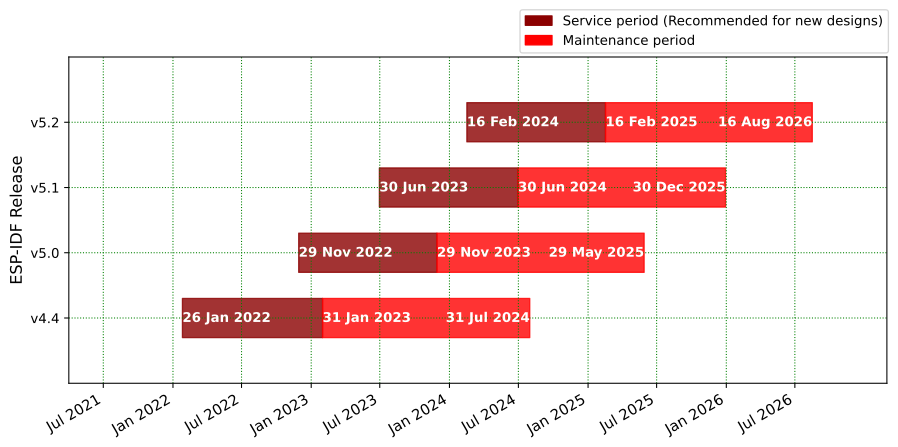
|
||||
|
||||
- Please read [the support policy](SUPPORT_POLICY.md) and [the documentation](https://docs.espressif.com/projects/esp-idf/en/latest/esp32/versions.html) for more information about ESP-IDF versions.
|
||||
- Please see the [End-of-Life Advisories](https://www.espressif.com/en/support/documents/advisories?keys=&field_type_of_advisory_tid%5B%5D=817) for information about ESP-IDF releases with discontinued support.
|
||||
|
||||
# ESP-IDF Release and SoC Compatibility
|
||||
|
||||
The following table shows ESP-IDF support of Espressif SoCs where ![alt text][preview] and ![alt text][supported] denote preview status and support, respectively. The preview support is usually limited in time and intended for beta versions of chips. Please use an ESP-IDF release where the desired SoC is already supported.
|
||||
|
||||
|Chip | v4.2 | v4.3 | v4.4 | v5.0 | v5.1 | |
|
||||
|:----------- | :---------------------:| :---------------------:| :---------------------:| :---------------------:| :--------------------: | :----------------------------------------------------------|
|
||||
|ESP32 | ![alt text][supported] | ![alt text][supported] | ![alt text][supported] | ![alt text][supported] | ![alt text][supported] | |
|
||||
|ESP32-S2 | ![alt text][supported] | ![alt text][supported] | ![alt text][supported] | ![alt text][supported] | ![alt text][supported] | |
|
||||
|ESP32-C3 | | ![alt text][supported] | ![alt text][supported] | ![alt text][supported] | ![alt text][supported] | |
|
||||
|ESP32-S3 | | | ![alt text][supported] | ![alt text][supported] | ![alt text][supported] | [Announcement](https://www.espressif.com/en/news/ESP32_S3) |
|
||||
|ESP32-C2 | | | | ![alt text][supported] | ![alt text][supported] | [Announcement](https://www.espressif.com/en/news/ESP32-C2) |
|
||||
|ESP32-C6 | | | | | ![alt text][supported] | [Announcement](https://www.espressif.com/en/news/ESP32_C6) |
|
||||
|ESP32-H2 | | | | | ![alt text][supported] | [Announcement](https://www.espressif.com/en/news/ESP32_H2) |
|
||||
|
||||
[supported]: https://img.shields.io/badge/-supported-green "supported"
|
||||
[preview]: https://img.shields.io/badge/-preview-orange "preview"
|
||||
|
||||
Espressif SoCs released before 2016 (ESP8266 and ESP8285) are supported by [RTOS SDK](https://github.com/espressif/ESP8266_RTOS_SDK) instead.
|
||||
|
||||
# Developing With ESP-IDF
|
||||
# Developing With the ESP-IDF
|
||||
|
||||
## Setting Up ESP-IDF
|
||||
|
||||
See https://idf.espressif.com/ for links to detailed instructions on how to set up the ESP-IDF depending on chip you use.
|
||||
See setup guides for detailed instructions to set up the ESP-IDF:
|
||||
|
||||
**Note:** Each SoC series and each ESP-IDF release has its own documentation. Please see Section [Versions](https://docs.espressif.com/projects/esp-idf/en/latest/esp32/versions.html) on how to find documentation and how to checkout specific release of ESP-IDF.
|
||||
|
||||
### Non-GitHub forks
|
||||
|
||||
ESP-IDF uses relative locations as its submodules URLs ([.gitmodules](.gitmodules)). So they link to GitHub. If ESP-IDF is forked to a Git repository which is not on GitHub, you will need to run the script [tools/set-submodules-to-github.sh](tools/set-submodules-to-github.sh) after git clone.
|
||||
|
||||
The script sets absolute URLs for all submodules, allowing `git submodule update --init --recursive` to complete. If cloning ESP-IDF from GitHub, this step is not needed.
|
||||
* [Windows Setup Guide](http://esp-idf.readthedocs.io/en/latest/get-started/windows-setup.html)
|
||||
* [Mac OS Setup Guide](http://esp-idf.readthedocs.io/en/latest/get-started/macos-setup.html)
|
||||
* [Linux Setup Guide](http://esp-idf.readthedocs.io/en/latest/get-started/linux-setup.html)
|
||||
|
||||
## Finding a Project
|
||||
|
||||
As well as the [esp-idf-template](https://github.com/espressif/esp-idf-template) project mentioned in Getting Started, ESP-IDF comes with some example projects in the [examples](examples) directory.
|
||||
As well as the [esp-idf-template](https://github.com/espressif/esp-idf-template) project mentioned in the setup guide, ESP-IDF comes with some example projects in the [examples](examples) directory.
|
||||
|
||||
Once you've found the project you want to work with, change to its directory and you can configure and build it.
|
||||
|
||||
To start your own project based on an example, copy the example project directory outside of the ESP-IDF directory.
|
||||
|
||||
# Quick Reference
|
||||
|
||||
See the Getting Started guide links above for a detailed setup guide. This is a quick reference for common commands when working with ESP-IDF projects:
|
||||
|
||||
## Setup Build Environment
|
||||
|
||||
(See the Getting Started guide listed above for a full list of required steps with more details.)
|
||||
|
||||
* Install host build dependencies mentioned in the Getting Started guide.
|
||||
* Run the install script to set up the build environment. The options include `install.bat` or `install.ps1` for Windows, and `install.sh` or `install.fish` for Unix shells.
|
||||
* Run the export script on Windows (`export.bat`) or source it on Unix (`source export.sh`) in every shell environment before using ESP-IDF.
|
||||
|
||||
## Configuring the Project
|
||||
|
||||
* `idf.py set-target <chip_name>` sets the target of the project to `<chip_name>`. Run `idf.py set-target` without any arguments to see a list of supported targets.
|
||||
* `idf.py menuconfig` opens a text-based configuration menu where you can configure the project.
|
||||
`make menuconfig`
|
||||
|
||||
* Opens a text-based configuration menu for the project.
|
||||
* Use up & down arrow keys to navigate the menu.
|
||||
* Use Enter key to go into a submenu, Escape key to go out or to exit.
|
||||
* Type `?` to see a help screen. Enter key exits the help screen.
|
||||
* Use Space key, or `Y` and `N` keys to enable (Yes) and disable (No) configuration items with checkboxes "`[*]`"
|
||||
* Pressing `?` while highlighting a configuration item displays help about that item.
|
||||
* Type `/` to search the configuration items.
|
||||
|
||||
Once done configuring, press Escape multiple times to exit and say "Yes" to save the new configuration when prompted.
|
||||
|
||||
## Compiling the Project
|
||||
|
||||
`idf.py build`
|
||||
`make all`
|
||||
|
||||
... will compile app, bootloader and generate a partition table based on the config.
|
||||
|
||||
## Flashing the Project
|
||||
|
||||
When the build finishes, it will print a command line to use esptool.py to flash the chip. However you can also do this automatically by running:
|
||||
When `make all` finishes, it will print a command line to use esptool.py to flash the chip. However you can also do this from make by running:
|
||||
|
||||
`idf.py -p PORT flash`
|
||||
`make flash`
|
||||
|
||||
Replace PORT with the name of your serial port (like `COM3` on Windows, `/dev/ttyUSB0` on Linux, or `/dev/cu.usbserial-X` on MacOS. If the `-p` option is left out, `idf.py flash` will try to flash the first available serial port.
|
||||
This will flash the entire project (app, bootloader and partition table) to a new chip. The settings for serial port flashing can be configured with `make menuconfig`.
|
||||
|
||||
This will flash the entire project (app, bootloader and partition table) to a new chip. The settings for serial port flashing can be configured with `idf.py menuconfig`.
|
||||
|
||||
You don't need to run `idf.py build` before running `idf.py flash`, `idf.py flash` will automatically rebuild anything which needs it.
|
||||
You don't need to run `make all` before running `make flash`, `make flash` will automatically rebuild anything which needs it.
|
||||
|
||||
## Viewing Serial Output
|
||||
|
||||
The `idf.py monitor` target uses the [esp-idf-monitor tool](https://github.com/espressif/esp-idf-monitor) to display serial output from Espressif SoCs. esp-idf-monitor also has a range of features to decode crash output and interact with the device. [Check the documentation page for details](https://docs.espressif.com/projects/esp-idf/en/latest/get-started/idf-monitor.html).
|
||||
The `make monitor` target uses the [idf_monitor tool](http://esp-idf.readthedocs.io/en/latest/get-started/idf-monitor.html) to display serial output from the ESP32. idf_monitor also has a range of features to decode crash output and interact with the device. [Check the documentation page for details](http://esp-idf.readthedocs.io/en/latest/get-started/idf-monitor.html).
|
||||
|
||||
Exit the monitor by typing Ctrl-].
|
||||
|
||||
To build, flash and monitor output in one pass, you can run:
|
||||
To flash and monitor output in one pass, you can run:
|
||||
|
||||
`idf.py flash monitor`
|
||||
`make flash monitor`
|
||||
|
||||
## Compiling & Flashing Only the App
|
||||
## Compiling & Flashing Just the App
|
||||
|
||||
After the initial flash, you may just want to build and flash just your app, not the bootloader and partition table:
|
||||
|
||||
* `idf.py app` - build just the app.
|
||||
* `idf.py app-flash` - flash just the app.
|
||||
* `make app` - build just the app.
|
||||
* `make app-flash` - flash just the app.
|
||||
|
||||
`idf.py app-flash` will automatically rebuild the app if any source files have changed.
|
||||
`make app-flash` will automatically rebuild the app if it needs it.
|
||||
|
||||
(In normal development there's no downside to reflashing the bootloader and partition table each time, if they haven't changed.)
|
||||
|
||||
## Parallel Builds
|
||||
|
||||
ESP-IDF supports compiling multiple files in parallel, so all of the above commands can be run as `make -jN` where `N` is the number of parallel make processes to run (generally N should be equal to or one more than the number of CPU cores in your system.)
|
||||
|
||||
Multiple make functions can be combined into one. For example: to build the app & bootloader using 5 jobs in parallel, then flash everything, and then display serial output from the ESP32 run:
|
||||
|
||||
```
|
||||
make -j5 flash monitor
|
||||
```
|
||||
|
||||
## The Partition Table
|
||||
|
||||
Once you've compiled your project, the "build" directory will contain a binary file with a name like "my_app.bin". This is an ESP32 image binary that can be loaded by the bootloader.
|
||||
|
||||
A single ESP32's flash can contain multiple apps, as well as many different kinds of data (calibration data, filesystems, parameter storage, etc). For this reason a partition table is flashed to offset 0x8000 in the flash.
|
||||
|
||||
Each entry in the partition table has a name (label), type (app, data, or something else), subtype and the offset in flash where the partition is loaded.
|
||||
|
||||
The simplest way to use the partition table is to `make menuconfig` and choose one of the simple predefined partition tables:
|
||||
|
||||
* "Single factory app, no OTA"
|
||||
* "Factory app, two OTA definitions"
|
||||
|
||||
In both cases the factory app is flashed at offset 0x10000. If you `make partition_table` then it will print a summary of the partition table.
|
||||
|
||||
For more details about partition tables and how to create custom variations, view the `docs/partition-tables.rst` file.
|
||||
|
||||
## Erasing Flash
|
||||
|
||||
The `idf.py flash` target does not erase the entire flash contents. However it is sometimes useful to set the device back to a totally erased state, particularly when making partition table changes or OTA app updates. To erase the entire flash, run `idf.py erase-flash`.
|
||||
The `make flash` target does not erase the entire flash contents. However it is sometimes useful to set the device back to a totally erased state, particularly when making partition table changes or OTA app updates. To erase the entire flash, run `make erase_flash`.
|
||||
|
||||
This can be combined with other targets, ie `idf.py -p PORT erase-flash flash` will erase everything and then re-flash the new app, bootloader and partition table.
|
||||
This can be combined with other targets, ie `make erase_flash flash` will erase everything and then re-flash the new app, bootloader and partition table.
|
||||
|
||||
# Resources
|
||||
|
||||
* Documentation for the latest version: https://docs.espressif.com/projects/esp-idf/. This documentation is built from the [docs directory](docs) of this repository.
|
||||
* Documentation for the latest version: http://esp-idf.readthedocs.io/. This documentation is built from the [docs directory](docs) of this repository.
|
||||
|
||||
* The [esp32.com forum](https://esp32.com/) is a place to ask questions and find community resources.
|
||||
* The [esp32.com forum](http://esp32.com/) is a place to ask questions and find community resources.
|
||||
|
||||
* [Check the Issues section on github](https://github.com/espressif/esp-idf/issues) if you find a bug or have a feature request. Please check existing Issues before opening a new one.
|
||||
|
||||
* If you're interested in contributing to ESP-IDF, please check the [Contributions Guide](https://docs.espressif.com/projects/esp-idf/en/latest/contribute/index.html).
|
||||
* If you're interested in contributing to ESP-IDF, please check the [Contributions Guide](http://esp-idf.readthedocs.io/en/latest/contribute/index.html).
|
||||
|
||||
|
||||
125
README_CN.md
125
README_CN.md
@@ -1,125 +0,0 @@
|
||||
# Espressif 物联网开发框架
|
||||
|
||||
* [English Version](./README.md)
|
||||
|
||||
ESP-IDF 是乐鑫官方推出的物联网开发框架,支持 Windows、Linux 和 macOS 操作系统。
|
||||
|
||||
# ESP-IDF 版本支持期限
|
||||
|
||||

|
||||
|
||||
- 请参考 [ESP-IDF 支持政策](SUPPORT_POLICY_CN.md) 以及 [相关文档](https://docs.espressif.com/projects/esp-idf/zh_CN/latest/esp32/versions.html) 了解更多关于 ESP-IDF 版本的信息。
|
||||
- 请参考 [ESP-IDF 版本停止维护 (EOL) 公告](https://www.espressif.com/zh-hans/support/documents/advisories?keys=&field_type_of_advisory_tid%5B%5D=817)。
|
||||
|
||||
# ESP-IDF 与乐鑫芯片
|
||||
|
||||
下表总结了乐鑫芯片在 ESP-IDF 各版本中的支持状态,其中 ![alt text][supported] 代表已支持,![alt text][preview] 代表目前处于预览支持状态。预览支持状态通常有时间限制,而且仅适用于测试版芯片。请确保使用与芯片相匹配的 ESP-IDF 版本。
|
||||
|
||||
|芯片 | v4.2 | v4.3 | v4.4 | v5.0 | v5.1 | |
|
||||
|:----------- |:---------------------:| :---------------------:| :---------------------:| :---------------------:| :--------------------: | :-------------------------------------------------------------- |
|
||||
|ESP32 |![alt text][supported] | ![alt text][supported] | ![alt text][supported] | ![alt text][supported] | ![alt text][supported] | |
|
||||
|ESP32-S2 |![alt text][supported] | ![alt text][supported] | ![alt text][supported] | ![alt text][supported] | ![alt text][supported] | |
|
||||
|ESP32-C3 | | ![alt text][supported] | ![alt text][supported] | ![alt text][supported] | ![alt text][supported] | |
|
||||
|ESP32-S3 | | | ![alt text][supported] | ![alt text][supported] | ![alt text][supported] | [芯片发布公告](https://www.espressif.com/zh-hans/news/ESP32_S3) |
|
||||
|ESP32-C2 | | | | ![alt text][supported] | ![alt text][supported] | [芯片发布公告](https://www.espressif.com/zh-hans/news/ESP32-C2) |
|
||||
|ESP32-C6 | | | | | ![alt text][supported] | [芯片发布公告](https://www.espressif.com/zh-hans/news/ESP32_C6) |
|
||||
|ESP32-H2 | | | | | ![alt text][supported] | [芯片发布公告](https://www.espressif.com/zh-hans/news/ESP32_H2) |
|
||||
|
||||
[supported]: https://img.shields.io/badge/-%E6%94%AF%E6%8C%81-green "supported"
|
||||
[preview]: https://img.shields.io/badge/-%E9%A2%84%E8%A7%88-orange "preview"
|
||||
|
||||
对于 2016 年之前发布的乐鑫芯片(包括 ESP8266 和 ESP8285),请参考 [RTOS SDK](https://github.com/espressif/ESP8266_RTOS_SDK)。
|
||||
|
||||
# 使用 ESP-IDF 进行开发
|
||||
|
||||
## 搭建 ESP-IDF 开发环境
|
||||
|
||||
关于不同芯片如何搭建 ESP-IDF 的开发环境,请参考 https://idf.espressif.com/ 。
|
||||
|
||||
**注意:** 不同系列芯片和不同 ESP-IDF 版本都有其对应的文档。请参阅[版本](https://docs.espressif.com/projects/esp-idf/zh_CN/latest/esp32/versions.html)部分,获得关于如何查找文档以及如何检出 ESP-IDF 的特定发行版的详细信息。
|
||||
|
||||
### 非 GitHub 分叉的 ESP-IDF 项目
|
||||
|
||||
ESP-IDF 中的子模块采用相对路径([详见 .gitmodules 文件](.gitmodules)),所以它们会指向 GitHub。 如果 ESP-IDF 被分叉到的仓库不在 GitHub 上,那么你需要在克隆结束后运行该脚本 [tools/set-submodules-to-github.sh](tools/set-submodules-to-github.sh)。
|
||||
|
||||
这个脚本会为所有的子模块设置绝对路径,接着可以通过 `git submodule update --init --recursive` 完成子模块的更新。如果 ESP-IDF 是从 GitHub 上克隆得到,则不需要此步骤。
|
||||
|
||||
## 寻找项目
|
||||
|
||||
除了入门指南中提到的 [esp-idf 模板项目](https://github.com/espressif/esp-idf-template),ESP-IDF 的 [examples](examples) 目录下还带有很多其它示例项目。
|
||||
|
||||
一旦找到了需要的项目,便可以进入该目录,执行配置和构建操作。
|
||||
|
||||
如果要基于示例工程开始你自己的项目,请将示例工程复制到 ESP-IDF 目录之外。
|
||||
|
||||
# 快速参考
|
||||
|
||||
详细的使用方法请参考上面入门指南的链接,这里仅仅列举一些 ESP-IDF 项目开发中常用的命令:
|
||||
|
||||
## 设置构建环境
|
||||
|
||||
请参考入门指南中列出的详细步骤。
|
||||
|
||||
* 在主机中安装入门指南中提到的构建所依赖的工具。
|
||||
* 运行安装脚本来设置构建环境。可为 Windows shell 选择 `install.bat` 或 `install.ps1`,为 Unix shell 选择 `install.sh` 和 `install.fish`。
|
||||
* 在使用 ESP-IDF 之前,需要在 shell 中运行导出脚本。Windows 下可运行 `export.bat`,Unix 下可运行 `source export.sh`。
|
||||
|
||||
## 配置项目
|
||||
|
||||
* `idf.py set-target <chip_name>` 可将项目的目标芯片设置为 `<chip_name>`。运行 `idf.py set-target`,不用带任何参数,可查看所有支持的目标芯片列表。
|
||||
* `idf.py menuconfig` 可打开一个基于文本的配置菜单,可以用来对项目进行配置。
|
||||
|
||||
## 编译项目
|
||||
|
||||
`idf.py build`
|
||||
|
||||
编译应用程序,引导程序,并根据配置生成分区表。
|
||||
|
||||
## 烧写项目
|
||||
|
||||
当构建结束,终端会打印出一条命令行,告知如何使用 esptool.py 工具烧写项目到芯片中。但你也可以运行下面这条命令来自动烧写:
|
||||
|
||||
`idf.py -p PORT flash`
|
||||
|
||||
将其中的 PORT 替换为系统中实际串口的名字(比如 Windows 下的 `COM3`,Linux 下的 `/dev/ttyUSB0`,或者 macOS 下的 `/dev/cu.usbserial-X`。如果省略 `-p` 选项,`idf.py flash` 会尝试使用第一个可用的串口进行烧写。
|
||||
|
||||
这会烧写整个项目(包括应用程序,引导程序和分区表)到芯片中,此外还可以使用 `idf.py menuconfig` 来调整串口烧写相关的配置。
|
||||
|
||||
不必先运行 `idf.py build` 再运行 `idf.py flash`,`idf.py flash` 会根据需要自动重新构建项目。
|
||||
|
||||
## 观察串口输入
|
||||
|
||||
`idf.py monitor` 会调用 [esp-idf-monitor 工具](https://github.com/espressif/esp-idf-monitor)来显示乐鑫芯片的串口输出。esp-idf-monitor 还包含一系列的功能来解析程序崩溃后的输出结果并与设备进行交互。更多详细内容,请参阅[文档](https://docs.espressif.com/projects/esp-idf/en/latest/get-started/idf-monitor.html).
|
||||
|
||||
输入 `Ctrl-]` 可退出监视器。
|
||||
|
||||
想要一次性执行构建、烧写和监视,可以运行如下命令:
|
||||
|
||||
`idf.py flash monitor`
|
||||
|
||||
## 仅编译并烧写应用程序
|
||||
|
||||
在第一次烧写过后,你可能只想构建并烧写你的应用程序,不包括引导程序和分区表:
|
||||
|
||||
* `idf.py app` - 仅构建应用程序。
|
||||
* `idf.py app-flash` - 仅烧写应用程序。
|
||||
|
||||
`idf.py app-flash` 会自动判断是否有源文件发生了改变然后重新构建应用程序。
|
||||
|
||||
(在正常的开发中,即使引导程序和分区表没有发生变化,每次都重新烧写它们并不会带来什么危害。)
|
||||
|
||||
## 擦除 Flash
|
||||
|
||||
`idf.py flash` 并不会擦除 flash 上所有的内容,但是有时候我们需要设备恢复到完全擦除的状态,尤其是分区表发生了变化或者 OTA 应用升级时。要擦除整块 flash 请运行 `idf.py erase-flash`。
|
||||
|
||||
这条命令还可以和其余命令整合在一起,`idf.py -p PORT erase-flash flash` 会擦除一切然后重新烧写新的应用程序、引导程序和分区表。
|
||||
|
||||
# 其它参考资源
|
||||
|
||||
* 最新版的文档:https://docs.espressif.com/projects/esp-idf/ ,该文档是由本仓库 [docs 目录](docs) 构建得到。
|
||||
|
||||
* 可以前往 [esp32.com 论坛](https://esp32.com/) 提问,挖掘社区资源。
|
||||
|
||||
* 如果你在使用中发现了错误或者需要新的功能,请先[查看 GitHub Issues](https://github.com/espressif/esp-idf/issues),确保该问题没有重复提交。
|
||||
|
||||
* 如果你有兴趣为 ESP-IDF 作贡献,请先阅读[贡献指南](https://docs.espressif.com/projects/esp-idf/en/latest/contribute/index.html)。
|
||||
@@ -1,9 +0,0 @@
|
||||
# Security Policy
|
||||
|
||||
## Supported Versions
|
||||
|
||||
Please refer to https://docs.espressif.com/projects/esp-idf/en/latest/esp32/versions.html#support-periods for more details on ESP-IDF supported versions and support period policy.
|
||||
|
||||
## Reporting a Vulnerability
|
||||
|
||||
If you think you have found a security vulnerability in Espressif solutions (including ESP-IDF), then please send an email to our Bug Bounty team at bugbounty@espressif.com. Please do **NOT** create a public GitHub issue.
|
||||
@@ -1,58 +0,0 @@
|
||||
The latest support policy for ESP-IDF can be found at [https://github.com/espressif/esp-idf/blob/master/SUPPORT_POLICY.md](https://github.com/espressif/esp-idf/blob/master/SUPPORT_POLICY.md)
|
||||
|
||||
Support Period Policy
|
||||
=====================
|
||||
|
||||
* [中文版](./SUPPORT_POLICY_CN.md)
|
||||
|
||||
Each ESP-IDF major and minor release (V4.1, V4.2, etc) is supported for 30 months after the initial stable release date.
|
||||
|
||||
Supported means that the ESP-IDF team will continue to apply bug fixes, security fixes, etc to the release branch on GitHub, and periodically make new bugfix releases as needed.
|
||||
|
||||
Support period is divided into "Service" and "Maintenance" period:
|
||||
|
||||
| Period | Duration | Recommended for new projects? |
|
||||
| ------- | ------------ | ------------------------------------- |
|
||||
| Service | 12 months | Yes |
|
||||
| Maintenance | 18 months | No |
|
||||
|
||||
During the Service period, bugfixes releases are more frequent. In some cases, support for new features may be added during the Service period (this is reserved for features which are needed to meet particular regulatory requirements or standards for new products, and which carry a very low risk of introducing regressions.)
|
||||
|
||||
During the Maintenance period, the version is still supported but only bugfixes for high severity issues or security issues will be applied.
|
||||
|
||||
Using an “In Service” version is recommended when starting a new project.
|
||||
|
||||
Users are encouraged to upgrade all projects to a newer ESP-IDF release before the support period finishes and the release becomes End of Life (EOL). It is our policy to not continue fixing bugs in End of Life releases.
|
||||
|
||||
Pre-release versions (betas, previews, `-rc` and `-dev` versions, etc) are not covered by any support period. Sometimes a particular feature is marked as "Preview" in a release, which means it is also not covered by the support period.
|
||||
|
||||
ESP-IDF should be used in an up-to-date software environment. The operating system and other third-party tools should be supported by their maintainers. ESP-IDF cannot keep compatibility with unsupported third-party tools.
|
||||
|
||||
The ESP-IDF Programming Guide has information about the [different versions of ESP-IDF](https://docs.espressif.com/projects/esp-idf/en/latest/versions.html) (major, minor, bugfix, etc).
|
||||
|
||||
Example
|
||||
-------
|
||||
|
||||
ESP-IDF V3.3 was released in September 2019. It was supported for 30 months until February 2022.
|
||||
|
||||
- The first V3.3 release was `v3.3` in September 2019.
|
||||
- The ESP-IDF team continues to backport bug fixes, security fixes, etc to the release branch `release/v3.3`.
|
||||
- Periodically stable bugfix releases are created from the release branch. For example `v3.3.1`, `v3.3.2`, etc. Users are encouraged to always update to the latest bugfix release.
|
||||
- V3.3 bugfix releases continue until February 2022, when all V3.3.x releases become End of Life.
|
||||
|
||||
Existing Releases
|
||||
-----------------
|
||||
|
||||
ESP-IDF release V4.1 and all newer releases will follow this support period policy. The support period for each release will be announced when the release is made.
|
||||
|
||||
For releases made before the current support period policy was announced, the original support periods apply:
|
||||
|
||||
* ESP-IDF V4.0.x will be supported until October 2021
|
||||
* ESP-IDF V3.3.x will be supported until February 2022
|
||||
* ESP-IDF versions before V3.3 are already End of Life.
|
||||
|
||||
Policy History
|
||||
--------------
|
||||
|
||||
* September 2019. This policy splits ESP-IDF releases into Standard and Long Term Support.
|
||||
* July 2020. All releases from now will have the same support period, which is equal to the previous Long Term Support period. Added “In Service” period, during which versions will receive more updates.
|
||||
@@ -1,58 +0,0 @@
|
||||
有关 ESP-IDF 的最新支持政策,详见 [支持期限政策](https://github.com/espressif/esp-idf/blob/master/SUPPORT_POLICY_CN.md)
|
||||
|
||||
支持期限政策
|
||||
=====================
|
||||
|
||||
* [英文版](./SUPPORT_POLICY.md)
|
||||
|
||||
ESP-IDF 的每个主要版本和次要版本(如 V4.1、V4.2 等)自其首次稳定版本发布之日起将支持 30 个月。
|
||||
|
||||
支持意味着 ESP-IDF 团队将会对 GitHub 上的发布分支继续进行 bug 修复、安全修补等,并根据需求定期发布新的 bugfix 版本。
|
||||
|
||||
支持周期包括“服务周期“和“维护周期”:
|
||||
|
||||
| 周期 | 期限 | 是否建议新项目使用? |
|
||||
| ------- | ------------ | ------------------------------------- |
|
||||
| 服务周期 | 12 个月 | 是 |
|
||||
| 维护周期 | 18 个月 | 否 |
|
||||
|
||||
在版本的服务周期内,bug 修复版本会较为频繁发布。某些情况下,版本在其服务周期内可能会增加对新功能的支持(这仅适用于需要达到新产品特定规管标准或要求的功能,并且引入新问题的风险极低。)
|
||||
|
||||
在版本的维护周期内,版本仍然会继续支持,但仅会对严重问题或安全问题进行 bug 修复。
|
||||
|
||||
建议在开始新项目的时候使用处于服务周期的版本。
|
||||
|
||||
在某一版本支持期限结束,停止更新维护 (EOL) 前,建议用户升级所有项目至较新的 ESP-IDF 版本。根据《支持期限政策》,我们将停止对 EOL 版本进行 bug 修复。
|
||||
|
||||
《支持期限政策》不适用于预发布版本(包括 beta、preview、-rc 和 -dev 版本等)。有时,在发布的版本中存在被标记为 "Preview" 的特定功能,则该功能也不在支持期限内。
|
||||
|
||||
请确保在最新的软件环境中使用 ESP-IDF。操作系统和其他第三方工具应得到其维护者的支持。ESP-IDF 无法兼容不受支持的第三方工具。
|
||||
|
||||
有关 [ESP-IDF 不同版本](https://docs.espressif.com/projects/esp-idf/zh_CN/latest/esp32/versions.html)(主要版本、次要版本、bugfix 版本等)信息,可参阅《ESP-IDF 编程指南》。
|
||||
|
||||
示例
|
||||
-------
|
||||
|
||||
ESP-IDF V3.3 于 2019 年 9 月发布,将支持 30 个月至 2022 年 2 月停止。
|
||||
|
||||
- V3.3 的首个发布版本为 2019 年 9 月发布的 v3.3。
|
||||
- ESP-IDF 团队将持续进行 bug 修复、安全修补等更新,并 backport 至分支 release/v3.3。
|
||||
- 定期从 release 分支创建稳定的 bugfix 版本,比如,v3.3.1、v3.3.2 等,并建议用户保持使用最新的 bugfix 版本。
|
||||
- V3.3 的 bugfix 版本发布将持续至 2022 年 2 月,届时所有 V3.3.x 将停止更新维护。
|
||||
|
||||
现有版本
|
||||
-----------------
|
||||
|
||||
ESP-IDF V4.1 及所有后续更新版本都将遵守该《支持期限政策》。每一版本发布时将同时公布其支持期限。
|
||||
|
||||
对于该政策公布之日前发布的版本,应适用下述支持期限:
|
||||
|
||||
* ESP-IDF V4.0.x 将支持至 2021 年 10 月。
|
||||
* ESP-IDF V3.3.x 将支持至 2022 年 2 月。
|
||||
* ESP-IDF v3.3 之前的版本已经停止支持。
|
||||
|
||||
政策历史
|
||||
--------------
|
||||
|
||||
* 2019 年 9 月。该政策将 ESP-IDF 版本发布分为标准支持版本和长期支持版本。
|
||||
* 2020 年 7 月。从现在开始,所有发布的版本都将有相同的支持周期,即之前的长期支持周期。新增了”服务周期“,期间版本的更新将较为频繁。
|
||||
@@ -9,10 +9,9 @@
|
||||
if [ -z ${IDF_PATH} ]; then
|
||||
echo "IDF_PATH must be set before including this script."
|
||||
else
|
||||
IDF_ADD_PATHS_EXTRAS="${IDF_PATH}/components/esptool_py/esptool"
|
||||
IDF_ADD_PATHS_EXTRAS="${IDF_ADD_PATHS_EXTRAS}:${IDF_PATH}/components/espcoredump"
|
||||
IDF_ADD_PATHS_EXTRAS="${IDF_ADD_PATHS_EXTRAS}:${IDF_PATH}/components/partition_table/"
|
||||
IDF_ADD_PATHS_EXTRAS="${IDF_ADD_PATHS_EXTRAS}:${IDF_PATH}/tools/"
|
||||
export PATH="${IDF_ADD_PATHS_EXTRAS}:${PATH}"
|
||||
IDF_ADD_PATHS_EXTRAS="${IDF_PATH}/components/esptool_py/esptool:${IDF_PATH}/components/espcoredump:${IDF_PATH}/components/partition_table/"
|
||||
export PATH="${PATH}:${IDF_ADD_PATHS_EXTRAS}"
|
||||
echo "Added to PATH: ${IDF_ADD_PATHS_EXTRAS}"
|
||||
fi
|
||||
|
||||
|
||||
|
||||
@@ -1,160 +0,0 @@
|
||||
|
||||
# Core Components
|
||||
|
||||
## Overview
|
||||
|
||||
This document contains details about what the core components are, what they contain, and how they are organized.
|
||||
|
||||
## Organization
|
||||
|
||||
The core components are organized into two groups.
|
||||
|
||||
The first group (referred to as `G0` from now on) contains `hal`, `xtensa` and `riscv` (referred to as `arch` components from now on), `esp_rom`, `esp_common`, and `soc`. This
|
||||
group contain information about and low-level access to underlying hardware; or in the case of `esp_common`, hardware-agnostic code and utilities.
|
||||
These components can depend on each other, but as much as possible have no dependencies outside the group. The reason for this is that, due to the
|
||||
nature of what these components contain, the likelihood is high that a lot of other components will require these. Ideally, then, the dependency
|
||||
relationship only goes one way. This makes it easier for these components, as a group, to be usable in another project. One can conceivably implement
|
||||
a competing SDK to ESP-IDF on top of these components.
|
||||
|
||||
The second group (referred to as `G1` from now on) sits at a higher level than the first group. This group contains the components `esp_hw_support`, `esp_system`, `newlib`, `spi_flash`,
|
||||
`freertos`, `log`, and `heap`. Like the first group, circular dependencies within the group are allowed; and being at a higher level, dependency on the first group
|
||||
is allowed. These components represent software mechanisms essential to building other components.
|
||||
|
||||
## Descriptions
|
||||
|
||||
The following is a short description of the components mentioned above.
|
||||
|
||||
### `G0` Components
|
||||
|
||||
#### `hal`
|
||||
|
||||
Contains the hardware abstraction layer and low-level operation implementations for the various peripherals. The low-level functions assign meaningful names to register-level manipulations; the hardware abstraction provide operations one level above this, grouping these low-level functions
|
||||
into routines that achieve a meaningful action or state of the peripheral.
|
||||
|
||||
Example:
|
||||
|
||||
- `spi_flash_ll_set_address` is a low-level function part of the hardware abstraction `spi_flash_hal_read_block`
|
||||
|
||||
#### `arch`
|
||||
|
||||
Contains low-level architecture operations and definitions, including those for customizations (can be thought of on the same level as the low-level functions of `hal`).
|
||||
This can also contain files provided by the architecture vendor.
|
||||
|
||||
Example:
|
||||
|
||||
- `xt_set_exception_handler`
|
||||
- `rv_utils_intr_enable`
|
||||
- `ERI_PERFMON_MAX`
|
||||
|
||||
#### `esp_common`
|
||||
|
||||
Contains hardware-agnostic definitions, constants, macros, utilities, 'pure' and/or algorithmic functions that is useable by all other components (that is, barring there being a more appropriate component to put them in).
|
||||
|
||||
Example:
|
||||
|
||||
- `BIT(nr)` and other bit manipulation utilities in the future
|
||||
- `IDF_DEPRECATED(REASON)`
|
||||
- `ESP_IDF_VERSION_MAJOR`
|
||||
|
||||
#### `soc`
|
||||
|
||||
Contains description of the underlying hardware: register structure, addresses, pins, capabilities, etc.
|
||||
|
||||
Example:
|
||||
|
||||
- `DR_REG_DPORT_BASE`
|
||||
- `SOC_MCPWM_SUPPORTED`
|
||||
- `uart_dev_s`
|
||||
|
||||
#### `esp_rom`
|
||||
|
||||
Contains headers, linker scripts, abstraction layer, patches, and other related files to ROM functions.
|
||||
|
||||
Example:
|
||||
|
||||
- `esp32.rom.eco3.ld`
|
||||
- `rom/aes.h`
|
||||
|
||||
### `G1` Components
|
||||
|
||||
#### `spi_flash`
|
||||
|
||||
SPI flash device access implementation.
|
||||
|
||||
#### `freertos`
|
||||
|
||||
FreeRTOS port to targets supported by ESP-IDF.
|
||||
|
||||
#### `log`
|
||||
|
||||
Logging library.
|
||||
|
||||
#### `heap`
|
||||
|
||||
Heap implementation.
|
||||
|
||||
#### `newlib`
|
||||
|
||||
Some functions n the standard library are implemented here, especially those needing other `G1` components.
|
||||
|
||||
Example:
|
||||
|
||||
- `malloc` is implemented in terms of the component `heap`'s functions
|
||||
- `gettimeofday` is implemented in terms of system time in `esp_system`
|
||||
|
||||
#### `esp_system`
|
||||
|
||||
Contains implementation of system services and controls system behavior. The implementations
|
||||
here may take hardware resources and/or decide on a hardware state needed for support of a system service/feature/mechanism.
|
||||
Currently, this encompasses the following, but not limited to:
|
||||
|
||||
- Startup and initialization
|
||||
- Panic and debug
|
||||
- Reset and reset reason
|
||||
- Task and interrupt watchdogs
|
||||
|
||||
#### `esp_hw_support`
|
||||
|
||||
Contains implementations that provide hardware operations, arbitration, or resource sharing, especially those that
|
||||
is used in the system. Unlike `esp_system`, implementations here do not decide on a hardware state or takes hardware resource, acting
|
||||
merely as facilitator to hardware access. Currently, this encompasses the following, but not limited to:
|
||||
|
||||
- Interrupt allocation
|
||||
- Sleep functions
|
||||
- Memory functions (external SPIRAM, async memory, etc.)
|
||||
- Clock and clock control
|
||||
- Random generation
|
||||
- CPU utilities
|
||||
- MAC settings
|
||||
|
||||
### `esp_hw_support` vs `esp_system`
|
||||
|
||||
This section details list some implementations and the reason for placing it in either `esp_hw_support` or `esp_system`.
|
||||
|
||||
#### `task_wdt.c` (`esp_system`) vs `intr_alloc.c` (`esp_hw_support`)
|
||||
|
||||
The task watchdog fits the definition of taking and configuring hardware resources (wdt, interrupt) for implementation of a system service/mechanism.
|
||||
|
||||
This is in contrast with interrupt allocation that merely facilitates access to the underlying hardware for other implementations -
|
||||
drivers, user code, and even the task watchdog mentioned previously!
|
||||
|
||||
#### `crosscore_int.c` (`esp_system`)
|
||||
|
||||
The current implementation of crosscore interrupts is tightly coupled with a number of interrupt reasons
|
||||
associated with system services/mechanisms: REASON_YIELD (scheduler), REASON_FREQ_SWITCH (power management)
|
||||
REASON_PRINT_BACKTRACE (panic and debug).
|
||||
|
||||
However, if an implementation exists that makes it possible to register an arbitrary interrupt reason - a
|
||||
lower level inter-processor call if you will, then this implementation is a good candidate for `esp_hw_support`.
|
||||
The current implementation in `esp_system` can then just register the interrupt reasons mentioned above.
|
||||
|
||||
#### `esp_mac.h`, `esp_chip_info.h`, `esp_random.h` (`esp_hw_support`)
|
||||
|
||||
The functions in these headers used to be in `esp_system.h`, but have been split-off.
|
||||
|
||||
The remaining functions in `esp_system.h` are those that deal with system behavior, such
|
||||
as `esp_register_shutdown_handler`, or are proxy for other system components's APIs such as
|
||||
`esp_get_free_heap_size`.
|
||||
|
||||
The functions split-off from `esp_system.h` are much more hardware manipulation oriented such as:
|
||||
`esp_read_mac`, `esp_random` and `esp_chip_info`.
|
||||
@@ -1,120 +0,0 @@
|
||||
set(srcs
|
||||
"app_trace.c"
|
||||
"app_trace_util.c"
|
||||
"host_file_io.c")
|
||||
|
||||
if(CONFIG_APPTRACE_GCOV_ENABLE)
|
||||
if("${CMAKE_C_COMPILER_ID}" STREQUAL "GNU")
|
||||
list(APPEND srcs
|
||||
"gcov/gcov_rtio.c")
|
||||
else()
|
||||
fail_at_build_time(app_trace "Only GNU compiler can link with Gcov library")
|
||||
endif()
|
||||
endif()
|
||||
|
||||
set(include_dirs "include")
|
||||
|
||||
set(priv_include_dirs "private_include" "port/include")
|
||||
|
||||
if(CONFIG_APPTRACE_MEMBUFS_APPTRACE_PROTO_ENABLE)
|
||||
list(APPEND srcs
|
||||
"app_trace_membufs_proto.c")
|
||||
|
||||
if(CONFIG_IDF_TARGET_ARCH_XTENSA)
|
||||
list(APPEND srcs
|
||||
"port/xtensa/port.c")
|
||||
endif()
|
||||
if(CONFIG_IDF_TARGET_ARCH_RISCV)
|
||||
list(APPEND srcs
|
||||
"port/riscv/port.c")
|
||||
endif()
|
||||
endif()
|
||||
list(APPEND srcs
|
||||
"port/port_uart.c")
|
||||
|
||||
if(CONFIG_APPTRACE_SV_ENABLE)
|
||||
list(APPEND include_dirs
|
||||
sys_view/Config
|
||||
sys_view/SEGGER
|
||||
sys_view/Sample/FreeRTOSV10.4)
|
||||
|
||||
list(APPEND srcs
|
||||
"sys_view/SEGGER/SEGGER_SYSVIEW.c"
|
||||
"sys_view/Sample/FreeRTOSV10.4/Config/esp/SEGGER_SYSVIEW_Config_FreeRTOS.c"
|
||||
"sys_view/Sample/FreeRTOSV10.4/SEGGER_SYSVIEW_FreeRTOS.c"
|
||||
"sys_view/esp/SEGGER_RTT_esp.c"
|
||||
"sys_view/ext/heap_trace_module.c"
|
||||
"sys_view/ext/logging.c")
|
||||
endif()
|
||||
|
||||
if(CONFIG_HEAP_TRACING_TOHOST)
|
||||
list(APPEND srcs "heap_trace_tohost.c")
|
||||
set_source_files_properties(heap_trace_tohost.c
|
||||
PROPERTIES COMPILE_FLAGS
|
||||
-Wno-frame-address)
|
||||
endif()
|
||||
|
||||
idf_component_register(SRCS "${srcs}"
|
||||
INCLUDE_DIRS "${include_dirs}"
|
||||
PRIV_INCLUDE_DIRS "${priv_include_dirs}"
|
||||
# Requires "driver" for GPTimer in "SEGGER_SYSVIEW_Config_FreeRTOS.c"
|
||||
PRIV_REQUIRES soc driver
|
||||
REQUIRES esp_timer
|
||||
LDFRAGMENTS linker.lf)
|
||||
|
||||
# Force app_trace to also appear later than gcov in link line
|
||||
idf_component_get_property(app_trace app_trace COMPONENT_LIB)
|
||||
|
||||
if(CONFIG_APPTRACE_GCOV_ENABLE)
|
||||
# The original Gcov library from toolchain will be objcopy with symbols redefinitions (see file gcov/io_sym.map).
|
||||
# This needs because ESP has no file-system onboard, and redefined functions solves this problem and transmits
|
||||
# output file to host PC.
|
||||
|
||||
# Set a name for Gcov library
|
||||
set(GCOV_LIB libgcov_rtio)
|
||||
|
||||
# Set include direcrory of Gcov internal headers
|
||||
execute_process(COMMAND ${CMAKE_C_COMPILER} -print-file-name=plugin
|
||||
OUTPUT_VARIABLE gcc_plugin_dir
|
||||
OUTPUT_STRIP_TRAILING_WHITESPACE
|
||||
ERROR_QUIET)
|
||||
set_source_files_properties(gcov/gcov_rtio.c
|
||||
PROPERTIES COMPILE_FLAGS "-I${gcc_plugin_dir}/include")
|
||||
|
||||
# Copy libgcov.a with symbols redefinition
|
||||
find_library(GCOV_LIBRARY_PATH gcov ${CMAKE_C_IMPLICIT_LINK_DIRECTORIES})
|
||||
add_custom_command(OUTPUT ${GCOV_LIB}.a
|
||||
COMMAND ${_CMAKE_TOOLCHAIN_PREFIX}objcopy
|
||||
--redefine-syms ${CMAKE_CURRENT_LIST_DIR}/gcov/io_sym.map
|
||||
${GCOV_LIBRARY_PATH} ${GCOV_LIB}.a
|
||||
MAIN_DEPENDENCY ${GCOV_LIBRARY_PATH}
|
||||
VERBATIM)
|
||||
add_custom_target(${GCOV_LIB}_target DEPENDS ${GCOV_LIB}.a)
|
||||
add_library(${GCOV_LIB} STATIC IMPORTED)
|
||||
set_target_properties(${GCOV_LIB}
|
||||
PROPERTIES
|
||||
IMPORTED_LOCATION ${CMAKE_CURRENT_BINARY_DIR}/${GCOV_LIB}.a)
|
||||
add_dependencies(${GCOV_LIB} ${GCOV_LIB}_target)
|
||||
add_dependencies(${COMPONENT_LIB} ${GCOV_LIB})
|
||||
|
||||
# disable --coverage for this component, as it is used as transport for gcov
|
||||
target_compile_options(${COMPONENT_LIB} PRIVATE "-fno-profile-arcs" "-fno-test-coverage")
|
||||
target_link_options(${COMPONENT_LIB} INTERFACE "-Wl,--wrap=__gcov_init")
|
||||
|
||||
target_link_libraries(${COMPONENT_LIB} INTERFACE ${GCOV_LIB} $<TARGET_FILE:${app_trace}> c)
|
||||
else()
|
||||
target_link_libraries(${COMPONENT_LIB} INTERFACE $<TARGET_FILE:${app_trace}> c)
|
||||
endif()
|
||||
|
||||
# This function adds a dependency on the given component if the component is included into the build.
|
||||
function(maybe_add_component component_name)
|
||||
idf_build_get_property(components BUILD_COMPONENTS)
|
||||
if(${component_name} IN_LIST components)
|
||||
idf_component_get_property(lib_name ${component_name} COMPONENT_LIB)
|
||||
target_link_libraries(${COMPONENT_LIB} PUBLIC ${lib_name})
|
||||
endif()
|
||||
endfunction()
|
||||
|
||||
if(CONFIG_APPTRACE_DEST_UART0 OR CONFIG_APPTRACE_DEST_UART1 OR CONFIG_APPTRACE_DEST_UART2)
|
||||
maybe_add_component(driver)
|
||||
endif()
|
||||
@@ -1,399 +0,0 @@
|
||||
menu "Application Level Tracing"
|
||||
|
||||
choice APPTRACE_DESTINATION1
|
||||
prompt "Data Destination 1"
|
||||
default APPTRACE_DEST_NONE
|
||||
help
|
||||
Select destination for application trace: JTAG or none (to disable).
|
||||
|
||||
config APPTRACE_DEST_JTAG
|
||||
bool "JTAG"
|
||||
select APPTRACE_DEST_TRAX if IDF_TARGET_ARCH_XTENSA
|
||||
select APPTRACE_MEMBUFS_APPTRACE_PROTO_ENABLE
|
||||
select APPTRACE_ENABLE
|
||||
|
||||
config APPTRACE_DEST_NONE
|
||||
bool "None"
|
||||
endchoice
|
||||
|
||||
config APPTRACE_DEST_UART
|
||||
bool
|
||||
|
||||
config APPTRACE_DEST_UART_NOUSB
|
||||
bool
|
||||
|
||||
choice APPTRACE_DESTINATION2
|
||||
prompt "Data Destination 2"
|
||||
default APPTRACE_DEST_UART_NONE
|
||||
help
|
||||
Select destination for application trace: UART(XX) or none (to disable).
|
||||
|
||||
config APPTRACE_DEST_UART0
|
||||
bool "UART0"
|
||||
select APPTRACE_ENABLE
|
||||
select APPTRACE_DEST_UART
|
||||
select APPTRACE_DEST_UART_NOUSB
|
||||
depends on (ESP_CONSOLE_UART_NUM !=0)
|
||||
|
||||
config APPTRACE_DEST_UART1
|
||||
bool "UART1"
|
||||
select APPTRACE_ENABLE
|
||||
select APPTRACE_DEST_UART
|
||||
select APPTRACE_DEST_UART_NOUSB
|
||||
depends on (ESP_CONSOLE_UART_NUM !=1)
|
||||
|
||||
config APPTRACE_DEST_UART2
|
||||
bool "UART2"
|
||||
select APPTRACE_ENABLE
|
||||
select APPTRACE_DEST_UART
|
||||
select APPTRACE_DEST_UART_NOUSB
|
||||
depends on (ESP_CONSOLE_UART_NUM !=2) && (SOC_UART_NUM > 2)
|
||||
|
||||
config APPTRACE_DEST_USB_CDC
|
||||
bool "USB_CDC"
|
||||
select APPTRACE_ENABLE
|
||||
select APPTRACE_DEST_UART
|
||||
depends on !ESP_CONSOLE_USB_CDC && (IDF_TARGET_ESP32C3 || IDF_TARGET_ESP32S3) && !USB_ENABLED
|
||||
|
||||
config APPTRACE_DEST_UART_NONE
|
||||
bool "None"
|
||||
endchoice
|
||||
|
||||
config APPTRACE_UART_TX_GPIO
|
||||
int "UART TX on GPIO#"
|
||||
depends on APPTRACE_DEST_UART_NOUSB
|
||||
range 0 46
|
||||
default 12 if IDF_TARGET_ESP32
|
||||
default 12 if IDF_TARGET_ESP32C3
|
||||
default 12
|
||||
help
|
||||
This GPIO is used for UART TX pin.
|
||||
|
||||
config APPTRACE_UART_RX_GPIO
|
||||
int "UART RX on GPIO#"
|
||||
depends on APPTRACE_DEST_UART_NOUSB
|
||||
range 0 46
|
||||
default 13 if IDF_TARGET_ESP32
|
||||
default 13 if IDF_TARGET_ESP32C3
|
||||
default 13
|
||||
help
|
||||
This GPIO is used for UART RX pin.
|
||||
|
||||
config APPTRACE_UART_BAUDRATE
|
||||
int
|
||||
prompt "UART baud rate" if APPTRACE_DEST_UART
|
||||
depends on APPTRACE_DEST_UART
|
||||
default 1000000
|
||||
range 1200 8000000
|
||||
range 1200 1000000
|
||||
help
|
||||
This baud rate is used for UART.
|
||||
|
||||
The app's maximum baud rate depends on the UART clock source. If Power Management is disabled,
|
||||
the UART clock source is the APB clock and all baud rates in the available range will be sufficiently
|
||||
accurate. If Power Management is enabled, REF_TICK clock source is used so the baud rate is divided
|
||||
from 1MHz. Baud rates above 1Mbps are not possible and values between 500Kbps and 1Mbps may not be
|
||||
accurate.
|
||||
|
||||
config APPTRACE_UART_RX_BUFF_SIZE
|
||||
int
|
||||
prompt "UART RX ring buffer size" if APPTRACE_DEST_UART
|
||||
depends on APPTRACE_DEST_UART
|
||||
default 128
|
||||
range 64 32768
|
||||
help
|
||||
Size of the UART input ring buffer.
|
||||
This size related to the baudrate, system tick frequency and amount of data to transfer.
|
||||
The data placed to this buffer before sent out to the interface.
|
||||
|
||||
config APPTRACE_UART_TX_BUFF_SIZE
|
||||
int
|
||||
prompt "UART TX ring buffer size" if APPTRACE_DEST_UART
|
||||
depends on APPTRACE_DEST_UART
|
||||
default 4096
|
||||
range 2048 32768
|
||||
help
|
||||
Size of the UART output ring buffer.
|
||||
This size related to the baudrate, system tick frequency and amount of data to transfer.
|
||||
|
||||
config APPTRACE_UART_TX_MSG_SIZE
|
||||
int
|
||||
prompt "UART TX message size" if APPTRACE_DEST_UART
|
||||
depends on APPTRACE_DEST_UART
|
||||
default 128
|
||||
range 64 32768
|
||||
help
|
||||
Maximum size of the single message to transfer.
|
||||
|
||||
config APPTRACE_UART_TASK_PRIO
|
||||
int
|
||||
prompt "UART Task Priority" if APPTRACE_DEST_UART
|
||||
default 1
|
||||
range 1 32
|
||||
help
|
||||
UART task priority. In case of high events rate,
|
||||
this parameter could be changed up to (configMAX_PRIORITIES-1).
|
||||
|
||||
config APPTRACE_DEST_TRAX
|
||||
bool
|
||||
depends on IDF_TARGET_ARCH_XTENSA && !ESP32_TRAX && !ESP32S2_TRAX && !ESP32S3_TRAX
|
||||
select ESP32_MEMMAP_TRACEMEM
|
||||
select ESP32S2_MEMMAP_TRACEMEM
|
||||
select ESP32S3_MEMMAP_TRACEMEM
|
||||
select ESP32_MEMMAP_TRACEMEM_TWOBANKS
|
||||
select ESP32S2_MEMMAP_TRACEMEM_TWOBANKS
|
||||
select ESP32S3_MEMMAP_TRACEMEM_TWOBANKS
|
||||
default n
|
||||
help
|
||||
Enables/disable TRAX tracing HW.
|
||||
|
||||
config APPTRACE_MEMBUFS_APPTRACE_PROTO_ENABLE
|
||||
bool
|
||||
default n
|
||||
help
|
||||
Enables/disable swapping memory buffers tracing protocol.
|
||||
|
||||
config APPTRACE_ENABLE
|
||||
bool
|
||||
default n
|
||||
help
|
||||
Enables/disable application tracing module.
|
||||
|
||||
config APPTRACE_LOCK_ENABLE
|
||||
bool
|
||||
default !APPTRACE_SV_ENABLE
|
||||
help
|
||||
Enables/disable application tracing module internal sync lock.
|
||||
|
||||
config APPTRACE_ONPANIC_HOST_FLUSH_TMO
|
||||
int "Timeout for flushing last trace data to host on panic"
|
||||
depends on APPTRACE_ENABLE
|
||||
range -1 5000
|
||||
default -1
|
||||
help
|
||||
Timeout for flushing last trace data to host in case of panic. In ms.
|
||||
Use -1 to disable timeout and wait forever.
|
||||
|
||||
config APPTRACE_POSTMORTEM_FLUSH_THRESH
|
||||
int "Threshold for flushing last trace data to host on panic"
|
||||
depends on APPTRACE_ENABLE
|
||||
range 0 16384
|
||||
default 0
|
||||
help
|
||||
Threshold for flushing last trace data to host on panic in post-mortem mode.
|
||||
This is minimal amount of data needed to perform flush. In bytes.
|
||||
|
||||
config APPTRACE_BUF_SIZE
|
||||
int "Size of the apptrace buffer"
|
||||
depends on APPTRACE_MEMBUFS_APPTRACE_PROTO_ENABLE && !APPTRACE_DEST_TRAX
|
||||
default 16384
|
||||
help
|
||||
Size of the memory buffer for trace data in bytes.
|
||||
|
||||
config APPTRACE_PENDING_DATA_SIZE_MAX
|
||||
int "Size of the pending data buffer"
|
||||
depends on APPTRACE_MEMBUFS_APPTRACE_PROTO_ENABLE
|
||||
default 0
|
||||
help
|
||||
Size of the buffer for events in bytes. It is useful for buffering events from
|
||||
the time critical code (scheduler, ISRs etc). If this parameter is 0 then
|
||||
events will be discarded when main HW buffer is full.
|
||||
|
||||
menu "FreeRTOS SystemView Tracing"
|
||||
depends on APPTRACE_ENABLE
|
||||
config APPTRACE_SV_ENABLE
|
||||
bool "SystemView Tracing Enable"
|
||||
depends on APPTRACE_ENABLE
|
||||
default n
|
||||
help
|
||||
Enables supporrt for SEGGER SystemView tracing functionality.
|
||||
|
||||
choice APPTRACE_SV_DEST
|
||||
prompt "SystemView destination"
|
||||
depends on APPTRACE_SV_ENABLE
|
||||
default APPTRACE_SV_DEST_JTAG
|
||||
help
|
||||
SystemView witt transfer data trough defined interface.
|
||||
|
||||
config APPTRACE_SV_DEST_JTAG
|
||||
bool "Data destination JTAG"
|
||||
depends on !PM_ENABLE && !APPTRACE_DEST_NONE
|
||||
help
|
||||
Send SEGGER SystemView events through JTAG interface.
|
||||
|
||||
config APPTRACE_SV_DEST_UART
|
||||
bool "Data destination UART"
|
||||
depends on APPTRACE_DEST_UART
|
||||
help
|
||||
Send SEGGER SystemView events through UART interface.
|
||||
|
||||
endchoice
|
||||
|
||||
choice APPTRACE_SV_CPU
|
||||
prompt "CPU to trace"
|
||||
depends on APPTRACE_SV_DEST_UART && !FREERTOS_UNICORE
|
||||
default APPTRACE_SV_DEST_CPU_0
|
||||
help
|
||||
Define the CPU to trace by SystemView.
|
||||
|
||||
config APPTRACE_SV_DEST_CPU_0
|
||||
bool "CPU0"
|
||||
help
|
||||
Send SEGGER SystemView events for Pro CPU.
|
||||
|
||||
config APPTRACE_SV_DEST_CPU_1
|
||||
bool "CPU1"
|
||||
help
|
||||
Send SEGGER SystemView events for App CPU.
|
||||
|
||||
endchoice
|
||||
|
||||
|
||||
choice APPTRACE_SV_TS_SOURCE
|
||||
prompt "Timer to use as timestamp source"
|
||||
depends on APPTRACE_SV_ENABLE
|
||||
default APPTRACE_SV_TS_SOURCE_CCOUNT if FREERTOS_UNICORE && !PM_ENABLE && !IDF_TARGET_ESP32C3
|
||||
default APPTRACE_SV_TS_SOURCE_GPTIMER if !FREERTOS_UNICORE && !PM_ENABLE && !IDF_TARGET_ESP32C3
|
||||
default APPTRACE_SV_TS_SOURCE_ESP_TIMER if PM_ENABLE || IDF_TARGET_ESP32C3
|
||||
help
|
||||
SystemView needs to use a hardware timer as the source of timestamps
|
||||
when tracing. This option selects the timer for it.
|
||||
|
||||
config APPTRACE_SV_TS_SOURCE_CCOUNT
|
||||
bool "CPU cycle counter (CCOUNT)"
|
||||
depends on FREERTOS_UNICORE && !PM_ENABLE && !IDF_TARGET_ESP32C3
|
||||
|
||||
config APPTRACE_SV_TS_SOURCE_GPTIMER
|
||||
bool "General Purpose Timer (Timer Group)"
|
||||
depends on !PM_ENABLE && !IDF_TARGET_ESP32C3
|
||||
|
||||
config APPTRACE_SV_TS_SOURCE_ESP_TIMER
|
||||
bool "esp_timer high resolution timer"
|
||||
|
||||
endchoice
|
||||
|
||||
config APPTRACE_SV_MAX_TASKS
|
||||
int "Maximum supported tasks"
|
||||
depends on APPTRACE_SV_ENABLE
|
||||
range 1 64
|
||||
default 16
|
||||
help
|
||||
Configures maximum supported tasks in sysview debug
|
||||
|
||||
config APPTRACE_SV_BUF_WAIT_TMO
|
||||
int "Trace buffer wait timeout"
|
||||
depends on APPTRACE_SV_ENABLE
|
||||
default 500
|
||||
help
|
||||
Configures timeout (in us) to wait for free space in trace buffer.
|
||||
Set to -1 to wait forever and avoid lost events.
|
||||
|
||||
config APPTRACE_SV_EVT_OVERFLOW_ENABLE
|
||||
bool "Trace Buffer Overflow Event"
|
||||
depends on APPTRACE_SV_ENABLE
|
||||
default y
|
||||
help
|
||||
Enables "Trace Buffer Overflow" event.
|
||||
|
||||
config APPTRACE_SV_EVT_ISR_ENTER_ENABLE
|
||||
bool "ISR Enter Event"
|
||||
depends on APPTRACE_SV_ENABLE
|
||||
default y
|
||||
help
|
||||
Enables "ISR Enter" event.
|
||||
|
||||
config APPTRACE_SV_EVT_ISR_EXIT_ENABLE
|
||||
bool "ISR Exit Event"
|
||||
depends on APPTRACE_SV_ENABLE
|
||||
default y
|
||||
help
|
||||
Enables "ISR Exit" event.
|
||||
|
||||
config APPTRACE_SV_EVT_ISR_TO_SCHED_ENABLE
|
||||
bool "ISR Exit to Scheduler Event"
|
||||
depends on APPTRACE_SV_ENABLE
|
||||
default y
|
||||
help
|
||||
Enables "ISR to Scheduler" event.
|
||||
|
||||
config APPTRACE_SV_EVT_TASK_START_EXEC_ENABLE
|
||||
bool "Task Start Execution Event"
|
||||
depends on APPTRACE_SV_ENABLE
|
||||
default y
|
||||
help
|
||||
Enables "Task Start Execution" event.
|
||||
|
||||
config APPTRACE_SV_EVT_TASK_STOP_EXEC_ENABLE
|
||||
bool "Task Stop Execution Event"
|
||||
depends on APPTRACE_SV_ENABLE
|
||||
default y
|
||||
help
|
||||
Enables "Task Stop Execution" event.
|
||||
|
||||
config APPTRACE_SV_EVT_TASK_START_READY_ENABLE
|
||||
bool "Task Start Ready State Event"
|
||||
depends on APPTRACE_SV_ENABLE
|
||||
default y
|
||||
help
|
||||
Enables "Task Start Ready State" event.
|
||||
|
||||
config APPTRACE_SV_EVT_TASK_STOP_READY_ENABLE
|
||||
bool "Task Stop Ready State Event"
|
||||
depends on APPTRACE_SV_ENABLE
|
||||
default y
|
||||
help
|
||||
Enables "Task Stop Ready State" event.
|
||||
|
||||
config APPTRACE_SV_EVT_TASK_CREATE_ENABLE
|
||||
bool "Task Create Event"
|
||||
depends on APPTRACE_SV_ENABLE
|
||||
default y
|
||||
help
|
||||
Enables "Task Create" event.
|
||||
|
||||
config APPTRACE_SV_EVT_TASK_TERMINATE_ENABLE
|
||||
bool "Task Terminate Event"
|
||||
depends on APPTRACE_SV_ENABLE
|
||||
default y
|
||||
help
|
||||
Enables "Task Terminate" event.
|
||||
|
||||
config APPTRACE_SV_EVT_IDLE_ENABLE
|
||||
bool "System Idle Event"
|
||||
depends on APPTRACE_SV_ENABLE
|
||||
default y
|
||||
help
|
||||
Enables "System Idle" event.
|
||||
|
||||
config APPTRACE_SV_EVT_TIMER_ENTER_ENABLE
|
||||
bool "Timer Enter Event"
|
||||
depends on APPTRACE_SV_ENABLE
|
||||
default y
|
||||
help
|
||||
Enables "Timer Enter" event.
|
||||
|
||||
config APPTRACE_SV_EVT_TIMER_EXIT_ENABLE
|
||||
bool "Timer Exit Event"
|
||||
depends on APPTRACE_SV_ENABLE
|
||||
default y
|
||||
help
|
||||
Enables "Timer Exit" event.
|
||||
|
||||
endmenu
|
||||
|
||||
config APPTRACE_GCOV_ENABLE
|
||||
bool "GCOV to Host Enable"
|
||||
depends on APPTRACE_ENABLE && !APPTRACE_SV_ENABLE
|
||||
select ESP_DEBUG_STUBS_ENABLE
|
||||
default n
|
||||
help
|
||||
Enables support for GCOV data transfer to host.
|
||||
|
||||
config APPTRACE_GCOV_DUMP_TASK_STACK_SIZE
|
||||
int "Gcov dump task stack size"
|
||||
depends on APPTRACE_GCOV_ENABLE
|
||||
default 2048
|
||||
help
|
||||
Configures stack size of Gcov dump task
|
||||
|
||||
endmenu
|
||||
@@ -1,453 +0,0 @@
|
||||
/*
|
||||
* SPDX-FileCopyrightText: 2017-2021 Espressif Systems (Shanghai) CO LTD
|
||||
*
|
||||
* SPDX-License-Identifier: Apache-2.0
|
||||
*/
|
||||
|
||||
#include <string.h>
|
||||
#include "esp_cpu.h"
|
||||
#include "esp_log.h"
|
||||
#include "esp_app_trace.h"
|
||||
#include "esp_app_trace_port.h"
|
||||
#include "esp_private/startup_internal.h"
|
||||
|
||||
#ifdef CONFIG_APPTRACE_DEST_UART0
|
||||
#define ESP_APPTRACE_DEST_UART_NUM 0
|
||||
#elif CONFIG_APPTRACE_DEST_UART1
|
||||
#define ESP_APPTRACE_DEST_UART_NUM 1
|
||||
#elif CONFIG_APPTRACE_DEST_UART2
|
||||
#define ESP_APPTRACE_DEST_UART_NUM 2
|
||||
#elif CONFIG_APPTRACE_DEST_USB_CDC
|
||||
#define ESP_APPTRACE_DEST_UART_NUM 10
|
||||
#else
|
||||
#define ESP_APPTRACE_DEST_UART_NUM 0
|
||||
#endif
|
||||
|
||||
#define ESP_APPTRACE_MAX_VPRINTF_ARGS 256
|
||||
#define ESP_APPTRACE_HOST_BUF_SIZE 256
|
||||
|
||||
#define ESP_APPTRACE_PRINT_LOCK 0
|
||||
|
||||
const static char *TAG = "esp_apptrace";
|
||||
|
||||
/** tracing module internal data */
|
||||
typedef struct {
|
||||
esp_apptrace_hw_t *hw;
|
||||
void *hw_data;
|
||||
} esp_apptrace_channel_t;
|
||||
|
||||
static esp_apptrace_channel_t s_trace_channels[ESP_APPTRACE_DEST_MAX];
|
||||
static bool s_inited;
|
||||
|
||||
esp_err_t esp_apptrace_init(void)
|
||||
{
|
||||
int res;
|
||||
esp_apptrace_hw_t *hw = NULL;
|
||||
void *hw_data = NULL;
|
||||
|
||||
// 'esp_apptrace_init()' is called on every core, so ensure to do main initialization only once
|
||||
if (esp_cpu_get_core_id() == 0) {
|
||||
memset(&s_trace_channels, 0, sizeof(s_trace_channels));
|
||||
hw = esp_apptrace_jtag_hw_get(&hw_data);
|
||||
ESP_APPTRACE_LOGD("HW interface %p", hw);
|
||||
if (hw != NULL) {
|
||||
s_trace_channels[ESP_APPTRACE_DEST_JTAG].hw = hw;
|
||||
s_trace_channels[ESP_APPTRACE_DEST_JTAG].hw_data = hw_data;
|
||||
}
|
||||
hw = esp_apptrace_uart_hw_get(ESP_APPTRACE_DEST_UART_NUM, &hw_data);
|
||||
if (hw != NULL) {
|
||||
s_trace_channels[ESP_APPTRACE_DEST_UART].hw = hw;
|
||||
s_trace_channels[ESP_APPTRACE_DEST_UART].hw_data = hw_data;
|
||||
}
|
||||
s_inited = true;
|
||||
}
|
||||
|
||||
// esp_apptrace_init() is called on every core, so initialize trace channel on every core
|
||||
for (int i = 0; i < sizeof(s_trace_channels) / sizeof(s_trace_channels[0]); i++) {
|
||||
esp_apptrace_channel_t *ch = &s_trace_channels[i];
|
||||
if (ch->hw) {
|
||||
res = ch->hw->init(ch->hw_data);
|
||||
if (res != ESP_OK) {
|
||||
ESP_APPTRACE_LOGE("Failed to init trace channel HW interface (%d)!", res);
|
||||
return res;
|
||||
}
|
||||
}
|
||||
}
|
||||
|
||||
return ESP_OK;
|
||||
}
|
||||
|
||||
ESP_SYSTEM_INIT_FN(esp_apptrace_init, ESP_SYSTEM_INIT_ALL_CORES, 115)
|
||||
{
|
||||
return esp_apptrace_init();
|
||||
}
|
||||
|
||||
void esp_apptrace_down_buffer_config(uint8_t *buf, uint32_t size)
|
||||
{
|
||||
esp_apptrace_channel_t *ch;
|
||||
|
||||
if (!s_inited) {
|
||||
return;
|
||||
}
|
||||
// currently down buffer is supported for JTAG interface only
|
||||
// TODO: one more argument should be added to this function to specify HW inteface: JTAG, UART0 etc
|
||||
ch = &s_trace_channels[ESP_APPTRACE_DEST_JTAG];
|
||||
if (ch->hw != NULL) {
|
||||
if (ch->hw->down_buffer_config != NULL) {
|
||||
ch->hw->down_buffer_config(ch->hw_data, buf, size);
|
||||
}
|
||||
} else {
|
||||
ESP_APPTRACE_LOGD("Trace destination for JTAG not supported!");
|
||||
}
|
||||
ch = &s_trace_channels[ESP_APPTRACE_DEST_UART];
|
||||
if (ch->hw != NULL) {
|
||||
if (ch->hw->down_buffer_config != NULL) {
|
||||
ch->hw->down_buffer_config(ch->hw_data, buf, size);
|
||||
}
|
||||
} else {
|
||||
ESP_APPTRACE_LOGD("Trace destination for UART not supported!");
|
||||
}
|
||||
}
|
||||
|
||||
uint8_t *esp_apptrace_down_buffer_get(esp_apptrace_dest_t dest, uint32_t *size, uint32_t user_tmo)
|
||||
{
|
||||
esp_apptrace_tmo_t tmo;
|
||||
esp_apptrace_channel_t *ch;
|
||||
|
||||
ESP_APPTRACE_LOGV("%s(): enter", __func__);
|
||||
if (dest >= ESP_APPTRACE_DEST_MAX) {
|
||||
return NULL;
|
||||
}
|
||||
if (size == NULL || *size == 0) {
|
||||
return NULL;
|
||||
}
|
||||
if (!s_inited) {
|
||||
return NULL;
|
||||
}
|
||||
ch = &s_trace_channels[dest];
|
||||
if (ch->hw == NULL) {
|
||||
ESP_APPTRACE_LOGE("Trace destination %d not supported!", dest);
|
||||
return NULL;
|
||||
}
|
||||
if (ch->hw->get_down_buffer == NULL) {
|
||||
return NULL;
|
||||
}
|
||||
|
||||
esp_apptrace_tmo_init(&tmo, user_tmo);
|
||||
return ch->hw->get_down_buffer(ch->hw_data, size, &tmo);
|
||||
}
|
||||
|
||||
esp_err_t esp_apptrace_down_buffer_put(esp_apptrace_dest_t dest, uint8_t *ptr, uint32_t user_tmo)
|
||||
{
|
||||
esp_apptrace_tmo_t tmo;
|
||||
esp_apptrace_channel_t *ch;
|
||||
|
||||
ESP_APPTRACE_LOGV("%s(): enter", __func__);
|
||||
if (dest >= ESP_APPTRACE_DEST_MAX) {
|
||||
return ESP_ERR_INVALID_ARG;
|
||||
}
|
||||
if (ptr == NULL) {
|
||||
return ESP_ERR_INVALID_ARG;
|
||||
}
|
||||
if (!s_inited) {
|
||||
return ESP_ERR_INVALID_STATE;
|
||||
}
|
||||
ch = &s_trace_channels[dest];
|
||||
if (ch->hw == NULL) {
|
||||
ESP_APPTRACE_LOGE("Trace destination %d not supported!", dest);
|
||||
return ESP_ERR_NOT_SUPPORTED;
|
||||
}
|
||||
if (ch->hw->get_down_buffer == NULL) {
|
||||
return ESP_ERR_NOT_SUPPORTED;
|
||||
}
|
||||
|
||||
esp_apptrace_tmo_init(&tmo, user_tmo);
|
||||
return ch->hw->put_down_buffer(ch->hw_data, ptr, &tmo);
|
||||
}
|
||||
|
||||
esp_err_t esp_apptrace_read(esp_apptrace_dest_t dest, void *buf, uint32_t *size, uint32_t user_tmo)
|
||||
{
|
||||
int res = ESP_OK;
|
||||
esp_apptrace_tmo_t tmo;
|
||||
esp_apptrace_channel_t *ch;
|
||||
|
||||
ESP_APPTRACE_LOGV("%s(): enter", __func__);
|
||||
if (dest >= ESP_APPTRACE_DEST_MAX) {
|
||||
return ESP_ERR_INVALID_ARG;
|
||||
}
|
||||
if (buf == NULL || size == NULL || *size == 0) {
|
||||
return ESP_ERR_INVALID_ARG;
|
||||
}
|
||||
if (!s_inited) {
|
||||
return ESP_ERR_INVALID_STATE;
|
||||
}
|
||||
ch = &s_trace_channels[dest];
|
||||
if (ch->hw == NULL) {
|
||||
ESP_APPTRACE_LOGE("Trace destination %d not supported!", dest);
|
||||
return ESP_ERR_NOT_SUPPORTED;
|
||||
}
|
||||
if (ch->hw->get_down_buffer == NULL || ch->hw->put_down_buffer == NULL) {
|
||||
return ESP_ERR_NOT_SUPPORTED;
|
||||
}
|
||||
|
||||
//TODO: callback system
|
||||
esp_apptrace_tmo_init(&tmo, user_tmo);
|
||||
uint32_t act_sz = *size;
|
||||
*size = 0;
|
||||
uint8_t *ptr = ch->hw->get_down_buffer(ch->hw_data, &act_sz, &tmo);
|
||||
if (ptr && act_sz > 0) {
|
||||
ESP_APPTRACE_LOGD("Read %d bytes from host", act_sz);
|
||||
memcpy(buf, ptr, act_sz);
|
||||
res = ch->hw->put_down_buffer(ch->hw_data, ptr, &tmo);
|
||||
*size = act_sz;
|
||||
} else {
|
||||
res = ESP_ERR_TIMEOUT;
|
||||
}
|
||||
|
||||
return res;
|
||||
}
|
||||
|
||||
uint8_t *esp_apptrace_buffer_get(esp_apptrace_dest_t dest, uint32_t size, uint32_t user_tmo)
|
||||
{
|
||||
esp_apptrace_tmo_t tmo;
|
||||
esp_apptrace_channel_t *ch;
|
||||
|
||||
ESP_APPTRACE_LOGV("%s(): enter", __func__);
|
||||
if (dest >= ESP_APPTRACE_DEST_MAX) {
|
||||
return NULL;
|
||||
}
|
||||
if (size == 0) {
|
||||
return NULL;
|
||||
}
|
||||
if (!s_inited) {
|
||||
return NULL;
|
||||
}
|
||||
ch = &s_trace_channels[dest];
|
||||
if (ch->hw == NULL) {
|
||||
ESP_APPTRACE_LOGE("Trace destination %d not supported!", dest);
|
||||
return NULL;
|
||||
}
|
||||
if (ch->hw->get_up_buffer == NULL) {
|
||||
return NULL;
|
||||
}
|
||||
|
||||
esp_apptrace_tmo_init(&tmo, user_tmo);
|
||||
return ch->hw->get_up_buffer(ch->hw_data, size, &tmo);
|
||||
}
|
||||
|
||||
esp_err_t esp_apptrace_buffer_put(esp_apptrace_dest_t dest, uint8_t *ptr, uint32_t user_tmo)
|
||||
{
|
||||
esp_apptrace_tmo_t tmo;
|
||||
esp_apptrace_channel_t *ch;
|
||||
|
||||
ESP_APPTRACE_LOGV("%s(): enter", __func__);
|
||||
if (dest >= ESP_APPTRACE_DEST_MAX) {
|
||||
return ESP_ERR_INVALID_ARG;
|
||||
}
|
||||
if (ptr == NULL) {
|
||||
return ESP_ERR_INVALID_ARG;
|
||||
}
|
||||
if (!s_inited) {
|
||||
return ESP_ERR_INVALID_STATE;
|
||||
}
|
||||
ch = &s_trace_channels[dest];
|
||||
if (ch->hw == NULL) {
|
||||
ESP_APPTRACE_LOGE("Trace destination %d not supported!", dest);
|
||||
return ESP_ERR_NOT_SUPPORTED;
|
||||
}
|
||||
if (ch->hw->put_up_buffer == NULL) {
|
||||
return ESP_ERR_NOT_SUPPORTED;
|
||||
}
|
||||
|
||||
esp_apptrace_tmo_init(&tmo, user_tmo);
|
||||
return ch->hw->put_up_buffer(ch->hw_data, ptr, &tmo);
|
||||
}
|
||||
|
||||
esp_err_t esp_apptrace_write(esp_apptrace_dest_t dest, const void *data, uint32_t size, uint32_t user_tmo)
|
||||
{
|
||||
uint8_t *ptr = NULL;
|
||||
esp_apptrace_tmo_t tmo;
|
||||
esp_apptrace_channel_t *ch;
|
||||
|
||||
ESP_APPTRACE_LOGV("%s(): enter", __func__);
|
||||
if (dest >= ESP_APPTRACE_DEST_MAX) {
|
||||
return ESP_ERR_INVALID_ARG;
|
||||
}
|
||||
if (data == NULL || size == 0) {
|
||||
return ESP_ERR_INVALID_ARG;
|
||||
}
|
||||
if (!s_inited) {
|
||||
return ESP_ERR_INVALID_STATE;
|
||||
}
|
||||
ch = &s_trace_channels[dest];
|
||||
if (ch->hw == NULL) {
|
||||
ESP_APPTRACE_LOGE("Trace destination %d not supported!", dest);
|
||||
return ESP_ERR_NOT_SUPPORTED;
|
||||
}
|
||||
if (ch->hw->get_up_buffer == NULL || ch->hw->put_up_buffer == NULL) {
|
||||
return ESP_ERR_NOT_SUPPORTED;
|
||||
}
|
||||
|
||||
esp_apptrace_tmo_init(&tmo, user_tmo);
|
||||
ptr = ch->hw->get_up_buffer(ch->hw_data, size, &tmo);
|
||||
if (ptr == NULL) {
|
||||
return ESP_ERR_NO_MEM;
|
||||
}
|
||||
|
||||
// actually can be suspended here by higher prio tasks/ISRs
|
||||
//TODO: use own memcpy with dead trace calls kick-off algo and tmo expiration check
|
||||
memcpy(ptr, data, size);
|
||||
|
||||
// now indicate that this buffer is ready to be sent off to host
|
||||
return ch->hw->put_up_buffer(ch->hw_data, ptr, &tmo);
|
||||
}
|
||||
|
||||
int esp_apptrace_vprintf_to(esp_apptrace_dest_t dest, uint32_t user_tmo, const char *fmt, va_list ap)
|
||||
{
|
||||
uint16_t nargs = 0;
|
||||
uint8_t *pout, *p = (uint8_t *)fmt;
|
||||
esp_apptrace_tmo_t tmo;
|
||||
esp_apptrace_channel_t *ch;
|
||||
|
||||
ESP_APPTRACE_LOGV("%s(): enter", __func__);
|
||||
if (dest >= ESP_APPTRACE_DEST_MAX) {
|
||||
return -1;
|
||||
}
|
||||
if (fmt == NULL) {
|
||||
return -1;
|
||||
}
|
||||
if (!s_inited) {
|
||||
return -1;
|
||||
}
|
||||
ch = &s_trace_channels[dest];
|
||||
if (ch->hw == NULL) {
|
||||
ESP_APPTRACE_LOGE("Trace destination %d not supported!", dest);
|
||||
return -1;
|
||||
}
|
||||
if (ch->hw->get_up_buffer == NULL || ch->hw->put_up_buffer == NULL) {
|
||||
return -1;
|
||||
}
|
||||
|
||||
esp_apptrace_tmo_init(&tmo, user_tmo);
|
||||
ESP_APPTRACE_LOGD("fmt %x", fmt);
|
||||
while ((p = (uint8_t *)strchr((char *)p, '%')) && nargs < ESP_APPTRACE_MAX_VPRINTF_ARGS) {
|
||||
p++;
|
||||
if (*p != '%' && *p != 0) {
|
||||
nargs++;
|
||||
}
|
||||
}
|
||||
ESP_APPTRACE_LOGD("nargs = %d", nargs);
|
||||
if (p) {
|
||||
ESP_APPTRACE_LOGE("Failed to store all printf args!");
|
||||
}
|
||||
|
||||
pout = ch->hw->get_up_buffer(ch->hw_data, 1 + sizeof(char *) + nargs * sizeof(uint32_t), &tmo);
|
||||
if (pout == NULL) {
|
||||
ESP_APPTRACE_LOGE("Failed to get buffer!");
|
||||
return -1;
|
||||
}
|
||||
p = pout;
|
||||
*pout = nargs;
|
||||
pout++;
|
||||
*(const char **)pout = fmt;
|
||||
pout += sizeof(char *);
|
||||
while (nargs-- > 0) {
|
||||
uint32_t arg = va_arg(ap, uint32_t);
|
||||
*(uint32_t *)pout = arg;
|
||||
pout += sizeof(uint32_t);
|
||||
ESP_APPTRACE_LOGD("arg %x", arg);
|
||||
}
|
||||
|
||||
int ret = ch->hw->put_up_buffer(ch->hw_data, p, &tmo);
|
||||
if (ret != ESP_OK) {
|
||||
ESP_APPTRACE_LOGE("Failed to put printf buf (%d)!", ret);
|
||||
return -1;
|
||||
}
|
||||
|
||||
return (pout - p);
|
||||
}
|
||||
|
||||
int esp_apptrace_vprintf(const char *fmt, va_list ap)
|
||||
{
|
||||
return esp_apptrace_vprintf_to(ESP_APPTRACE_DEST_JTAG, 0, fmt, ap);
|
||||
}
|
||||
|
||||
esp_err_t esp_apptrace_flush_nolock(esp_apptrace_dest_t dest, uint32_t min_sz, uint32_t usr_tmo)
|
||||
{
|
||||
esp_apptrace_tmo_t tmo;
|
||||
esp_apptrace_channel_t *ch;
|
||||
|
||||
ESP_APPTRACE_LOGV("%s(): enter", __func__);
|
||||
if (dest >= ESP_APPTRACE_DEST_MAX) {
|
||||
return ESP_ERR_INVALID_ARG;
|
||||
}
|
||||
if (!s_inited) {
|
||||
return ESP_ERR_INVALID_STATE;
|
||||
}
|
||||
ch = &s_trace_channels[dest];
|
||||
if (ch->hw == NULL) {
|
||||
ESP_APPTRACE_LOGE("Trace destination %d not supported!", dest);
|
||||
return ESP_ERR_NOT_SUPPORTED;
|
||||
}
|
||||
if (ch->hw->flush_up_buffer_nolock == NULL) {
|
||||
return ESP_ERR_NOT_SUPPORTED;
|
||||
}
|
||||
|
||||
esp_apptrace_tmo_init(&tmo, usr_tmo);
|
||||
return ch->hw->flush_up_buffer_nolock(ch->hw_data, min_sz, &tmo);
|
||||
}
|
||||
|
||||
esp_err_t esp_apptrace_flush(esp_apptrace_dest_t dest, uint32_t usr_tmo)
|
||||
{
|
||||
esp_apptrace_tmo_t tmo;
|
||||
esp_apptrace_channel_t *ch;
|
||||
|
||||
ESP_APPTRACE_LOGV("%s(): enter", __func__);
|
||||
if (dest >= ESP_APPTRACE_DEST_MAX) {
|
||||
return ESP_ERR_INVALID_ARG;
|
||||
}
|
||||
if (!s_inited) {
|
||||
return ESP_ERR_INVALID_STATE;
|
||||
}
|
||||
ch = &s_trace_channels[dest];
|
||||
if (ch->hw == NULL) {
|
||||
ESP_APPTRACE_LOGE("Trace destination %d not supported!", dest);
|
||||
return ESP_ERR_NOT_SUPPORTED;
|
||||
}
|
||||
if (ch->hw->flush_up_buffer == NULL) {
|
||||
return ESP_ERR_NOT_SUPPORTED;
|
||||
}
|
||||
|
||||
esp_apptrace_tmo_init(&tmo, usr_tmo);
|
||||
return ch->hw->flush_up_buffer(ch->hw_data, &tmo);
|
||||
}
|
||||
|
||||
bool esp_apptrace_host_is_connected(esp_apptrace_dest_t dest)
|
||||
{
|
||||
esp_apptrace_channel_t *ch;
|
||||
|
||||
ESP_APPTRACE_LOGV("%s(): enter", __func__);
|
||||
if (dest >= ESP_APPTRACE_DEST_MAX) {
|
||||
return false;
|
||||
}
|
||||
if (!s_inited) {
|
||||
return false;
|
||||
}
|
||||
ch = &s_trace_channels[dest];
|
||||
if (ch->hw == NULL) {
|
||||
ESP_APPTRACE_LOGE("Trace destination %d not supported!", dest);
|
||||
return false;
|
||||
}
|
||||
if (ch->hw->host_is_connected == NULL) {
|
||||
return false;
|
||||
}
|
||||
|
||||
return ch->hw->host_is_connected(ch->hw_data);
|
||||
}
|
||||
|
||||
#if !CONFIG_APPTRACE_DEST_JTAG
|
||||
esp_apptrace_hw_t *esp_apptrace_jtag_hw_get(void **data)
|
||||
{
|
||||
return NULL;
|
||||
}
|
||||
#endif
|
||||
@@ -1,372 +0,0 @@
|
||||
/*
|
||||
* SPDX-FileCopyrightText: 2021-2022 Espressif Systems (Shanghai) CO LTD
|
||||
*
|
||||
* SPDX-License-Identifier: Apache-2.0
|
||||
*/
|
||||
|
||||
#include <sys/param.h>
|
||||
#include <string.h>
|
||||
#include "sdkconfig.h"
|
||||
#include "esp_log.h"
|
||||
#include "esp_cpu.h"
|
||||
#include "esp_app_trace_membufs_proto.h"
|
||||
|
||||
/** Trace data header. Every user data chunk is prepended with this header.
|
||||
* User allocates block with esp_apptrace_buffer_get and then fills it with data,
|
||||
* in multithreading environment it can happen that tasks gets buffer and then gets interrupted,
|
||||
* so it is possible that user data are incomplete when memory block is exposed to the host.
|
||||
* In this case host SW will see that wr_sz < block_sz and will report error.
|
||||
*/
|
||||
typedef struct {
|
||||
#if CONFIG_APPTRACE_SV_ENABLE
|
||||
uint8_t block_sz; // size of allocated block for user data
|
||||
uint8_t wr_sz; // size of actually written data
|
||||
#else
|
||||
uint16_t block_sz; // size of allocated block for user data
|
||||
uint16_t wr_sz; // size of actually written data
|
||||
#endif
|
||||
} esp_tracedata_hdr_t;
|
||||
|
||||
/** TODO: docs
|
||||
*/
|
||||
typedef struct {
|
||||
uint16_t block_sz; // size of allocated block for user data
|
||||
} esp_hostdata_hdr_t;
|
||||
|
||||
#if CONFIG_APPTRACE_SV_ENABLE
|
||||
#define ESP_APPTRACE_USR_BLOCK_CORE(_cid_) (0)
|
||||
#define ESP_APPTRACE_USR_BLOCK_LEN(_v_) (_v_)
|
||||
#define ESP_APPTRACE_USR_DATA_LEN_MAX(_hw_data_) 255UL
|
||||
#else
|
||||
#define ESP_APPTRACE_USR_BLOCK_CORE(_cid_) ((_cid_) << 15)
|
||||
#define ESP_APPTRACE_USR_BLOCK_LEN(_v_) (~(1 << 15) & (_v_))
|
||||
#define ESP_APPTRACE_USR_DATA_LEN_MAX(_hw_data_) (ESP_APPTRACE_INBLOCK(_hw_data_)->sz - sizeof(esp_tracedata_hdr_t))
|
||||
#endif
|
||||
#define ESP_APPTRACE_USR_BLOCK_RAW_SZ(_s_) ((_s_) + sizeof(esp_tracedata_hdr_t))
|
||||
|
||||
#define ESP_APPTRACE_INBLOCK_MARKER(_hw_data_) ((_hw_data_)->state.markers[(_hw_data_)->state.in_block % 2])
|
||||
#define ESP_APPTRACE_INBLOCK_MARKER_UPD(_hw_data_, _v_) do {(_hw_data_)->state.markers[(_hw_data_)->state.in_block % 2] += (_v_);}while(0)
|
||||
#define ESP_APPTRACE_INBLOCK(_hw_data_) (&(_hw_data_)->blocks[(_hw_data_)->state.in_block % 2])
|
||||
|
||||
const static char *TAG = "esp_apptrace";
|
||||
|
||||
static uint32_t esp_apptrace_membufs_down_buffer_write_nolock(esp_apptrace_membufs_proto_data_t *proto, uint8_t *data, uint32_t size);
|
||||
|
||||
|
||||
esp_err_t esp_apptrace_membufs_init(esp_apptrace_membufs_proto_data_t *proto, const esp_apptrace_mem_block_t blocks_cfg[2])
|
||||
{
|
||||
// disabled by default
|
||||
esp_apptrace_rb_init(&proto->rb_down, NULL, 0);
|
||||
// membufs proto init
|
||||
for (unsigned i = 0; i < 2; i++) {
|
||||
proto->blocks[i].start = blocks_cfg[i].start;
|
||||
proto->blocks[i].sz = blocks_cfg[i].sz;
|
||||
proto->state.markers[i] = 0;
|
||||
}
|
||||
proto->state.in_block = 0;
|
||||
#if CONFIG_APPTRACE_PENDING_DATA_SIZE_MAX > 0
|
||||
esp_apptrace_rb_init(&proto->rb_pend, proto->pending_data,
|
||||
sizeof(proto->pending_data));
|
||||
#endif
|
||||
return ESP_OK;
|
||||
}
|
||||
|
||||
void esp_apptrace_membufs_down_buffer_config(esp_apptrace_membufs_proto_data_t *data, uint8_t *buf, uint32_t size)
|
||||
{
|
||||
esp_apptrace_rb_init(&data->rb_down, buf, size);
|
||||
}
|
||||
|
||||
// assumed to be protected by caller from multi-core/thread access
|
||||
static esp_err_t esp_apptrace_membufs_swap(esp_apptrace_membufs_proto_data_t *proto)
|
||||
{
|
||||
int prev_block_num = proto->state.in_block % 2;
|
||||
int new_block_num = prev_block_num ? (0) : (1);
|
||||
esp_err_t res = ESP_OK;
|
||||
|
||||
res = proto->hw->swap_start(proto->state.in_block);
|
||||
if (res != ESP_OK) {
|
||||
return res;
|
||||
}
|
||||
|
||||
proto->state.markers[new_block_num] = 0;
|
||||
// switch to new block
|
||||
proto->state.in_block++;
|
||||
|
||||
proto->hw->swap(new_block_num);
|
||||
|
||||
// handle data from host
|
||||
esp_hostdata_hdr_t *hdr = (esp_hostdata_hdr_t *)proto->blocks[new_block_num].start;
|
||||
// ESP_APPTRACE_LOGV("Host data %d, sz %d @ %p", proto->hw->host_data_pending(), hdr->block_sz, hdr);
|
||||
if (proto->hw->host_data_pending() && hdr->block_sz > 0) {
|
||||
// TODO: add support for multiple blocks from host, currently there is no need for that
|
||||
uint8_t *p = proto->blocks[new_block_num].start + proto->blocks[new_block_num].sz;
|
||||
ESP_APPTRACE_LOGD("Recvd %d bytes from host (@ 0x%x) [%x %x %x %x %x %x %x %x .. %x %x %x %x %x %x %x %x]",
|
||||
hdr->block_sz, proto->blocks[new_block_num].start,
|
||||
*(proto->blocks[new_block_num].start+0), *(proto->blocks[new_block_num].start+1),
|
||||
*(proto->blocks[new_block_num].start+2), *(proto->blocks[new_block_num].start+3),
|
||||
*(proto->blocks[new_block_num].start+4), *(proto->blocks[new_block_num].start+5),
|
||||
*(proto->blocks[new_block_num].start+6), *(proto->blocks[new_block_num].start+7),
|
||||
*(p-8), *(p-7), *(p-6), *(p-5), *(p-4), *(p-3), *(p-2), *(p-1));
|
||||
uint32_t sz = esp_apptrace_membufs_down_buffer_write_nolock(proto, (uint8_t *)(hdr+1), hdr->block_sz);
|
||||
if (sz != hdr->block_sz) {
|
||||
ESP_APPTRACE_LOGE("Failed to write %d bytes to down buffer (%d %d)!", hdr->block_sz - sz, hdr->block_sz, sz);
|
||||
}
|
||||
hdr->block_sz = 0;
|
||||
}
|
||||
#if CONFIG_APPTRACE_PENDING_DATA_SIZE_MAX > 0
|
||||
// copy pending data to block if any
|
||||
while (proto->state.markers[new_block_num] < proto->blocks[new_block_num].sz) {
|
||||
uint32_t read_sz = esp_apptrace_rb_read_size_get(&proto->rb_pend);
|
||||
if (read_sz == 0) {
|
||||
break; // no more data in pending buffer
|
||||
}
|
||||
if (read_sz > proto->blocks[new_block_num].sz - proto->state.markers[new_block_num]) {
|
||||
read_sz = proto->blocks[new_block_num].sz - proto->state.markers[new_block_num];
|
||||
}
|
||||
uint8_t *ptr = esp_apptrace_rb_consume(&proto->rb_pend, read_sz);
|
||||
if (!ptr) {
|
||||
assert(false && "Failed to consume pended bytes!!");
|
||||
break;
|
||||
}
|
||||
ESP_APPTRACE_LOGD("Pump %d pend bytes [%x %x %x %x : %x %x %x %x : %x %x %x %x : %x %x...%x %x]",
|
||||
read_sz, *(ptr+0), *(ptr+1), *(ptr+2), *(ptr+3), *(ptr+4),
|
||||
*(ptr+5), *(ptr+6), *(ptr+7), *(ptr+8), *(ptr+9), *(ptr+10), *(ptr+11), *(ptr+12), *(ptr+13), *(ptr+read_sz-2), *(ptr+read_sz-1));
|
||||
memcpy(proto->blocks[new_block_num].start + proto->state.markers[new_block_num], ptr, read_sz);
|
||||
proto->state.markers[new_block_num] += read_sz;
|
||||
}
|
||||
#endif
|
||||
proto->hw->swap_end(proto->state.in_block, proto->state.markers[prev_block_num]);
|
||||
return res;
|
||||
}
|
||||
|
||||
static esp_err_t esp_apptrace_membufs_swap_waitus(esp_apptrace_membufs_proto_data_t *proto, esp_apptrace_tmo_t *tmo)
|
||||
{
|
||||
int res;
|
||||
|
||||
while ((res = esp_apptrace_membufs_swap(proto)) != ESP_OK) {
|
||||
res = esp_apptrace_tmo_check(tmo);
|
||||
if (res != ESP_OK) {
|
||||
break;
|
||||
}
|
||||
}
|
||||
return res;
|
||||
}
|
||||
|
||||
uint8_t *esp_apptrace_membufs_down_buffer_get(esp_apptrace_membufs_proto_data_t *proto, uint32_t *size, esp_apptrace_tmo_t *tmo)
|
||||
{
|
||||
uint8_t *ptr = NULL;
|
||||
|
||||
while (1) {
|
||||
uint32_t sz = esp_apptrace_rb_read_size_get(&proto->rb_down);
|
||||
if (sz != 0) {
|
||||
*size = MIN(*size, sz);
|
||||
ptr = esp_apptrace_rb_consume(&proto->rb_down, *size);
|
||||
if (!ptr) {
|
||||
assert(false && "Failed to consume bytes from down buffer!");
|
||||
}
|
||||
break;
|
||||
}
|
||||
// may need to flush
|
||||
if (proto->hw->host_data_pending()) {
|
||||
ESP_APPTRACE_LOGD("force flush");
|
||||
int res = esp_apptrace_membufs_swap_waitus(proto, tmo);
|
||||
if (res != ESP_OK) {
|
||||
ESP_APPTRACE_LOGE("Failed to switch to another block to recv data from host!");
|
||||
/*do not return error because data can be in down buffer already*/
|
||||
}
|
||||
} else {
|
||||
// check tmo only if there is no data from host
|
||||
int res = esp_apptrace_tmo_check(tmo);
|
||||
if (res != ESP_OK) {
|
||||
return NULL;
|
||||
}
|
||||
}
|
||||
}
|
||||
return ptr;
|
||||
}
|
||||
|
||||
esp_err_t esp_apptrace_membufs_down_buffer_put(esp_apptrace_membufs_proto_data_t *proto, uint8_t *ptr, esp_apptrace_tmo_t *tmo)
|
||||
{
|
||||
/* nothing todo */
|
||||
return ESP_OK;
|
||||
}
|
||||
|
||||
static uint32_t esp_apptrace_membufs_down_buffer_write_nolock(esp_apptrace_membufs_proto_data_t *proto, uint8_t *data, uint32_t size)
|
||||
{
|
||||
uint32_t total_sz = 0;
|
||||
|
||||
while (total_sz < size) {
|
||||
ESP_APPTRACE_LOGD("esp_apptrace_trax_down_buffer_write_nolock WRS %d-%d-%d %d", proto->rb_down.wr, proto->rb_down.rd,
|
||||
proto->rb_down.cur_size, size);
|
||||
uint32_t wr_sz = esp_apptrace_rb_write_size_get(&proto->rb_down);
|
||||
if (wr_sz == 0) {
|
||||
break;
|
||||
}
|
||||
|
||||
if (wr_sz > size - total_sz) {
|
||||
wr_sz = size - total_sz;
|
||||
}
|
||||
ESP_APPTRACE_LOGD("esp_apptrace_trax_down_buffer_write_nolock wr %d", wr_sz);
|
||||
uint8_t *ptr = esp_apptrace_rb_produce(&proto->rb_down, wr_sz);
|
||||
if (!ptr) {
|
||||
assert(false && "Failed to produce bytes to down buffer!");
|
||||
}
|
||||
ESP_APPTRACE_LOGD("esp_apptrace_trax_down_buffer_write_nolock wr %d to 0x%x from 0x%x", wr_sz, ptr, data + total_sz + wr_sz);
|
||||
memcpy(ptr, data + total_sz, wr_sz);
|
||||
total_sz += wr_sz;
|
||||
ESP_APPTRACE_LOGD("esp_apptrace_trax_down_buffer_write_nolock wr %d/%d", wr_sz, total_sz);
|
||||
}
|
||||
return total_sz;
|
||||
}
|
||||
|
||||
static inline uint8_t *esp_apptrace_membufs_wait4buf(esp_apptrace_membufs_proto_data_t *proto, uint16_t size, esp_apptrace_tmo_t *tmo, int *pended)
|
||||
{
|
||||
uint8_t *ptr = NULL;
|
||||
|
||||
int res = esp_apptrace_membufs_swap_waitus(proto, tmo);
|
||||
if (res != ESP_OK) {
|
||||
return NULL;
|
||||
}
|
||||
#if CONFIG_APPTRACE_PENDING_DATA_SIZE_MAX > 0
|
||||
// check if we still have pending data
|
||||
if (esp_apptrace_rb_read_size_get(&proto->rb_pend) > 0) {
|
||||
// if after block switch we still have pending data (not all pending data have been pumped to block)
|
||||
// alloc new pending buffer
|
||||
*pended = 1;
|
||||
ptr = esp_apptrace_rb_produce(&proto->rb_pend, size);
|
||||
if (!ptr) {
|
||||
ESP_APPTRACE_LOGE("Failed to alloc pend buf 1: w-r-s %d-%d-%d!", proto->rb_pend.wr, proto->rb_pend.rd, proto->rb_pend.cur_size);
|
||||
}
|
||||
} else
|
||||
#endif
|
||||
{
|
||||
// update block pointers
|
||||
if (ESP_APPTRACE_INBLOCK_MARKER(proto) + size > ESP_APPTRACE_INBLOCK(proto)->sz) {
|
||||
#if CONFIG_APPTRACE_PENDING_DATA_SIZE_MAX > 0
|
||||
*pended = 1;
|
||||
ptr = esp_apptrace_rb_produce(&proto->rb_pend, size);
|
||||
if (ptr == NULL) {
|
||||
ESP_APPTRACE_LOGE("Failed to alloc pend buf 2: w-r-s %d-%d-%d!", proto->rb_pend.wr, proto->rb_pend.rd, proto->rb_pend.cur_size);
|
||||
}
|
||||
#endif
|
||||
} else {
|
||||
*pended = 0;
|
||||
ptr = ESP_APPTRACE_INBLOCK(proto)->start + ESP_APPTRACE_INBLOCK_MARKER(proto);
|
||||
}
|
||||
}
|
||||
|
||||
return ptr;
|
||||
}
|
||||
|
||||
static inline uint8_t *esp_apptrace_membufs_pkt_start(uint8_t *ptr, uint16_t size)
|
||||
{
|
||||
// it is safe to use esp_cpu_get_core_id() in macro call because arg is used only once inside it
|
||||
((esp_tracedata_hdr_t *)ptr)->block_sz = ESP_APPTRACE_USR_BLOCK_CORE(esp_cpu_get_core_id()) | size;
|
||||
((esp_tracedata_hdr_t *)ptr)->wr_sz = 0;
|
||||
return ptr + sizeof(esp_tracedata_hdr_t);
|
||||
}
|
||||
|
||||
static inline void esp_apptrace_membufs_pkt_end(uint8_t *ptr)
|
||||
{
|
||||
esp_tracedata_hdr_t *hdr = (esp_tracedata_hdr_t *)(ptr - sizeof(esp_tracedata_hdr_t));
|
||||
// update written size
|
||||
hdr->wr_sz = hdr->block_sz;
|
||||
}
|
||||
|
||||
uint8_t *esp_apptrace_membufs_up_buffer_get(esp_apptrace_membufs_proto_data_t *proto, uint32_t size, esp_apptrace_tmo_t *tmo)
|
||||
{
|
||||
uint8_t *buf_ptr = NULL;
|
||||
|
||||
if (size > ESP_APPTRACE_USR_DATA_LEN_MAX(proto)) {
|
||||
ESP_APPTRACE_LOGE("Too large user data size %d!", size);
|
||||
return NULL;
|
||||
}
|
||||
|
||||
// check for data in the pending buffer
|
||||
#if CONFIG_APPTRACE_PENDING_DATA_SIZE_MAX > 0
|
||||
if (esp_apptrace_rb_read_size_get(&proto->rb_pend) > 0) {
|
||||
// if we have buffered data try to switch block
|
||||
esp_apptrace_membufs_swap(proto);
|
||||
// if switch was successful, part or all pended data have been copied to block
|
||||
}
|
||||
if (esp_apptrace_rb_read_size_get(&proto->rb_pend) > 0) {
|
||||
// if we have buffered data alloc new pending buffer
|
||||
ESP_APPTRACE_LOGD("Get %d bytes from PEND buffer", size);
|
||||
buf_ptr = esp_apptrace_rb_produce(&proto->rb_pend, ESP_APPTRACE_USR_BLOCK_RAW_SZ(size));
|
||||
if (buf_ptr == NULL) {
|
||||
int pended_buf;
|
||||
buf_ptr = esp_apptrace_membufs_wait4buf(proto, ESP_APPTRACE_USR_BLOCK_RAW_SZ(size), tmo, &pended_buf);
|
||||
if (buf_ptr && !pended_buf) {
|
||||
ESP_APPTRACE_LOGD("Get %d bytes from block", size);
|
||||
// update cur block marker
|
||||
ESP_APPTRACE_INBLOCK_MARKER_UPD(proto, ESP_APPTRACE_USR_BLOCK_RAW_SZ(size));
|
||||
}
|
||||
}
|
||||
} else {
|
||||
#else
|
||||
if (1) {
|
||||
#endif
|
||||
if (ESP_APPTRACE_INBLOCK_MARKER(proto) + ESP_APPTRACE_USR_BLOCK_RAW_SZ(size) > ESP_APPTRACE_INBLOCK(proto)->sz) {
|
||||
#if CONFIG_APPTRACE_PENDING_DATA_SIZE_MAX > 0
|
||||
ESP_APPTRACE_LOGD("Block full. Get %d bytes from PEND buffer", size);
|
||||
buf_ptr = esp_apptrace_rb_produce(&proto->rb_pend, ESP_APPTRACE_USR_BLOCK_RAW_SZ(size));
|
||||
#endif
|
||||
if (buf_ptr == NULL) {
|
||||
int pended_buf;
|
||||
ESP_APPTRACE_LOGD(" full. Get %d bytes from pend buffer", size);
|
||||
buf_ptr = esp_apptrace_membufs_wait4buf(proto, ESP_APPTRACE_USR_BLOCK_RAW_SZ(size), tmo, &pended_buf);
|
||||
if (buf_ptr && !pended_buf) {
|
||||
ESP_APPTRACE_LOGD("Got %d bytes from block", size);
|
||||
// update cur block marker
|
||||
ESP_APPTRACE_INBLOCK_MARKER_UPD(proto, ESP_APPTRACE_USR_BLOCK_RAW_SZ(size));
|
||||
}
|
||||
}
|
||||
} else {
|
||||
ESP_APPTRACE_LOGD("Get %d bytes from buffer", size);
|
||||
// fit to curr nlock
|
||||
buf_ptr = ESP_APPTRACE_INBLOCK(proto)->start + ESP_APPTRACE_INBLOCK_MARKER(proto);
|
||||
// update cur block marker
|
||||
ESP_APPTRACE_INBLOCK_MARKER_UPD(proto, ESP_APPTRACE_USR_BLOCK_RAW_SZ(size));
|
||||
}
|
||||
}
|
||||
if (buf_ptr) {
|
||||
buf_ptr = esp_apptrace_membufs_pkt_start(buf_ptr, size);
|
||||
}
|
||||
|
||||
return buf_ptr;
|
||||
}
|
||||
|
||||
esp_err_t esp_apptrace_membufs_up_buffer_put(esp_apptrace_membufs_proto_data_t *proto, uint8_t *ptr, esp_apptrace_tmo_t *tmo)
|
||||
{
|
||||
esp_apptrace_membufs_pkt_end(ptr);
|
||||
// TODO: mark block as busy in order not to re-use it for other tracing calls until it is completely written
|
||||
// TODO: avoid potential situation when all memory is consumed by low prio tasks which can not complete writing due to
|
||||
// higher prio tasks and the latter can not allocate buffers at all
|
||||
// this is abnormal situation can be detected on host which will receive only uncompleted buffers
|
||||
// workaround: use own memcpy which will kick-off dead tracing calls
|
||||
return ESP_OK;
|
||||
}
|
||||
|
||||
esp_err_t esp_apptrace_membufs_flush_nolock(esp_apptrace_membufs_proto_data_t *proto, uint32_t min_sz, esp_apptrace_tmo_t *tmo)
|
||||
{
|
||||
int res = ESP_OK;
|
||||
|
||||
if (ESP_APPTRACE_INBLOCK_MARKER(proto) < min_sz) {
|
||||
ESP_APPTRACE_LOGI("Ignore flush request for min %d bytes. Bytes in block: %d.", min_sz, ESP_APPTRACE_INBLOCK_MARKER(proto));
|
||||
return ESP_OK;
|
||||
}
|
||||
// switch block while size of data (including that in pending buffer) is more than min size
|
||||
while (ESP_APPTRACE_INBLOCK_MARKER(proto) > min_sz) {
|
||||
ESP_APPTRACE_LOGD("Try to flush %d bytes. Wait until block switch for %lld us", ESP_APPTRACE_INBLOCK_MARKER(proto), tmo->tmo);
|
||||
res = esp_apptrace_membufs_swap_waitus(proto, tmo);
|
||||
if (res != ESP_OK) {
|
||||
if (tmo->tmo != ESP_APPTRACE_TMO_INFINITE)
|
||||
ESP_APPTRACE_LOGW("Failed to switch to another block in %lld us!", tmo->tmo);
|
||||
else
|
||||
ESP_APPTRACE_LOGE("Failed to switch to another block in %lld us!", tmo->tmo);
|
||||
return res;
|
||||
}
|
||||
}
|
||||
|
||||
return res;
|
||||
}
|
||||
@@ -1,182 +0,0 @@
|
||||
/*
|
||||
* SPDX-FileCopyrightText: 2017-2021 Espressif Systems (Shanghai) CO LTD
|
||||
*
|
||||
* SPDX-License-Identifier: Apache-2.0
|
||||
*/
|
||||
//
|
||||
#include "freertos/FreeRTOS.h"
|
||||
#include "freertos/task.h"
|
||||
#include "esp_app_trace_util.h"
|
||||
#include "sdkconfig.h"
|
||||
|
||||
///////////////////////////////////////////////////////////////////////////////
|
||||
///////////////////////////////// Locks /////////////////////////////////////
|
||||
///////////////////////////////////////////////////////////////////////////////
|
||||
|
||||
#if ESP_APPTRACE_PRINT_LOCK
|
||||
static esp_apptrace_lock_t s_log_lock = {.irq_stat = 0, .portmux = portMUX_INITIALIZER_UNLOCKED};
|
||||
#endif
|
||||
|
||||
int esp_apptrace_log_lock(void)
|
||||
{
|
||||
#if ESP_APPTRACE_PRINT_LOCK
|
||||
esp_apptrace_tmo_t tmo;
|
||||
esp_apptrace_tmo_init(&tmo, ESP_APPTRACE_TMO_INFINITE);
|
||||
int ret = esp_apptrace_lock_take(&s_log_lock, &tmo);
|
||||
return ret;
|
||||
#else
|
||||
return 0;
|
||||
#endif
|
||||
}
|
||||
|
||||
void esp_apptrace_log_unlock(void)
|
||||
{
|
||||
#if ESP_APPTRACE_PRINT_LOCK
|
||||
esp_apptrace_lock_give(&s_log_lock);
|
||||
#endif
|
||||
}
|
||||
|
||||
///////////////////////////////////////////////////////////////////////////////
|
||||
///////////////////////////////// TIMEOUT /////////////////////////////////////
|
||||
///////////////////////////////////////////////////////////////////////////////
|
||||
|
||||
esp_err_t esp_apptrace_tmo_check(esp_apptrace_tmo_t *tmo)
|
||||
{
|
||||
if (tmo->tmo != (int64_t)-1) {
|
||||
tmo->elapsed = esp_timer_get_time() - tmo->start;
|
||||
if (tmo->elapsed >= tmo->tmo) {
|
||||
return ESP_ERR_TIMEOUT;
|
||||
}
|
||||
}
|
||||
return ESP_OK;
|
||||
}
|
||||
|
||||
///////////////////////////////////////////////////////////////////////////////
|
||||
///////////////////////////////// LOCK ////////////////////////////////////////
|
||||
///////////////////////////////////////////////////////////////////////////////
|
||||
|
||||
esp_err_t esp_apptrace_lock_take(esp_apptrace_lock_t *lock, esp_apptrace_tmo_t *tmo)
|
||||
{
|
||||
esp_err_t ret;
|
||||
|
||||
while (1) {
|
||||
// Try enter a critical section (i.e., take the spinlock) with 0 timeout
|
||||
if (portTRY_ENTER_CRITICAL(&(lock->mux), 0) == pdTRUE) {
|
||||
return ESP_OK;
|
||||
}
|
||||
// Failed to enter the critical section, so interrupts are still enabled. Check if we have timed out.
|
||||
ret = esp_apptrace_tmo_check(tmo);
|
||||
if (ret != ESP_OK) {
|
||||
break; // Timed out, exit now
|
||||
}
|
||||
// Haven't timed out, try again
|
||||
}
|
||||
return ret;
|
||||
}
|
||||
|
||||
esp_err_t esp_apptrace_lock_give(esp_apptrace_lock_t *lock)
|
||||
{
|
||||
portEXIT_CRITICAL(&(lock->mux));
|
||||
return ESP_OK;
|
||||
}
|
||||
|
||||
///////////////////////////////////////////////////////////////////////////////
|
||||
////////////////////////////// RING BUFFER ////////////////////////////////////
|
||||
///////////////////////////////////////////////////////////////////////////////
|
||||
|
||||
uint8_t *esp_apptrace_rb_produce(esp_apptrace_rb_t *rb, uint32_t size)
|
||||
{
|
||||
uint8_t *ptr = rb->data + rb->wr;
|
||||
// check for avalable space
|
||||
if (rb->rd <= rb->wr) {
|
||||
// |?R......W??|
|
||||
if (rb->wr + size >= rb->size) {
|
||||
if (rb->rd == 0) {
|
||||
return NULL; // cannot wrap wr
|
||||
}
|
||||
if (rb->wr + size == rb->size) {
|
||||
rb->wr = 0;
|
||||
} else {
|
||||
// check if we can wrap wr earlier to get space for requested size
|
||||
if (size > rb->rd - 1) {
|
||||
return NULL; // cannot wrap wr
|
||||
}
|
||||
// shrink buffer a bit, full size will be restored at rd wrapping
|
||||
rb->cur_size = rb->wr;
|
||||
rb->wr = 0;
|
||||
ptr = rb->data;
|
||||
if (rb->rd == rb->cur_size) {
|
||||
rb->rd = 0;
|
||||
if (rb->cur_size < rb->size) {
|
||||
rb->cur_size = rb->size;
|
||||
}
|
||||
}
|
||||
rb->wr += size;
|
||||
}
|
||||
} else {
|
||||
rb->wr += size;
|
||||
}
|
||||
} else {
|
||||
// |?W......R??|
|
||||
if (size > rb->rd - rb->wr - 1) {
|
||||
return NULL;
|
||||
}
|
||||
rb->wr += size;
|
||||
}
|
||||
return ptr;
|
||||
}
|
||||
|
||||
uint8_t *esp_apptrace_rb_consume(esp_apptrace_rb_t *rb, uint32_t size)
|
||||
{
|
||||
uint8_t *ptr = rb->data + rb->rd;
|
||||
if (rb->rd <= rb->wr) {
|
||||
// |?R......W??|
|
||||
if (rb->rd + size > rb->wr) {
|
||||
return NULL;
|
||||
}
|
||||
rb->rd += size;
|
||||
} else {
|
||||
// |?W......R??|
|
||||
if (rb->rd + size > rb->cur_size) {
|
||||
return NULL;
|
||||
} else if (rb->rd + size == rb->cur_size) {
|
||||
// restore full size usage
|
||||
if (rb->cur_size < rb->size) {
|
||||
rb->cur_size = rb->size;
|
||||
}
|
||||
rb->rd = 0;
|
||||
} else {
|
||||
rb->rd += size;
|
||||
}
|
||||
}
|
||||
return ptr;
|
||||
}
|
||||
|
||||
uint32_t esp_apptrace_rb_read_size_get(esp_apptrace_rb_t *rb)
|
||||
{
|
||||
uint32_t size = 0;
|
||||
if (rb->rd <= rb->wr) {
|
||||
// |?R......W??|
|
||||
size = rb->wr - rb->rd;
|
||||
} else {
|
||||
// |?W......R??|
|
||||
size = rb->cur_size - rb->rd;
|
||||
}
|
||||
return size;
|
||||
}
|
||||
|
||||
uint32_t esp_apptrace_rb_write_size_get(esp_apptrace_rb_t *rb)
|
||||
{
|
||||
uint32_t size = 0;
|
||||
if (rb->rd <= rb->wr) {
|
||||
// |?R......W??|
|
||||
size = rb->size - rb->wr;
|
||||
if (size && rb->rd == 0) {
|
||||
size--;
|
||||
}
|
||||
} else {
|
||||
// |?W......R??|
|
||||
size = rb->rd - rb->wr - 1;
|
||||
}
|
||||
return size;
|
||||
}
|
||||
@@ -1,195 +0,0 @@
|
||||
/*
|
||||
* SPDX-FileCopyrightText: 2017-2024 Espressif Systems (Shanghai) CO LTD
|
||||
*
|
||||
* SPDX-License-Identifier: Apache-2.0
|
||||
*/
|
||||
|
||||
// This module implements runtime file I/O API for GCOV.
|
||||
|
||||
#include <string.h>
|
||||
#include "esp_task_wdt.h"
|
||||
#include "freertos/FreeRTOS.h"
|
||||
#include "freertos/task.h"
|
||||
#include "freertos/semphr.h"
|
||||
#include "soc/timer_periph.h"
|
||||
#include "esp_app_trace.h"
|
||||
#include "esp_freertos_hooks.h"
|
||||
#include "esp_private/dbg_stubs.h"
|
||||
#include "esp_private/esp_ipc.h"
|
||||
#include "esp_attr.h"
|
||||
#include "hal/wdt_hal.h"
|
||||
#if CONFIG_IDF_TARGET_ESP32
|
||||
#include "esp32/rom/libc_stubs.h"
|
||||
#elif CONFIG_IDF_TARGET_ESP32S2
|
||||
#include "esp32s2/rom/libc_stubs.h"
|
||||
#endif
|
||||
|
||||
#if CONFIG_APPTRACE_GCOV_ENABLE
|
||||
|
||||
#define ESP_GCOV_DOWN_BUF_SIZE 4200
|
||||
|
||||
#include "esp_log.h"
|
||||
const static char *TAG = "esp_gcov_rtio";
|
||||
static volatile bool s_create_gcov_task = false;
|
||||
static volatile bool s_gcov_task_running = false;
|
||||
|
||||
extern void __gcov_dump(void);
|
||||
extern void __gcov_reset(void);
|
||||
|
||||
void gcov_dump_task(void *pvParameter)
|
||||
{
|
||||
int dump_result = 0;
|
||||
bool *running = (bool *)pvParameter;
|
||||
|
||||
ESP_EARLY_LOGV(TAG, "%s stack use in %d", __FUNCTION__, uxTaskGetStackHighWaterMark(NULL));
|
||||
|
||||
ESP_EARLY_LOGV(TAG, "Alloc apptrace down buf %d bytes", ESP_GCOV_DOWN_BUF_SIZE);
|
||||
void *down_buf = malloc(ESP_GCOV_DOWN_BUF_SIZE);
|
||||
if (down_buf == NULL) {
|
||||
ESP_EARLY_LOGE(TAG, "Could not allocate memory for the buffer");
|
||||
dump_result = ESP_ERR_NO_MEM;
|
||||
goto gcov_exit;
|
||||
}
|
||||
ESP_EARLY_LOGV(TAG, "Config apptrace down buf");
|
||||
esp_apptrace_down_buffer_config(down_buf, ESP_GCOV_DOWN_BUF_SIZE);
|
||||
ESP_EARLY_LOGV(TAG, "Dump data...");
|
||||
__gcov_dump();
|
||||
// reset dump status to allow incremental data accumulation
|
||||
__gcov_reset();
|
||||
free(down_buf);
|
||||
ESP_EARLY_LOGV(TAG, "Finish file transfer session");
|
||||
dump_result = esp_apptrace_fstop(ESP_APPTRACE_DEST_TRAX);
|
||||
if (dump_result != ESP_OK) {
|
||||
ESP_EARLY_LOGE(TAG, "Failed to send files transfer stop cmd (%d)!", dump_result);
|
||||
}
|
||||
|
||||
gcov_exit:
|
||||
ESP_EARLY_LOGV(TAG, "dump_result %d", dump_result);
|
||||
if (running) {
|
||||
*running = false;
|
||||
}
|
||||
|
||||
ESP_EARLY_LOGV(TAG, "%s stack use out %d", __FUNCTION__, uxTaskGetStackHighWaterMark(NULL));
|
||||
|
||||
vTaskDelete(NULL);
|
||||
}
|
||||
|
||||
void gcov_create_task(void *arg)
|
||||
{
|
||||
ESP_EARLY_LOGV(TAG, "%s", __FUNCTION__);
|
||||
xTaskCreatePinnedToCore(&gcov_dump_task, "gcov_dump_task", CONFIG_APPTRACE_GCOV_DUMP_TASK_STACK_SIZE,
|
||||
(void *)&s_gcov_task_running, configMAX_PRIORITIES - 1, NULL, 0);
|
||||
}
|
||||
|
||||
static IRAM_ATTR
|
||||
void gcov_create_task_tick_hook(void)
|
||||
{
|
||||
if (s_create_gcov_task) {
|
||||
if (esp_ipc_call_nonblocking(xPortGetCoreID(), &gcov_create_task, NULL) == ESP_OK) {
|
||||
s_create_gcov_task = false;
|
||||
}
|
||||
}
|
||||
}
|
||||
|
||||
/**
|
||||
* @brief Triggers gcov info dump task
|
||||
* This function is to be called by OpenOCD, not by normal user code.
|
||||
* TODO: what about interrupted flash access (when cache disabled)
|
||||
*
|
||||
* @return ESP_OK on success, otherwise see esp_err_t
|
||||
*/
|
||||
static int esp_dbg_stub_gcov_entry(void)
|
||||
{
|
||||
/* we are in isr context here */
|
||||
s_create_gcov_task = true;
|
||||
return ESP_OK;
|
||||
}
|
||||
|
||||
void gcov_rtio_init(void)
|
||||
{
|
||||
uint32_t stub_entry = 0;
|
||||
ESP_EARLY_LOGV(TAG, "%s", __FUNCTION__);
|
||||
assert(esp_dbg_stub_entry_get(ESP_DBG_STUB_ENTRY_GCOV, &stub_entry) == ESP_OK);
|
||||
if (stub_entry != 0) {
|
||||
/* "__gcov_init()" can be called several times. We must avoid multiple tick hook registration */
|
||||
return;
|
||||
}
|
||||
esp_dbg_stub_entry_set(ESP_DBG_STUB_ENTRY_GCOV, (uint32_t)&esp_dbg_stub_gcov_entry);
|
||||
assert(esp_dbg_stub_entry_get(ESP_DBG_STUB_ENTRY_CAPABILITIES, &stub_entry) == ESP_OK);
|
||||
esp_dbg_stub_entry_set(ESP_DBG_STUB_ENTRY_CAPABILITIES, stub_entry | ESP_DBG_STUB_CAP_GCOV_TASK);
|
||||
esp_register_freertos_tick_hook(gcov_create_task_tick_hook);
|
||||
}
|
||||
|
||||
void esp_gcov_dump(void)
|
||||
{
|
||||
ESP_EARLY_LOGV(TAG, "%s", __FUNCTION__);
|
||||
|
||||
while (!esp_apptrace_host_is_connected(ESP_APPTRACE_DEST_TRAX)) {
|
||||
vTaskDelay(pdMS_TO_TICKS(10));
|
||||
}
|
||||
|
||||
/* We are not in isr context here. Waiting for the completion is safe */
|
||||
s_gcov_task_running = true;
|
||||
s_create_gcov_task = true;
|
||||
while (s_gcov_task_running) {
|
||||
vTaskDelay(pdMS_TO_TICKS(10));
|
||||
}
|
||||
}
|
||||
|
||||
void *gcov_rtio_fopen(const char *path, const char *mode)
|
||||
{
|
||||
ESP_EARLY_LOGV(TAG, "%s '%s' '%s'", __FUNCTION__, path, mode);
|
||||
void *f = esp_apptrace_fopen(ESP_APPTRACE_DEST_TRAX, path, mode);
|
||||
ESP_EARLY_LOGV(TAG, "%s ret %p", __FUNCTION__, f);
|
||||
return f;
|
||||
}
|
||||
|
||||
int gcov_rtio_fclose(void *stream)
|
||||
{
|
||||
ESP_EARLY_LOGV(TAG, "%s", __FUNCTION__);
|
||||
return esp_apptrace_fclose(ESP_APPTRACE_DEST_TRAX, stream);
|
||||
}
|
||||
|
||||
size_t gcov_rtio_fread(void *ptr, size_t size, size_t nmemb, void *stream)
|
||||
{
|
||||
ESP_EARLY_LOGV(TAG, "%s read %u", __FUNCTION__, size * nmemb);
|
||||
size_t sz = esp_apptrace_fread(ESP_APPTRACE_DEST_TRAX, ptr, size, nmemb, stream);
|
||||
ESP_EARLY_LOGV(TAG, "%s actually read %u", __FUNCTION__, sz);
|
||||
return sz;
|
||||
}
|
||||
|
||||
size_t gcov_rtio_fwrite(const void *ptr, size_t size, size_t nmemb, void *stream)
|
||||
{
|
||||
ESP_EARLY_LOGV(TAG, "%s", __FUNCTION__);
|
||||
return esp_apptrace_fwrite(ESP_APPTRACE_DEST_TRAX, ptr, size, nmemb, stream);
|
||||
}
|
||||
|
||||
int gcov_rtio_fseek(void *stream, long offset, int whence)
|
||||
{
|
||||
int ret = esp_apptrace_fseek(ESP_APPTRACE_DEST_TRAX, stream, offset, whence);
|
||||
ESP_EARLY_LOGV(TAG, "%s(%p %ld %d) = %d", __FUNCTION__, stream, offset, whence, ret);
|
||||
return ret;
|
||||
}
|
||||
|
||||
long gcov_rtio_ftell(void *stream)
|
||||
{
|
||||
long ret = esp_apptrace_ftell(ESP_APPTRACE_DEST_TRAX, stream);
|
||||
ESP_EARLY_LOGV(TAG, "%s(%p) = %ld", __FUNCTION__, stream, ret);
|
||||
return ret;
|
||||
}
|
||||
|
||||
void gcov_rtio_setbuf(void *arg1 __attribute__ ((unused)), void *arg2 __attribute__ ((unused)))
|
||||
{
|
||||
return;
|
||||
}
|
||||
|
||||
/* Wrappers for Gcov functions */
|
||||
|
||||
extern void __real___gcov_init(void *info);
|
||||
void __wrap___gcov_init(void *info)
|
||||
{
|
||||
__real___gcov_init(info);
|
||||
gcov_rtio_init();
|
||||
}
|
||||
|
||||
#endif
|
||||
@@ -1,7 +0,0 @@
|
||||
fopen gcov_rtio_fopen
|
||||
fclose gcov_rtio_fclose
|
||||
fwrite gcov_rtio_fwrite
|
||||
fread gcov_rtio_fread
|
||||
fseek gcov_rtio_fseek
|
||||
ftell gcov_rtio_ftell
|
||||
setbuf gcov_rtio_setbuf
|
||||
@@ -1,115 +0,0 @@
|
||||
/*
|
||||
* SPDX-FileCopyrightText: 2015-2022 Espressif Systems (Shanghai) CO LTD
|
||||
*
|
||||
* SPDX-License-Identifier: Apache-2.0
|
||||
*/
|
||||
#include <sdkconfig.h>
|
||||
|
||||
#define HEAP_TRACE_SRCFILE /* don't warn on inclusion here */
|
||||
#include "esp_heap_trace.h"
|
||||
#undef HEAP_TRACE_SRCFILE
|
||||
#include "esp_heap_caps.h"
|
||||
#if CONFIG_APPTRACE_SV_ENABLE
|
||||
#include "esp_app_trace.h"
|
||||
#include "esp_sysview_trace.h"
|
||||
#endif
|
||||
|
||||
#define STACK_DEPTH CONFIG_HEAP_TRACING_STACK_DEPTH
|
||||
|
||||
#ifdef CONFIG_HEAP_TRACING_TOHOST
|
||||
|
||||
#if !CONFIG_APPTRACE_SV_ENABLE
|
||||
#error None of the heap tracing backends is enabled! You must enable SystemView compatible tracing to use this feature.
|
||||
#endif
|
||||
|
||||
static bool s_tracing;
|
||||
|
||||
esp_err_t heap_trace_init_tohost(void)
|
||||
{
|
||||
if (s_tracing) {
|
||||
return ESP_ERR_INVALID_STATE;
|
||||
}
|
||||
return ESP_OK;
|
||||
}
|
||||
|
||||
esp_err_t heap_trace_start(heap_trace_mode_t mode_param)
|
||||
{
|
||||
#if CONFIG_APPTRACE_SV_ENABLE
|
||||
esp_err_t ret = esp_sysview_heap_trace_start((uint32_t)-1);
|
||||
if (ret != ESP_OK) {
|
||||
return ret;
|
||||
}
|
||||
#endif
|
||||
s_tracing = true;
|
||||
return ESP_OK;
|
||||
}
|
||||
|
||||
esp_err_t heap_trace_stop(void)
|
||||
{
|
||||
esp_err_t ret = ESP_ERR_NOT_SUPPORTED;
|
||||
#if CONFIG_APPTRACE_SV_ENABLE
|
||||
ret = esp_sysview_heap_trace_stop();
|
||||
#endif
|
||||
s_tracing = false;
|
||||
return ret;
|
||||
}
|
||||
|
||||
esp_err_t heap_trace_resume(void)
|
||||
{
|
||||
return heap_trace_start(HEAP_TRACE_ALL);
|
||||
}
|
||||
|
||||
size_t heap_trace_get_count(void)
|
||||
{
|
||||
return 0;
|
||||
}
|
||||
|
||||
esp_err_t heap_trace_get(size_t index, heap_trace_record_t *record)
|
||||
{
|
||||
return ESP_ERR_NOT_SUPPORTED;
|
||||
}
|
||||
|
||||
esp_err_t heap_trace_summary(heap_trace_summary_t *summary)
|
||||
{
|
||||
return ESP_ERR_NOT_SUPPORTED;
|
||||
}
|
||||
|
||||
void heap_trace_dump(void)
|
||||
{
|
||||
return;
|
||||
}
|
||||
|
||||
void heap_trace_dump_caps(__attribute__((unused)) const uint32_t caps)
|
||||
{
|
||||
return;
|
||||
}
|
||||
|
||||
/* Add a new allocation to the heap trace records */
|
||||
static HEAP_IRAM_ATTR void record_allocation(const heap_trace_record_t *record)
|
||||
{
|
||||
if (!s_tracing) {
|
||||
return;
|
||||
}
|
||||
#if CONFIG_APPTRACE_SV_ENABLE
|
||||
esp_sysview_heap_trace_alloc(record->address, record->size, record->alloced_by);
|
||||
#endif
|
||||
}
|
||||
|
||||
/* record a free event in the heap trace log
|
||||
|
||||
For HEAP_TRACE_ALL, this means filling in the freed_by pointer.
|
||||
For HEAP_TRACE_LEAKS, this means removing the record from the log.
|
||||
*/
|
||||
static HEAP_IRAM_ATTR void record_free(void *p, void **callers)
|
||||
{
|
||||
if (!s_tracing) {
|
||||
return;
|
||||
}
|
||||
#if CONFIG_APPTRACE_SV_ENABLE
|
||||
esp_sysview_heap_trace_free(p, callers);
|
||||
#endif
|
||||
}
|
||||
|
||||
#include "heap_trace.inc"
|
||||
|
||||
#endif /*CONFIG_HEAP_TRACING_TOHOST*/
|
||||
@@ -1,364 +0,0 @@
|
||||
/*
|
||||
* SPDX-FileCopyrightText: 2017-2023 Espressif Systems (Shanghai) CO LTD
|
||||
*
|
||||
* SPDX-License-Identifier: Apache-2.0
|
||||
*/
|
||||
//
|
||||
// Hot It Works
|
||||
// ************
|
||||
//
|
||||
// This module implements host file I/O protocol on top of apptrace module.
|
||||
// The protocol is enough simple. It sends command with arguments to the host and receives response from it.
|
||||
// Responses contains return values of respective file I/O API. This value is returned to the caller.
|
||||
// Commands has the following format:
|
||||
// * Header. See esp_apptrace_fcmd_hdr_t.
|
||||
// * Operation arguments. See file operation helper structures below.
|
||||
|
||||
#include <string.h>
|
||||
#include "esp_app_trace.h"
|
||||
|
||||
#if CONFIG_APPTRACE_ENABLE
|
||||
|
||||
#include "esp_log.h"
|
||||
const static char *TAG = "esp_host_file_io";
|
||||
|
||||
#define ESP_APPTRACE_FILE_CMD_FOPEN 0x0
|
||||
#define ESP_APPTRACE_FILE_CMD_FCLOSE 0x1
|
||||
#define ESP_APPTRACE_FILE_CMD_FWRITE 0x2
|
||||
#define ESP_APPTRACE_FILE_CMD_FREAD 0x3
|
||||
#define ESP_APPTRACE_FILE_CMD_FSEEK 0x4
|
||||
#define ESP_APPTRACE_FILE_CMD_FTELL 0x5
|
||||
#define ESP_APPTRACE_FILE_CMD_STOP 0x6 // indicates that there is no files to transfer
|
||||
|
||||
/** File operation header */
|
||||
typedef struct {
|
||||
uint8_t cmd; ///< Command ID
|
||||
} esp_apptrace_fcmd_hdr_t;
|
||||
|
||||
/** Helper structure for fopen */
|
||||
typedef struct {
|
||||
const char *path;
|
||||
uint16_t path_len;
|
||||
const char *mode;
|
||||
uint16_t mode_len;
|
||||
} esp_apptrace_fopen_args_t;
|
||||
|
||||
/** Helper structure for fclose */
|
||||
typedef struct {
|
||||
void *file;
|
||||
} esp_apptrace_fclose_args_t;
|
||||
|
||||
/** Helper structure for fwrite */
|
||||
typedef struct {
|
||||
void * buf;
|
||||
size_t size;
|
||||
void * file;
|
||||
} esp_apptrace_fwrite_args_t;
|
||||
|
||||
/** Helper structure for fread */
|
||||
typedef struct {
|
||||
size_t size;
|
||||
void * file;
|
||||
} esp_apptrace_fread_args_t;
|
||||
|
||||
/** Helper structure for fseek */
|
||||
typedef struct {
|
||||
long offset;
|
||||
int whence;
|
||||
void * file;
|
||||
} esp_apptrace_fseek_args_t;
|
||||
|
||||
/** Helper structure for ftell */
|
||||
typedef struct {
|
||||
void *file;
|
||||
} esp_apptrace_ftell_args_t;
|
||||
|
||||
static esp_err_t esp_apptrace_file_cmd_send(esp_apptrace_dest_t dest, uint8_t cmd, void (*prep_args)(uint8_t *, void *), void *args, uint32_t args_len)
|
||||
{
|
||||
esp_err_t ret;
|
||||
esp_apptrace_fcmd_hdr_t *hdr;
|
||||
|
||||
ESP_EARLY_LOGV(TAG, "%s %d", __func__, cmd);
|
||||
uint8_t *ptr = esp_apptrace_buffer_get(dest, sizeof(*hdr) + args_len, ESP_APPTRACE_TMO_INFINITE); //TODO: finite tmo
|
||||
if (ptr == NULL) {
|
||||
return ESP_ERR_NO_MEM;
|
||||
}
|
||||
|
||||
hdr = (esp_apptrace_fcmd_hdr_t *)ptr;
|
||||
hdr->cmd = cmd;
|
||||
if (prep_args) {
|
||||
prep_args(ptr + sizeof(hdr->cmd), args);
|
||||
}
|
||||
|
||||
// now indicate that this buffer is ready to be sent off to host
|
||||
ret = esp_apptrace_buffer_put(dest, ptr, ESP_APPTRACE_TMO_INFINITE);//TODO: finite tmo
|
||||
if (ret != ESP_OK) {
|
||||
ESP_EARLY_LOGE(TAG, "Failed to put apptrace buffer (%d)!", ret);
|
||||
return ret;
|
||||
}
|
||||
|
||||
ret = esp_apptrace_flush(dest, ESP_APPTRACE_TMO_INFINITE);//TODO: finite tmo
|
||||
if (ret != ESP_OK) {
|
||||
ESP_EARLY_LOGE(TAG, "Failed to flush apptrace buffer (%d)!", ret);
|
||||
return ret;
|
||||
}
|
||||
|
||||
return ESP_OK;
|
||||
}
|
||||
|
||||
static esp_err_t esp_apptrace_file_rsp_recv(esp_apptrace_dest_t dest, uint8_t *buf, uint32_t buf_len)
|
||||
{
|
||||
uint32_t tot_rd = 0;
|
||||
while (tot_rd < buf_len) {
|
||||
uint32_t rd_size = buf_len - tot_rd;
|
||||
esp_err_t ret = esp_apptrace_read(dest, buf + tot_rd, &rd_size, ESP_APPTRACE_TMO_INFINITE); //TODO: finite tmo
|
||||
if (ret != ESP_OK) {
|
||||
ESP_EARLY_LOGE(TAG, "Failed to read (%d)!", ret);
|
||||
return ret;
|
||||
}
|
||||
ESP_EARLY_LOGV(TAG, "%s read %d bytes", __FUNCTION__, rd_size);
|
||||
tot_rd += rd_size;
|
||||
}
|
||||
|
||||
return ESP_OK;
|
||||
}
|
||||
|
||||
static void esp_apptrace_fopen_args_prepare(uint8_t *buf, void *priv)
|
||||
{
|
||||
esp_apptrace_fopen_args_t *args = priv;
|
||||
|
||||
memcpy(buf, args->path, args->path_len);
|
||||
memcpy(buf + args->path_len, args->mode, args->mode_len);
|
||||
}
|
||||
|
||||
void *esp_apptrace_fopen(esp_apptrace_dest_t dest, const char *path, const char *mode)
|
||||
{
|
||||
esp_apptrace_fopen_args_t cmd_args;
|
||||
|
||||
ESP_EARLY_LOGV(TAG, "esp_apptrace_fopen '%s' '%s'", path, mode);
|
||||
if (path == NULL || mode == NULL) {
|
||||
return 0;
|
||||
}
|
||||
|
||||
cmd_args.path = path;
|
||||
cmd_args.path_len = strlen(path) + 1;
|
||||
cmd_args.mode = mode;
|
||||
cmd_args.mode_len = strlen(mode) + 1;
|
||||
|
||||
esp_err_t ret = esp_apptrace_file_cmd_send(dest, ESP_APPTRACE_FILE_CMD_FOPEN, esp_apptrace_fopen_args_prepare,
|
||||
&cmd_args, cmd_args.path_len+cmd_args.mode_len);
|
||||
if (ret != ESP_OK) {
|
||||
ESP_EARLY_LOGE(TAG, "Failed to send file cmd (%d)!", ret);
|
||||
return NULL;
|
||||
}
|
||||
|
||||
// now read the answer
|
||||
void *resp;
|
||||
ret = esp_apptrace_file_rsp_recv(dest, (uint8_t *)&resp, sizeof(resp));
|
||||
if (ret != ESP_OK) {
|
||||
ESP_EARLY_LOGE(TAG, "Failed to read response (%d)!", ret);
|
||||
return NULL;
|
||||
}
|
||||
|
||||
return resp;
|
||||
}
|
||||
|
||||
static void esp_apptrace_fclose_args_prepare(uint8_t *buf, void *priv)
|
||||
{
|
||||
esp_apptrace_fclose_args_t *args = priv;
|
||||
|
||||
memcpy(buf, &args->file, sizeof(args->file));
|
||||
}
|
||||
|
||||
int esp_apptrace_fclose(esp_apptrace_dest_t dest, void *stream)
|
||||
{
|
||||
esp_apptrace_fclose_args_t cmd_args;
|
||||
|
||||
cmd_args.file = stream;
|
||||
esp_err_t ret = esp_apptrace_file_cmd_send(dest, ESP_APPTRACE_FILE_CMD_FCLOSE, esp_apptrace_fclose_args_prepare,
|
||||
&cmd_args, sizeof(cmd_args));
|
||||
if (ret != ESP_OK) {
|
||||
ESP_EARLY_LOGE(TAG, "Failed to send file cmd (%d)!", ret);
|
||||
return EOF;
|
||||
}
|
||||
|
||||
// now read the answer
|
||||
int resp;
|
||||
ret = esp_apptrace_file_rsp_recv(dest, (uint8_t *)&resp, sizeof(resp));
|
||||
if (ret != ESP_OK) {
|
||||
ESP_EARLY_LOGE(TAG, "Failed to read response (%d)!", ret);
|
||||
return EOF;
|
||||
}
|
||||
|
||||
return resp;
|
||||
}
|
||||
|
||||
static void esp_apptrace_fwrite_args_prepare(uint8_t *buf, void *priv)
|
||||
{
|
||||
esp_apptrace_fwrite_args_t *args = priv;
|
||||
|
||||
memcpy(buf, &args->file, sizeof(args->file));
|
||||
memcpy(buf + sizeof(args->file), args->buf, args->size);
|
||||
}
|
||||
|
||||
size_t esp_apptrace_fwrite(esp_apptrace_dest_t dest, const void *ptr, size_t size, size_t nmemb, void *stream)
|
||||
{
|
||||
esp_apptrace_fwrite_args_t cmd_args;
|
||||
|
||||
ESP_EARLY_LOGV(TAG, "esp_apptrace_fwrite f %p l %d", stream, size*nmemb);
|
||||
|
||||
if (ptr == NULL) {
|
||||
return 0;
|
||||
}
|
||||
|
||||
cmd_args.buf = (void *)ptr;
|
||||
cmd_args.size = size * nmemb;
|
||||
cmd_args.file = stream;
|
||||
esp_err_t ret = esp_apptrace_file_cmd_send(dest, ESP_APPTRACE_FILE_CMD_FWRITE, esp_apptrace_fwrite_args_prepare,
|
||||
&cmd_args, sizeof(cmd_args.file)+cmd_args.size);
|
||||
if (ret != ESP_OK) {
|
||||
ESP_EARLY_LOGE(TAG, "Failed to send file cmd (%d)!", ret);
|
||||
return 0;
|
||||
}
|
||||
|
||||
// now read the answer
|
||||
size_t resp;
|
||||
ret = esp_apptrace_file_rsp_recv(dest, (uint8_t *)&resp, sizeof(resp));
|
||||
if (ret != ESP_OK) {
|
||||
ESP_EARLY_LOGE(TAG, "Failed to read response (%d)!", ret);
|
||||
return 0;
|
||||
}
|
||||
/* OpenOCD writes it like that:
|
||||
* fwrite(buf, size, 1, file);
|
||||
* So, if 1 was returned that means fwrite succeed
|
||||
*/
|
||||
return resp == 1 ? nmemb : 0;
|
||||
}
|
||||
|
||||
static void esp_apptrace_fread_args_prepare(uint8_t *buf, void *priv)
|
||||
{
|
||||
esp_apptrace_fread_args_t *args = priv;
|
||||
|
||||
memcpy(buf, &args->file, sizeof(args->file));
|
||||
memcpy(buf + sizeof(args->file), &args->size, sizeof(args->size));
|
||||
}
|
||||
|
||||
size_t esp_apptrace_fread(esp_apptrace_dest_t dest, void *ptr, size_t size, size_t nmemb, void *stream)
|
||||
{
|
||||
esp_apptrace_fread_args_t cmd_args;
|
||||
|
||||
ESP_EARLY_LOGV(TAG, "esp_apptrace_fread f %p l %d", stream, size*nmemb);
|
||||
|
||||
if (ptr == NULL) {
|
||||
return 0;
|
||||
}
|
||||
|
||||
cmd_args.size = size * nmemb;
|
||||
cmd_args.file = stream;
|
||||
esp_err_t ret = esp_apptrace_file_cmd_send(dest, ESP_APPTRACE_FILE_CMD_FREAD, esp_apptrace_fread_args_prepare,
|
||||
&cmd_args, sizeof(cmd_args));
|
||||
if (ret != ESP_OK) {
|
||||
ESP_EARLY_LOGE(TAG, "Failed to send file cmd (%d)!", ret);
|
||||
return 0;
|
||||
}
|
||||
|
||||
// now read the answer
|
||||
size_t resp;
|
||||
ret = esp_apptrace_file_rsp_recv(dest, (uint8_t *)&resp, sizeof(resp));
|
||||
if (ret != ESP_OK) {
|
||||
ESP_EARLY_LOGE(TAG, "Failed to read response (%d)!", ret);
|
||||
return 0;
|
||||
}
|
||||
if (resp == 0) {
|
||||
return 0;
|
||||
}
|
||||
|
||||
ret = esp_apptrace_file_rsp_recv(dest, ptr, resp);
|
||||
if (ret != ESP_OK) {
|
||||
ESP_EARLY_LOGE(TAG, "Failed to read file data (%d)!", ret);
|
||||
return 0;
|
||||
}
|
||||
/* OpenOCD reads it like that:
|
||||
* fread(buf, 1 ,size, file);
|
||||
* So, total read bytes count returns
|
||||
*/
|
||||
return resp/size; // return the number of items read
|
||||
}
|
||||
|
||||
static void esp_apptrace_fseek_args_prepare(uint8_t *buf, void *priv)
|
||||
{
|
||||
esp_apptrace_fseek_args_t *args = priv;
|
||||
|
||||
memcpy(buf, &args->file, sizeof(args->file));
|
||||
memcpy(buf + sizeof(args->file), &args->offset, sizeof(args->offset));
|
||||
memcpy(buf + sizeof(args->file) + sizeof(args->offset), &args->whence, sizeof(args->whence));
|
||||
}
|
||||
|
||||
int esp_apptrace_fseek(esp_apptrace_dest_t dest, void *stream, long offset, int whence)
|
||||
{
|
||||
esp_apptrace_fseek_args_t cmd_args;
|
||||
|
||||
ESP_EARLY_LOGV(TAG, "esp_apptrace_fseek f %p o 0x%lx w %d", stream, offset, whence);
|
||||
|
||||
cmd_args.file = stream;
|
||||
cmd_args.offset = offset;
|
||||
cmd_args.whence = whence;
|
||||
esp_err_t ret = esp_apptrace_file_cmd_send(dest, ESP_APPTRACE_FILE_CMD_FSEEK, esp_apptrace_fseek_args_prepare,
|
||||
&cmd_args, sizeof(cmd_args));
|
||||
if (ret != ESP_OK) {
|
||||
ESP_EARLY_LOGE(TAG, "Failed to send file cmd (%d)!", ret);
|
||||
return -1;
|
||||
}
|
||||
|
||||
// now read the answer
|
||||
int resp;
|
||||
ret = esp_apptrace_file_rsp_recv(dest, (uint8_t *)&resp, sizeof(resp));
|
||||
if (ret != ESP_OK) {
|
||||
ESP_EARLY_LOGE(TAG, "Failed to read response (%d)!", ret);
|
||||
return -1;
|
||||
}
|
||||
|
||||
return resp;
|
||||
}
|
||||
|
||||
static void esp_apptrace_ftell_args_prepare(uint8_t *buf, void *priv)
|
||||
{
|
||||
esp_apptrace_ftell_args_t *args = priv;
|
||||
|
||||
memcpy(buf, &args->file, sizeof(args->file));
|
||||
}
|
||||
|
||||
int esp_apptrace_ftell(esp_apptrace_dest_t dest, void *stream)
|
||||
{
|
||||
esp_apptrace_ftell_args_t cmd_args;
|
||||
|
||||
cmd_args.file = stream;
|
||||
esp_err_t ret = esp_apptrace_file_cmd_send(dest, ESP_APPTRACE_FILE_CMD_FTELL, esp_apptrace_ftell_args_prepare,
|
||||
&cmd_args, sizeof(cmd_args));
|
||||
if (ret != ESP_OK) {
|
||||
ESP_EARLY_LOGE(TAG, "Failed to send file cmd (%d)!", ret);
|
||||
return -1;
|
||||
}
|
||||
|
||||
// now read the answer
|
||||
int resp;
|
||||
ret = esp_apptrace_file_rsp_recv(dest, (uint8_t *)&resp, sizeof(resp));
|
||||
if (ret != ESP_OK) {
|
||||
ESP_EARLY_LOGE(TAG, "Failed to read response (%d)!", ret);
|
||||
return -1;
|
||||
}
|
||||
|
||||
return resp;
|
||||
}
|
||||
|
||||
int esp_apptrace_fstop(esp_apptrace_dest_t dest)
|
||||
{
|
||||
ESP_EARLY_LOGV(TAG, "%s", __func__);
|
||||
esp_err_t ret = esp_apptrace_file_cmd_send(dest, ESP_APPTRACE_FILE_CMD_STOP, NULL, NULL, 0);
|
||||
if (ret != ESP_OK) {
|
||||
ESP_EARLY_LOGE(TAG, "Failed to send files transfer stop cmd (%d)!", ret);
|
||||
}
|
||||
return ret;
|
||||
}
|
||||
|
||||
#endif
|
||||
@@ -1,268 +0,0 @@
|
||||
/*
|
||||
* SPDX-FileCopyrightText: 2017-2021 Espressif Systems (Shanghai) CO LTD
|
||||
*
|
||||
* SPDX-License-Identifier: Apache-2.0
|
||||
*/
|
||||
#ifndef ESP_APP_TRACE_H_
|
||||
#define ESP_APP_TRACE_H_
|
||||
|
||||
#include <stdarg.h>
|
||||
#include "esp_err.h"
|
||||
#include "esp_app_trace_util.h" // ESP_APPTRACE_TMO_INFINITE
|
||||
|
||||
#ifdef __cplusplus
|
||||
extern "C" {
|
||||
#endif
|
||||
|
||||
/**
|
||||
* Application trace data destinations bits.
|
||||
*/
|
||||
typedef enum {
|
||||
ESP_APPTRACE_DEST_JTAG = 1, ///< JTAG destination
|
||||
ESP_APPTRACE_DEST_TRAX = ESP_APPTRACE_DEST_JTAG, ///< xxx_TRAX name is obsolete, use more common xxx_JTAG
|
||||
ESP_APPTRACE_DEST_UART, ///< UART destination
|
||||
ESP_APPTRACE_DEST_MAX = ESP_APPTRACE_DEST_UART+1,
|
||||
ESP_APPTRACE_DEST_NUM
|
||||
} esp_apptrace_dest_t;
|
||||
|
||||
/**
|
||||
* @brief Initializes application tracing module.
|
||||
*
|
||||
* @note Should be called before any esp_apptrace_xxx call.
|
||||
*
|
||||
* @return ESP_OK on success, otherwise see esp_err_t
|
||||
*/
|
||||
esp_err_t esp_apptrace_init(void);
|
||||
|
||||
/**
|
||||
* @brief Configures down buffer.
|
||||
* @note Needs to be called before attempting to receive any data using esp_apptrace_down_buffer_get and esp_apptrace_read.
|
||||
* This function does not protect internal data by lock.
|
||||
*
|
||||
* @param buf Address of buffer to use for down channel (host to target) data.
|
||||
* @param size Size of the buffer.
|
||||
*/
|
||||
void esp_apptrace_down_buffer_config(uint8_t *buf, uint32_t size);
|
||||
|
||||
/**
|
||||
* @brief Allocates buffer for trace data.
|
||||
* Once the data in the buffer is ready to be sent, esp_apptrace_buffer_put must be called to indicate it.
|
||||
*
|
||||
* @param dest Indicates HW interface to send data.
|
||||
* @param size Size of data to write to trace buffer.
|
||||
* @param tmo Timeout for operation (in us). Use ESP_APPTRACE_TMO_INFINITE to wait indefinitely.
|
||||
*
|
||||
* @return non-NULL on success, otherwise NULL.
|
||||
*/
|
||||
uint8_t *esp_apptrace_buffer_get(esp_apptrace_dest_t dest, uint32_t size, uint32_t tmo);
|
||||
|
||||
/**
|
||||
* @brief Indicates that the data in the buffer is ready to be sent.
|
||||
* This function is a counterpart of and must be preceded by esp_apptrace_buffer_get.
|
||||
*
|
||||
* @param dest Indicates HW interface to send data. Should be identical to the same parameter in call to esp_apptrace_buffer_get.
|
||||
* @param ptr Address of trace buffer to release. Should be the value returned by call to esp_apptrace_buffer_get.
|
||||
* @param tmo Timeout for operation (in us). Use ESP_APPTRACE_TMO_INFINITE to wait indefinitely.
|
||||
*
|
||||
* @return ESP_OK on success, otherwise see esp_err_t
|
||||
*/
|
||||
esp_err_t esp_apptrace_buffer_put(esp_apptrace_dest_t dest, uint8_t *ptr, uint32_t tmo);
|
||||
|
||||
/**
|
||||
* @brief Writes data to trace buffer.
|
||||
*
|
||||
* @param dest Indicates HW interface to send data.
|
||||
* @param data Address of data to write to trace buffer.
|
||||
* @param size Size of data to write to trace buffer.
|
||||
* @param tmo Timeout for operation (in us). Use ESP_APPTRACE_TMO_INFINITE to wait indefinitely.
|
||||
*
|
||||
* @return ESP_OK on success, otherwise see esp_err_t
|
||||
*/
|
||||
esp_err_t esp_apptrace_write(esp_apptrace_dest_t dest, const void *data, uint32_t size, uint32_t tmo);
|
||||
|
||||
/**
|
||||
* @brief vprintf-like function to send log messages to host via specified HW interface.
|
||||
*
|
||||
* @param dest Indicates HW interface to send data.
|
||||
* @param tmo Timeout for operation (in us). Use ESP_APPTRACE_TMO_INFINITE to wait indefinitely.
|
||||
* @param fmt Address of format string.
|
||||
* @param ap List of arguments.
|
||||
*
|
||||
* @return Number of bytes written.
|
||||
*/
|
||||
int esp_apptrace_vprintf_to(esp_apptrace_dest_t dest, uint32_t tmo, const char *fmt, va_list ap);
|
||||
|
||||
/**
|
||||
* @brief vprintf-like function to send log messages to host.
|
||||
*
|
||||
* @param fmt Address of format string.
|
||||
* @param ap List of arguments.
|
||||
*
|
||||
* @return Number of bytes written.
|
||||
*/
|
||||
int esp_apptrace_vprintf(const char *fmt, va_list ap);
|
||||
|
||||
/**
|
||||
* @brief Flushes remaining data in trace buffer to host.
|
||||
*
|
||||
* @param dest Indicates HW interface to flush data on.
|
||||
* @param tmo Timeout for operation (in us). Use ESP_APPTRACE_TMO_INFINITE to wait indefinitely.
|
||||
*
|
||||
* @return ESP_OK on success, otherwise see esp_err_t
|
||||
*/
|
||||
esp_err_t esp_apptrace_flush(esp_apptrace_dest_t dest, uint32_t tmo);
|
||||
|
||||
/**
|
||||
* @brief Flushes remaining data in trace buffer to host without locking internal data.
|
||||
* This is a special version of esp_apptrace_flush which should be called from panic handler.
|
||||
*
|
||||
* @param dest Indicates HW interface to flush data on.
|
||||
* @param min_sz Threshold for flushing data. If current filling level is above this value, data will be flushed. TRAX destinations only.
|
||||
* @param tmo Timeout for operation (in us). Use ESP_APPTRACE_TMO_INFINITE to wait indefinitely.
|
||||
*
|
||||
* @return ESP_OK on success, otherwise see esp_err_t
|
||||
*/
|
||||
esp_err_t esp_apptrace_flush_nolock(esp_apptrace_dest_t dest, uint32_t min_sz, uint32_t tmo);
|
||||
|
||||
/**
|
||||
* @brief Reads host data from trace buffer.
|
||||
*
|
||||
* @param dest Indicates HW interface to read the data on.
|
||||
* @param data Address of buffer to put data from trace buffer.
|
||||
* @param size Pointer to store size of read data. Before call to this function pointed memory must hold requested size of data
|
||||
* @param tmo Timeout for operation (in us). Use ESP_APPTRACE_TMO_INFINITE to wait indefinitely.
|
||||
*
|
||||
* @return ESP_OK on success, otherwise see esp_err_t
|
||||
*/
|
||||
esp_err_t esp_apptrace_read(esp_apptrace_dest_t dest, void *data, uint32_t *size, uint32_t tmo);
|
||||
|
||||
/**
|
||||
* @brief Retrieves incoming data buffer if any.
|
||||
* Once data in the buffer is processed, esp_apptrace_down_buffer_put must be called to indicate it.
|
||||
*
|
||||
* @param dest Indicates HW interface to receive data.
|
||||
* @param size Address to store size of available data in down buffer. Must be initialized with requested value.
|
||||
* @param tmo Timeout for operation (in us). Use ESP_APPTRACE_TMO_INFINITE to wait indefinitely.
|
||||
*
|
||||
* @return non-NULL on success, otherwise NULL.
|
||||
*/
|
||||
uint8_t *esp_apptrace_down_buffer_get(esp_apptrace_dest_t dest, uint32_t *size, uint32_t tmo);
|
||||
|
||||
/**
|
||||
* @brief Indicates that the data in the down buffer is processed.
|
||||
* This function is a counterpart of and must be preceded by esp_apptrace_down_buffer_get.
|
||||
*
|
||||
* @param dest Indicates HW interface to receive data. Should be identical to the same parameter in call to esp_apptrace_down_buffer_get.
|
||||
* @param ptr Address of trace buffer to release. Should be the value returned by call to esp_apptrace_down_buffer_get.
|
||||
* @param tmo Timeout for operation (in us). Use ESP_APPTRACE_TMO_INFINITE to wait indefinitely.
|
||||
*
|
||||
* @return ESP_OK on success, otherwise see esp_err_t
|
||||
*/
|
||||
esp_err_t esp_apptrace_down_buffer_put(esp_apptrace_dest_t dest, uint8_t *ptr, uint32_t tmo);
|
||||
|
||||
/**
|
||||
* @brief Checks whether host is connected.
|
||||
*
|
||||
* @param dest Indicates HW interface to use.
|
||||
*
|
||||
* @return true if host is connected, otherwise false
|
||||
*/
|
||||
bool esp_apptrace_host_is_connected(esp_apptrace_dest_t dest);
|
||||
|
||||
/**
|
||||
* @brief Opens file on host.
|
||||
* This function has the same semantic as 'fopen' except for the first argument.
|
||||
*
|
||||
* @param dest Indicates HW interface to use.
|
||||
* @param path Path to file.
|
||||
* @param mode Mode string. See fopen for details.
|
||||
*
|
||||
* @return non zero file handle on success, otherwise 0
|
||||
*/
|
||||
void *esp_apptrace_fopen(esp_apptrace_dest_t dest, const char *path, const char *mode);
|
||||
|
||||
/**
|
||||
* @brief Closes file on host.
|
||||
* This function has the same semantic as 'fclose' except for the first argument.
|
||||
*
|
||||
* @param dest Indicates HW interface to use.
|
||||
* @param stream File handle returned by esp_apptrace_fopen.
|
||||
*
|
||||
* @return Zero on success, otherwise non-zero. See fclose for details.
|
||||
*/
|
||||
int esp_apptrace_fclose(esp_apptrace_dest_t dest, void *stream);
|
||||
|
||||
/**
|
||||
* @brief Writes to file on host.
|
||||
* This function has the same semantic as 'fwrite' except for the first argument.
|
||||
*
|
||||
* @param dest Indicates HW interface to use.
|
||||
* @param ptr Address of data to write.
|
||||
* @param size Size of an item.
|
||||
* @param nmemb Number of items to write.
|
||||
* @param stream File handle returned by esp_apptrace_fopen.
|
||||
*
|
||||
* @return Number of written items. See fwrite for details.
|
||||
*/
|
||||
size_t esp_apptrace_fwrite(esp_apptrace_dest_t dest, const void *ptr, size_t size, size_t nmemb, void *stream);
|
||||
|
||||
/**
|
||||
* @brief Read file on host.
|
||||
* This function has the same semantic as 'fread' except for the first argument.
|
||||
*
|
||||
* @param dest Indicates HW interface to use.
|
||||
* @param ptr Address to store read data.
|
||||
* @param size Size of an item.
|
||||
* @param nmemb Number of items to read.
|
||||
* @param stream File handle returned by esp_apptrace_fopen.
|
||||
*
|
||||
* @return Number of read items. See fread for details.
|
||||
*/
|
||||
size_t esp_apptrace_fread(esp_apptrace_dest_t dest, void *ptr, size_t size, size_t nmemb, void *stream);
|
||||
|
||||
/**
|
||||
* @brief Set position indicator in file on host.
|
||||
* This function has the same semantic as 'fseek' except for the first argument.
|
||||
*
|
||||
* @param dest Indicates HW interface to use.
|
||||
* @param stream File handle returned by esp_apptrace_fopen.
|
||||
* @param offset Offset. See fseek for details.
|
||||
* @param whence Position in file. See fseek for details.
|
||||
*
|
||||
* @return Zero on success, otherwise non-zero. See fseek for details.
|
||||
*/
|
||||
int esp_apptrace_fseek(esp_apptrace_dest_t dest, void *stream, long offset, int whence);
|
||||
|
||||
/**
|
||||
* @brief Get current position indicator for file on host.
|
||||
* This function has the same semantic as 'ftell' except for the first argument.
|
||||
*
|
||||
* @param dest Indicates HW interface to use.
|
||||
* @param stream File handle returned by esp_apptrace_fopen.
|
||||
*
|
||||
* @return Current position in file. See ftell for details.
|
||||
*/
|
||||
int esp_apptrace_ftell(esp_apptrace_dest_t dest, void *stream);
|
||||
|
||||
/**
|
||||
* @brief Indicates to the host that all file operations are complete.
|
||||
* This function should be called after all file operations are finished and
|
||||
* indicate to the host that it can perform cleanup operations (close open files etc.).
|
||||
*
|
||||
* @param dest Indicates HW interface to use.
|
||||
*
|
||||
* @return ESP_OK on success, otherwise see esp_err_t
|
||||
*/
|
||||
int esp_apptrace_fstop(esp_apptrace_dest_t dest);
|
||||
|
||||
/**
|
||||
* @brief Triggers gcov info dump.
|
||||
* This function waits for the host to connect to target before dumping data.
|
||||
*/
|
||||
void esp_gcov_dump(void);
|
||||
|
||||
#ifdef __cplusplus
|
||||
}
|
||||
#endif
|
||||
|
||||
#endif
|
||||
@@ -1,192 +0,0 @@
|
||||
/*
|
||||
* SPDX-FileCopyrightText: 2017-2021 Espressif Systems (Shanghai) CO LTD
|
||||
*
|
||||
* SPDX-License-Identifier: Apache-2.0
|
||||
*/
|
||||
#ifndef ESP_APP_TRACE_UTIL_H_
|
||||
#define ESP_APP_TRACE_UTIL_H_
|
||||
|
||||
#ifdef __cplusplus
|
||||
extern "C" {
|
||||
#endif
|
||||
|
||||
#include "freertos/FreeRTOS.h"
|
||||
#include "esp_err.h"
|
||||
#include "esp_timer.h"
|
||||
|
||||
/** Infinite waiting timeout */
|
||||
#define ESP_APPTRACE_TMO_INFINITE ((uint32_t)-1)
|
||||
|
||||
/** Structure which holds data necessary for measuring time intervals.
|
||||
*
|
||||
* After initialization via esp_apptrace_tmo_init() user needs to call esp_apptrace_tmo_check()
|
||||
* periodically to check timeout for expiration.
|
||||
*/
|
||||
typedef struct {
|
||||
int64_t start; ///< time interval start (in us)
|
||||
int64_t tmo; ///< timeout value (in us)
|
||||
int64_t elapsed; ///< elapsed time (in us)
|
||||
} esp_apptrace_tmo_t;
|
||||
|
||||
/**
|
||||
* @brief Initializes timeout structure.
|
||||
*
|
||||
* @param tmo Pointer to timeout structure to be initialized.
|
||||
* @param user_tmo Timeout value (in us). Use ESP_APPTRACE_TMO_INFINITE to wait indefinetly.
|
||||
*/
|
||||
static inline void esp_apptrace_tmo_init(esp_apptrace_tmo_t *tmo, uint32_t user_tmo)
|
||||
{
|
||||
tmo->start = esp_timer_get_time();
|
||||
tmo->tmo = user_tmo == ESP_APPTRACE_TMO_INFINITE ? (int64_t)-1 : (int64_t)user_tmo;
|
||||
tmo->elapsed = 0;
|
||||
}
|
||||
|
||||
/**
|
||||
* @brief Checks timeout for expiration.
|
||||
*
|
||||
* @param tmo Pointer to timeout structure.
|
||||
*
|
||||
* @return number of remaining us till tmo.
|
||||
*/
|
||||
esp_err_t esp_apptrace_tmo_check(esp_apptrace_tmo_t *tmo);
|
||||
|
||||
static inline uint32_t esp_apptrace_tmo_remaining_us(esp_apptrace_tmo_t *tmo)
|
||||
{
|
||||
return tmo->tmo != (int64_t)-1 ? (tmo->elapsed - tmo->tmo) : ESP_APPTRACE_TMO_INFINITE;
|
||||
}
|
||||
|
||||
/** Tracing module synchronization lock */
|
||||
typedef struct {
|
||||
spinlock_t mux;
|
||||
unsigned int_state;
|
||||
} esp_apptrace_lock_t;
|
||||
|
||||
/**
|
||||
* @brief Initializes lock structure.
|
||||
*
|
||||
* @param lock Pointer to lock structure to be initialized.
|
||||
*/
|
||||
static inline void esp_apptrace_lock_init(esp_apptrace_lock_t *lock)
|
||||
{
|
||||
portMUX_INITIALIZE(&lock->mux);
|
||||
lock->int_state = 0;
|
||||
}
|
||||
|
||||
/**
|
||||
* @brief Tries to acquire lock in specified time period.
|
||||
*
|
||||
* @param lock Pointer to lock structure.
|
||||
* @param tmo Pointer to timeout struct.
|
||||
*
|
||||
* @return ESP_OK on success, otherwise \see esp_err_t
|
||||
*/
|
||||
esp_err_t esp_apptrace_lock_take(esp_apptrace_lock_t *lock, esp_apptrace_tmo_t *tmo);
|
||||
|
||||
/**
|
||||
* @brief Releases lock.
|
||||
*
|
||||
* @param lock Pointer to lock structure.
|
||||
*
|
||||
* @return ESP_OK on success, otherwise \see esp_err_t
|
||||
*/
|
||||
esp_err_t esp_apptrace_lock_give(esp_apptrace_lock_t *lock);
|
||||
|
||||
/** Ring buffer control structure.
|
||||
*
|
||||
* @note For purposes of application tracing module if there is no enough space for user data and write pointer can be wrapped
|
||||
* current ring buffer size can be temporarily shrinked in order to provide buffer with requested size.
|
||||
*/
|
||||
typedef struct {
|
||||
uint8_t *data; ///< pointer to data storage
|
||||
volatile uint32_t size; ///< size of data storage
|
||||
volatile uint32_t cur_size; ///< current size of data storage
|
||||
volatile uint32_t rd; ///< read pointer
|
||||
volatile uint32_t wr; ///< write pointer
|
||||
} esp_apptrace_rb_t;
|
||||
|
||||
/**
|
||||
* @brief Initializes ring buffer control structure.
|
||||
*
|
||||
* @param rb Pointer to ring buffer structure to be initialized.
|
||||
* @param data Pointer to buffer to be used as ring buffer's data storage.
|
||||
* @param size Size of buffer to be used as ring buffer's data storage.
|
||||
*/
|
||||
static inline void esp_apptrace_rb_init(esp_apptrace_rb_t *rb, uint8_t *data, uint32_t size)
|
||||
{
|
||||
rb->data = data;
|
||||
rb->size = rb->cur_size = size;
|
||||
rb->rd = 0;
|
||||
rb->wr = 0;
|
||||
}
|
||||
|
||||
/**
|
||||
* @brief Allocates memory chunk in ring buffer.
|
||||
*
|
||||
* @param rb Pointer to ring buffer structure.
|
||||
* @param size Size of the memory to allocate.
|
||||
*
|
||||
* @return Pointer to the allocated memory or NULL in case of failure.
|
||||
*/
|
||||
uint8_t *esp_apptrace_rb_produce(esp_apptrace_rb_t *rb, uint32_t size);
|
||||
|
||||
/**
|
||||
* @brief Consumes memory chunk in ring buffer.
|
||||
*
|
||||
* @param rb Pointer to ring buffer structure.
|
||||
* @param size Size of the memory to consume.
|
||||
*
|
||||
* @return Pointer to consumed memory chunk or NULL in case of failure.
|
||||
*/
|
||||
uint8_t *esp_apptrace_rb_consume(esp_apptrace_rb_t *rb, uint32_t size);
|
||||
|
||||
/**
|
||||
* @brief Gets size of memory which can consumed with single call to esp_apptrace_rb_consume().
|
||||
*
|
||||
* @param rb Pointer to ring buffer structure.
|
||||
*
|
||||
* @return Size of memory which can consumed.
|
||||
*
|
||||
* @note Due to read pointer wrapping returned size can be less then the total size of available data.
|
||||
*/
|
||||
uint32_t esp_apptrace_rb_read_size_get(esp_apptrace_rb_t *rb);
|
||||
|
||||
/**
|
||||
* @brief Gets size of memory which can produced with single call to esp_apptrace_rb_produce().
|
||||
*
|
||||
* @param rb Pointer to ring buffer structure.
|
||||
*
|
||||
* @return Size of memory which can produced.
|
||||
*
|
||||
* @note Due to write pointer wrapping returned size can be less then the total size of available data.
|
||||
*/
|
||||
uint32_t esp_apptrace_rb_write_size_get(esp_apptrace_rb_t *rb);
|
||||
|
||||
int esp_apptrace_log_lock(void);
|
||||
void esp_apptrace_log_unlock(void);
|
||||
|
||||
#define ESP_APPTRACE_LOG( format, ... ) \
|
||||
do { \
|
||||
esp_apptrace_log_lock(); \
|
||||
esp_rom_printf(format, ##__VA_ARGS__); \
|
||||
esp_apptrace_log_unlock(); \
|
||||
} while(0)
|
||||
|
||||
#define ESP_APPTRACE_LOG_LEV( _L_, level, format, ... ) \
|
||||
do { \
|
||||
if (LOG_LOCAL_LEVEL >= level) { \
|
||||
ESP_APPTRACE_LOG(LOG_FORMAT(_L_, format), esp_log_early_timestamp(), TAG, ##__VA_ARGS__); \
|
||||
} \
|
||||
} while(0)
|
||||
|
||||
#define ESP_APPTRACE_LOGE( format, ... ) ESP_APPTRACE_LOG_LEV(E, ESP_LOG_ERROR, format, ##__VA_ARGS__)
|
||||
#define ESP_APPTRACE_LOGW( format, ... ) ESP_APPTRACE_LOG_LEV(W, ESP_LOG_WARN, format, ##__VA_ARGS__)
|
||||
#define ESP_APPTRACE_LOGI( format, ... ) ESP_APPTRACE_LOG_LEV(I, ESP_LOG_INFO, format, ##__VA_ARGS__)
|
||||
#define ESP_APPTRACE_LOGD( format, ... ) ESP_APPTRACE_LOG_LEV(D, ESP_LOG_DEBUG, format, ##__VA_ARGS__)
|
||||
#define ESP_APPTRACE_LOGV( format, ... ) ESP_APPTRACE_LOG_LEV(V, ESP_LOG_VERBOSE, format, ##__VA_ARGS__)
|
||||
#define ESP_APPTRACE_LOGO( format, ... ) ESP_APPTRACE_LOG_LEV(E, ESP_LOG_NONE, format, ##__VA_ARGS__)
|
||||
|
||||
#ifdef __cplusplus
|
||||
}
|
||||
#endif
|
||||
|
||||
#endif //ESP_APP_TRACE_UTIL_H_
|
||||
@@ -1,80 +0,0 @@
|
||||
/*
|
||||
* SPDX-FileCopyrightText: 2018-2021 Espressif Systems (Shanghai) CO LTD
|
||||
*
|
||||
* SPDX-License-Identifier: Apache-2.0
|
||||
*/
|
||||
#ifndef ESP_SYSVIEW_TRACE_H_
|
||||
#define ESP_SYSVIEW_TRACE_H_
|
||||
|
||||
#ifdef __cplusplus
|
||||
extern "C" {
|
||||
#endif
|
||||
|
||||
#include <stdarg.h>
|
||||
#include "esp_err.h"
|
||||
#include "SEGGER_RTT.h" // SEGGER_RTT_ESP_Flush
|
||||
#include "esp_app_trace_util.h" // ESP_APPTRACE_TMO_INFINITE
|
||||
|
||||
/**
|
||||
* @brief Flushes remaining data in SystemView trace buffer to host.
|
||||
*
|
||||
* @param tmo Timeout for operation (in us). Use ESP_APPTRACE_TMO_INFINITE to wait indefinetly.
|
||||
*
|
||||
* @return ESP_OK.
|
||||
*/
|
||||
static inline esp_err_t esp_sysview_flush(uint32_t tmo)
|
||||
{
|
||||
SEGGER_RTT_ESP_Flush(0, tmo);
|
||||
return ESP_OK;
|
||||
}
|
||||
|
||||
/**
|
||||
* @brief vprintf-like function to sent log messages to the host.
|
||||
*
|
||||
* @param format Address of format string.
|
||||
* @param args List of arguments.
|
||||
*
|
||||
* @return Number of bytes written.
|
||||
*/
|
||||
int esp_sysview_vprintf(const char * format, va_list args);
|
||||
|
||||
/**
|
||||
* @brief Starts SystemView heap tracing.
|
||||
*
|
||||
* @param tmo Timeout (in us) to wait for the host to be connected. Use -1 to wait forever.
|
||||
*
|
||||
* @return ESP_OK on success, ESP_ERR_TIMEOUT if operation has been timed out.
|
||||
*/
|
||||
esp_err_t esp_sysview_heap_trace_start(uint32_t tmo);
|
||||
|
||||
/**
|
||||
* @brief Stops SystemView heap tracing.
|
||||
*
|
||||
* @return ESP_OK.
|
||||
*/
|
||||
esp_err_t esp_sysview_heap_trace_stop(void);
|
||||
|
||||
/**
|
||||
* @brief Sends heap allocation event to the host.
|
||||
*
|
||||
* @param addr Address of allocated block.
|
||||
* @param size Size of allocated block.
|
||||
* @param callers Pointer to array with callstack addresses.
|
||||
* Array size must be CONFIG_HEAP_TRACING_STACK_DEPTH.
|
||||
*/
|
||||
void esp_sysview_heap_trace_alloc(void *addr, uint32_t size, const void *callers);
|
||||
|
||||
/**
|
||||
* @brief Sends heap de-allocation event to the host.
|
||||
*
|
||||
* @param addr Address of de-allocated block.
|
||||
* @param callers Pointer to array with callstack addresses.
|
||||
* Array size must be CONFIG_HEAP_TRACING_STACK_DEPTH.
|
||||
*/
|
||||
void esp_sysview_heap_trace_free(void *addr, const void *callers);
|
||||
|
||||
#ifdef __cplusplus
|
||||
}
|
||||
#endif
|
||||
|
||||
#endif //ESP_SYSVIEW_TRACE_H_
|
||||
@@ -1,23 +0,0 @@
|
||||
[mapping:app_trace]
|
||||
archive: libapp_trace.a
|
||||
entries:
|
||||
app_trace (noflash)
|
||||
port_uart (noflash)
|
||||
app_trace_util (noflash)
|
||||
if APPTRACE_MEMBUFS_APPTRACE_PROTO_ENABLE:
|
||||
app_trace_membufs_proto (noflash)
|
||||
if APPTRACE_DEST_JTAG = y:
|
||||
port (noflash)
|
||||
if APPTRACE_SV_ENABLE = y:
|
||||
SEGGER_SYSVIEW (noflash)
|
||||
SEGGER_RTT_esp (noflash)
|
||||
SEGGER_SYSVIEW_Config_FreeRTOS (noflash)
|
||||
SEGGER_SYSVIEW_FreeRTOS (noflash)
|
||||
|
||||
[mapping:app_trace_driver]
|
||||
archive: libdriver.a
|
||||
entries:
|
||||
if APPTRACE_SV_TS_SOURCE_GPTIMER = y:
|
||||
gptimer (noflash)
|
||||
else:
|
||||
* (default)
|
||||
@@ -1,36 +0,0 @@
|
||||
/*
|
||||
* SPDX-FileCopyrightText: 2020-2022 Espressif Systems (Shanghai) CO LTD
|
||||
*
|
||||
* SPDX-License-Identifier: Apache-2.0
|
||||
*/
|
||||
|
||||
#ifndef ESP_APP_TRACE_PORT_H_
|
||||
#define ESP_APP_TRACE_PORT_H_
|
||||
|
||||
#include "esp_app_trace_util.h"
|
||||
|
||||
#ifdef __cplusplus
|
||||
extern "C" {
|
||||
#endif
|
||||
|
||||
/** Apptrace HW interface. */
|
||||
typedef struct {
|
||||
esp_err_t (*init)(void *hw_data);
|
||||
uint8_t *(*get_up_buffer)(void *hw_data, uint32_t, esp_apptrace_tmo_t *);
|
||||
esp_err_t (*put_up_buffer)(void *hw_data, uint8_t *, esp_apptrace_tmo_t *);
|
||||
esp_err_t (*flush_up_buffer_nolock)(void *hw_data, uint32_t, esp_apptrace_tmo_t *);
|
||||
esp_err_t (*flush_up_buffer)(void *hw_data, esp_apptrace_tmo_t *);
|
||||
void (*down_buffer_config)(void *hw_data, uint8_t *buf, uint32_t size);
|
||||
uint8_t *(*get_down_buffer)(void *hw_data, uint32_t *, esp_apptrace_tmo_t *);
|
||||
esp_err_t (*put_down_buffer)(void *hw_data, uint8_t *, esp_apptrace_tmo_t *);
|
||||
bool (*host_is_connected)(void *hw_data);
|
||||
} esp_apptrace_hw_t;
|
||||
|
||||
esp_apptrace_hw_t *esp_apptrace_jtag_hw_get(void **data);
|
||||
esp_apptrace_hw_t *esp_apptrace_uart_hw_get(int num, void **data);
|
||||
|
||||
#ifdef __cplusplus
|
||||
}
|
||||
#endif
|
||||
|
||||
#endif
|
||||
@@ -1,348 +0,0 @@
|
||||
/*
|
||||
* SPDX-FileCopyrightText: 2017-2021 Espressif Systems (Shanghai) CO LTD
|
||||
*
|
||||
* SPDX-License-Identifier: Apache-2.0
|
||||
*/
|
||||
|
||||
#include "soc/soc.h"
|
||||
#include "esp_log.h"
|
||||
#include "esp_cpu.h"
|
||||
#include "esp_app_trace_port.h"
|
||||
|
||||
#include "driver/uart.h"
|
||||
#include "hal/uart_ll.h"
|
||||
#include "string.h"
|
||||
#include "driver/gpio.h"
|
||||
|
||||
|
||||
#define APPTRACE_DEST_UART (CONFIG_APPTRACE_DEST_UART0 | CONFIG_APPTRACE_DEST_UART1 | CONFIG_APPTRACE_DEST_UART2)
|
||||
|
||||
#define APP_TRACE_MAX_TX_BUFF_UART CONFIG_APPTRACE_UART_TX_BUFF_SIZE
|
||||
#define APP_TRACE_MAX_TX_MSG_UART CONFIG_APPTRACE_UART_TX_MSG_SIZE
|
||||
|
||||
/** UART HW transport data */
|
||||
typedef struct {
|
||||
uint8_t inited;
|
||||
#if CONFIG_APPTRACE_LOCK_ENABLE
|
||||
esp_apptrace_lock_t lock; // sync lock
|
||||
#endif
|
||||
uart_port_t port_num;
|
||||
// TX data ring buffer
|
||||
uint8_t *tx_data_buff;
|
||||
int32_t tx_data_buff_in;
|
||||
int32_t tx_data_buff_out;
|
||||
// TX message buffer
|
||||
uint8_t *tx_msg_buff;
|
||||
uint32_t tx_msg_buff_size;
|
||||
|
||||
// RX message buffer
|
||||
uint8_t *down_buffer;
|
||||
uint32_t down_buffer_size;
|
||||
// Buffer overflow flags
|
||||
bool message_buff_overflow;
|
||||
bool circular_buff_overflow;
|
||||
} esp_apptrace_uart_data_t;
|
||||
|
||||
#if APPTRACE_DEST_UART
|
||||
static esp_err_t esp_apptrace_uart_init(esp_apptrace_uart_data_t *hw_data);
|
||||
static esp_err_t esp_apptrace_uart_flush(esp_apptrace_uart_data_t *hw_data, esp_apptrace_tmo_t *tmo);
|
||||
static esp_err_t esp_apptrace_uart_flush_nolock(esp_apptrace_uart_data_t *hw_data, uint32_t min_sz, esp_apptrace_tmo_t *tmo);
|
||||
static uint8_t *esp_apptrace_uart_up_buffer_get(esp_apptrace_uart_data_t *hw_data, uint32_t size, esp_apptrace_tmo_t *tmo);
|
||||
static esp_err_t esp_apptrace_uart_up_buffer_put(esp_apptrace_uart_data_t *hw_data, uint8_t *ptr, esp_apptrace_tmo_t *tmo);
|
||||
static void esp_apptrace_uart_down_buffer_config(esp_apptrace_uart_data_t *hw_data, uint8_t *buf, uint32_t size);
|
||||
static uint8_t *esp_apptrace_uart_down_buffer_get(esp_apptrace_uart_data_t *hw_data, uint32_t *size, esp_apptrace_tmo_t *tmo);
|
||||
static esp_err_t esp_apptrace_uart_down_buffer_put(esp_apptrace_uart_data_t *hw_data, uint8_t *ptr, esp_apptrace_tmo_t *tmo);
|
||||
static bool esp_apptrace_uart_host_is_connected(esp_apptrace_uart_data_t *hw_data);
|
||||
|
||||
#endif // APPTRACE_DEST_UART
|
||||
const static char *TAG = "esp_apptrace_uart";
|
||||
|
||||
esp_apptrace_hw_t *esp_apptrace_uart_hw_get(int num, void **data)
|
||||
{
|
||||
ESP_LOGD(TAG,"esp_apptrace_uart_hw_get - %i", num);
|
||||
#if APPTRACE_DEST_UART
|
||||
static esp_apptrace_uart_data_t s_uart_hw_data = {
|
||||
};
|
||||
static esp_apptrace_hw_t s_uart_hw = {
|
||||
.init = (esp_err_t (*)(void *))esp_apptrace_uart_init,
|
||||
.get_up_buffer = (uint8_t *(*)(void *, uint32_t, esp_apptrace_tmo_t *))esp_apptrace_uart_up_buffer_get,
|
||||
.put_up_buffer = (esp_err_t (*)(void *, uint8_t *, esp_apptrace_tmo_t *))esp_apptrace_uart_up_buffer_put,
|
||||
.flush_up_buffer_nolock = (esp_err_t (*)(void *, uint32_t, esp_apptrace_tmo_t *))esp_apptrace_uart_flush_nolock,
|
||||
.flush_up_buffer = (esp_err_t (*)(void *, esp_apptrace_tmo_t *))esp_apptrace_uart_flush,
|
||||
.down_buffer_config = (void (*)(void *, uint8_t *, uint32_t ))esp_apptrace_uart_down_buffer_config,
|
||||
.get_down_buffer = (uint8_t *(*)(void *, uint32_t *, esp_apptrace_tmo_t *))esp_apptrace_uart_down_buffer_get,
|
||||
.put_down_buffer = (esp_err_t (*)(void *, uint8_t *, esp_apptrace_tmo_t *))esp_apptrace_uart_down_buffer_put,
|
||||
.host_is_connected = (bool (*)(void *))esp_apptrace_uart_host_is_connected,
|
||||
};
|
||||
s_uart_hw_data.port_num = num;
|
||||
*data = &s_uart_hw_data;
|
||||
return &s_uart_hw;
|
||||
#else
|
||||
return NULL;
|
||||
#endif
|
||||
}
|
||||
|
||||
#if APPTRACE_DEST_UART
|
||||
|
||||
static esp_err_t esp_apptrace_uart_lock(esp_apptrace_uart_data_t *hw_data, esp_apptrace_tmo_t *tmo)
|
||||
{
|
||||
#if CONFIG_APPTRACE_LOCK_ENABLE
|
||||
esp_err_t ret = esp_apptrace_lock_take(&hw_data->lock, tmo);
|
||||
if (ret != ESP_OK) {
|
||||
return ESP_FAIL;
|
||||
}
|
||||
#endif
|
||||
return ESP_OK;
|
||||
}
|
||||
|
||||
static esp_err_t esp_apptrace_uart_unlock(esp_apptrace_uart_data_t *hw_data)
|
||||
{
|
||||
esp_err_t ret = ESP_OK;
|
||||
#if CONFIG_APPTRACE_LOCK_ENABLE
|
||||
ret = esp_apptrace_lock_give(&hw_data->lock);
|
||||
#endif
|
||||
return ret;
|
||||
}
|
||||
|
||||
static inline void esp_apptrace_uart_hw_init(void)
|
||||
{
|
||||
ESP_APPTRACE_LOGI("Initialized UART on CPU%d", esp_cpu_get_core_id());
|
||||
}
|
||||
|
||||
|
||||
/*****************************************************************************************/
|
||||
/***************************** Apptrace HW iface *****************************************/
|
||||
/*****************************************************************************************/
|
||||
|
||||
static esp_err_t esp_apptrace_send_uart_data(esp_apptrace_uart_data_t *hw_data, const char *data, uint32_t size, esp_apptrace_tmo_t *tmo)
|
||||
{
|
||||
esp_err_t res = esp_apptrace_uart_lock(hw_data, tmo);
|
||||
if (res != ESP_OK) {
|
||||
return res;
|
||||
}
|
||||
// We store current out position to handle it without lock
|
||||
volatile int32_t out_position = hw_data->tx_data_buff_out;
|
||||
|
||||
int len_free = APP_TRACE_MAX_TX_BUFF_UART - (hw_data->tx_data_buff_in - out_position);
|
||||
if (out_position > hw_data->tx_data_buff_in) {
|
||||
len_free = out_position - hw_data->tx_data_buff_in;
|
||||
}
|
||||
int check_len = APP_TRACE_MAX_TX_BUFF_UART - hw_data->tx_data_buff_in;
|
||||
if (size <= len_free)
|
||||
{
|
||||
if ( check_len >= size) {
|
||||
memcpy(&hw_data->tx_data_buff[hw_data->tx_data_buff_in], data, size);
|
||||
hw_data->tx_data_buff_in += size;
|
||||
} else {
|
||||
memcpy(&hw_data->tx_data_buff[hw_data->tx_data_buff_in], data, APP_TRACE_MAX_TX_BUFF_UART - hw_data->tx_data_buff_in);
|
||||
memcpy(&hw_data->tx_data_buff[0], &data[APP_TRACE_MAX_TX_BUFF_UART - hw_data->tx_data_buff_in], size - (APP_TRACE_MAX_TX_BUFF_UART - hw_data->tx_data_buff_in));
|
||||
hw_data->tx_data_buff_in = size - (APP_TRACE_MAX_TX_BUFF_UART - hw_data->tx_data_buff_in);
|
||||
}
|
||||
if (hw_data->tx_data_buff_in >= APP_TRACE_MAX_TX_BUFF_UART) {
|
||||
hw_data->tx_data_buff_in = 0;
|
||||
}
|
||||
} else {
|
||||
hw_data->circular_buff_overflow = true;
|
||||
}
|
||||
|
||||
if (esp_apptrace_uart_unlock(hw_data) != ESP_OK) {
|
||||
assert(false && "Failed to unlock apptrace data!");
|
||||
}
|
||||
|
||||
return ESP_OK;
|
||||
}
|
||||
|
||||
static void send_buff_data(esp_apptrace_uart_data_t *hw_data, esp_apptrace_tmo_t *tmo)
|
||||
{
|
||||
if (hw_data->tx_data_buff_in == hw_data->tx_data_buff_out) {
|
||||
return;
|
||||
}
|
||||
// We store current in position to handle it without lock
|
||||
volatile int32_t in_position = hw_data->tx_data_buff_in;
|
||||
if (in_position > hw_data->tx_data_buff_out) {
|
||||
int bytes_sent = uart_write_bytes(hw_data->port_num, &hw_data->tx_data_buff[hw_data->tx_data_buff_out], in_position - hw_data->tx_data_buff_out);
|
||||
hw_data->tx_data_buff_out += bytes_sent;
|
||||
} else {
|
||||
int bytes_sent = uart_write_bytes(hw_data->port_num, &hw_data->tx_data_buff[hw_data->tx_data_buff_out], APP_TRACE_MAX_TX_BUFF_UART - hw_data->tx_data_buff_out);
|
||||
hw_data->tx_data_buff_out += bytes_sent;
|
||||
if (hw_data->tx_data_buff_out >= APP_TRACE_MAX_TX_BUFF_UART) {
|
||||
hw_data->tx_data_buff_out = 0;
|
||||
}
|
||||
}
|
||||
}
|
||||
|
||||
#define APP_TRACE_UART_STOP_WAIT_TMO 1000000 //us
|
||||
|
||||
static void esp_apptrace_send_uart_tx_task(void *arg)
|
||||
{
|
||||
esp_apptrace_uart_data_t *hw_data = (esp_apptrace_uart_data_t *)arg;
|
||||
esp_apptrace_tmo_t tmo;
|
||||
esp_apptrace_tmo_init(&tmo, APP_TRACE_UART_STOP_WAIT_TMO);
|
||||
|
||||
vTaskDelay(10);
|
||||
while (1) {
|
||||
send_buff_data(hw_data, &tmo);
|
||||
vTaskDelay(10);
|
||||
if (hw_data->circular_buff_overflow == true)
|
||||
{
|
||||
hw_data->circular_buff_overflow = false;
|
||||
ESP_LOGE(TAG, "Buffer overflow. Please increase UART baudrate, or increase UART TX ring buffer size in menuconfig.");
|
||||
}
|
||||
if (hw_data->message_buff_overflow == true)
|
||||
{
|
||||
hw_data->message_buff_overflow = false;
|
||||
ESP_LOGE(TAG, "Message size more then message buffer!");
|
||||
}
|
||||
}
|
||||
}
|
||||
|
||||
static const int APP_TRACE_UART_RX_BUF_SIZE = 4024;
|
||||
|
||||
static esp_err_t esp_apptrace_uart_init(esp_apptrace_uart_data_t *hw_data)
|
||||
{
|
||||
int core_id = esp_cpu_get_core_id();
|
||||
if (core_id == 0) {
|
||||
hw_data->tx_data_buff = (uint8_t *)heap_caps_malloc(APP_TRACE_MAX_TX_BUFF_UART, MALLOC_CAP_INTERNAL|MALLOC_CAP_8BIT);
|
||||
if (hw_data->tx_data_buff == NULL){
|
||||
return ESP_ERR_NO_MEM;
|
||||
}
|
||||
hw_data->tx_data_buff_in = 0;
|
||||
hw_data->tx_data_buff_out = 0;
|
||||
hw_data->tx_msg_buff = (uint8_t *)heap_caps_malloc(APP_TRACE_MAX_TX_MSG_UART, MALLOC_CAP_INTERNAL|MALLOC_CAP_8BIT);
|
||||
if (hw_data->tx_msg_buff == NULL)
|
||||
{
|
||||
return ESP_ERR_NO_MEM;
|
||||
}
|
||||
hw_data->tx_msg_buff_size = 0;
|
||||
hw_data->down_buffer_size = 0;
|
||||
hw_data->message_buff_overflow = false;
|
||||
hw_data->circular_buff_overflow = false;
|
||||
|
||||
|
||||
const uart_config_t uart_config = {
|
||||
.baud_rate = CONFIG_APPTRACE_UART_BAUDRATE,
|
||||
.data_bits = UART_DATA_8_BITS,
|
||||
.parity = UART_PARITY_DISABLE,
|
||||
.stop_bits = UART_STOP_BITS_1,
|
||||
.flow_ctrl = UART_HW_FLOWCTRL_DISABLE,
|
||||
.source_clk = UART_SCLK_DEFAULT,
|
||||
};
|
||||
ESP_LOGI(TAG, "UART baud rate: %i", CONFIG_APPTRACE_UART_BAUDRATE);
|
||||
// We won't use a buffer for sending data.
|
||||
esp_err_t err = uart_driver_install(hw_data->port_num, APP_TRACE_UART_RX_BUF_SIZE, APP_TRACE_UART_RX_BUF_SIZE, 0, NULL, 0);
|
||||
assert((err == ESP_OK) && "Not possible to install UART. Please check and change menuconfig parameters!");
|
||||
err = uart_param_config(hw_data->port_num, &uart_config);
|
||||
assert((err == ESP_OK) && "Not possible to configure UART. Please check and change menuconfig parameters!");
|
||||
err = uart_set_pin(hw_data->port_num, CONFIG_APPTRACE_UART_TX_GPIO, CONFIG_APPTRACE_UART_RX_GPIO, UART_PIN_NO_CHANGE, UART_PIN_NO_CHANGE);
|
||||
assert((err == ESP_OK) && "Not possible to configure UART RX/TX pins. Please check and change menuconfig parameters!");
|
||||
|
||||
int uart_prio = CONFIG_APPTRACE_UART_TASK_PRIO;
|
||||
if (uart_prio >= (configMAX_PRIORITIES-1)) uart_prio = configMAX_PRIORITIES - 1;
|
||||
err = xTaskCreate(esp_apptrace_send_uart_tx_task, "app_trace_uart_tx_task", 2500, hw_data, uart_prio, NULL);
|
||||
assert((err == pdPASS) && "Not possible to configure UART. Not possible to create task!");
|
||||
|
||||
#if CONFIG_APPTRACE_LOCK_ENABLE
|
||||
esp_apptrace_lock_init(&hw_data->lock);
|
||||
#endif
|
||||
}
|
||||
// init UART on this CPU
|
||||
esp_apptrace_uart_hw_init();
|
||||
hw_data->inited |= 1 << core_id;
|
||||
|
||||
return ESP_OK;
|
||||
}
|
||||
|
||||
static uint8_t *esp_apptrace_uart_up_buffer_get(esp_apptrace_uart_data_t *hw_data, uint32_t size, esp_apptrace_tmo_t *tmo)
|
||||
{
|
||||
uint8_t *ptr;
|
||||
if (size > APP_TRACE_MAX_TX_MSG_UART) {
|
||||
hw_data->message_buff_overflow = true;
|
||||
return NULL;
|
||||
}
|
||||
if (hw_data->tx_msg_buff_size != 0)
|
||||
{
|
||||
// A previous message was not sent.
|
||||
return NULL;
|
||||
}
|
||||
esp_err_t res = esp_apptrace_uart_lock(hw_data, tmo);
|
||||
if (res != ESP_OK) {
|
||||
return NULL;
|
||||
}
|
||||
ptr = hw_data->tx_msg_buff;
|
||||
hw_data->tx_msg_buff_size = size;
|
||||
|
||||
// now we can safely unlock apptrace to allow other tasks/ISRs to get other buffers and write their data
|
||||
if (esp_apptrace_uart_unlock(hw_data) != ESP_OK) {
|
||||
assert(false && "Failed to unlock apptrace data!");
|
||||
}
|
||||
return ptr;
|
||||
}
|
||||
|
||||
static esp_err_t esp_apptrace_uart_up_buffer_put(esp_apptrace_uart_data_t *hw_data, uint8_t *ptr, esp_apptrace_tmo_t *tmo)
|
||||
{
|
||||
esp_err_t res = esp_apptrace_send_uart_data(hw_data, (const char *)ptr, hw_data->tx_msg_buff_size, tmo);
|
||||
// Clear size to indicate that we've sent data
|
||||
hw_data->tx_msg_buff_size = 0;
|
||||
return res;
|
||||
}
|
||||
|
||||
static void esp_apptrace_uart_down_buffer_config(esp_apptrace_uart_data_t *hw_data, uint8_t *buf, uint32_t size)
|
||||
{
|
||||
hw_data->down_buffer = (uint8_t *)malloc(size);
|
||||
if (hw_data->down_buffer == NULL){
|
||||
assert(false && "Failed to allocate apptrace uart down buffer!");
|
||||
}
|
||||
hw_data->down_buffer_size = size;
|
||||
}
|
||||
|
||||
static uint8_t *esp_apptrace_uart_down_buffer_get(esp_apptrace_uart_data_t *hw_data, uint32_t *size, esp_apptrace_tmo_t *tmo)
|
||||
{
|
||||
uint8_t *ptr = NULL;
|
||||
|
||||
if (*size > hw_data->down_buffer_size) {
|
||||
return NULL;
|
||||
}
|
||||
|
||||
esp_err_t res = esp_apptrace_uart_lock(hw_data, tmo);
|
||||
if (res != ESP_OK) {
|
||||
return NULL;
|
||||
}
|
||||
|
||||
size_t uart_fifolen = 0;
|
||||
uart_get_buffered_data_len(hw_data->port_num, &uart_fifolen);
|
||||
if (uart_fifolen > 0) {
|
||||
if (*size < uart_fifolen) {
|
||||
uart_fifolen = *size;
|
||||
}
|
||||
*size = uart_fifolen;
|
||||
ptr = hw_data->down_buffer;
|
||||
*size =uart_read_bytes(hw_data->port_num, ptr, uart_fifolen, 0);
|
||||
}
|
||||
|
||||
if (esp_apptrace_uart_unlock(hw_data) != ESP_OK) {
|
||||
assert(false && "Failed to unlock apptrace data!");
|
||||
}
|
||||
return ptr;
|
||||
}
|
||||
|
||||
static esp_err_t esp_apptrace_uart_down_buffer_put(esp_apptrace_uart_data_t *hw_data, uint8_t *ptr, esp_apptrace_tmo_t *tmo)
|
||||
{
|
||||
return ESP_OK;
|
||||
}
|
||||
|
||||
static bool esp_apptrace_uart_host_is_connected(esp_apptrace_uart_data_t *hw_data)
|
||||
{
|
||||
return hw_data->inited & 1;
|
||||
}
|
||||
|
||||
static esp_err_t esp_apptrace_uart_flush_nolock(esp_apptrace_uart_data_t *hw_data, uint32_t min_sz, esp_apptrace_tmo_t *tmo)
|
||||
{
|
||||
return ESP_OK;
|
||||
}
|
||||
|
||||
static esp_err_t esp_apptrace_uart_flush(esp_apptrace_uart_data_t *hw_data, esp_apptrace_tmo_t *tmo)
|
||||
{
|
||||
return ESP_OK;
|
||||
}
|
||||
|
||||
#endif // APPTRACE_DEST_UART
|
||||
@@ -1,360 +0,0 @@
|
||||
/*
|
||||
* SPDX-FileCopyrightText: 2021-2022 Espressif Systems (Shanghai) CO LTD
|
||||
*
|
||||
* SPDX-License-Identifier: Apache-2.0
|
||||
*/
|
||||
|
||||
#include "esp_cpu.h"
|
||||
#include "esp_log.h"
|
||||
#include "esp_app_trace_membufs_proto.h"
|
||||
#include "esp_app_trace_port.h"
|
||||
#include "riscv/semihosting.h"
|
||||
|
||||
/** RISCV HW transport data */
|
||||
typedef struct {
|
||||
uint8_t inited; // initialization state flags for every core
|
||||
#if CONFIG_APPTRACE_LOCK_ENABLE
|
||||
esp_apptrace_lock_t lock; // sync lock
|
||||
#endif
|
||||
esp_apptrace_membufs_proto_data_t membufs;
|
||||
} esp_apptrace_riscv_data_t;
|
||||
|
||||
/** RISCV memory host iface control block */
|
||||
typedef struct {
|
||||
uint32_t ctrl;
|
||||
// - Guard field. If this register is not zero then CPU is changing this struct and
|
||||
// this guard field holds address of the instruction which application will execute when CPU finishes with those modifications.
|
||||
uint32_t stat;
|
||||
esp_apptrace_mem_block_t * mem_blocks;
|
||||
} esp_apptrace_riscv_ctrl_block_t;
|
||||
|
||||
#define ESP_APPTRACE_RISCV_BLOCK_LEN_MSK 0x7FFFUL
|
||||
#define ESP_APPTRACE_RISCV_BLOCK_LEN(_l_) ((_l_) & ESP_APPTRACE_RISCV_BLOCK_LEN_MSK)
|
||||
#define ESP_APPTRACE_RISCV_BLOCK_LEN_GET(_v_) ((_v_) & ESP_APPTRACE_RISCV_BLOCK_LEN_MSK)
|
||||
#define ESP_APPTRACE_RISCV_BLOCK_ID_MSK 0x7FUL
|
||||
#define ESP_APPTRACE_RISCV_BLOCK_ID(_id_) (((_id_) & ESP_APPTRACE_RISCV_BLOCK_ID_MSK) << 15)
|
||||
#define ESP_APPTRACE_RISCV_BLOCK_ID_GET(_v_) (((_v_) >> 15) & ESP_APPTRACE_RISCV_BLOCK_ID_MSK)
|
||||
#define ESP_APPTRACE_RISCV_HOST_DATA (1 << 22)
|
||||
#define ESP_APPTRACE_RISCV_HOST_CONNECT (1 << 23)
|
||||
|
||||
#define ESP_APPTRACE_RISCV_INITED(_hw_) ((_hw_)->inited & (1 << 0/*esp_cpu_get_core_id()*/))
|
||||
|
||||
static esp_err_t esp_apptrace_riscv_init(esp_apptrace_riscv_data_t *hw_data);
|
||||
static esp_err_t esp_apptrace_riscv_flush(esp_apptrace_riscv_data_t *hw_data, esp_apptrace_tmo_t *tmo);
|
||||
static esp_err_t esp_apptrace_riscv_flush_nolock(esp_apptrace_riscv_data_t *hw_data, uint32_t min_sz, esp_apptrace_tmo_t *tmo);
|
||||
static uint8_t *esp_apptrace_riscv_up_buffer_get(esp_apptrace_riscv_data_t *hw_data, uint32_t size, esp_apptrace_tmo_t *tmo);
|
||||
static esp_err_t esp_apptrace_riscv_up_buffer_put(esp_apptrace_riscv_data_t *hw_data, uint8_t *ptr, esp_apptrace_tmo_t *tmo);
|
||||
static void esp_apptrace_riscv_down_buffer_config(esp_apptrace_riscv_data_t *hw_data, uint8_t *buf, uint32_t size);
|
||||
static uint8_t *esp_apptrace_riscv_down_buffer_get(esp_apptrace_riscv_data_t *hw_data, uint32_t *size, esp_apptrace_tmo_t *tmo);
|
||||
static esp_err_t esp_apptrace_riscv_down_buffer_put(esp_apptrace_riscv_data_t *hw_data, uint8_t *ptr, esp_apptrace_tmo_t *tmo);
|
||||
static bool esp_apptrace_riscv_host_is_connected(esp_apptrace_riscv_data_t *hw_data);
|
||||
static esp_err_t esp_apptrace_riscv_buffer_swap_start(uint32_t curr_block_id);
|
||||
static esp_err_t esp_apptrace_riscv_buffer_swap(uint32_t new_block_id);
|
||||
static esp_err_t esp_apptrace_riscv_buffer_swap_end(uint32_t new_block_id, uint32_t prev_block_len);
|
||||
static bool esp_apptrace_riscv_host_data_pending(void);
|
||||
|
||||
|
||||
const static char *TAG = "esp_apptrace";
|
||||
|
||||
static esp_apptrace_riscv_ctrl_block_t s_tracing_ctrl[portNUM_PROCESSORS];
|
||||
|
||||
esp_apptrace_hw_t *esp_apptrace_jtag_hw_get(void **data)
|
||||
{
|
||||
#if CONFIG_APPTRACE_DEST_JTAG
|
||||
static esp_apptrace_membufs_proto_hw_t s_trace_proto_hw = {
|
||||
.swap_start = esp_apptrace_riscv_buffer_swap_start,
|
||||
.swap = esp_apptrace_riscv_buffer_swap,
|
||||
.swap_end = esp_apptrace_riscv_buffer_swap_end,
|
||||
.host_data_pending = esp_apptrace_riscv_host_data_pending,
|
||||
};
|
||||
static esp_apptrace_riscv_data_t s_trace_hw_data = {
|
||||
.membufs = {
|
||||
.hw = &s_trace_proto_hw,
|
||||
},
|
||||
};
|
||||
static esp_apptrace_hw_t s_trace_hw = {
|
||||
.init = (esp_err_t (*)(void *))esp_apptrace_riscv_init,
|
||||
.get_up_buffer = (uint8_t *(*)(void *, uint32_t, esp_apptrace_tmo_t *))esp_apptrace_riscv_up_buffer_get,
|
||||
.put_up_buffer = (esp_err_t (*)(void *, uint8_t *, esp_apptrace_tmo_t *))esp_apptrace_riscv_up_buffer_put,
|
||||
.flush_up_buffer_nolock = (esp_err_t (*)(void *, uint32_t, esp_apptrace_tmo_t *))esp_apptrace_riscv_flush_nolock,
|
||||
.flush_up_buffer = (esp_err_t (*)(void *, esp_apptrace_tmo_t *))esp_apptrace_riscv_flush,
|
||||
.down_buffer_config = (void (*)(void *, uint8_t *, uint32_t ))esp_apptrace_riscv_down_buffer_config,
|
||||
.get_down_buffer = (uint8_t *(*)(void *, uint32_t *, esp_apptrace_tmo_t *))esp_apptrace_riscv_down_buffer_get,
|
||||
.put_down_buffer = (esp_err_t (*)(void *, uint8_t *, esp_apptrace_tmo_t *))esp_apptrace_riscv_down_buffer_put,
|
||||
.host_is_connected = (bool (*)(void *))esp_apptrace_riscv_host_is_connected,
|
||||
};
|
||||
*data = &s_trace_hw_data;
|
||||
return &s_trace_hw;
|
||||
#else
|
||||
return NULL;
|
||||
#endif
|
||||
}
|
||||
|
||||
/* Advertises apptrace control block address to host.
|
||||
This function can be overriden with custom implementation,
|
||||
e.g. OpenOCD flasher stub use own implementation of it. */
|
||||
__attribute__((weak)) int esp_apptrace_advertise_ctrl_block(void *ctrl_block_addr)
|
||||
{
|
||||
if (!esp_cpu_dbgr_is_attached()) {
|
||||
return 0;
|
||||
}
|
||||
return (int) semihosting_call_noerrno(ESP_SEMIHOSTING_SYS_APPTRACE_INIT, (long*)ctrl_block_addr);
|
||||
}
|
||||
|
||||
/* Returns up buffers config.
|
||||
This function can be overriden with custom implementation,
|
||||
e.g. OpenOCD flasher stub use own implementation of it. */
|
||||
__attribute__((weak)) void esp_apptrace_get_up_buffers(esp_apptrace_mem_block_t mem_blocks_cfg[2])
|
||||
{
|
||||
static uint8_t s_mem_blocks[2][CONFIG_APPTRACE_BUF_SIZE];
|
||||
|
||||
mem_blocks_cfg[0].start = s_mem_blocks[0];
|
||||
mem_blocks_cfg[0].sz = CONFIG_APPTRACE_BUF_SIZE;
|
||||
mem_blocks_cfg[1].start = s_mem_blocks[1];
|
||||
mem_blocks_cfg[1].sz = CONFIG_APPTRACE_BUF_SIZE;
|
||||
}
|
||||
|
||||
static esp_err_t esp_apptrace_riscv_lock(esp_apptrace_riscv_data_t *hw_data, esp_apptrace_tmo_t *tmo)
|
||||
{
|
||||
#if CONFIG_APPTRACE_LOCK_ENABLE
|
||||
esp_err_t ret = esp_apptrace_lock_take(&hw_data->lock, tmo);
|
||||
if (ret != ESP_OK) {
|
||||
return ESP_FAIL;
|
||||
}
|
||||
#endif
|
||||
return ESP_OK;
|
||||
}
|
||||
|
||||
static esp_err_t esp_apptrace_riscv_unlock(esp_apptrace_riscv_data_t *hw_data)
|
||||
{
|
||||
esp_err_t ret = ESP_OK;
|
||||
#if CONFIG_APPTRACE_LOCK_ENABLE
|
||||
ret = esp_apptrace_lock_give(&hw_data->lock);
|
||||
#endif
|
||||
return ret;
|
||||
}
|
||||
|
||||
/*****************************************************************************************/
|
||||
/***************************** Apptrace HW iface *****************************************/
|
||||
/*****************************************************************************************/
|
||||
|
||||
static esp_err_t esp_apptrace_riscv_init(esp_apptrace_riscv_data_t *hw_data)
|
||||
{
|
||||
int core_id = esp_cpu_get_core_id();
|
||||
|
||||
if (hw_data->inited == 0) {
|
||||
esp_apptrace_mem_block_t mem_blocks_cfg[2];
|
||||
esp_apptrace_get_up_buffers(mem_blocks_cfg);
|
||||
esp_err_t res = esp_apptrace_membufs_init(&hw_data->membufs, mem_blocks_cfg);
|
||||
if (res != ESP_OK) {
|
||||
ESP_APPTRACE_LOGE("Failed to init membufs proto (%d)!", res);
|
||||
return res;
|
||||
}
|
||||
#if CONFIG_APPTRACE_LOCK_ENABLE
|
||||
esp_apptrace_lock_init(&hw_data->lock);
|
||||
#endif
|
||||
}
|
||||
hw_data->inited |= 1 << core_id;
|
||||
ESP_APPTRACE_LOGI("Apptrace initialized on CPU%d. Tracing control block @ %p.", core_id, &s_tracing_ctrl[core_id]);
|
||||
s_tracing_ctrl[core_id].mem_blocks = hw_data->membufs.blocks;
|
||||
for (int i = 0; i < 2; i++) {
|
||||
ESP_APPTRACE_LOGD("Mem buf[%d] %d bytes @ %p (%p/%p)", i,
|
||||
s_tracing_ctrl[core_id].mem_blocks[i].sz, s_tracing_ctrl[core_id].mem_blocks[i].start,
|
||||
&(s_tracing_ctrl[core_id].mem_blocks[i].start), &(s_tracing_ctrl[core_id].mem_blocks[i].sz));
|
||||
}
|
||||
// notify host about control block address
|
||||
int res = esp_apptrace_advertise_ctrl_block(&s_tracing_ctrl[core_id]);
|
||||
assert(res == 0 && "Falied to send config to host!");
|
||||
|
||||
return ESP_OK;
|
||||
}
|
||||
|
||||
static uint8_t *esp_apptrace_riscv_up_buffer_get(esp_apptrace_riscv_data_t *hw_data, uint32_t size, esp_apptrace_tmo_t *tmo)
|
||||
{
|
||||
uint8_t *ptr;
|
||||
|
||||
if (!ESP_APPTRACE_RISCV_INITED(hw_data)) {
|
||||
return NULL;
|
||||
}
|
||||
esp_err_t res = esp_apptrace_riscv_lock(hw_data, tmo);
|
||||
if (res != ESP_OK) {
|
||||
return NULL;
|
||||
}
|
||||
|
||||
ptr = esp_apptrace_membufs_up_buffer_get(&hw_data->membufs, size, tmo);
|
||||
|
||||
// now we can safely unlock apptrace to allow other tasks/ISRs to get other buffers and write their data
|
||||
if (esp_apptrace_riscv_unlock(hw_data) != ESP_OK) {
|
||||
assert(false && "Failed to unlock apptrace data!");
|
||||
}
|
||||
return ptr;
|
||||
}
|
||||
|
||||
static esp_err_t esp_apptrace_riscv_up_buffer_put(esp_apptrace_riscv_data_t *hw_data, uint8_t *ptr, esp_apptrace_tmo_t *tmo)
|
||||
{
|
||||
if (!ESP_APPTRACE_RISCV_INITED(hw_data)) {
|
||||
return ESP_ERR_INVALID_STATE;
|
||||
}
|
||||
// Can avoid locking because esp_apptrace_membufs_up_buffer_put() just modifies buffer's header
|
||||
esp_err_t res = esp_apptrace_membufs_up_buffer_put(&hw_data->membufs, ptr, tmo);
|
||||
return res;
|
||||
}
|
||||
|
||||
static void esp_apptrace_riscv_down_buffer_config(esp_apptrace_riscv_data_t *hw_data, uint8_t *buf, uint32_t size)
|
||||
{
|
||||
if (!ESP_APPTRACE_RISCV_INITED(hw_data)) {
|
||||
return;
|
||||
}
|
||||
esp_apptrace_membufs_down_buffer_config(&hw_data->membufs, buf, size);
|
||||
}
|
||||
|
||||
static uint8_t *esp_apptrace_riscv_down_buffer_get(esp_apptrace_riscv_data_t *hw_data, uint32_t *size, esp_apptrace_tmo_t *tmo)
|
||||
{
|
||||
uint8_t *ptr;
|
||||
|
||||
if (!ESP_APPTRACE_RISCV_INITED(hw_data)) {
|
||||
return NULL;
|
||||
}
|
||||
esp_err_t res = esp_apptrace_riscv_lock(hw_data, tmo);
|
||||
if (res != ESP_OK) {
|
||||
return NULL;
|
||||
}
|
||||
|
||||
ptr = esp_apptrace_membufs_down_buffer_get(&hw_data->membufs, size, tmo);
|
||||
|
||||
// now we can safely unlock apptrace to allow other tasks/ISRs to get other buffers and write their data
|
||||
if (esp_apptrace_riscv_unlock(hw_data) != ESP_OK) {
|
||||
assert(false && "Failed to unlock apptrace data!");
|
||||
}
|
||||
return ptr;
|
||||
}
|
||||
|
||||
static esp_err_t esp_apptrace_riscv_down_buffer_put(esp_apptrace_riscv_data_t *hw_data, uint8_t *ptr, esp_apptrace_tmo_t *tmo)
|
||||
{
|
||||
if (!ESP_APPTRACE_RISCV_INITED(hw_data)) {
|
||||
return ESP_ERR_INVALID_STATE;
|
||||
}
|
||||
// Can avoid locking because esp_apptrace_membufs_down_buffer_put() does nothing
|
||||
/*esp_err_t res = esp_apptrace_riscv_lock(hw_data, tmo);
|
||||
if (res != ESP_OK) {
|
||||
return res;
|
||||
}*/
|
||||
|
||||
esp_err_t res = esp_apptrace_membufs_down_buffer_put(&hw_data->membufs, ptr, tmo);
|
||||
|
||||
// now we can safely unlock apptrace to allow other tasks/ISRs to get other buffers and write their data
|
||||
/*if (esp_apptrace_riscv_unlock(hw_data) != ESP_OK) {
|
||||
assert(false && "Failed to unlock apptrace data!");
|
||||
}*/
|
||||
return res;
|
||||
}
|
||||
|
||||
static bool esp_apptrace_riscv_host_is_connected(esp_apptrace_riscv_data_t *hw_data)
|
||||
{
|
||||
if (!ESP_APPTRACE_RISCV_INITED(hw_data)) {
|
||||
return false;
|
||||
}
|
||||
return s_tracing_ctrl[esp_cpu_get_core_id()].ctrl & ESP_APPTRACE_RISCV_HOST_CONNECT ? true : false;
|
||||
}
|
||||
|
||||
static esp_err_t esp_apptrace_riscv_flush_nolock(esp_apptrace_riscv_data_t *hw_data, uint32_t min_sz, esp_apptrace_tmo_t *tmo)
|
||||
{
|
||||
if (!ESP_APPTRACE_RISCV_INITED(hw_data)) {
|
||||
return ESP_ERR_INVALID_STATE;
|
||||
}
|
||||
return esp_apptrace_membufs_flush_nolock(&hw_data->membufs, min_sz, tmo);
|
||||
}
|
||||
|
||||
static esp_err_t esp_apptrace_riscv_flush(esp_apptrace_riscv_data_t *hw_data, esp_apptrace_tmo_t *tmo)
|
||||
{
|
||||
if (!ESP_APPTRACE_RISCV_INITED(hw_data)) {
|
||||
return ESP_ERR_INVALID_STATE;
|
||||
}
|
||||
esp_err_t res = esp_apptrace_riscv_lock(hw_data, tmo);
|
||||
if (res != ESP_OK) {
|
||||
return res;
|
||||
}
|
||||
|
||||
res = esp_apptrace_membufs_flush_nolock(&hw_data->membufs, 0, tmo);
|
||||
|
||||
// now we can safely unlock apptrace to allow other tasks/ISRs to get other buffers and write their data
|
||||
if (esp_apptrace_riscv_unlock(hw_data) != ESP_OK) {
|
||||
assert(false && "Failed to unlock apptrace data!");
|
||||
}
|
||||
return res;
|
||||
}
|
||||
|
||||
/*****************************************************************************************/
|
||||
/************************** Membufs proto HW iface ***************************************/
|
||||
/*****************************************************************************************/
|
||||
|
||||
static inline void esp_apptrace_riscv_buffer_swap_lock(void)
|
||||
{
|
||||
extern uint32_t __esp_apptrace_riscv_updated;
|
||||
|
||||
// indicate to host that we are about to update.
|
||||
// this is used only to place CPU into streaming mode at tracing startup
|
||||
// before starting streaming host can halt us after we read ESP_APPTRACE_RISCV_CTRL_REG and before we updated it
|
||||
// HACK: in this case host will set breakpoint just after ESP_APPTRACE_RISCV_CTRL_REG update,
|
||||
// here we set address to set bp at
|
||||
// enter ERI update critical section
|
||||
s_tracing_ctrl[esp_cpu_get_core_id()].stat = (uint32_t)&__esp_apptrace_riscv_updated;
|
||||
}
|
||||
|
||||
static __attribute__((noinline)) void esp_apptrace_riscv_buffer_swap_unlock(void)
|
||||
{
|
||||
// exit ERI update critical section
|
||||
s_tracing_ctrl[esp_cpu_get_core_id()].stat = 0;
|
||||
// TODO: currently host sets breakpoint, use break instruction to stop;
|
||||
// it will allow to use ESP_APPTRACE_RISCV_STAT_REG for other purposes
|
||||
asm volatile (
|
||||
" .global __esp_apptrace_riscv_updated\n"
|
||||
"__esp_apptrace_riscv_updated:\n"); // host will set bp here to resolve collision at streaming start
|
||||
}
|
||||
|
||||
static esp_err_t esp_apptrace_riscv_buffer_swap_start(uint32_t curr_block_id)
|
||||
{
|
||||
esp_err_t res = ESP_OK;
|
||||
|
||||
esp_apptrace_riscv_buffer_swap_lock();
|
||||
|
||||
uint32_t ctrl_reg = s_tracing_ctrl[esp_cpu_get_core_id()].ctrl;
|
||||
uint32_t host_connected = ESP_APPTRACE_RISCV_HOST_CONNECT & ctrl_reg;
|
||||
if (host_connected) {
|
||||
uint32_t acked_block = ESP_APPTRACE_RISCV_BLOCK_ID_GET(ctrl_reg);
|
||||
uint32_t host_to_read = ESP_APPTRACE_RISCV_BLOCK_LEN_GET(ctrl_reg);
|
||||
if (host_to_read != 0 || acked_block != (curr_block_id & ESP_APPTRACE_RISCV_BLOCK_ID_MSK)) {
|
||||
ESP_APPTRACE_LOGD("[%d]: Can not switch %x %d %x %x/%lx", esp_cpu_get_core_id(), ctrl_reg, host_to_read, acked_block,
|
||||
curr_block_id & ESP_APPTRACE_RISCV_BLOCK_ID_MSK, curr_block_id);
|
||||
res = ESP_ERR_NO_MEM;
|
||||
goto _on_err;
|
||||
}
|
||||
}
|
||||
return ESP_OK;
|
||||
_on_err:
|
||||
esp_apptrace_riscv_buffer_swap_unlock();
|
||||
return res;
|
||||
}
|
||||
|
||||
static esp_err_t esp_apptrace_riscv_buffer_swap_end(uint32_t new_block_id, uint32_t prev_block_len)
|
||||
{
|
||||
uint32_t ctrl_reg = s_tracing_ctrl[esp_cpu_get_core_id()].ctrl;
|
||||
uint32_t host_connected = ESP_APPTRACE_RISCV_HOST_CONNECT & ctrl_reg;
|
||||
s_tracing_ctrl[esp_cpu_get_core_id()].ctrl = ESP_APPTRACE_RISCV_BLOCK_ID(new_block_id) |
|
||||
host_connected | ESP_APPTRACE_RISCV_BLOCK_LEN(prev_block_len);
|
||||
esp_apptrace_riscv_buffer_swap_unlock();
|
||||
return ESP_OK;
|
||||
}
|
||||
|
||||
static esp_err_t esp_apptrace_riscv_buffer_swap(uint32_t new_block_id)
|
||||
{
|
||||
/* do nothing */
|
||||
return ESP_OK;
|
||||
}
|
||||
|
||||
static bool esp_apptrace_riscv_host_data_pending(void)
|
||||
{
|
||||
uint32_t ctrl_reg = s_tracing_ctrl[esp_cpu_get_core_id()].ctrl;
|
||||
// ESP_APPTRACE_LOGV("%s() 0x%x", __func__, ctrl_reg);
|
||||
return (ctrl_reg & ESP_APPTRACE_RISCV_HOST_DATA) ? true : false;
|
||||
}
|
||||
@@ -1,533 +0,0 @@
|
||||
/*
|
||||
* SPDX-FileCopyrightText: 2015-2021 Espressif Systems (Shanghai) CO LTD
|
||||
*
|
||||
* SPDX-License-Identifier: Apache-2.0
|
||||
*/
|
||||
|
||||
//
|
||||
// How It Works
|
||||
// ************
|
||||
|
||||
// 1. Components Overview
|
||||
// ======================
|
||||
|
||||
// Xtensa has useful feature: TRAX debug module. It allows recording program execution flow at run-time without disturbing CPU.
|
||||
// Exectution flow data are written to configurable Trace RAM block. Besides accessing Trace RAM itself TRAX module also allows to read/write
|
||||
// trace memory via its registers by means of JTAG, APB or ERI transactions.
|
||||
// ESP32 has two Xtensa cores with separate TRAX modules on them and provides two special memory regions to be used as trace memory.
|
||||
// Chip allows muxing access to those trace memory blocks in such a way that while one block is accessed by CPUs another one can be accessed by host
|
||||
// by means of reading/writing TRAX registers via JTAG. Blocks muxing is configurable at run-time and allows switching trace memory blocks between
|
||||
// accessors in round-robin fashion so they can read/write separate memory blocks without disturbing each other.
|
||||
// This module implements application tracing feature based on above mechanisms. It allows to transfer arbitrary user data to/from
|
||||
// host via JTAG with minimal impact on system performance. This module is implied to be used in the following tracing scheme.
|
||||
|
||||
// ------>------ ----- (host components) -----
|
||||
// | | | |
|
||||
// ------------------- ----------------------- ----------------------- ---------------- ------ --------- -----------------
|
||||
// |trace data source|-->|target tracing module|<--->|TRAX_MEM0 | TRAX_MEM1|---->|TRAX_DATA_REGS|<-->|JTAG|<--->|OpenOCD|-->|trace data sink|
|
||||
// ------------------- ----------------------- ----------------------- ---------------- ------ --------- -----------------
|
||||
// | | | |
|
||||
// | ------<------ ---------------- |
|
||||
// |<------------------------------------------->|TRAX_CTRL_REGS|<---->|
|
||||
// ----------------
|
||||
|
||||
// In general tracing goes in the following way. User application requests tracing module to send some data by calling esp_apptrace_buffer_get(),
|
||||
// module allocates necessary buffer in current input trace block. Then user fills received buffer with data and calls esp_apptrace_buffer_put().
|
||||
// When current input trace block is filled with app data it is exposed to host and the second block becomes input one and buffer filling restarts.
|
||||
// While target application fills one TRAX block host reads another one via JTAG.
|
||||
// This module also allows communication in the opposite direction: from host to target. As it was said ESP32 and host can access different TRAX blocks
|
||||
// simultaneously, so while target writes trace data to one block host can write its own data (e.g. tracing commands) to another one then when
|
||||
// blocks are switched host receives trace data and target receives data written by host application. Target user application can read host data
|
||||
// by calling esp_apptrace_read() API.
|
||||
// To control buffer switching and for other communication purposes this implementation uses some TRAX registers. It is safe since HW TRAX tracing
|
||||
// can not be used along with application tracing feature so these registers are freely readable/writeable via JTAG from host and via ERI from ESP32 cores.
|
||||
// Overhead of this implementation on target CPU is produced only by allocating/managing buffers and copying of data.
|
||||
// On the host side special OpenOCD command must be used to read trace data.
|
||||
|
||||
// 2. TRAX Registers layout
|
||||
// ========================
|
||||
|
||||
// This module uses two TRAX HW registers to communicate with host SW (OpenOCD).
|
||||
// - Control register uses TRAX_DELAYCNT as storage. Only lower 24 bits of TRAX_DELAYCNT are writable. Control register has the following bitfields:
|
||||
// | 31..XXXXXX..24 | 23 .(host_connect). 23| 22..(block_id)..15 | 14..(block_len)..0 |
|
||||
// 14..0 bits - actual length of user data in trace memory block. Target updates it every time it fills memory block and exposes it to host.
|
||||
// Host writes zero to this field when it finishes reading exposed block;
|
||||
// 21..15 bits - trace memory block transfer ID. Block counter. It can overflow. Updated by target, host should not modify it. Actually can be 2 bits;
|
||||
// 22 bit - 'host data present' flag. If set to one there is data from host, otherwise - no host data;
|
||||
// 23 bit - 'host connected' flag. If zero then host is not connected and tracing module works in post-mortem mode, otherwise in streaming mode;
|
||||
// - Status register uses TRAX_TRIGGERPC as storage. If this register is not zero then current CPU is changing TRAX registers and
|
||||
// this register holds address of the instruction which application will execute when it finishes with those registers modifications.
|
||||
// See 'Targets Connection' setion for details.
|
||||
|
||||
// 3. Modes of operation
|
||||
// =====================
|
||||
|
||||
// This module supports two modes of operation:
|
||||
// - Post-mortem mode. This is the default mode. In this mode application tracing module does not check whether host has read all the data from block
|
||||
// exposed to it and switches block in any case. The mode does not need host interaction for operation and so can be useful when only the latest
|
||||
// trace data are necessary, e.g. for analyzing crashes. On panic the latest data from current input block are exposed to host and host can read them.
|
||||
// It can happen that system panic occurs when there are very small amount of data which are not exposed to host yet (e.g. crash just after the
|
||||
// TRAX block switch). In this case the previous 16KB of collected data will be dropped and host will see the latest, but very small piece of trace.
|
||||
// It can be insufficient to diagnose the problem. To avoid such situations there is menuconfig option
|
||||
// CONFIG_APPTRACE_POSTMORTEM_FLUSH_THRESH
|
||||
// which controls the threshold for flushing data in case of panic.
|
||||
// - Streaming mode. Tracing module enters this mode when host connects to target and sets respective bits in control registers (per core).
|
||||
// In this mode before switching the block tracing module waits for the host to read all the data from the previously exposed block.
|
||||
// On panic tracing module also waits (timeout is configured via menuconfig via CONFIG_APPTRACE_ONPANIC_HOST_FLUSH_TMO) for the host to read all data.
|
||||
|
||||
// 4. Communication Protocol
|
||||
// =========================
|
||||
|
||||
// 4.1 Trace Memory Blocks
|
||||
// -----------------------
|
||||
|
||||
// Communication is controlled via special register. Host periodically polls control register on each core to find out if there are any data available.
|
||||
// When current input memory block is filled it is exposed to host and 'block_len' and 'block_id' fields are updated in the control register.
|
||||
// Host reads new register value and according to it's value starts reading data from exposed block. Meanwhile target starts filling another trace block.
|
||||
// When host finishes reading the block it clears 'block_len' field in control register indicating to the target that it is ready to accept the next one.
|
||||
// If the host has some data to transfer to the target it writes them to trace memory block before clearing 'block_len' field. Then it sets
|
||||
// 'host_data_present' bit and clears 'block_len' field in control register. Upon every block switch target checks 'host_data_present' bit and if it is set
|
||||
// reads them to down buffer before writing any trace data to switched TRAX block.
|
||||
|
||||
// 4.2 User Data Chunks Level
|
||||
// --------------------------
|
||||
|
||||
// Since trace memory block is shared between user data chunks and data copying is performed on behalf of the API user (in its normal context) in
|
||||
// multithreading environment it can happen that task/ISR which copies data is preempted by another high prio task/ISR. So it is possible situation
|
||||
// that task/ISR will fail to complete filling its data chunk before the whole trace block is exposed to the host. To handle such conditions tracing
|
||||
// module prepends all user data chunks with header which contains allocated buffer size and actual data length within it. OpenOCD command
|
||||
// which reads application traces reports error when it reads incomplete user data block.
|
||||
// Data which are transffered from host to target are also prepended with a header. Down channel data header is simple and consists of one two bytes field
|
||||
// containing length of host data following the header.
|
||||
|
||||
// 4.3 Data Buffering
|
||||
// ------------------
|
||||
|
||||
// It takes some time for the host to read TRAX memory block via JTAG. In streaming mode it can happen that target has filled its TRAX block, but host
|
||||
// has not completed reading of the previous one yet. So in this case time critical tracing calls (which can not be delayed for too long time due to
|
||||
// the lack of free memory in TRAX block) can be dropped. To avoid such scenarios tracing module implements data buffering. Buffered data will be sent
|
||||
// to the host later when TRAX block switch occurs. The maximum size of the buffered data is controlled by menuconfig option
|
||||
// CONFIG_APPTRACE_PENDING_DATA_SIZE_MAX.
|
||||
|
||||
// 4.4 Target Connection/Disconnection
|
||||
// -----------------------------------
|
||||
|
||||
// When host is going to start tracing in streaming mode it needs to put both ESP32 cores into initial state when 'host connected' bit is set
|
||||
// on both cores. To accomplish this host halts both cores and sets this bit in TRAX registers. But target code can be halted in state when it has read control
|
||||
// register but has not updated its value. To handle such situations target code indicates to the host that it is updating control register by writing
|
||||
// non-zero value to status register. Actually it writes address of the instruction which it will execute when it finishes with
|
||||
// the registers update. When target is halted during control register update host sets breakpoint at the address from status register and resumes CPU.
|
||||
// After target code finishes with register update it is halted on breakpoint, host detects it and safely sets 'host connected' bit. When both cores
|
||||
// are set up they are resumed. Tracing starts without further intrusion into CPUs work.
|
||||
// When host is going to stop tracing in streaming mode it needs to disconnect targets. Disconnection process is done using the same algorithm
|
||||
// as for connecting, but 'host connected' bits are cleared on ESP32 cores.
|
||||
|
||||
// 5. Module Access Synchronization
|
||||
// ================================
|
||||
|
||||
// Access to internal module's data is synchronized with custom mutex. Mutex is a wrapper for portMUX_TYPE and uses almost the same sync mechanism as in
|
||||
// vPortCPUAcquireMutex/vPortCPUReleaseMutex. The mechanism uses S32C1I Xtensa instruction to implement exclusive access to module's data from tasks and
|
||||
// ISRs running on both cores. Also custom mutex allows specifying timeout for locking operation. Locking routine checks underlaying mutex in cycle until
|
||||
// it gets its ownership or timeout expires. The differences of application tracing module's mutex implementation from vPortCPUAcquireMutex/vPortCPUReleaseMutex are:
|
||||
// - Support for timeouts.
|
||||
// - Local IRQs for CPU which owns the mutex are disabled till the call to unlocking routine. This is made to avoid possible task's prio inversion.
|
||||
// When low prio task takes mutex and enables local IRQs gets preempted by high prio task which in its turn can try to acquire mutex using infinite timeout.
|
||||
// So no local task switch occurs when mutex is locked. But this does not apply to tasks on another CPU.
|
||||
// WARNING: Priority inversion can happen when low prio task works on one CPU and medium and high prio tasks work on another.
|
||||
// WARNING: Care must be taken when selecting timeout values for trace calls from ISRs. Tracing module does not care about watchdogs when waiting
|
||||
// on internal locks and for host to complete previous block reading, so if timeout value exceeds watchdog's one it can lead to the system reboot.
|
||||
|
||||
// 6. Timeouts
|
||||
// ===========
|
||||
|
||||
// Timeout mechanism is based on xthal_get_ccount() routine and supports timeout values in microseconds.
|
||||
// There are two situations when task/ISR can be delayed by tracing API call. Timeout mechanism takes into account both conditions:
|
||||
// - Trace data are locked by another task/ISR. When wating on trace data lock.
|
||||
// - Current TRAX memory input block is full when working in streaming mode (host is connected). When waiting for host to complete previous block reading.
|
||||
// When wating for any of above conditions xthal_get_ccount() is called periodically to calculate time elapsed from trace API routine entry. When elapsed
|
||||
// time exceeds specified timeout value operation is canceled and ESP_ERR_TIMEOUT code is returned.
|
||||
#include "sdkconfig.h"
|
||||
#include "soc/soc.h"
|
||||
#include "soc/dport_reg.h"
|
||||
#include "soc/tracemem_config.h"
|
||||
#if CONFIG_IDF_TARGET_ESP32S2 || CONFIG_IDF_TARGET_ESP32S3
|
||||
#include "soc/sensitive_reg.h"
|
||||
#endif
|
||||
#include "eri.h"
|
||||
#include "esp_private/trax.h"
|
||||
#include "esp_cpu.h"
|
||||
#include "esp_log.h"
|
||||
#include "esp_app_trace_membufs_proto.h"
|
||||
#include "esp_app_trace_port.h"
|
||||
|
||||
// TRAX is disabled, so we use its registers for our own purposes
|
||||
// | 31..XXXXXX..24 | 23 .(host_connect). 23 | 22 .(host_data). 22| 21..(block_id)..15 | 14..(block_len)..0 |
|
||||
#define ESP_APPTRACE_TRAX_CTRL_REG ERI_TRAX_DELAYCNT
|
||||
#define ESP_APPTRACE_TRAX_STAT_REG ERI_TRAX_TRIGGERPC
|
||||
|
||||
#define ESP_APPTRACE_TRAX_BLOCK_LEN_MSK 0x7FFFUL
|
||||
#define ESP_APPTRACE_TRAX_BLOCK_LEN(_l_) ((_l_) & ESP_APPTRACE_TRAX_BLOCK_LEN_MSK)
|
||||
#define ESP_APPTRACE_TRAX_BLOCK_LEN_GET(_v_) ((_v_) & ESP_APPTRACE_TRAX_BLOCK_LEN_MSK)
|
||||
#define ESP_APPTRACE_TRAX_BLOCK_ID_MSK 0x7FUL
|
||||
#define ESP_APPTRACE_TRAX_BLOCK_ID(_id_) (((_id_) & ESP_APPTRACE_TRAX_BLOCK_ID_MSK) << 15)
|
||||
#define ESP_APPTRACE_TRAX_BLOCK_ID_GET(_v_) (((_v_) >> 15) & ESP_APPTRACE_TRAX_BLOCK_ID_MSK)
|
||||
#define ESP_APPTRACE_TRAX_HOST_DATA (1 << 22)
|
||||
#define ESP_APPTRACE_TRAX_HOST_CONNECT (1 << 23)
|
||||
|
||||
#define ESP_APPTRACE_TRAX_INITED(_hw_) ((_hw_)->inited & (1 << esp_cpu_get_core_id()))
|
||||
|
||||
#define ESP_APPTRACE_TRAX_BLOCK_SIZE (0x4000UL)
|
||||
|
||||
/** TRAX HW transport data */
|
||||
typedef struct {
|
||||
uint8_t inited;
|
||||
#if CONFIG_APPTRACE_LOCK_ENABLE
|
||||
esp_apptrace_lock_t lock; // sync lock
|
||||
#endif
|
||||
esp_apptrace_membufs_proto_data_t membufs;
|
||||
} esp_apptrace_trax_data_t;
|
||||
|
||||
|
||||
static esp_err_t esp_apptrace_trax_init(esp_apptrace_trax_data_t *hw_data);
|
||||
static esp_err_t esp_apptrace_trax_flush(esp_apptrace_trax_data_t *hw_data, esp_apptrace_tmo_t *tmo);
|
||||
static esp_err_t esp_apptrace_trax_flush_nolock(esp_apptrace_trax_data_t *hw_data, uint32_t min_sz, esp_apptrace_tmo_t *tmo);
|
||||
static uint8_t *esp_apptrace_trax_up_buffer_get(esp_apptrace_trax_data_t *hw_data, uint32_t size, esp_apptrace_tmo_t *tmo);
|
||||
static esp_err_t esp_apptrace_trax_up_buffer_put(esp_apptrace_trax_data_t *hw_data, uint8_t *ptr, esp_apptrace_tmo_t *tmo);
|
||||
static void esp_apptrace_trax_down_buffer_config(esp_apptrace_trax_data_t *hw_data, uint8_t *buf, uint32_t size);
|
||||
static uint8_t *esp_apptrace_trax_down_buffer_get(esp_apptrace_trax_data_t *hw_data, uint32_t *size, esp_apptrace_tmo_t *tmo);
|
||||
static esp_err_t esp_apptrace_trax_down_buffer_put(esp_apptrace_trax_data_t *hw_data, uint8_t *ptr, esp_apptrace_tmo_t *tmo);
|
||||
static bool esp_apptrace_trax_host_is_connected(esp_apptrace_trax_data_t *hw_data);
|
||||
static esp_err_t esp_apptrace_trax_buffer_swap_start(uint32_t curr_block_id);
|
||||
static esp_err_t esp_apptrace_trax_buffer_swap(uint32_t new_block_id);
|
||||
static esp_err_t esp_apptrace_trax_buffer_swap_end(uint32_t new_block_id, uint32_t prev_block_len);
|
||||
static bool esp_apptrace_trax_host_data_pending(void);
|
||||
|
||||
|
||||
const static char *TAG = "esp_apptrace";
|
||||
|
||||
static uint8_t * const s_trax_blocks[] = {
|
||||
(uint8_t *)TRACEMEM_BLK0_ADDR,
|
||||
(uint8_t *)TRACEMEM_BLK1_ADDR
|
||||
};
|
||||
|
||||
esp_apptrace_hw_t *esp_apptrace_jtag_hw_get(void **data)
|
||||
{
|
||||
#if CONFIG_APPTRACE_DEST_JTAG
|
||||
static esp_apptrace_membufs_proto_hw_t s_trax_proto_hw = {
|
||||
.swap_start = esp_apptrace_trax_buffer_swap_start,
|
||||
.swap = esp_apptrace_trax_buffer_swap,
|
||||
.swap_end = esp_apptrace_trax_buffer_swap_end,
|
||||
.host_data_pending = esp_apptrace_trax_host_data_pending,
|
||||
};
|
||||
static esp_apptrace_trax_data_t s_trax_hw_data = {
|
||||
.membufs = {
|
||||
.hw = &s_trax_proto_hw,
|
||||
},
|
||||
};
|
||||
static esp_apptrace_hw_t s_trax_hw = {
|
||||
.init = (esp_err_t (*)(void *))esp_apptrace_trax_init,
|
||||
.get_up_buffer = (uint8_t *(*)(void *, uint32_t, esp_apptrace_tmo_t *))esp_apptrace_trax_up_buffer_get,
|
||||
.put_up_buffer = (esp_err_t (*)(void *, uint8_t *, esp_apptrace_tmo_t *))esp_apptrace_trax_up_buffer_put,
|
||||
.flush_up_buffer_nolock = (esp_err_t (*)(void *, uint32_t, esp_apptrace_tmo_t *))esp_apptrace_trax_flush_nolock,
|
||||
.flush_up_buffer = (esp_err_t (*)(void *, esp_apptrace_tmo_t *))esp_apptrace_trax_flush,
|
||||
.down_buffer_config = (void (*)(void *, uint8_t *, uint32_t ))esp_apptrace_trax_down_buffer_config,
|
||||
.get_down_buffer = (uint8_t *(*)(void *, uint32_t *, esp_apptrace_tmo_t *))esp_apptrace_trax_down_buffer_get,
|
||||
.put_down_buffer = (esp_err_t (*)(void *, uint8_t *, esp_apptrace_tmo_t *))esp_apptrace_trax_down_buffer_put,
|
||||
.host_is_connected = (bool (*)(void *))esp_apptrace_trax_host_is_connected,
|
||||
};
|
||||
*data = &s_trax_hw_data;
|
||||
return &s_trax_hw;
|
||||
#else
|
||||
return NULL;
|
||||
#endif
|
||||
}
|
||||
|
||||
static esp_err_t esp_apptrace_trax_lock(esp_apptrace_trax_data_t *hw_data, esp_apptrace_tmo_t *tmo)
|
||||
{
|
||||
#if CONFIG_APPTRACE_LOCK_ENABLE
|
||||
esp_err_t ret = esp_apptrace_lock_take(&hw_data->lock, tmo);
|
||||
if (ret != ESP_OK) {
|
||||
return ESP_FAIL;
|
||||
}
|
||||
#endif
|
||||
return ESP_OK;
|
||||
}
|
||||
|
||||
static esp_err_t esp_apptrace_trax_unlock(esp_apptrace_trax_data_t *hw_data)
|
||||
{
|
||||
esp_err_t ret = ESP_OK;
|
||||
#if CONFIG_APPTRACE_LOCK_ENABLE
|
||||
ret = esp_apptrace_lock_give(&hw_data->lock);
|
||||
#endif
|
||||
return ret;
|
||||
}
|
||||
|
||||
static inline void esp_apptrace_trax_hw_init(void)
|
||||
{
|
||||
// Stop trace, if any (on the current CPU)
|
||||
eri_write(ERI_TRAX_TRAXCTRL, TRAXCTRL_TRSTP);
|
||||
eri_write(ERI_TRAX_TRAXCTRL, TRAXCTRL_TMEN);
|
||||
eri_write(ESP_APPTRACE_TRAX_CTRL_REG, ESP_APPTRACE_TRAX_BLOCK_ID(0));
|
||||
// this is for OpenOCD to let him know where stub entries vector is resided
|
||||
// must be read by host before any transfer using TRAX
|
||||
eri_write(ESP_APPTRACE_TRAX_STAT_REG, 0);
|
||||
|
||||
ESP_APPTRACE_LOGI("Initialized TRAX on CPU%d", esp_cpu_get_core_id());
|
||||
}
|
||||
|
||||
static inline void esp_apptrace_trax_select_memory_block(int block_num)
|
||||
{
|
||||
// select memory block to be exposed to the TRAX module (accessed by host)
|
||||
#if CONFIG_IDF_TARGET_ESP32
|
||||
DPORT_WRITE_PERI_REG(DPORT_TRACEMEM_MUX_MODE_REG, block_num ? TRACEMEM_MUX_BLK0_ONLY : TRACEMEM_MUX_BLK1_ONLY);
|
||||
#elif CONFIG_IDF_TARGET_ESP32S2
|
||||
WRITE_PERI_REG(DPORT_PMS_OCCUPY_3_REG, block_num ? BIT(TRACEMEM_MUX_BLK0_NUM-4) : BIT(TRACEMEM_MUX_BLK1_NUM-4));
|
||||
#elif CONFIG_IDF_TARGET_ESP32S3
|
||||
// select memory block to be exposed to the TRAX module (accessed by host)
|
||||
uint32_t block_bits = block_num ? TRACEMEM_CORE0_MUX_BLK_BITS(TRACEMEM_MUX_BLK0_NUM)
|
||||
: TRACEMEM_CORE0_MUX_BLK_BITS(TRACEMEM_MUX_BLK1_NUM);
|
||||
block_bits |= block_num ? TRACEMEM_CORE1_MUX_BLK_BITS(TRACEMEM_MUX_BLK0_NUM)
|
||||
: TRACEMEM_CORE1_MUX_BLK_BITS(TRACEMEM_MUX_BLK1_NUM);
|
||||
ESP_EARLY_LOGV(TAG, "Select block %d @ %p (bits 0x%x)", block_num, s_trax_blocks[block_num], block_bits);
|
||||
DPORT_WRITE_PERI_REG(SENSITIVE_INTERNAL_SRAM_USAGE_2_REG, block_bits);
|
||||
#endif
|
||||
}
|
||||
|
||||
static inline void esp_apptrace_trax_memory_enable(void)
|
||||
{
|
||||
#if CONFIG_IDF_TARGET_ESP32
|
||||
/* Enable trace memory on PRO CPU */
|
||||
DPORT_WRITE_PERI_REG(DPORT_PRO_TRACEMEM_ENA_REG, DPORT_PRO_TRACEMEM_ENA_M);
|
||||
#if CONFIG_FREERTOS_UNICORE == 0
|
||||
/* Enable trace memory on APP CPU */
|
||||
DPORT_WRITE_PERI_REG(DPORT_APP_TRACEMEM_ENA_REG, DPORT_APP_TRACEMEM_ENA_M);
|
||||
#endif
|
||||
#endif
|
||||
}
|
||||
|
||||
/*****************************************************************************************/
|
||||
/***************************** Apptrace HW iface *****************************************/
|
||||
/*****************************************************************************************/
|
||||
|
||||
static esp_err_t esp_apptrace_trax_init(esp_apptrace_trax_data_t *hw_data)
|
||||
{
|
||||
int core_id = esp_cpu_get_core_id();
|
||||
|
||||
// 'esp_apptrace_trax_init()' is called on every core, so ensure to do main initialization only once
|
||||
if (core_id == 0) {
|
||||
esp_apptrace_mem_block_t mem_blocks_cfg[2] = {
|
||||
{
|
||||
.start = s_trax_blocks[0],
|
||||
.sz = ESP_APPTRACE_TRAX_BLOCK_SIZE
|
||||
},
|
||||
{
|
||||
.start = s_trax_blocks[1],
|
||||
.sz = ESP_APPTRACE_TRAX_BLOCK_SIZE
|
||||
},
|
||||
};
|
||||
esp_err_t res = esp_apptrace_membufs_init(&hw_data->membufs, mem_blocks_cfg);
|
||||
if (res != ESP_OK) {
|
||||
ESP_APPTRACE_LOGE("Failed to init membufs proto (%d)!", res);
|
||||
return res;
|
||||
}
|
||||
#if CONFIG_APPTRACE_LOCK_ENABLE
|
||||
esp_apptrace_lock_init(&hw_data->lock);
|
||||
#endif
|
||||
esp_apptrace_trax_memory_enable();
|
||||
esp_apptrace_trax_select_memory_block(0);
|
||||
}
|
||||
// init TRAX on this CPU
|
||||
esp_apptrace_trax_hw_init();
|
||||
hw_data->inited |= 1 << core_id;
|
||||
|
||||
return ESP_OK;
|
||||
}
|
||||
|
||||
static uint8_t *esp_apptrace_trax_up_buffer_get(esp_apptrace_trax_data_t *hw_data, uint32_t size, esp_apptrace_tmo_t *tmo)
|
||||
{
|
||||
uint8_t *ptr;
|
||||
|
||||
if (!ESP_APPTRACE_TRAX_INITED(hw_data)) {
|
||||
return NULL;
|
||||
}
|
||||
esp_err_t res = esp_apptrace_trax_lock(hw_data, tmo);
|
||||
if (res != ESP_OK) {
|
||||
return NULL;
|
||||
}
|
||||
|
||||
ptr = esp_apptrace_membufs_up_buffer_get(&hw_data->membufs, size, tmo);
|
||||
|
||||
// now we can safely unlock apptrace to allow other tasks/ISRs to get other buffers and write their data
|
||||
if (esp_apptrace_trax_unlock(hw_data) != ESP_OK) {
|
||||
assert(false && "Failed to unlock apptrace data!");
|
||||
}
|
||||
return ptr;
|
||||
}
|
||||
|
||||
static esp_err_t esp_apptrace_trax_up_buffer_put(esp_apptrace_trax_data_t *hw_data, uint8_t *ptr, esp_apptrace_tmo_t *tmo)
|
||||
{
|
||||
if (!ESP_APPTRACE_TRAX_INITED(hw_data)) {
|
||||
return ESP_ERR_INVALID_STATE;
|
||||
}
|
||||
// Can avoid locking because esp_apptrace_membufs_up_buffer_put() just modifies buffer's header
|
||||
esp_err_t res = esp_apptrace_membufs_up_buffer_put(&hw_data->membufs, ptr, tmo);
|
||||
return res;
|
||||
}
|
||||
|
||||
static void esp_apptrace_trax_down_buffer_config(esp_apptrace_trax_data_t *hw_data, uint8_t *buf, uint32_t size)
|
||||
{
|
||||
if (!ESP_APPTRACE_TRAX_INITED(hw_data)) {
|
||||
return;
|
||||
}
|
||||
esp_apptrace_membufs_down_buffer_config(&hw_data->membufs, buf, size);
|
||||
}
|
||||
|
||||
static uint8_t *esp_apptrace_trax_down_buffer_get(esp_apptrace_trax_data_t *hw_data, uint32_t *size, esp_apptrace_tmo_t *tmo)
|
||||
{
|
||||
uint8_t *ptr;
|
||||
|
||||
if (!ESP_APPTRACE_TRAX_INITED(hw_data)) {
|
||||
return NULL;
|
||||
}
|
||||
esp_err_t res = esp_apptrace_trax_lock(hw_data, tmo);
|
||||
if (res != ESP_OK) {
|
||||
return NULL;
|
||||
}
|
||||
|
||||
ptr = esp_apptrace_membufs_down_buffer_get(&hw_data->membufs, size, tmo);
|
||||
|
||||
// now we can safely unlock apptrace to allow other tasks/ISRs to get other buffers and write their data
|
||||
if (esp_apptrace_trax_unlock(hw_data) != ESP_OK) {
|
||||
assert(false && "Failed to unlock apptrace data!");
|
||||
}
|
||||
return ptr;
|
||||
}
|
||||
|
||||
static esp_err_t esp_apptrace_trax_down_buffer_put(esp_apptrace_trax_data_t *hw_data, uint8_t *ptr, esp_apptrace_tmo_t *tmo)
|
||||
{
|
||||
if (!ESP_APPTRACE_TRAX_INITED(hw_data)) {
|
||||
return ESP_ERR_INVALID_STATE;
|
||||
}
|
||||
// Can avoid locking because esp_apptrace_membufs_down_buffer_put() does nothing
|
||||
/*esp_err_t res = esp_apptrace_trax_lock(hw_data, tmo);
|
||||
if (res != ESP_OK) {
|
||||
return res;
|
||||
}*/
|
||||
|
||||
esp_err_t res = esp_apptrace_membufs_down_buffer_put(&hw_data->membufs, ptr, tmo);
|
||||
|
||||
// now we can safely unlock apptrace to allow other tasks/ISRs to get other buffers and write their data
|
||||
/*if (esp_apptrace_trax_unlock(hw_data) != ESP_OK) {
|
||||
assert(false && "Failed to unlock apptrace data!");
|
||||
}*/
|
||||
return res;
|
||||
}
|
||||
|
||||
static bool esp_apptrace_trax_host_is_connected(esp_apptrace_trax_data_t *hw_data)
|
||||
{
|
||||
if (!ESP_APPTRACE_TRAX_INITED(hw_data)) {
|
||||
return false;
|
||||
}
|
||||
return eri_read(ESP_APPTRACE_TRAX_CTRL_REG) & ESP_APPTRACE_TRAX_HOST_CONNECT ? true : false;
|
||||
}
|
||||
|
||||
static esp_err_t esp_apptrace_trax_flush_nolock(esp_apptrace_trax_data_t *hw_data, uint32_t min_sz, esp_apptrace_tmo_t *tmo)
|
||||
{
|
||||
if (!ESP_APPTRACE_TRAX_INITED(hw_data)) {
|
||||
return ESP_ERR_INVALID_STATE;
|
||||
}
|
||||
return esp_apptrace_membufs_flush_nolock(&hw_data->membufs, min_sz, tmo);
|
||||
}
|
||||
|
||||
static esp_err_t esp_apptrace_trax_flush(esp_apptrace_trax_data_t *hw_data, esp_apptrace_tmo_t *tmo)
|
||||
{
|
||||
if (!ESP_APPTRACE_TRAX_INITED(hw_data)) {
|
||||
return ESP_ERR_INVALID_STATE;
|
||||
}
|
||||
esp_err_t res = esp_apptrace_trax_lock(hw_data, tmo);
|
||||
if (res != ESP_OK) {
|
||||
return res;
|
||||
}
|
||||
|
||||
res = esp_apptrace_membufs_flush_nolock(&hw_data->membufs, 0, tmo);
|
||||
|
||||
// now we can safely unlock apptrace to allow other tasks/ISRs to get other buffers and write their data
|
||||
if (esp_apptrace_trax_unlock(hw_data) != ESP_OK) {
|
||||
assert(false && "Failed to unlock apptrace data!");
|
||||
}
|
||||
return res;
|
||||
}
|
||||
|
||||
/*****************************************************************************************/
|
||||
/************************** Membufs proto HW iface ***************************************/
|
||||
/*****************************************************************************************/
|
||||
|
||||
static inline void esp_apptrace_trax_buffer_swap_lock(void)
|
||||
{
|
||||
extern uint32_t __esp_apptrace_trax_eri_updated;
|
||||
|
||||
// indicate to host that we are about to update.
|
||||
// this is used only to place CPU into streaming mode at tracing startup
|
||||
// before starting streaming host can halt us after we read ESP_APPTRACE_TRAX_CTRL_REG and before we updated it
|
||||
// HACK: in this case host will set breakpoint just after ESP_APPTRACE_TRAX_CTRL_REG update,
|
||||
// here we set address to set bp at
|
||||
// enter ERI update critical section
|
||||
eri_write(ESP_APPTRACE_TRAX_STAT_REG, (uint32_t)&__esp_apptrace_trax_eri_updated);
|
||||
}
|
||||
|
||||
static __attribute__((noinline)) void esp_apptrace_trax_buffer_swap_unlock(void)
|
||||
{
|
||||
// exit ERI update critical section
|
||||
eri_write(ESP_APPTRACE_TRAX_STAT_REG, 0x0);
|
||||
// TODO: currently host sets breakpoint, use break instruction to stop;
|
||||
// it will allow to use ESP_APPTRACE_TRAX_STAT_REG for other purposes
|
||||
asm volatile (
|
||||
" .global __esp_apptrace_trax_eri_updated\n"
|
||||
"__esp_apptrace_trax_eri_updated:\n"); // host will set bp here to resolve collision at streaming start
|
||||
}
|
||||
|
||||
static esp_err_t esp_apptrace_trax_buffer_swap_start(uint32_t curr_block_id)
|
||||
{
|
||||
esp_err_t res = ESP_OK;
|
||||
|
||||
esp_apptrace_trax_buffer_swap_lock();
|
||||
|
||||
uint32_t ctrl_reg = eri_read(ESP_APPTRACE_TRAX_CTRL_REG);
|
||||
uint32_t host_connected = ESP_APPTRACE_TRAX_HOST_CONNECT & ctrl_reg;
|
||||
if (host_connected) {
|
||||
uint32_t acked_block = ESP_APPTRACE_TRAX_BLOCK_ID_GET(ctrl_reg);
|
||||
uint32_t host_to_read = ESP_APPTRACE_TRAX_BLOCK_LEN_GET(ctrl_reg);
|
||||
if (host_to_read != 0 || acked_block != (curr_block_id & ESP_APPTRACE_TRAX_BLOCK_ID_MSK)) {
|
||||
ESP_APPTRACE_LOGD("HC[%d]: Can not switch %x %d %x %x/%lx", esp_cpu_get_core_id(), ctrl_reg, host_to_read, acked_block,
|
||||
curr_block_id & ESP_APPTRACE_TRAX_BLOCK_ID_MSK, curr_block_id);
|
||||
res = ESP_ERR_NO_MEM;
|
||||
goto _on_err;
|
||||
}
|
||||
}
|
||||
return ESP_OK;
|
||||
_on_err:
|
||||
esp_apptrace_trax_buffer_swap_unlock();
|
||||
return res;
|
||||
}
|
||||
|
||||
static esp_err_t esp_apptrace_trax_buffer_swap_end(uint32_t new_block_id, uint32_t prev_block_len)
|
||||
{
|
||||
uint32_t ctrl_reg = eri_read(ESP_APPTRACE_TRAX_CTRL_REG);
|
||||
uint32_t host_connected = ESP_APPTRACE_TRAX_HOST_CONNECT & ctrl_reg;
|
||||
eri_write(ESP_APPTRACE_TRAX_CTRL_REG, ESP_APPTRACE_TRAX_BLOCK_ID(new_block_id) |
|
||||
host_connected | ESP_APPTRACE_TRAX_BLOCK_LEN(prev_block_len));
|
||||
esp_apptrace_trax_buffer_swap_unlock();
|
||||
return ESP_OK;
|
||||
}
|
||||
|
||||
static esp_err_t esp_apptrace_trax_buffer_swap(uint32_t new_block_id)
|
||||
{
|
||||
esp_apptrace_trax_select_memory_block(new_block_id);
|
||||
return ESP_OK;
|
||||
}
|
||||
|
||||
static bool esp_apptrace_trax_host_data_pending(void)
|
||||
{
|
||||
uint32_t ctrl_reg = eri_read(ESP_APPTRACE_TRAX_CTRL_REG);
|
||||
return (ctrl_reg & ESP_APPTRACE_TRAX_HOST_DATA) ? true : false;
|
||||
}
|
||||
@@ -1,63 +0,0 @@
|
||||
/*
|
||||
* SPDX-FileCopyrightText: 2020-2022 Espressif Systems (Shanghai) CO LTD
|
||||
*
|
||||
* SPDX-License-Identifier: Apache-2.0
|
||||
*/
|
||||
|
||||
#ifndef ESP_APP_TRACE_MEMBUFS_PROTO_H_
|
||||
#define ESP_APP_TRACE_MEMBUFS_PROTO_H_
|
||||
|
||||
#include "esp_app_trace_util.h"
|
||||
|
||||
#ifdef __cplusplus
|
||||
extern "C" {
|
||||
#endif
|
||||
|
||||
/** TRAX HW transport state */
|
||||
typedef struct {
|
||||
uint32_t in_block; // input block ID
|
||||
// TODO: change to uint16_t
|
||||
uint32_t markers[2]; // block filling level markers
|
||||
} esp_apptrace_membufs_state_t;
|
||||
|
||||
/** memory block parameters,
|
||||
* should be packed, because it is read from the host */
|
||||
typedef struct {
|
||||
uint8_t *start; // start address
|
||||
uint32_t sz; // size
|
||||
} esp_apptrace_mem_block_t;
|
||||
|
||||
typedef struct {
|
||||
esp_err_t (*swap_start)(uint32_t curr_block_id);
|
||||
esp_err_t (*swap)(uint32_t new_block_id);
|
||||
esp_err_t (*swap_end)(uint32_t new_block_id, uint32_t prev_block_len);
|
||||
bool (*host_data_pending)(void);
|
||||
} esp_apptrace_membufs_proto_hw_t;
|
||||
|
||||
typedef struct {
|
||||
esp_apptrace_membufs_proto_hw_t * hw;
|
||||
volatile esp_apptrace_membufs_state_t state; // state
|
||||
esp_apptrace_mem_block_t blocks[2]; // memory blocks
|
||||
#if CONFIG_APPTRACE_PENDING_DATA_SIZE_MAX > 0
|
||||
// ring buffer control struct for pending user blocks
|
||||
esp_apptrace_rb_t rb_pend;
|
||||
// storage for pending user blocks
|
||||
uint8_t pending_data[CONFIG_APPTRACE_PENDING_DATA_SIZE_MAX + 1];
|
||||
#endif
|
||||
// ring buffer control struct for data from host (down buffer)
|
||||
esp_apptrace_rb_t rb_down;
|
||||
} esp_apptrace_membufs_proto_data_t;
|
||||
|
||||
esp_err_t esp_apptrace_membufs_init(esp_apptrace_membufs_proto_data_t *proto, const esp_apptrace_mem_block_t blocks_cfg[2]);
|
||||
void esp_apptrace_membufs_down_buffer_config(esp_apptrace_membufs_proto_data_t *data, uint8_t *buf, uint32_t size);
|
||||
uint8_t *esp_apptrace_membufs_down_buffer_get(esp_apptrace_membufs_proto_data_t *proto, uint32_t *size, esp_apptrace_tmo_t *tmo);
|
||||
esp_err_t esp_apptrace_membufs_down_buffer_put(esp_apptrace_membufs_proto_data_t *proto, uint8_t *ptr, esp_apptrace_tmo_t *tmo);
|
||||
uint8_t *esp_apptrace_membufs_up_buffer_get(esp_apptrace_membufs_proto_data_t *proto, uint32_t size, esp_apptrace_tmo_t *tmo);
|
||||
esp_err_t esp_apptrace_membufs_up_buffer_put(esp_apptrace_membufs_proto_data_t *proto, uint8_t *ptr, esp_apptrace_tmo_t *tmo);
|
||||
esp_err_t esp_apptrace_membufs_flush_nolock(esp_apptrace_membufs_proto_data_t *proto, uint32_t min_sz, esp_apptrace_tmo_t *tmo);
|
||||
|
||||
#ifdef __cplusplus
|
||||
}
|
||||
#endif
|
||||
|
||||
#endif
|
||||
@@ -1,35 +0,0 @@
|
||||
# idf_create_lcov_report
|
||||
#
|
||||
# Create coverage report.
|
||||
function(idf_create_coverage_report report_dir)
|
||||
set(gcov_tool ${_CMAKE_TOOLCHAIN_PREFIX}gcov)
|
||||
idf_build_get_property(project_name PROJECT_NAME)
|
||||
|
||||
add_custom_target(pre-cov-report
|
||||
COMMENT "Generating coverage report in: ${report_dir}"
|
||||
COMMAND ${CMAKE_COMMAND} -E echo "Using gcov: ${gcov_tool}"
|
||||
COMMAND ${CMAKE_COMMAND} -E make_directory ${report_dir}/html
|
||||
)
|
||||
|
||||
add_custom_target(lcov-report
|
||||
COMMENT "WARNING: lcov-report is deprecated. Please use gcovr-report instead."
|
||||
COMMAND lcov --gcov-tool ${gcov_tool} -c -d ${CMAKE_CURRENT_BINARY_DIR} -o ${report_dir}/${project_name}.info
|
||||
COMMAND genhtml -o ${report_dir}/html ${report_dir}/${project_name}.info
|
||||
DEPENDS pre-cov-report
|
||||
)
|
||||
|
||||
add_custom_target(gcovr-report
|
||||
COMMAND gcovr -r ${project_dir} --gcov-executable ${gcov_tool} -s --html-details ${report_dir}/html/index.html
|
||||
WORKING_DIRECTORY ${CMAKE_CURRENT_BINARY_DIR}
|
||||
DEPENDS pre-cov-report
|
||||
)
|
||||
endfunction()
|
||||
|
||||
# idf_clean_coverage_report
|
||||
#
|
||||
# Clean coverage report.
|
||||
function(idf_clean_coverage_report report_dir)
|
||||
add_custom_target(cov-data-clean
|
||||
COMMENT "Clean coverage report in: ${report_dir}"
|
||||
COMMAND ${CMAKE_COMMAND} -E remove_directory ${report_dir})
|
||||
endfunction()
|
||||
@@ -1,32 +0,0 @@
|
||||
# sdkconfig replacement configurations for deprecated options formatted as
|
||||
# CONFIG_DEPRECATED_OPTION CONFIG_NEW_OPTION
|
||||
|
||||
CONFIG_ESP32_APPTRACE_DESTINATION CONFIG_APPTRACE_DESTINATION
|
||||
CONFIG_ESP32_APPTRACE_DEST_NONE CONFIG_APPTRACE_DEST_NONE
|
||||
CONFIG_ESP32_APPTRACE_DEST_TRAX CONFIG_APPTRACE_DEST_JTAG
|
||||
CONFIG_ESP32_APPTRACE_ENABLE CONFIG_APPTRACE_ENABLE
|
||||
CONFIG_ESP32_APPTRACE_LOCK_ENABLE CONFIG_APPTRACE_LOCK_ENABLE
|
||||
CONFIG_ESP32_APPTRACE_ONPANIC_HOST_FLUSH_TMO CONFIG_APPTRACE_ONPANIC_HOST_FLUSH_TMO
|
||||
CONFIG_ESP32_APPTRACE_POSTMORTEM_FLUSH_TRAX_THRESH CONFIG_APPTRACE_POSTMORTEM_FLUSH_THRESH
|
||||
CONFIG_ESP32_APPTRACE_PENDING_DATA_SIZE_MAX CONFIG_APPTRACE_PENDING_DATA_SIZE_MAX
|
||||
CONFIG_ESP32_GCOV_ENABLE CONFIG_APPTRACE_GCOV_ENABLE
|
||||
|
||||
CONFIG_SYSVIEW_ENABLE CONFIG_APPTRACE_SV_ENABLE
|
||||
CONFIG_SYSVIEW_TS_SOURCE CONFIG_APPTRACE_SV_TS_SOURCE
|
||||
CONFIG_SYSVIEW_TS_SOURCE_CCOUNT CONFIG_APPTRACE_SV_TS_SOURCE_CCOUNT
|
||||
CONFIG_SYSVIEW_TS_SOURCE_ESP_TIMER CONFIG_APPTRACE_SV_TS_SOURCE_ESP_TIMER
|
||||
CONFIG_SYSVIEW_MAX_TASKS CONFIG_APPTRACE_SV_MAX_TASKS
|
||||
CONFIG_SYSVIEW_BUF_WAIT_TMO CONFIG_APPTRACE_SV_BUF_WAIT_TMO
|
||||
CONFIG_SYSVIEW_EVT_OVERFLOW_ENABLE CONFIG_APPTRACE_SV_EVT_OVERFLOW_ENABLE
|
||||
CONFIG_SYSVIEW_EVT_ISR_ENTER_ENABLE CONFIG_APPTRACE_SV_EVT_ISR_ENTER_ENABLE
|
||||
CONFIG_SYSVIEW_EVT_ISR_EXIT_ENABLE CONFIG_APPTRACE_SV_EVT_ISR_EXIT_ENABLE
|
||||
CONFIG_SYSVIEW_EVT_ISR_TO_SCHEDULER_ENABLE CONFIG_APPTRACE_SV_EVT_ISR_TO_SCHED_ENABLE
|
||||
CONFIG_SYSVIEW_EVT_TASK_START_EXEC_ENABLE CONFIG_APPTRACE_SV_EVT_TASK_START_EXEC_ENABLE
|
||||
CONFIG_SYSVIEW_EVT_TASK_STOP_EXEC_ENABLE CONFIG_APPTRACE_SV_EVT_TASK_STOP_EXEC_ENABLE
|
||||
CONFIG_SYSVIEW_EVT_TASK_START_READY_ENABLE CONFIG_APPTRACE_SV_EVT_TASK_START_READY_ENABLE
|
||||
CONFIG_SYSVIEW_EVT_TASK_STOP_READY_ENABLE CONFIG_APPTRACE_SV_EVT_TASK_STOP_READY_ENABLE
|
||||
CONFIG_SYSVIEW_EVT_TASK_CREATE_ENABLE CONFIG_APPTRACE_SV_EVT_TASK_CREATE_ENABLE
|
||||
CONFIG_SYSVIEW_EVT_TASK_TERMINATE_ENABLE CONFIG_APPTRACE_SV_EVT_TASK_TERMINATE_ENABLE
|
||||
CONFIG_SYSVIEW_EVT_IDLE_ENABLE CONFIG_APPTRACE_SV_EVT_IDLE_ENABLE
|
||||
CONFIG_SYSVIEW_EVT_TIMER_ENTER_ENABLE CONFIG_APPTRACE_SV_EVT_TIMER_ENTER_ENABLE
|
||||
CONFIG_SYSVIEW_EVT_TIMER_EXIT_ENABLE CONFIG_APPTRACE_SV_EVT_TIMER_EXIT_ENABLE
|
||||
@@ -1,118 +0,0 @@
|
||||
/*
|
||||
* SPDX-FileCopyrightText: 1995-2021 SEGGER Microcontroller GmbH
|
||||
*
|
||||
* SPDX-License-Identifier: BSD-1-Clause
|
||||
*/
|
||||
/*********************************************************************
|
||||
* SEGGER Microcontroller GmbH *
|
||||
* The Embedded Experts *
|
||||
**********************************************************************
|
||||
* *
|
||||
* (c) 1995 - 2021 SEGGER Microcontroller GmbH *
|
||||
* *
|
||||
* www.segger.com Support: support@segger.com *
|
||||
* *
|
||||
**********************************************************************
|
||||
* *
|
||||
* SEGGER SystemView * Real-time application analysis *
|
||||
* *
|
||||
**********************************************************************
|
||||
* *
|
||||
* All rights reserved. *
|
||||
* *
|
||||
* SEGGER strongly recommends to not make any changes *
|
||||
* to or modify the source code of this software in order to stay *
|
||||
* compatible with the SystemView and RTT protocol, and J-Link. *
|
||||
* *
|
||||
* Redistribution and use in source and binary forms, with or *
|
||||
* without modification, are permitted provided that the following *
|
||||
* condition is met: *
|
||||
* *
|
||||
* o Redistributions of source code must retain the above copyright *
|
||||
* notice, this condition and the following disclaimer. *
|
||||
* *
|
||||
* THIS SOFTWARE IS PROVIDED BY THE COPYRIGHT HOLDERS AND *
|
||||
* CONTRIBUTORS "AS IS" AND ANY EXPRESS OR IMPLIED WARRANTIES, *
|
||||
* INCLUDING, BUT NOT LIMITED TO, THE IMPLIED WARRANTIES OF *
|
||||
* MERCHANTABILITY AND FITNESS FOR A PARTICULAR PURPOSE ARE *
|
||||
* DISCLAIMED. IN NO EVENT SHALL SEGGER Microcontroller BE LIABLE FOR *
|
||||
* ANY DIRECT, INDIRECT, INCIDENTAL, SPECIAL, EXEMPLARY, OR *
|
||||
* CONSEQUENTIAL DAMAGES (INCLUDING, BUT NOT LIMITED TO, PROCUREMENT *
|
||||
* OF SUBSTITUTE GOODS OR SERVICES; LOSS OF USE, DATA, OR PROFITS; *
|
||||
* OR BUSINESS INTERRUPTION) HOWEVER CAUSED AND ON ANY THEORY OF *
|
||||
* LIABILITY, WHETHER IN CONTRACT, STRICT LIABILITY, OR TORT *
|
||||
* (INCLUDING NEGLIGENCE OR OTHERWISE) ARISING IN ANY WAY OUT OF THE *
|
||||
* USE OF THIS SOFTWARE, EVEN IF ADVISED OF THE POSSIBILITY OF SUCH *
|
||||
* DAMAGE. *
|
||||
* *
|
||||
**********************************************************************
|
||||
* *
|
||||
* SystemView version: 3.42 *
|
||||
* *
|
||||
**********************************************************************
|
||||
----------------------------------------------------------------------
|
||||
File : Global.h
|
||||
Purpose : Global types
|
||||
In case your application already has a Global.h, you should
|
||||
merge the files. In order to use Segger code, the types
|
||||
U8, U16, U32, I8, I16, I32 need to be defined in Global.h;
|
||||
additional definitions do not hurt.
|
||||
Revision: $Rev: 12501 $
|
||||
---------------------------END-OF-HEADER------------------------------
|
||||
*/
|
||||
|
||||
#ifndef GLOBAL_H // Guard against multiple inclusion
|
||||
#define GLOBAL_H
|
||||
|
||||
#define U8 unsigned char
|
||||
#define I8 signed char
|
||||
#define U16 unsigned short
|
||||
#define I16 signed short
|
||||
#ifdef __x86_64__
|
||||
#define U32 unsigned
|
||||
#define I32 int
|
||||
#else
|
||||
#define U32 unsigned long
|
||||
#define I32 signed long
|
||||
#endif
|
||||
|
||||
//
|
||||
// CC_NO_LONG_SUPPORT can be defined to compile test
|
||||
// without long support for compilers that do not
|
||||
// support C99 and its long type.
|
||||
//
|
||||
#ifdef CC_NO_LONG_SUPPORT
|
||||
#define PTR_ADDR U32
|
||||
#else // Supports long type.
|
||||
#if defined(_WIN32) && !defined(__clang__) && !defined(__MINGW32__)
|
||||
//
|
||||
// Microsoft VC6 compiler related
|
||||
//
|
||||
#define U64 unsigned __int64
|
||||
#define U128 unsigned __int128
|
||||
#define I64 __int64
|
||||
#define I128 __int128
|
||||
#if _MSC_VER <= 1200
|
||||
#define U64_C(x) x##UI64
|
||||
#else
|
||||
#define U64_C(x) x##ULL
|
||||
#endif
|
||||
#else
|
||||
//
|
||||
// C99 compliant compiler
|
||||
//
|
||||
#define U64 unsigned long long
|
||||
#define I64 signed long long
|
||||
#define U64_C(x) x##ULL
|
||||
#endif
|
||||
|
||||
#if (defined(_WIN64) || defined(__LP64__)) // 64-bit symbols used by Visual Studio and GCC, maybe others as well.
|
||||
#define PTR_ADDR U64
|
||||
#else
|
||||
#define PTR_ADDR U32
|
||||
#endif
|
||||
#endif // Supports long type.
|
||||
|
||||
#endif // Avoid multiple inclusion
|
||||
|
||||
/*************************** End of file ****************************/
|
||||
@@ -1,433 +0,0 @@
|
||||
/*
|
||||
* SPDX-FileCopyrightText: 1995-2021 SEGGER Microcontroller GmbH
|
||||
*
|
||||
* SPDX-License-Identifier: BSD-1-Clause
|
||||
*/
|
||||
/*********************************************************************
|
||||
* SEGGER Microcontroller GmbH *
|
||||
* The Embedded Experts *
|
||||
**********************************************************************
|
||||
* *
|
||||
* (c) 1995 - 2021 SEGGER Microcontroller GmbH *
|
||||
* *
|
||||
* www.segger.com Support: support@segger.com *
|
||||
* *
|
||||
**********************************************************************
|
||||
* *
|
||||
* SEGGER SystemView * Real-time application analysis *
|
||||
* *
|
||||
**********************************************************************
|
||||
* *
|
||||
* All rights reserved. *
|
||||
* *
|
||||
* SEGGER strongly recommends to not make any changes *
|
||||
* to or modify the source code of this software in order to stay *
|
||||
* compatible with the SystemView and RTT protocol, and J-Link. *
|
||||
* *
|
||||
* Redistribution and use in source and binary forms, with or *
|
||||
* without modification, are permitted provided that the following *
|
||||
* condition is met: *
|
||||
* *
|
||||
* o Redistributions of source code must retain the above copyright *
|
||||
* notice, this condition and the following disclaimer. *
|
||||
* *
|
||||
* THIS SOFTWARE IS PROVIDED BY THE COPYRIGHT HOLDERS AND *
|
||||
* CONTRIBUTORS "AS IS" AND ANY EXPRESS OR IMPLIED WARRANTIES, *
|
||||
* INCLUDING, BUT NOT LIMITED TO, THE IMPLIED WARRANTIES OF *
|
||||
* MERCHANTABILITY AND FITNESS FOR A PARTICULAR PURPOSE ARE *
|
||||
* DISCLAIMED. IN NO EVENT SHALL SEGGER Microcontroller BE LIABLE FOR *
|
||||
* ANY DIRECT, INDIRECT, INCIDENTAL, SPECIAL, EXEMPLARY, OR *
|
||||
* CONSEQUENTIAL DAMAGES (INCLUDING, BUT NOT LIMITED TO, PROCUREMENT *
|
||||
* OF SUBSTITUTE GOODS OR SERVICES; LOSS OF USE, DATA, OR PROFITS; *
|
||||
* OR BUSINESS INTERRUPTION) HOWEVER CAUSED AND ON ANY THEORY OF *
|
||||
* LIABILITY, WHETHER IN CONTRACT, STRICT LIABILITY, OR TORT *
|
||||
* (INCLUDING NEGLIGENCE OR OTHERWISE) ARISING IN ANY WAY OUT OF THE *
|
||||
* USE OF THIS SOFTWARE, EVEN IF ADVISED OF THE POSSIBILITY OF SUCH *
|
||||
* DAMAGE. *
|
||||
* *
|
||||
**********************************************************************
|
||||
* *
|
||||
* SystemView version: 3.42 *
|
||||
* *
|
||||
**********************************************************************
|
||||
---------------------------END-OF-HEADER------------------------------
|
||||
File : SEGGER_RTT_Conf.h
|
||||
Purpose : Implementation of SEGGER real-time transfer (RTT) which
|
||||
allows real-time communication on targets which support
|
||||
debugger memory accesses while the CPU is running.
|
||||
Revision: $Rev: 24316 $
|
||||
|
||||
*/
|
||||
|
||||
#ifndef SEGGER_RTT_CONF_H
|
||||
#define SEGGER_RTT_CONF_H
|
||||
|
||||
#ifdef __IAR_SYSTEMS_ICC__
|
||||
#include <intrinsics.h>
|
||||
#endif
|
||||
|
||||
/*********************************************************************
|
||||
*
|
||||
* Defines, configurable
|
||||
*
|
||||
**********************************************************************
|
||||
*/
|
||||
|
||||
//
|
||||
// Take in and set to correct values for Cortex-A systems with CPU cache
|
||||
//
|
||||
//#define SEGGER_RTT_CPU_CACHE_LINE_SIZE (32) // Largest cache line size (in bytes) in the current system
|
||||
//#define SEGGER_RTT_UNCACHED_OFF (0xFB000000) // Address alias where RTT CB and buffers can be accessed uncached
|
||||
//
|
||||
// Most common case:
|
||||
// Up-channel 0: RTT
|
||||
// Up-channel 1: SystemView
|
||||
//
|
||||
#ifndef SEGGER_RTT_MAX_NUM_UP_BUFFERS
|
||||
#define SEGGER_RTT_MAX_NUM_UP_BUFFERS (3) // Max. number of up-buffers (T->H) available on this target (Default: 3)
|
||||
#endif
|
||||
//
|
||||
// Most common case:
|
||||
// Down-channel 0: RTT
|
||||
// Down-channel 1: SystemView
|
||||
//
|
||||
#ifndef SEGGER_RTT_MAX_NUM_DOWN_BUFFERS
|
||||
#define SEGGER_RTT_MAX_NUM_DOWN_BUFFERS (3) // Max. number of down-buffers (H->T) available on this target (Default: 3)
|
||||
#endif
|
||||
|
||||
#ifndef BUFFER_SIZE_UP
|
||||
#define BUFFER_SIZE_UP (1024) // Size of the buffer for terminal output of target, up to host (Default: 1k)
|
||||
#endif
|
||||
|
||||
#ifndef BUFFER_SIZE_DOWN
|
||||
#define BUFFER_SIZE_DOWN (16) // Size of the buffer for terminal input to target from host (Usually keyboard input) (Default: 16)
|
||||
#endif
|
||||
|
||||
#ifndef SEGGER_RTT_PRINTF_BUFFER_SIZE
|
||||
#define SEGGER_RTT_PRINTF_BUFFER_SIZE (64u) // Size of buffer for RTT printf to bulk-send chars via RTT (Default: 64)
|
||||
#endif
|
||||
|
||||
#ifndef SEGGER_RTT_MODE_DEFAULT
|
||||
#define SEGGER_RTT_MODE_DEFAULT SEGGER_RTT_MODE_NO_BLOCK_SKIP // Mode for pre-initialized terminal channel (buffer 0)
|
||||
#endif
|
||||
|
||||
/*********************************************************************
|
||||
*
|
||||
* RTT memcpy configuration
|
||||
*
|
||||
* memcpy() is good for large amounts of data,
|
||||
* but the overhead is big for small amounts, which are usually stored via RTT.
|
||||
* With SEGGER_RTT_MEMCPY_USE_BYTELOOP a simple byte loop can be used instead.
|
||||
*
|
||||
* SEGGER_RTT_MEMCPY() can be used to replace standard memcpy() in RTT functions.
|
||||
* This is may be required with memory access restrictions,
|
||||
* such as on Cortex-A devices with MMU.
|
||||
*/
|
||||
#ifndef SEGGER_RTT_MEMCPY_USE_BYTELOOP
|
||||
#define SEGGER_RTT_MEMCPY_USE_BYTELOOP 0 // 0: Use memcpy/SEGGER_RTT_MEMCPY, 1: Use a simple byte-loop
|
||||
#endif
|
||||
//
|
||||
// Example definition of SEGGER_RTT_MEMCPY to external memcpy with GCC toolchains and Cortex-A targets
|
||||
//
|
||||
//#if ((defined __SES_ARM) || (defined __CROSSWORKS_ARM) || (defined __GNUC__)) && (defined (__ARM_ARCH_7A__))
|
||||
// #define SEGGER_RTT_MEMCPY(pDest, pSrc, NumBytes) SEGGER_memcpy((pDest), (pSrc), (NumBytes))
|
||||
//#endif
|
||||
|
||||
//
|
||||
// Target is not allowed to perform other RTT operations while string still has not been stored completely.
|
||||
// Otherwise we would probably end up with a mixed string in the buffer.
|
||||
// If using RTT from within interrupts, multiple tasks or multi processors, define the SEGGER_RTT_LOCK() and SEGGER_RTT_UNLOCK() function here.
|
||||
//
|
||||
// SEGGER_RTT_MAX_INTERRUPT_PRIORITY can be used in the sample lock routines on Cortex-M3/4.
|
||||
// Make sure to mask all interrupts which can send RTT data, i.e. generate SystemView events, or cause task switches.
|
||||
// When high-priority interrupts must not be masked while sending RTT data, SEGGER_RTT_MAX_INTERRUPT_PRIORITY needs to be adjusted accordingly.
|
||||
// (Higher priority = lower priority number)
|
||||
// Default value for embOS: 128u
|
||||
// Default configuration in FreeRTOS: configMAX_SYSCALL_INTERRUPT_PRIORITY: ( configLIBRARY_MAX_SYSCALL_INTERRUPT_PRIORITY << (8 - configPRIO_BITS) )
|
||||
// In case of doubt mask all interrupts: 1 << (8 - BASEPRI_PRIO_BITS) i.e. 1 << 5 when 3 bits are implemented in NVIC
|
||||
// or define SEGGER_RTT_LOCK() to completely disable interrupts.
|
||||
//
|
||||
#ifndef SEGGER_RTT_MAX_INTERRUPT_PRIORITY
|
||||
#define SEGGER_RTT_MAX_INTERRUPT_PRIORITY (0x20) // Interrupt priority to lock on SEGGER_RTT_LOCK on Cortex-M3/4 (Default: 0x20)
|
||||
#endif
|
||||
|
||||
/*********************************************************************
|
||||
*
|
||||
* RTT lock configuration for SEGGER Embedded Studio,
|
||||
* Rowley CrossStudio and GCC
|
||||
*/
|
||||
#if ((defined(__SES_ARM) || defined(__SES_RISCV) || defined(__CROSSWORKS_ARM) || defined(__GNUC__) || defined(__clang__)) && !defined (__CC_ARM) && !defined(WIN32))
|
||||
#if (defined(__ARM_ARCH_6M__) || defined(__ARM_ARCH_8M_BASE__))
|
||||
#define SEGGER_RTT_LOCK() { \
|
||||
unsigned int _SEGGER_RTT__LockState; \
|
||||
__asm volatile ("mrs %0, primask \n\t" \
|
||||
"movs r1, #1 \n\t" \
|
||||
"msr primask, r1 \n\t" \
|
||||
: "=r" (_SEGGER_RTT__LockState) \
|
||||
: \
|
||||
: "r1", "cc" \
|
||||
);
|
||||
|
||||
#define SEGGER_RTT_UNLOCK() __asm volatile ("msr primask, %0 \n\t" \
|
||||
: \
|
||||
: "r" (_SEGGER_RTT__LockState) \
|
||||
: \
|
||||
); \
|
||||
}
|
||||
#elif (defined(__ARM_ARCH_7M__) || defined(__ARM_ARCH_7EM__) || defined(__ARM_ARCH_8M_MAIN__))
|
||||
#ifndef SEGGER_RTT_MAX_INTERRUPT_PRIORITY
|
||||
#define SEGGER_RTT_MAX_INTERRUPT_PRIORITY (0x20)
|
||||
#endif
|
||||
#define SEGGER_RTT_LOCK() { \
|
||||
unsigned int _SEGGER_RTT__LockState; \
|
||||
__asm volatile ("mrs %0, basepri \n\t" \
|
||||
"mov r1, %1 \n\t" \
|
||||
"msr basepri, r1 \n\t" \
|
||||
: "=r" (_SEGGER_RTT__LockState) \
|
||||
: "i"(SEGGER_RTT_MAX_INTERRUPT_PRIORITY) \
|
||||
: "r1", "cc" \
|
||||
);
|
||||
|
||||
#define SEGGER_RTT_UNLOCK() __asm volatile ("msr basepri, %0 \n\t" \
|
||||
: \
|
||||
: "r" (_SEGGER_RTT__LockState) \
|
||||
: \
|
||||
); \
|
||||
}
|
||||
|
||||
#elif (defined(__ARM_ARCH_7A__) || defined(__ARM_ARCH_7R__))
|
||||
#define SEGGER_RTT_LOCK() { \
|
||||
unsigned int _SEGGER_RTT__LockState; \
|
||||
__asm volatile ("mrs r1, CPSR \n\t" \
|
||||
"mov %0, r1 \n\t" \
|
||||
"orr r1, r1, #0xC0 \n\t" \
|
||||
"msr CPSR_c, r1 \n\t" \
|
||||
: "=r" (_SEGGER_RTT__LockState) \
|
||||
: \
|
||||
: "r1", "cc" \
|
||||
);
|
||||
|
||||
#define SEGGER_RTT_UNLOCK() __asm volatile ("mov r0, %0 \n\t" \
|
||||
"mrs r1, CPSR \n\t" \
|
||||
"bic r1, r1, #0xC0 \n\t" \
|
||||
"and r0, r0, #0xC0 \n\t" \
|
||||
"orr r1, r1, r0 \n\t" \
|
||||
"msr CPSR_c, r1 \n\t" \
|
||||
: \
|
||||
: "r" (_SEGGER_RTT__LockState) \
|
||||
: "r0", "r1", "cc" \
|
||||
); \
|
||||
}
|
||||
#elif defined(__riscv) || defined(__riscv_xlen)
|
||||
#define SEGGER_RTT_LOCK() { \
|
||||
unsigned int _SEGGER_RTT__LockState; \
|
||||
__asm volatile ("csrr %0, mstatus \n\t" \
|
||||
"csrci mstatus, 8 \n\t" \
|
||||
"andi %0, %0, 8 \n\t" \
|
||||
: "=r" (_SEGGER_RTT__LockState) \
|
||||
: \
|
||||
: \
|
||||
);
|
||||
|
||||
#define SEGGER_RTT_UNLOCK() __asm volatile ("csrr a1, mstatus \n\t" \
|
||||
"or %0, %0, a1 \n\t" \
|
||||
"csrs mstatus, %0 \n\t" \
|
||||
: \
|
||||
: "r" (_SEGGER_RTT__LockState) \
|
||||
: "a1" \
|
||||
); \
|
||||
}
|
||||
#else
|
||||
#define SEGGER_RTT_LOCK()
|
||||
#define SEGGER_RTT_UNLOCK()
|
||||
#endif
|
||||
#endif
|
||||
|
||||
/*********************************************************************
|
||||
*
|
||||
* RTT lock configuration for IAR EWARM
|
||||
*/
|
||||
#ifdef __ICCARM__
|
||||
#if (defined (__ARM6M__) && (__CORE__ == __ARM6M__)) || \
|
||||
(defined (__ARM8M_BASELINE__) && (__CORE__ == __ARM8M_BASELINE__))
|
||||
#define SEGGER_RTT_LOCK() { \
|
||||
unsigned int _SEGGER_RTT__LockState; \
|
||||
_SEGGER_RTT__LockState = __get_PRIMASK(); \
|
||||
__set_PRIMASK(1);
|
||||
|
||||
#define SEGGER_RTT_UNLOCK() __set_PRIMASK(_SEGGER_RTT__LockState); \
|
||||
}
|
||||
#elif (defined (__ARM7EM__) && (__CORE__ == __ARM7EM__)) || \
|
||||
(defined (__ARM7M__) && (__CORE__ == __ARM7M__)) || \
|
||||
(defined (__ARM8M_MAINLINE__) && (__CORE__ == __ARM8M_MAINLINE__)) || \
|
||||
(defined (__ARM8M_MAINLINE__) && (__CORE__ == __ARM8M_MAINLINE__))
|
||||
#ifndef SEGGER_RTT_MAX_INTERRUPT_PRIORITY
|
||||
#define SEGGER_RTT_MAX_INTERRUPT_PRIORITY (0x20)
|
||||
#endif
|
||||
#define SEGGER_RTT_LOCK() { \
|
||||
unsigned int _SEGGER_RTT__LockState; \
|
||||
_SEGGER_RTT__LockState = __get_BASEPRI(); \
|
||||
__set_BASEPRI(SEGGER_RTT_MAX_INTERRUPT_PRIORITY);
|
||||
|
||||
#define SEGGER_RTT_UNLOCK() __set_BASEPRI(_SEGGER_RTT__LockState); \
|
||||
}
|
||||
#elif (defined (__ARM7A__) && (__CORE__ == __ARM7A__)) || \
|
||||
(defined (__ARM7R__) && (__CORE__ == __ARM7R__))
|
||||
#define SEGGER_RTT_LOCK() { \
|
||||
unsigned int _SEGGER_RTT__LockState; \
|
||||
__asm volatile ("mrs r1, CPSR \n\t" \
|
||||
"mov %0, r1 \n\t" \
|
||||
"orr r1, r1, #0xC0 \n\t" \
|
||||
"msr CPSR_c, r1 \n\t" \
|
||||
: "=r" (_SEGGER_RTT__LockState) \
|
||||
: \
|
||||
: "r1", "cc" \
|
||||
);
|
||||
|
||||
#define SEGGER_RTT_UNLOCK() __asm volatile ("mov r0, %0 \n\t" \
|
||||
"mrs r1, CPSR \n\t" \
|
||||
"bic r1, r1, #0xC0 \n\t" \
|
||||
"and r0, r0, #0xC0 \n\t" \
|
||||
"orr r1, r1, r0 \n\t" \
|
||||
"msr CPSR_c, r1 \n\t" \
|
||||
: \
|
||||
: "r" (_SEGGER_RTT__LockState) \
|
||||
: "r0", "r1", "cc" \
|
||||
); \
|
||||
}
|
||||
#endif
|
||||
#endif
|
||||
|
||||
/*********************************************************************
|
||||
*
|
||||
* RTT lock configuration for IAR RX
|
||||
*/
|
||||
#ifdef __ICCRX__
|
||||
#define SEGGER_RTT_LOCK() { \
|
||||
unsigned long _SEGGER_RTT__LockState; \
|
||||
_SEGGER_RTT__LockState = __get_interrupt_state(); \
|
||||
__disable_interrupt();
|
||||
|
||||
#define SEGGER_RTT_UNLOCK() __set_interrupt_state(_SEGGER_RTT__LockState); \
|
||||
}
|
||||
#endif
|
||||
|
||||
/*********************************************************************
|
||||
*
|
||||
* RTT lock configuration for IAR RL78
|
||||
*/
|
||||
#ifdef __ICCRL78__
|
||||
#define SEGGER_RTT_LOCK() { \
|
||||
__istate_t _SEGGER_RTT__LockState; \
|
||||
_SEGGER_RTT__LockState = __get_interrupt_state(); \
|
||||
__disable_interrupt();
|
||||
|
||||
#define SEGGER_RTT_UNLOCK() __set_interrupt_state(_SEGGER_RTT__LockState); \
|
||||
}
|
||||
#endif
|
||||
|
||||
/*********************************************************************
|
||||
*
|
||||
* RTT lock configuration for KEIL ARM
|
||||
*/
|
||||
#ifdef __CC_ARM
|
||||
#if (defined __TARGET_ARCH_6S_M)
|
||||
#define SEGGER_RTT_LOCK() { \
|
||||
unsigned int _SEGGER_RTT__LockState; \
|
||||
register unsigned char _SEGGER_RTT__PRIMASK __asm( "primask"); \
|
||||
_SEGGER_RTT__LockState = _SEGGER_RTT__PRIMASK; \
|
||||
_SEGGER_RTT__PRIMASK = 1u; \
|
||||
__schedule_barrier();
|
||||
|
||||
#define SEGGER_RTT_UNLOCK() _SEGGER_RTT__PRIMASK = _SEGGER_RTT__LockState; \
|
||||
__schedule_barrier(); \
|
||||
}
|
||||
#elif (defined(__TARGET_ARCH_7_M) || defined(__TARGET_ARCH_7E_M))
|
||||
#ifndef SEGGER_RTT_MAX_INTERRUPT_PRIORITY
|
||||
#define SEGGER_RTT_MAX_INTERRUPT_PRIORITY (0x20)
|
||||
#endif
|
||||
#define SEGGER_RTT_LOCK() { \
|
||||
unsigned int _SEGGER_RTT__LockState; \
|
||||
register unsigned char BASEPRI __asm( "basepri"); \
|
||||
_SEGGER_RTT__LockState = BASEPRI; \
|
||||
BASEPRI = SEGGER_RTT_MAX_INTERRUPT_PRIORITY; \
|
||||
__schedule_barrier();
|
||||
|
||||
#define SEGGER_RTT_UNLOCK() BASEPRI = _SEGGER_RTT__LockState; \
|
||||
__schedule_barrier(); \
|
||||
}
|
||||
#endif
|
||||
#endif
|
||||
|
||||
/*********************************************************************
|
||||
*
|
||||
* RTT lock configuration for TI ARM
|
||||
*/
|
||||
#ifdef __TI_ARM__
|
||||
#if defined (__TI_ARM_V6M0__)
|
||||
#define SEGGER_RTT_LOCK() { \
|
||||
unsigned int _SEGGER_RTT__LockState; \
|
||||
_SEGGER_RTT__LockState = __get_PRIMASK(); \
|
||||
__set_PRIMASK(1);
|
||||
|
||||
#define SEGGER_RTT_UNLOCK() __set_PRIMASK(_SEGGER_RTT__LockState); \
|
||||
}
|
||||
#elif (defined (__TI_ARM_V7M3__) || defined (__TI_ARM_V7M4__))
|
||||
#ifndef SEGGER_RTT_MAX_INTERRUPT_PRIORITY
|
||||
#define SEGGER_RTT_MAX_INTERRUPT_PRIORITY (0x20)
|
||||
#endif
|
||||
#define SEGGER_RTT_LOCK() { \
|
||||
unsigned int _SEGGER_RTT__LockState; \
|
||||
_SEGGER_RTT__LockState = _set_interrupt_priority(SEGGER_RTT_MAX_INTERRUPT_PRIORITY);
|
||||
|
||||
#define SEGGER_RTT_UNLOCK() _set_interrupt_priority(_SEGGER_RTT__LockState); \
|
||||
}
|
||||
#endif
|
||||
#endif
|
||||
|
||||
/*********************************************************************
|
||||
*
|
||||
* RTT lock configuration for CCRX
|
||||
*/
|
||||
#ifdef __RX
|
||||
#include <machine.h>
|
||||
#define SEGGER_RTT_LOCK() { \
|
||||
unsigned long _SEGGER_RTT__LockState; \
|
||||
_SEGGER_RTT__LockState = get_psw() & 0x010000; \
|
||||
clrpsw_i();
|
||||
|
||||
#define SEGGER_RTT_UNLOCK() set_psw(get_psw() | _SEGGER_RTT__LockState); \
|
||||
}
|
||||
#endif
|
||||
|
||||
/*********************************************************************
|
||||
*
|
||||
* RTT lock configuration for embOS Simulation on Windows
|
||||
* (Can also be used for generic RTT locking with embOS)
|
||||
*/
|
||||
#if defined(WIN32) || defined(SEGGER_RTT_LOCK_EMBOS)
|
||||
|
||||
void OS_SIM_EnterCriticalSection(void);
|
||||
void OS_SIM_LeaveCriticalSection(void);
|
||||
|
||||
#define SEGGER_RTT_LOCK() { \
|
||||
OS_SIM_EnterCriticalSection();
|
||||
|
||||
#define SEGGER_RTT_UNLOCK() OS_SIM_LeaveCriticalSection(); \
|
||||
}
|
||||
#endif
|
||||
|
||||
/*********************************************************************
|
||||
*
|
||||
* RTT lock configuration fallback
|
||||
*/
|
||||
#ifndef SEGGER_RTT_LOCK
|
||||
#define SEGGER_RTT_LOCK() // Lock RTT (nestable) (i.e. disable interrupts)
|
||||
#endif
|
||||
|
||||
#ifndef SEGGER_RTT_UNLOCK
|
||||
#define SEGGER_RTT_UNLOCK() // Unlock RTT (nestable) (i.e. enable previous interrupt lock state)
|
||||
#endif
|
||||
|
||||
#endif
|
||||
/*************************** End of file ****************************/
|
||||
@@ -1,90 +0,0 @@
|
||||
/*
|
||||
* SPDX-FileCopyrightText: 1995-2021 SEGGER Microcontroller GmbH
|
||||
*
|
||||
* SPDX-License-Identifier: BSD-1-Clause
|
||||
*/
|
||||
/*********************************************************************
|
||||
* SEGGER Microcontroller GmbH *
|
||||
* The Embedded Experts *
|
||||
**********************************************************************
|
||||
* *
|
||||
* (c) 1995 - 2021 SEGGER Microcontroller GmbH *
|
||||
* *
|
||||
* www.segger.com Support: support@segger.com *
|
||||
* *
|
||||
**********************************************************************
|
||||
* *
|
||||
* SEGGER SystemView * Real-time application analysis *
|
||||
* *
|
||||
**********************************************************************
|
||||
* *
|
||||
* All rights reserved. *
|
||||
* *
|
||||
* SEGGER strongly recommends to not make any changes *
|
||||
* to or modify the source code of this software in order to stay *
|
||||
* compatible with the SystemView and RTT protocol, and J-Link. *
|
||||
* *
|
||||
* Redistribution and use in source and binary forms, with or *
|
||||
* without modification, are permitted provided that the following *
|
||||
* condition is met: *
|
||||
* *
|
||||
* o Redistributions of source code must retain the above copyright *
|
||||
* notice, this condition and the following disclaimer. *
|
||||
* *
|
||||
* THIS SOFTWARE IS PROVIDED BY THE COPYRIGHT HOLDERS AND *
|
||||
* CONTRIBUTORS "AS IS" AND ANY EXPRESS OR IMPLIED WARRANTIES, *
|
||||
* INCLUDING, BUT NOT LIMITED TO, THE IMPLIED WARRANTIES OF *
|
||||
* MERCHANTABILITY AND FITNESS FOR A PARTICULAR PURPOSE ARE *
|
||||
* DISCLAIMED. IN NO EVENT SHALL SEGGER Microcontroller BE LIABLE FOR *
|
||||
* ANY DIRECT, INDIRECT, INCIDENTAL, SPECIAL, EXEMPLARY, OR *
|
||||
* CONSEQUENTIAL DAMAGES (INCLUDING, BUT NOT LIMITED TO, PROCUREMENT *
|
||||
* OF SUBSTITUTE GOODS OR SERVICES; LOSS OF USE, DATA, OR PROFITS; *
|
||||
* OR BUSINESS INTERRUPTION) HOWEVER CAUSED AND ON ANY THEORY OF *
|
||||
* LIABILITY, WHETHER IN CONTRACT, STRICT LIABILITY, OR TORT *
|
||||
* (INCLUDING NEGLIGENCE OR OTHERWISE) ARISING IN ANY WAY OUT OF THE *
|
||||
* USE OF THIS SOFTWARE, EVEN IF ADVISED OF THE POSSIBILITY OF SUCH *
|
||||
* DAMAGE. *
|
||||
* *
|
||||
**********************************************************************
|
||||
* *
|
||||
* SystemView version: 3.42 *
|
||||
* *
|
||||
**********************************************************************
|
||||
-------------------------- END-OF-HEADER -----------------------------
|
||||
|
||||
File : SEGGER_SYSVIEW_Conf.h
|
||||
Purpose : SEGGER SystemView configuration file.
|
||||
Set defines which deviate from the defaults (see SEGGER_SYSVIEW_ConfDefaults.h) here.
|
||||
Revision: $Rev: 21292 $
|
||||
|
||||
Additional information:
|
||||
Required defines which must be set are:
|
||||
SEGGER_SYSVIEW_GET_TIMESTAMP
|
||||
SEGGER_SYSVIEW_GET_INTERRUPT_ID
|
||||
For known compilers and cores, these might be set to good defaults
|
||||
in SEGGER_SYSVIEW_ConfDefaults.h.
|
||||
|
||||
SystemView needs a (nestable) locking mechanism.
|
||||
If not defined, the RTT locking mechanism is used,
|
||||
which then needs to be properly configured.
|
||||
*/
|
||||
|
||||
#ifndef SEGGER_SYSVIEW_CONF_H
|
||||
#define SEGGER_SYSVIEW_CONF_H
|
||||
|
||||
/*********************************************************************
|
||||
*
|
||||
* Defines, configurable
|
||||
*
|
||||
**********************************************************************
|
||||
*/
|
||||
|
||||
/*********************************************************************
|
||||
* TODO: Add your defines here. *
|
||||
**********************************************************************
|
||||
*/
|
||||
|
||||
|
||||
#endif // SEGGER_SYSVIEW_CONF_H
|
||||
|
||||
/*************************** End of file ****************************/
|
||||
@@ -1,255 +0,0 @@
|
||||
/*
|
||||
* SPDX-FileCopyrightText: 1995-2021 SEGGER Microcontroller GmbH
|
||||
*
|
||||
* SPDX-License-Identifier: BSD-1-Clause
|
||||
*
|
||||
* SPDX-FileContributor: 2023 Espressif Systems (Shanghai) CO LTD
|
||||
*/
|
||||
/*********************************************************************
|
||||
* SEGGER Microcontroller GmbH *
|
||||
* The Embedded Experts *
|
||||
**********************************************************************
|
||||
* *
|
||||
* (c) 1995 - 2021 SEGGER Microcontroller GmbH *
|
||||
* *
|
||||
* www.segger.com Support: support@segger.com *
|
||||
* *
|
||||
**********************************************************************
|
||||
* *
|
||||
* SEGGER SystemView * Real-time application analysis *
|
||||
* *
|
||||
**********************************************************************
|
||||
* *
|
||||
* All rights reserved. *
|
||||
* *
|
||||
* SEGGER strongly recommends to not make any changes *
|
||||
* to or modify the source code of this software in order to stay *
|
||||
* compatible with the SystemView and RTT protocol, and J-Link. *
|
||||
* *
|
||||
* Redistribution and use in source and binary forms, with or *
|
||||
* without modification, are permitted provided that the following *
|
||||
* condition is met: *
|
||||
* *
|
||||
* o Redistributions of source code must retain the above copyright *
|
||||
* notice, this condition and the following disclaimer. *
|
||||
* *
|
||||
* THIS SOFTWARE IS PROVIDED BY THE COPYRIGHT HOLDERS AND *
|
||||
* CONTRIBUTORS "AS IS" AND ANY EXPRESS OR IMPLIED WARRANTIES, *
|
||||
* INCLUDING, BUT NOT LIMITED TO, THE IMPLIED WARRANTIES OF *
|
||||
* MERCHANTABILITY AND FITNESS FOR A PARTICULAR PURPOSE ARE *
|
||||
* DISCLAIMED. IN NO EVENT SHALL SEGGER Microcontroller BE LIABLE FOR *
|
||||
* ANY DIRECT, INDIRECT, INCIDENTAL, SPECIAL, EXEMPLARY, OR *
|
||||
* CONSEQUENTIAL DAMAGES (INCLUDING, BUT NOT LIMITED TO, PROCUREMENT *
|
||||
* OF SUBSTITUTE GOODS OR SERVICES; LOSS OF USE, DATA, OR PROFITS; *
|
||||
* OR BUSINESS INTERRUPTION) HOWEVER CAUSED AND ON ANY THEORY OF *
|
||||
* LIABILITY, WHETHER IN CONTRACT, STRICT LIABILITY, OR TORT *
|
||||
* (INCLUDING NEGLIGENCE OR OTHERWISE) ARISING IN ANY WAY OUT OF THE *
|
||||
* USE OF THIS SOFTWARE, EVEN IF ADVISED OF THE POSSIBILITY OF SUCH *
|
||||
* DAMAGE. *
|
||||
* *
|
||||
**********************************************************************
|
||||
* *
|
||||
* SystemView version: 3.42 *
|
||||
* *
|
||||
**********************************************************************
|
||||
----------------------------------------------------------------------
|
||||
File : SEGGER.h
|
||||
Purpose : Global types etc & general purpose utility functions
|
||||
Revision: $Rev: 18102 $
|
||||
---------------------------END-OF-HEADER------------------------------
|
||||
*/
|
||||
|
||||
#ifndef SEGGER_H // Guard against multiple inclusion
|
||||
#define SEGGER_H
|
||||
|
||||
#include <stdarg.h> // For va_list.
|
||||
#include "Global.h" // Type definitions: U8, U16, U32, I8, I16, I32
|
||||
|
||||
#if defined(__cplusplus)
|
||||
extern "C" { /* Make sure we have C-declarations in C++ programs */
|
||||
#endif
|
||||
|
||||
/*********************************************************************
|
||||
*
|
||||
* Keywords/specifiers
|
||||
*
|
||||
**********************************************************************
|
||||
*/
|
||||
|
||||
#ifndef INLINE
|
||||
#if (defined(__ICCARM__) || defined(__RX) || defined(__ICCRX__))
|
||||
//
|
||||
// Other known compilers.
|
||||
//
|
||||
#define INLINE inline
|
||||
#else
|
||||
#if (defined(_WIN32) && !defined(__clang__))
|
||||
//
|
||||
// Microsoft VC6 and newer.
|
||||
// Force inlining without cost checking.
|
||||
//
|
||||
#define INLINE __forceinline
|
||||
#elif defined(__GNUC__) || defined(__clang__)
|
||||
//
|
||||
// Force inlining with GCC + clang
|
||||
//
|
||||
#define INLINE inline __attribute__((always_inline))
|
||||
#elif (defined(__CC_ARM))
|
||||
//
|
||||
// Force inlining with ARMCC (Keil)
|
||||
//
|
||||
#define INLINE __inline
|
||||
#else
|
||||
//
|
||||
// Unknown compilers.
|
||||
//
|
||||
#define INLINE
|
||||
#endif
|
||||
#endif
|
||||
#endif
|
||||
|
||||
/*********************************************************************
|
||||
*
|
||||
* Function-like macros
|
||||
*
|
||||
**********************************************************************
|
||||
*/
|
||||
|
||||
#define SEGGER_COUNTOF(a) (sizeof((a))/sizeof((a)[0]))
|
||||
#define SEGGER_MIN(a,b) (((a) < (b)) ? (a) : (b))
|
||||
#define SEGGER_MAX(a,b) (((a) > (b)) ? (a) : (b))
|
||||
|
||||
#ifndef SEGGER_USE_PARA // Some compiler complain about unused parameters.
|
||||
#define SEGGER_USE_PARA(Para) (void)Para // This works for most compilers.
|
||||
#endif
|
||||
|
||||
#define SEGGER_ADDR2PTR(Type, Addr) (/*lint -e(923) -e(9078)*/((Type*)((PTR_ADDR)(Addr)))) // Allow cast from address to pointer.
|
||||
#define SEGGER_PTR2ADDR(p) (/*lint -e(923) -e(9078)*/((PTR_ADDR)(p))) // Allow cast from pointer to address.
|
||||
#define SEGGER_PTR2PTR(Type, p) (/*lint -e(740) -e(826) -e(9079) -e(9087)*/((Type*)(p))) // Allow cast from one pointer type to another (ignore different size).
|
||||
#define SEGGER_PTR_DISTANCE(p0, p1) (SEGGER_PTR2ADDR(p0) - SEGGER_PTR2ADDR(p1))
|
||||
|
||||
/*********************************************************************
|
||||
*
|
||||
* Defines
|
||||
*
|
||||
**********************************************************************
|
||||
*/
|
||||
|
||||
#define SEGGER_PRINTF_FLAG_ADJLEFT (1 << 0)
|
||||
#define SEGGER_PRINTF_FLAG_SIGNFORCE (1 << 1)
|
||||
#define SEGGER_PRINTF_FLAG_SIGNSPACE (1 << 2)
|
||||
#define SEGGER_PRINTF_FLAG_PRECEED (1 << 3)
|
||||
#define SEGGER_PRINTF_FLAG_ZEROPAD (1 << 4)
|
||||
#define SEGGER_PRINTF_FLAG_NEGATIVE (1 << 5)
|
||||
|
||||
/*********************************************************************
|
||||
*
|
||||
* Types
|
||||
*
|
||||
**********************************************************************
|
||||
*/
|
||||
|
||||
typedef struct {
|
||||
char* pBuffer;
|
||||
int BufferSize;
|
||||
int Cnt;
|
||||
} SEGGER_BUFFER_DESC;
|
||||
|
||||
typedef struct {
|
||||
unsigned int CacheLineSize; // 0: No Cache. Most Systems such as ARM9 use a 32 bytes cache line size.
|
||||
void (*pfDMB) (void); // Optional DMB function for Data Memory Barrier to make sure all memory operations are completed.
|
||||
void (*pfClean) (void *p, unsigned long NumBytes); // Optional clean function for cached memory.
|
||||
void (*pfInvalidate)(void *p, unsigned long NumBytes); // Optional invalidate function for cached memory.
|
||||
} SEGGER_CACHE_CONFIG;
|
||||
|
||||
typedef struct SEGGER_SNPRINTF_CONTEXT_struct SEGGER_SNPRINTF_CONTEXT;
|
||||
|
||||
struct SEGGER_SNPRINTF_CONTEXT_struct {
|
||||
void* pContext; // Application specific context.
|
||||
SEGGER_BUFFER_DESC* pBufferDesc; // Buffer descriptor to use for output.
|
||||
void (*pfFlush)(SEGGER_SNPRINTF_CONTEXT* pContext); // Callback executed once the buffer is full. Callback decides if the buffer gets cleared to store more or not.
|
||||
};
|
||||
|
||||
typedef struct {
|
||||
void (*pfStoreChar) (SEGGER_BUFFER_DESC* pBufferDesc, SEGGER_SNPRINTF_CONTEXT* pContext, char c);
|
||||
int (*pfPrintUnsigned) (SEGGER_BUFFER_DESC* pBufferDesc, SEGGER_SNPRINTF_CONTEXT* pContext, U32 v, unsigned Base, char Flags, int Width, int Precision);
|
||||
int (*pfPrintInt) (SEGGER_BUFFER_DESC* pBufferDesc, SEGGER_SNPRINTF_CONTEXT* pContext, I32 v, unsigned Base, char Flags, int Width, int Precision);
|
||||
} SEGGER_PRINTF_API;
|
||||
|
||||
typedef void (*SEGGER_pFormatter)(SEGGER_BUFFER_DESC* pBufferDesc, SEGGER_SNPRINTF_CONTEXT* pContext, const SEGGER_PRINTF_API* pApi, va_list* pParamList, char Lead, int Width, int Precision);
|
||||
|
||||
typedef struct SEGGER_PRINTF_FORMATTER {
|
||||
struct SEGGER_PRINTF_FORMATTER* pNext; // Pointer to next formatter.
|
||||
SEGGER_pFormatter pfFormatter; // Formatter function.
|
||||
char Specifier; // Format specifier.
|
||||
} SEGGER_PRINTF_FORMATTER;
|
||||
|
||||
typedef struct {
|
||||
U32 (*pfGetHPTimestamp)(void); // Mandatory, pfGetHPTimestamp
|
||||
int (*pfGetUID) (U8 abUID[16]); // Optional, pfGetUID
|
||||
} SEGGER_BSP_API;
|
||||
|
||||
/*********************************************************************
|
||||
*
|
||||
* Utility functions
|
||||
*
|
||||
**********************************************************************
|
||||
*/
|
||||
|
||||
//
|
||||
// Memory operations.
|
||||
//
|
||||
void SEGGER_ARM_memcpy(void* pDest, const void* pSrc, int NumBytes);
|
||||
void SEGGER_memcpy (void* pDest, const void* pSrc, unsigned NumBytes);
|
||||
void SEGGER_memxor (void* pDest, const void* pSrc, unsigned NumBytes);
|
||||
|
||||
//
|
||||
// String functions.
|
||||
//
|
||||
int SEGGER_atoi (const char* s);
|
||||
int SEGGER_isalnum (int c);
|
||||
int SEGGER_isalpha (int c);
|
||||
unsigned SEGGER_strlen (const char* s);
|
||||
int SEGGER_tolower (int c);
|
||||
int SEGGER_strcasecmp (const char* sText1, const char* sText2);
|
||||
int SEGGER_strncasecmp(const char *sText1, const char *sText2, unsigned Count);
|
||||
|
||||
//
|
||||
// Buffer/printf related.
|
||||
//
|
||||
void SEGGER_StoreChar (SEGGER_BUFFER_DESC* pBufferDesc, char c);
|
||||
void SEGGER_PrintUnsigned(SEGGER_BUFFER_DESC* pBufferDesc, U32 v, unsigned Base, int Precision);
|
||||
void SEGGER_PrintInt (SEGGER_BUFFER_DESC* pBufferDesc, I32 v, unsigned Base, int Precision);
|
||||
int SEGGER_snprintf (char* pBuffer, int BufferSize, const char* sFormat, ...);
|
||||
int SEGGER_vsnprintf (char* pBuffer, int BufferSize, const char* sFormat, va_list ParamList);
|
||||
int SEGGER_vsnprintfEx (SEGGER_SNPRINTF_CONTEXT* pContext, const char* sFormat, va_list ParamList);
|
||||
|
||||
int SEGGER_PRINTF_AddFormatter (SEGGER_PRINTF_FORMATTER* pFormatter, SEGGER_pFormatter pfFormatter, char c);
|
||||
void SEGGER_PRINTF_AddDoubleFormatter (void);
|
||||
void SEGGER_PRINTF_AddIPFormatter (void);
|
||||
void SEGGER_PRINTF_AddBLUEFormatter (void);
|
||||
void SEGGER_PRINTF_AddCONNECTFormatter(void);
|
||||
void SEGGER_PRINTF_AddSSLFormatter (void);
|
||||
void SEGGER_PRINTF_AddSSHFormatter (void);
|
||||
void SEGGER_PRINTF_AddHTMLFormatter (void);
|
||||
|
||||
//
|
||||
// BSP abstraction API.
|
||||
//
|
||||
int SEGGER_BSP_GetUID (U8 abUID[16]);
|
||||
int SEGGER_BSP_GetUID32(U32* pUID);
|
||||
void SEGGER_BSP_SetAPI (const SEGGER_BSP_API* pAPI);
|
||||
void SEGGER_BSP_SeedUID (void);
|
||||
|
||||
//
|
||||
// Other API.
|
||||
//
|
||||
void SEGGER_VERSION_GetString(char acText[8], unsigned Version);
|
||||
|
||||
#if defined(__cplusplus)
|
||||
} /* Make sure we have C-declarations in C++ programs */
|
||||
#endif
|
||||
|
||||
#endif // Avoid multiple inclusion
|
||||
|
||||
/*************************** End of file ****************************/
|
||||
@@ -1,502 +0,0 @@
|
||||
/*
|
||||
* SPDX-FileCopyrightText: 1995-2021 SEGGER Microcontroller GmbH
|
||||
*
|
||||
* SPDX-License-Identifier: BSD-1-Clause
|
||||
*/
|
||||
/*********************************************************************
|
||||
* SEGGER Microcontroller GmbH *
|
||||
* The Embedded Experts *
|
||||
**********************************************************************
|
||||
* *
|
||||
* (c) 1995 - 2021 SEGGER Microcontroller GmbH *
|
||||
* *
|
||||
* www.segger.com Support: support@segger.com *
|
||||
* *
|
||||
**********************************************************************
|
||||
* *
|
||||
* SEGGER SystemView * Real-time application analysis *
|
||||
* *
|
||||
**********************************************************************
|
||||
* *
|
||||
* All rights reserved. *
|
||||
* *
|
||||
* SEGGER strongly recommends to not make any changes *
|
||||
* to or modify the source code of this software in order to stay *
|
||||
* compatible with the SystemView and RTT protocol, and J-Link. *
|
||||
* *
|
||||
* Redistribution and use in source and binary forms, with or *
|
||||
* without modification, are permitted provided that the following *
|
||||
* condition is met: *
|
||||
* *
|
||||
* o Redistributions of source code must retain the above copyright *
|
||||
* notice, this condition and the following disclaimer. *
|
||||
* *
|
||||
* THIS SOFTWARE IS PROVIDED BY THE COPYRIGHT HOLDERS AND *
|
||||
* CONTRIBUTORS "AS IS" AND ANY EXPRESS OR IMPLIED WARRANTIES, *
|
||||
* INCLUDING, BUT NOT LIMITED TO, THE IMPLIED WARRANTIES OF *
|
||||
* MERCHANTABILITY AND FITNESS FOR A PARTICULAR PURPOSE ARE *
|
||||
* DISCLAIMED. IN NO EVENT SHALL SEGGER Microcontroller BE LIABLE FOR *
|
||||
* ANY DIRECT, INDIRECT, INCIDENTAL, SPECIAL, EXEMPLARY, OR *
|
||||
* CONSEQUENTIAL DAMAGES (INCLUDING, BUT NOT LIMITED TO, PROCUREMENT *
|
||||
* OF SUBSTITUTE GOODS OR SERVICES; LOSS OF USE, DATA, OR PROFITS; *
|
||||
* OR BUSINESS INTERRUPTION) HOWEVER CAUSED AND ON ANY THEORY OF *
|
||||
* LIABILITY, WHETHER IN CONTRACT, STRICT LIABILITY, OR TORT *
|
||||
* (INCLUDING NEGLIGENCE OR OTHERWISE) ARISING IN ANY WAY OUT OF THE *
|
||||
* USE OF THIS SOFTWARE, EVEN IF ADVISED OF THE POSSIBILITY OF SUCH *
|
||||
* DAMAGE. *
|
||||
* *
|
||||
**********************************************************************
|
||||
* *
|
||||
* SystemView version: 3.42 *
|
||||
* *
|
||||
**********************************************************************
|
||||
---------------------------END-OF-HEADER------------------------------
|
||||
File : SEGGER_RTT.h
|
||||
Purpose : Implementation of SEGGER real-time transfer which allows
|
||||
real-time communication on targets which support debugger
|
||||
memory accesses while the CPU is running.
|
||||
Revision: $Rev: 25842 $
|
||||
----------------------------------------------------------------------
|
||||
*/
|
||||
|
||||
#ifndef SEGGER_RTT_H
|
||||
#define SEGGER_RTT_H
|
||||
|
||||
#include "../Config/SEGGER_RTT_Conf.h"
|
||||
|
||||
/*********************************************************************
|
||||
*
|
||||
* Defines, defaults
|
||||
*
|
||||
**********************************************************************
|
||||
*/
|
||||
|
||||
#ifndef RTT_USE_ASM
|
||||
//
|
||||
// Some cores support out-of-order memory accesses (reordering of memory accesses in the core)
|
||||
// For such cores, we need to define a memory barrier to guarantee the order of certain accesses to the RTT ring buffers.
|
||||
// Needed for:
|
||||
// Cortex-M7 (ARMv7-M)
|
||||
// Cortex-M23 (ARM-v8M)
|
||||
// Cortex-M33 (ARM-v8M)
|
||||
// Cortex-A/R (ARM-v7A/R)
|
||||
//
|
||||
// We do not explicitly check for "Embedded Studio" as the compiler in use determines what we support.
|
||||
// You can use an external toolchain like IAR inside ES. So there is no point in checking for "Embedded Studio"
|
||||
//
|
||||
#if (defined __CROSSWORKS_ARM) // Rowley Crossworks
|
||||
#define _CC_HAS_RTT_ASM_SUPPORT 1
|
||||
#if (defined __ARM_ARCH_7M__) // Cortex-M3
|
||||
#define _CORE_HAS_RTT_ASM_SUPPORT 1
|
||||
#elif (defined __ARM_ARCH_7EM__) // Cortex-M4/M7
|
||||
#define _CORE_HAS_RTT_ASM_SUPPORT 1
|
||||
#define _CORE_NEEDS_DMB 1
|
||||
#define RTT__DMB() __asm volatile ("dmb\n" : : :);
|
||||
#elif (defined __ARM_ARCH_8M_BASE__) // Cortex-M23
|
||||
#define _CORE_HAS_RTT_ASM_SUPPORT 0
|
||||
#define _CORE_NEEDS_DMB 1
|
||||
#define RTT__DMB() __asm volatile ("dmb\n" : : :);
|
||||
#elif (defined __ARM_ARCH_8M_MAIN__) // Cortex-M33
|
||||
#define _CORE_HAS_RTT_ASM_SUPPORT 1
|
||||
#define _CORE_NEEDS_DMB 1
|
||||
#define RTT__DMB() __asm volatile ("dmb\n" : : :);
|
||||
#else
|
||||
#define _CORE_HAS_RTT_ASM_SUPPORT 0
|
||||
#endif
|
||||
#elif (defined __ARMCC_VERSION)
|
||||
//
|
||||
// ARM compiler
|
||||
// ARM compiler V6.0 and later is clang based.
|
||||
// Our ASM part is compatible to clang.
|
||||
//
|
||||
#if (__ARMCC_VERSION >= 6000000)
|
||||
#define _CC_HAS_RTT_ASM_SUPPORT 1
|
||||
#else
|
||||
#define _CC_HAS_RTT_ASM_SUPPORT 0
|
||||
#endif
|
||||
#if (defined __ARM_ARCH_6M__) // Cortex-M0 / M1
|
||||
#define _CORE_HAS_RTT_ASM_SUPPORT 0 // No ASM support for this architecture
|
||||
#elif (defined __ARM_ARCH_7M__) // Cortex-M3
|
||||
#define _CORE_HAS_RTT_ASM_SUPPORT 1
|
||||
#elif (defined __ARM_ARCH_7EM__) // Cortex-M4/M7
|
||||
#define _CORE_HAS_RTT_ASM_SUPPORT 1
|
||||
#define _CORE_NEEDS_DMB 1
|
||||
#define RTT__DMB() __asm volatile ("dmb\n" : : :);
|
||||
#elif (defined __ARM_ARCH_8M_BASE__) // Cortex-M23
|
||||
#define _CORE_HAS_RTT_ASM_SUPPORT 0
|
||||
#define _CORE_NEEDS_DMB 1
|
||||
#define RTT__DMB() __asm volatile ("dmb\n" : : :);
|
||||
#elif (defined __ARM_ARCH_8M_MAIN__) // Cortex-M33
|
||||
#define _CORE_HAS_RTT_ASM_SUPPORT 1
|
||||
#define _CORE_NEEDS_DMB 1
|
||||
#define RTT__DMB() __asm volatile ("dmb\n" : : :);
|
||||
#elif ((defined __ARM_ARCH_7A__) || (defined __ARM_ARCH_7R__)) // Cortex-A/R 32-bit ARMv7-A/R
|
||||
#define _CORE_NEEDS_DMB 1
|
||||
#define RTT__DMB() __asm volatile ("dmb\n" : : :);
|
||||
#else
|
||||
#define _CORE_HAS_RTT_ASM_SUPPORT 0
|
||||
#endif
|
||||
#elif ((defined __GNUC__) || (defined __clang__))
|
||||
//
|
||||
// GCC / Clang
|
||||
//
|
||||
#define _CC_HAS_RTT_ASM_SUPPORT 1
|
||||
// ARM 7/9: __ARM_ARCH_5__ / __ARM_ARCH_5E__ / __ARM_ARCH_5T__ / __ARM_ARCH_5T__ / __ARM_ARCH_5TE__
|
||||
#if (defined __ARM_ARCH_7M__) // Cortex-M3
|
||||
#define _CORE_HAS_RTT_ASM_SUPPORT 1
|
||||
#elif (defined __ARM_ARCH_7EM__) // Cortex-M4/M7
|
||||
#define _CORE_HAS_RTT_ASM_SUPPORT 1
|
||||
#define _CORE_NEEDS_DMB 1 // Only Cortex-M7 needs a DMB but we cannot distinguish M4 and M7 here...
|
||||
#define RTT__DMB() __asm volatile ("dmb\n" : : :);
|
||||
#elif (defined __ARM_ARCH_8M_BASE__) // Cortex-M23
|
||||
#define _CORE_HAS_RTT_ASM_SUPPORT 0
|
||||
#define _CORE_NEEDS_DMB 1
|
||||
#define RTT__DMB() __asm volatile ("dmb\n" : : :);
|
||||
#elif (defined __ARM_ARCH_8M_MAIN__) // Cortex-M33
|
||||
#define _CORE_HAS_RTT_ASM_SUPPORT 1
|
||||
#define _CORE_NEEDS_DMB 1
|
||||
#define RTT__DMB() __asm volatile ("dmb\n" : : :);
|
||||
#elif ((defined __ARM_ARCH_7A__) || (defined __ARM_ARCH_7R__)) // Cortex-A/R 32-bit ARMv7-A/R
|
||||
#define _CORE_NEEDS_DMB 1
|
||||
#define RTT__DMB() __asm volatile ("dmb\n" : : :);
|
||||
#else
|
||||
#define _CORE_HAS_RTT_ASM_SUPPORT 0
|
||||
#endif
|
||||
#elif ((defined __IASMARM__) || (defined __ICCARM__))
|
||||
//
|
||||
// IAR assembler/compiler
|
||||
//
|
||||
#define _CC_HAS_RTT_ASM_SUPPORT 1
|
||||
#if (__VER__ < 6300000)
|
||||
#define VOLATILE
|
||||
#else
|
||||
#define VOLATILE volatile
|
||||
#endif
|
||||
#if (defined __ARM7M__) // Needed for old versions that do not know the define yet
|
||||
#if (__CORE__ == __ARM7M__) // Cortex-M3
|
||||
#define _CORE_HAS_RTT_ASM_SUPPORT 1
|
||||
#endif
|
||||
#endif
|
||||
#if (defined __ARM7EM__)
|
||||
#if (__CORE__ == __ARM7EM__) // Cortex-M4/M7
|
||||
#define _CORE_HAS_RTT_ASM_SUPPORT 1
|
||||
#define _CORE_NEEDS_DMB 1
|
||||
#define RTT__DMB() asm VOLATILE ("DMB");
|
||||
#endif
|
||||
#endif
|
||||
#if (defined __ARM8M_BASELINE__)
|
||||
#if (__CORE__ == __ARM8M_BASELINE__) // Cortex-M23
|
||||
#define _CORE_HAS_RTT_ASM_SUPPORT 0
|
||||
#define _CORE_NEEDS_DMB 1
|
||||
#define RTT__DMB() asm VOLATILE ("DMB");
|
||||
#endif
|
||||
#endif
|
||||
#if (defined __ARM8M_MAINLINE__)
|
||||
#if (__CORE__ == __ARM8M_MAINLINE__) // Cortex-M33
|
||||
#define _CORE_HAS_RTT_ASM_SUPPORT 1
|
||||
#define _CORE_NEEDS_DMB 1
|
||||
#define RTT__DMB() asm VOLATILE ("DMB");
|
||||
#endif
|
||||
#endif
|
||||
#if (defined __ARM8EM_MAINLINE__)
|
||||
#if (__CORE__ == __ARM8EM_MAINLINE__) // Cortex-???
|
||||
#define _CORE_HAS_RTT_ASM_SUPPORT 1
|
||||
#define _CORE_NEEDS_DMB 1
|
||||
#define RTT__DMB() asm VOLATILE ("DMB");
|
||||
#endif
|
||||
#endif
|
||||
#if (defined __ARM7A__)
|
||||
#if (__CORE__ == __ARM7A__) // Cortex-A 32-bit ARMv7-A
|
||||
#define _CORE_NEEDS_DMB 1
|
||||
#define RTT__DMB() asm VOLATILE ("DMB");
|
||||
#endif
|
||||
#endif
|
||||
#if (defined __ARM7R__)
|
||||
#if (__CORE__ == __ARM7R__) // Cortex-R 32-bit ARMv7-R
|
||||
#define _CORE_NEEDS_DMB 1
|
||||
#define RTT__DMB() asm VOLATILE ("DMB");
|
||||
#endif
|
||||
#endif
|
||||
// TBD: __ARM8A__ => Cortex-A 64-bit ARMv8-A
|
||||
// TBD: __ARM8R__ => Cortex-R 64-bit ARMv8-R
|
||||
#else
|
||||
//
|
||||
// Other compilers
|
||||
//
|
||||
#define _CC_HAS_RTT_ASM_SUPPORT 0
|
||||
#define _CORE_HAS_RTT_ASM_SUPPORT 0
|
||||
#endif
|
||||
//
|
||||
// If IDE and core support the ASM version, enable ASM version by default
|
||||
//
|
||||
#ifndef _CORE_HAS_RTT_ASM_SUPPORT
|
||||
#define _CORE_HAS_RTT_ASM_SUPPORT 0 // Default for unknown cores
|
||||
#endif
|
||||
#if (_CC_HAS_RTT_ASM_SUPPORT && _CORE_HAS_RTT_ASM_SUPPORT)
|
||||
#define RTT_USE_ASM (1)
|
||||
#else
|
||||
#define RTT_USE_ASM (0)
|
||||
#endif
|
||||
#endif
|
||||
|
||||
#ifndef _CORE_NEEDS_DMB
|
||||
#define _CORE_NEEDS_DMB 0
|
||||
#endif
|
||||
|
||||
#ifndef RTT__DMB
|
||||
#if _CORE_NEEDS_DMB
|
||||
#error "Don't know how to place inline assembly for DMB"
|
||||
#else
|
||||
#define RTT__DMB()
|
||||
#endif
|
||||
#endif
|
||||
|
||||
#ifndef SEGGER_RTT_CPU_CACHE_LINE_SIZE
|
||||
#define SEGGER_RTT_CPU_CACHE_LINE_SIZE (0) // On most target systems where RTT is used, we do not have a CPU cache, therefore 0 is a good default here
|
||||
#endif
|
||||
|
||||
#ifndef SEGGER_RTT_UNCACHED_OFF
|
||||
#if SEGGER_RTT_CPU_CACHE_LINE_SIZE
|
||||
#error "SEGGER_RTT_UNCACHED_OFF must be defined when setting SEGGER_RTT_CPU_CACHE_LINE_SIZE != 0"
|
||||
#else
|
||||
#define SEGGER_RTT_UNCACHED_OFF (0)
|
||||
#endif
|
||||
#endif
|
||||
#if RTT_USE_ASM
|
||||
#if SEGGER_RTT_CPU_CACHE_LINE_SIZE
|
||||
#error "RTT_USE_ASM is not available if SEGGER_RTT_CPU_CACHE_LINE_SIZE != 0"
|
||||
#endif
|
||||
#endif
|
||||
|
||||
#ifndef SEGGER_RTT_ASM // defined when SEGGER_RTT.h is included from assembly file
|
||||
#include <stdlib.h>
|
||||
#include <stdarg.h>
|
||||
|
||||
/*********************************************************************
|
||||
*
|
||||
* Defines, fixed
|
||||
*
|
||||
**********************************************************************
|
||||
*/
|
||||
|
||||
//
|
||||
// Determine how much we must pad the control block to make it a multiple of a cache line in size
|
||||
// Assuming: U8 = 1B
|
||||
// U16 = 2B
|
||||
// U32 = 4B
|
||||
// U8/U16/U32* = 4B
|
||||
//
|
||||
#if SEGGER_RTT_CPU_CACHE_LINE_SIZE // Avoid division by zero in case we do not have any cache
|
||||
#define SEGGER_RTT__ROUND_UP_2_CACHE_LINE_SIZE(NumBytes) (((NumBytes + SEGGER_RTT_CPU_CACHE_LINE_SIZE - 1) / SEGGER_RTT_CPU_CACHE_LINE_SIZE) * SEGGER_RTT_CPU_CACHE_LINE_SIZE)
|
||||
#else
|
||||
#define SEGGER_RTT__ROUND_UP_2_CACHE_LINE_SIZE(NumBytes) (NumBytes)
|
||||
#endif
|
||||
#define SEGGER_RTT__CB_SIZE (16 + 4 + 4 + (SEGGER_RTT_MAX_NUM_UP_BUFFERS * 24) + (SEGGER_RTT_MAX_NUM_DOWN_BUFFERS * 24))
|
||||
#define SEGGER_RTT__CB_PADDING (SEGGER_RTT__ROUND_UP_2_CACHE_LINE_SIZE(SEGGER_RTT__CB_SIZE) - SEGGER_RTT__CB_SIZE)
|
||||
|
||||
/*********************************************************************
|
||||
*
|
||||
* Types
|
||||
*
|
||||
**********************************************************************
|
||||
*/
|
||||
|
||||
//
|
||||
// Description for a circular buffer (also called "ring buffer")
|
||||
// which is used as up-buffer (T->H)
|
||||
//
|
||||
typedef struct {
|
||||
const char* sName; // Optional name. Standard names so far are: "Terminal", "SysView", "J-Scope_t4i4"
|
||||
char* pBuffer; // Pointer to start of buffer
|
||||
unsigned SizeOfBuffer; // Buffer size in bytes. Note that one byte is lost, as this implementation does not fill up the buffer in order to avoid the problem of being unable to distinguish between full and empty.
|
||||
unsigned WrOff; // Position of next item to be written by either target.
|
||||
volatile unsigned RdOff; // Position of next item to be read by host. Must be volatile since it may be modified by host.
|
||||
unsigned Flags; // Contains configuration flags. Flags[31:24] are used for validity check and must be zero. Flags[23:2] are reserved for future use. Flags[1:0] = RTT operating mode.
|
||||
} SEGGER_RTT_BUFFER_UP;
|
||||
|
||||
//
|
||||
// Description for a circular buffer (also called "ring buffer")
|
||||
// which is used as down-buffer (H->T)
|
||||
//
|
||||
typedef struct {
|
||||
const char* sName; // Optional name. Standard names so far are: "Terminal", "SysView", "J-Scope_t4i4"
|
||||
char* pBuffer; // Pointer to start of buffer
|
||||
unsigned SizeOfBuffer; // Buffer size in bytes. Note that one byte is lost, as this implementation does not fill up the buffer in order to avoid the problem of being unable to distinguish between full and empty.
|
||||
volatile unsigned WrOff; // Position of next item to be written by host. Must be volatile since it may be modified by host.
|
||||
unsigned RdOff; // Position of next item to be read by target (down-buffer).
|
||||
unsigned Flags; // Contains configuration flags. Flags[31:24] are used for validity check and must be zero. Flags[23:2] are reserved for future use. Flags[1:0] = RTT operating mode.
|
||||
} SEGGER_RTT_BUFFER_DOWN;
|
||||
|
||||
//
|
||||
// RTT control block which describes the number of buffers available
|
||||
// as well as the configuration for each buffer
|
||||
//
|
||||
//
|
||||
typedef struct {
|
||||
char acID[16]; // Initialized to "SEGGER RTT"
|
||||
int MaxNumUpBuffers; // Initialized to SEGGER_RTT_MAX_NUM_UP_BUFFERS (type. 2)
|
||||
int MaxNumDownBuffers; // Initialized to SEGGER_RTT_MAX_NUM_DOWN_BUFFERS (type. 2)
|
||||
SEGGER_RTT_BUFFER_UP aUp[SEGGER_RTT_MAX_NUM_UP_BUFFERS]; // Up buffers, transferring information up from target via debug probe to host
|
||||
SEGGER_RTT_BUFFER_DOWN aDown[SEGGER_RTT_MAX_NUM_DOWN_BUFFERS]; // Down buffers, transferring information down from host via debug probe to target
|
||||
#if SEGGER_RTT__CB_PADDING
|
||||
unsigned char aDummy[SEGGER_RTT__CB_PADDING];
|
||||
#endif
|
||||
} SEGGER_RTT_CB;
|
||||
|
||||
/*********************************************************************
|
||||
*
|
||||
* Global data
|
||||
*
|
||||
**********************************************************************
|
||||
*/
|
||||
extern SEGGER_RTT_CB _SEGGER_RTT;
|
||||
|
||||
/*********************************************************************
|
||||
*
|
||||
* RTT API functions
|
||||
*
|
||||
**********************************************************************
|
||||
*/
|
||||
#ifdef __cplusplus
|
||||
extern "C" {
|
||||
#endif
|
||||
int SEGGER_RTT_AllocDownBuffer (const char* sName, void* pBuffer, unsigned BufferSize, unsigned Flags);
|
||||
int SEGGER_RTT_AllocUpBuffer (const char* sName, void* pBuffer, unsigned BufferSize, unsigned Flags);
|
||||
int SEGGER_RTT_ConfigUpBuffer (unsigned BufferIndex, const char* sName, void* pBuffer, unsigned BufferSize, unsigned Flags);
|
||||
int SEGGER_RTT_ConfigDownBuffer (unsigned BufferIndex, const char* sName, void* pBuffer, unsigned BufferSize, unsigned Flags);
|
||||
int SEGGER_RTT_GetKey (void);
|
||||
unsigned SEGGER_RTT_HasData (unsigned BufferIndex);
|
||||
int SEGGER_RTT_HasKey (void);
|
||||
unsigned SEGGER_RTT_HasDataUp (unsigned BufferIndex);
|
||||
void SEGGER_RTT_Init (void);
|
||||
unsigned SEGGER_RTT_Read (unsigned BufferIndex, void* pBuffer, unsigned BufferSize);
|
||||
unsigned SEGGER_RTT_ReadNoLock (unsigned BufferIndex, void* pData, unsigned BufferSize);
|
||||
int SEGGER_RTT_SetNameDownBuffer (unsigned BufferIndex, const char* sName);
|
||||
int SEGGER_RTT_SetNameUpBuffer (unsigned BufferIndex, const char* sName);
|
||||
int SEGGER_RTT_SetFlagsDownBuffer (unsigned BufferIndex, unsigned Flags);
|
||||
int SEGGER_RTT_SetFlagsUpBuffer (unsigned BufferIndex, unsigned Flags);
|
||||
int SEGGER_RTT_WaitKey (void);
|
||||
unsigned SEGGER_RTT_Write (unsigned BufferIndex, const void* pBuffer, unsigned NumBytes);
|
||||
unsigned SEGGER_RTT_WriteNoLock (unsigned BufferIndex, const void* pBuffer, unsigned NumBytes);
|
||||
unsigned SEGGER_RTT_WriteSkipNoLock (unsigned BufferIndex, const void* pBuffer, unsigned NumBytes);
|
||||
unsigned SEGGER_RTT_ASM_WriteSkipNoLock (unsigned BufferIndex, const void* pBuffer, unsigned NumBytes);
|
||||
unsigned SEGGER_RTT_WriteString (unsigned BufferIndex, const char* s);
|
||||
void SEGGER_RTT_WriteWithOverwriteNoLock(unsigned BufferIndex, const void* pBuffer, unsigned NumBytes);
|
||||
unsigned SEGGER_RTT_PutChar (unsigned BufferIndex, char c);
|
||||
unsigned SEGGER_RTT_PutCharSkip (unsigned BufferIndex, char c);
|
||||
unsigned SEGGER_RTT_PutCharSkipNoLock (unsigned BufferIndex, char c);
|
||||
unsigned SEGGER_RTT_GetAvailWriteSpace (unsigned BufferIndex);
|
||||
unsigned SEGGER_RTT_GetBytesInBuffer (unsigned BufferIndex);
|
||||
|
||||
void SEGGER_RTT_ESP_FlushNoLock (unsigned long min_sz, unsigned long tmo);
|
||||
void SEGGER_RTT_ESP_Flush (unsigned long min_sz, unsigned long tmo);
|
||||
//
|
||||
// Function macro for performance optimization
|
||||
//
|
||||
// @AGv: This macro is used inside SEGGER SystemView code.
|
||||
// For ESP32 we use our own implementation of RTT, so this macro should not check SEGGER's RTT buffer state.
|
||||
#define SEGGER_RTT_HASDATA(n) (1)
|
||||
|
||||
#if RTT_USE_ASM
|
||||
#define SEGGER_RTT_WriteSkipNoLock SEGGER_RTT_ASM_WriteSkipNoLock
|
||||
#endif
|
||||
|
||||
/*********************************************************************
|
||||
*
|
||||
* RTT transfer functions to send RTT data via other channels.
|
||||
*
|
||||
**********************************************************************
|
||||
*/
|
||||
unsigned SEGGER_RTT_ReadUpBuffer (unsigned BufferIndex, void* pBuffer, unsigned BufferSize);
|
||||
unsigned SEGGER_RTT_ReadUpBufferNoLock (unsigned BufferIndex, void* pData, unsigned BufferSize);
|
||||
unsigned SEGGER_RTT_WriteDownBuffer (unsigned BufferIndex, const void* pBuffer, unsigned NumBytes);
|
||||
unsigned SEGGER_RTT_WriteDownBufferNoLock (unsigned BufferIndex, const void* pBuffer, unsigned NumBytes);
|
||||
|
||||
#define SEGGER_RTT_HASDATA_UP(n) (((SEGGER_RTT_BUFFER_UP*)((char*)&_SEGGER_RTT.aUp[n] + SEGGER_RTT_UNCACHED_OFF))->WrOff - ((SEGGER_RTT_BUFFER_UP*)((char*)&_SEGGER_RTT.aUp[n] + SEGGER_RTT_UNCACHED_OFF))->RdOff) // Access uncached to make sure we see changes made by the J-Link side and all of our changes go into HW directly
|
||||
|
||||
/*********************************************************************
|
||||
*
|
||||
* RTT "Terminal" API functions
|
||||
*
|
||||
**********************************************************************
|
||||
*/
|
||||
int SEGGER_RTT_SetTerminal (unsigned char TerminalId);
|
||||
int SEGGER_RTT_TerminalOut (unsigned char TerminalId, const char* s);
|
||||
|
||||
/*********************************************************************
|
||||
*
|
||||
* RTT printf functions (require SEGGER_RTT_printf.c)
|
||||
*
|
||||
**********************************************************************
|
||||
*/
|
||||
int SEGGER_RTT_printf(unsigned BufferIndex, const char * sFormat, ...);
|
||||
int SEGGER_RTT_vprintf(unsigned BufferIndex, const char * sFormat, va_list * pParamList);
|
||||
|
||||
#ifdef __cplusplus
|
||||
}
|
||||
#endif
|
||||
|
||||
#endif // ifndef(SEGGER_RTT_ASM)
|
||||
|
||||
/*********************************************************************
|
||||
*
|
||||
* Defines
|
||||
*
|
||||
**********************************************************************
|
||||
*/
|
||||
|
||||
//
|
||||
// Operating modes. Define behavior if buffer is full (not enough space for entire message)
|
||||
//
|
||||
#define SEGGER_RTT_MODE_NO_BLOCK_SKIP (0) // Skip. Do not block, output nothing. (Default)
|
||||
#define SEGGER_RTT_MODE_NO_BLOCK_TRIM (1) // Trim: Do not block, output as much as fits.
|
||||
#define SEGGER_RTT_MODE_BLOCK_IF_FIFO_FULL (2) // Block: Wait until there is space in the buffer.
|
||||
#define SEGGER_RTT_MODE_MASK (3)
|
||||
|
||||
//
|
||||
// Control sequences, based on ANSI.
|
||||
// Can be used to control color, and clear the screen
|
||||
//
|
||||
#define RTT_CTRL_RESET "\x1B[0m" // Reset to default colors
|
||||
#define RTT_CTRL_CLEAR "\x1B[2J" // Clear screen, reposition cursor to top left
|
||||
|
||||
#define RTT_CTRL_TEXT_BLACK "\x1B[2;30m"
|
||||
#define RTT_CTRL_TEXT_RED "\x1B[2;31m"
|
||||
#define RTT_CTRL_TEXT_GREEN "\x1B[2;32m"
|
||||
#define RTT_CTRL_TEXT_YELLOW "\x1B[2;33m"
|
||||
#define RTT_CTRL_TEXT_BLUE "\x1B[2;34m"
|
||||
#define RTT_CTRL_TEXT_MAGENTA "\x1B[2;35m"
|
||||
#define RTT_CTRL_TEXT_CYAN "\x1B[2;36m"
|
||||
#define RTT_CTRL_TEXT_WHITE "\x1B[2;37m"
|
||||
|
||||
#define RTT_CTRL_TEXT_BRIGHT_BLACK "\x1B[1;30m"
|
||||
#define RTT_CTRL_TEXT_BRIGHT_RED "\x1B[1;31m"
|
||||
#define RTT_CTRL_TEXT_BRIGHT_GREEN "\x1B[1;32m"
|
||||
#define RTT_CTRL_TEXT_BRIGHT_YELLOW "\x1B[1;33m"
|
||||
#define RTT_CTRL_TEXT_BRIGHT_BLUE "\x1B[1;34m"
|
||||
#define RTT_CTRL_TEXT_BRIGHT_MAGENTA "\x1B[1;35m"
|
||||
#define RTT_CTRL_TEXT_BRIGHT_CYAN "\x1B[1;36m"
|
||||
#define RTT_CTRL_TEXT_BRIGHT_WHITE "\x1B[1;37m"
|
||||
|
||||
#define RTT_CTRL_BG_BLACK "\x1B[24;40m"
|
||||
#define RTT_CTRL_BG_RED "\x1B[24;41m"
|
||||
#define RTT_CTRL_BG_GREEN "\x1B[24;42m"
|
||||
#define RTT_CTRL_BG_YELLOW "\x1B[24;43m"
|
||||
#define RTT_CTRL_BG_BLUE "\x1B[24;44m"
|
||||
#define RTT_CTRL_BG_MAGENTA "\x1B[24;45m"
|
||||
#define RTT_CTRL_BG_CYAN "\x1B[24;46m"
|
||||
#define RTT_CTRL_BG_WHITE "\x1B[24;47m"
|
||||
|
||||
#define RTT_CTRL_BG_BRIGHT_BLACK "\x1B[4;40m"
|
||||
#define RTT_CTRL_BG_BRIGHT_RED "\x1B[4;41m"
|
||||
#define RTT_CTRL_BG_BRIGHT_GREEN "\x1B[4;42m"
|
||||
#define RTT_CTRL_BG_BRIGHT_YELLOW "\x1B[4;43m"
|
||||
#define RTT_CTRL_BG_BRIGHT_BLUE "\x1B[4;44m"
|
||||
#define RTT_CTRL_BG_BRIGHT_MAGENTA "\x1B[4;45m"
|
||||
#define RTT_CTRL_BG_BRIGHT_CYAN "\x1B[4;46m"
|
||||
#define RTT_CTRL_BG_BRIGHT_WHITE "\x1B[4;47m"
|
||||
|
||||
|
||||
#endif
|
||||
|
||||
/*************************** End of file ****************************/
|
||||
File diff suppressed because it is too large
Load Diff
@@ -1,388 +0,0 @@
|
||||
/*
|
||||
* SPDX-FileCopyrightText: 1995-2021 SEGGER Microcontroller GmbH
|
||||
*
|
||||
* SPDX-License-Identifier: BSD-1-Clause
|
||||
*
|
||||
* SPDX-FileContributor: 2023 Espressif Systems (Shanghai) CO LTD
|
||||
*/
|
||||
/*********************************************************************
|
||||
* SEGGER Microcontroller GmbH *
|
||||
* The Embedded Experts *
|
||||
**********************************************************************
|
||||
* *
|
||||
* (c) 1995 - 2021 SEGGER Microcontroller GmbH *
|
||||
* *
|
||||
* www.segger.com Support: support@segger.com *
|
||||
* *
|
||||
**********************************************************************
|
||||
* *
|
||||
* SEGGER SystemView * Real-time application analysis *
|
||||
* *
|
||||
**********************************************************************
|
||||
* *
|
||||
* All rights reserved. *
|
||||
* *
|
||||
* SEGGER strongly recommends to not make any changes *
|
||||
* to or modify the source code of this software in order to stay *
|
||||
* compatible with the SystemView and RTT protocol, and J-Link. *
|
||||
* *
|
||||
* Redistribution and use in source and binary forms, with or *
|
||||
* without modification, are permitted provided that the following *
|
||||
* condition is met: *
|
||||
* *
|
||||
* o Redistributions of source code must retain the above copyright *
|
||||
* notice, this condition and the following disclaimer. *
|
||||
* *
|
||||
* THIS SOFTWARE IS PROVIDED BY THE COPYRIGHT HOLDERS AND *
|
||||
* CONTRIBUTORS "AS IS" AND ANY EXPRESS OR IMPLIED WARRANTIES, *
|
||||
* INCLUDING, BUT NOT LIMITED TO, THE IMPLIED WARRANTIES OF *
|
||||
* MERCHANTABILITY AND FITNESS FOR A PARTICULAR PURPOSE ARE *
|
||||
* DISCLAIMED. IN NO EVENT SHALL SEGGER Microcontroller BE LIABLE FOR *
|
||||
* ANY DIRECT, INDIRECT, INCIDENTAL, SPECIAL, EXEMPLARY, OR *
|
||||
* CONSEQUENTIAL DAMAGES (INCLUDING, BUT NOT LIMITED TO, PROCUREMENT *
|
||||
* OF SUBSTITUTE GOODS OR SERVICES; LOSS OF USE, DATA, OR PROFITS; *
|
||||
* OR BUSINESS INTERRUPTION) HOWEVER CAUSED AND ON ANY THEORY OF *
|
||||
* LIABILITY, WHETHER IN CONTRACT, STRICT LIABILITY, OR TORT *
|
||||
* (INCLUDING NEGLIGENCE OR OTHERWISE) ARISING IN ANY WAY OUT OF THE *
|
||||
* USE OF THIS SOFTWARE, EVEN IF ADVISED OF THE POSSIBILITY OF SUCH *
|
||||
* DAMAGE. *
|
||||
* *
|
||||
**********************************************************************
|
||||
* *
|
||||
* SystemView version: 3.42 *
|
||||
* *
|
||||
**********************************************************************
|
||||
-------------------------- END-OF-HEADER -----------------------------
|
||||
File : SEGGER_SYSVIEW.h
|
||||
Purpose : System visualization API.
|
||||
Revision: $Rev: 28237 $
|
||||
*/
|
||||
|
||||
#ifndef SEGGER_SYSVIEW_H
|
||||
#define SEGGER_SYSVIEW_H
|
||||
|
||||
/*********************************************************************
|
||||
*
|
||||
* #include Section
|
||||
*
|
||||
**********************************************************************
|
||||
*/
|
||||
|
||||
#include "SEGGER.h"
|
||||
#include "SEGGER_SYSVIEW_ConfDefaults.h"
|
||||
|
||||
#ifdef __cplusplus
|
||||
extern "C" {
|
||||
#endif
|
||||
|
||||
|
||||
/*********************************************************************
|
||||
*
|
||||
* Defines, fixed
|
||||
*
|
||||
**********************************************************************
|
||||
*/
|
||||
|
||||
#define SEGGER_SYSVIEW_MAJOR 3
|
||||
#define SEGGER_SYSVIEW_MINOR 32
|
||||
#define SEGGER_SYSVIEW_REV 0
|
||||
#define SEGGER_SYSVIEW_VERSION ((SEGGER_SYSVIEW_MAJOR * 10000) + (SEGGER_SYSVIEW_MINOR * 100) + SEGGER_SYSVIEW_REV)
|
||||
|
||||
#define SEGGER_SYSVIEW_INFO_SIZE 9 // Minimum size, which has to be reserved for a packet. 1-2 byte of message type, 0-2 byte of payload length, 1-5 bytes of timestamp.
|
||||
#define SEGGER_SYSVIEW_QUANTA_U32 5 // Maximum number of bytes to encode a U32, should be reserved for each 32-bit value in a packet.
|
||||
|
||||
#define SEGGER_SYSVIEW_LOG (0u)
|
||||
#define SEGGER_SYSVIEW_WARNING (1u)
|
||||
#define SEGGER_SYSVIEW_ERROR (2u)
|
||||
#define SEGGER_SYSVIEW_FLAG_APPEND (1u << 6)
|
||||
|
||||
#define SEGGER_SYSVIEW_PREPARE_PACKET(p) (p) + 4
|
||||
//
|
||||
// SystemView events. First 32 IDs from 0 .. 31 are reserved for these
|
||||
//
|
||||
#define SYSVIEW_EVTID_NOP 0 // Dummy packet.
|
||||
#define SYSVIEW_EVTID_OVERFLOW 1
|
||||
#define SYSVIEW_EVTID_ISR_ENTER 2
|
||||
#define SYSVIEW_EVTID_ISR_EXIT 3
|
||||
#define SYSVIEW_EVTID_TASK_START_EXEC 4
|
||||
#define SYSVIEW_EVTID_TASK_STOP_EXEC 5
|
||||
#define SYSVIEW_EVTID_TASK_START_READY 6
|
||||
#define SYSVIEW_EVTID_TASK_STOP_READY 7
|
||||
#define SYSVIEW_EVTID_TASK_CREATE 8
|
||||
#define SYSVIEW_EVTID_TASK_INFO 9
|
||||
#define SYSVIEW_EVTID_TRACE_START 10
|
||||
#define SYSVIEW_EVTID_TRACE_STOP 11
|
||||
#define SYSVIEW_EVTID_SYSTIME_CYCLES 12
|
||||
#define SYSVIEW_EVTID_SYSTIME_US 13
|
||||
#define SYSVIEW_EVTID_SYSDESC 14
|
||||
#define SYSVIEW_EVTID_MARK_START 15
|
||||
#define SYSVIEW_EVTID_MARK_STOP 16
|
||||
#define SYSVIEW_EVTID_IDLE 17
|
||||
#define SYSVIEW_EVTID_ISR_TO_SCHEDULER 18
|
||||
#define SYSVIEW_EVTID_TIMER_ENTER 19
|
||||
#define SYSVIEW_EVTID_TIMER_EXIT 20
|
||||
#define SYSVIEW_EVTID_STACK_INFO 21
|
||||
#define SYSVIEW_EVTID_MODULEDESC 22
|
||||
|
||||
#define SYSVIEW_EVTID_INIT 24
|
||||
#define SYSVIEW_EVTID_NAME_RESOURCE 25
|
||||
#define SYSVIEW_EVTID_PRINT_FORMATTED 26
|
||||
#define SYSVIEW_EVTID_NUMMODULES 27
|
||||
#define SYSVIEW_EVTID_END_CALL 28
|
||||
#define SYSVIEW_EVTID_TASK_TERMINATE 29
|
||||
|
||||
#define SYSVIEW_EVTID_EX 31
|
||||
//
|
||||
// SystemView extended events. Sent with ID 31.
|
||||
//
|
||||
#define SYSVIEW_EVTID_EX_MARK 0
|
||||
#define SYSVIEW_EVTID_EX_NAME_MARKER 1
|
||||
#define SYSVIEW_EVTID_EX_HEAP_DEFINE 2
|
||||
#define SYSVIEW_EVTID_EX_HEAP_ALLOC 3
|
||||
#define SYSVIEW_EVTID_EX_HEAP_ALLOC_EX 4
|
||||
#define SYSVIEW_EVTID_EX_HEAP_FREE 5
|
||||
//
|
||||
// Event masks to disable/enable events
|
||||
//
|
||||
#define SYSVIEW_EVTMASK_NOP (1 << SYSVIEW_EVTID_NOP)
|
||||
#define SYSVIEW_EVTMASK_OVERFLOW (1 << SYSVIEW_EVTID_OVERFLOW)
|
||||
#define SYSVIEW_EVTMASK_ISR_ENTER (1 << SYSVIEW_EVTID_ISR_ENTER)
|
||||
#define SYSVIEW_EVTMASK_ISR_EXIT (1 << SYSVIEW_EVTID_ISR_EXIT)
|
||||
#define SYSVIEW_EVTMASK_TASK_START_EXEC (1 << SYSVIEW_EVTID_TASK_START_EXEC)
|
||||
#define SYSVIEW_EVTMASK_TASK_STOP_EXEC (1 << SYSVIEW_EVTID_TASK_STOP_EXEC)
|
||||
#define SYSVIEW_EVTMASK_TASK_START_READY (1 << SYSVIEW_EVTID_TASK_START_READY)
|
||||
#define SYSVIEW_EVTMASK_TASK_STOP_READY (1 << SYSVIEW_EVTID_TASK_STOP_READY)
|
||||
#define SYSVIEW_EVTMASK_TASK_CREATE (1 << SYSVIEW_EVTID_TASK_CREATE)
|
||||
#define SYSVIEW_EVTMASK_TASK_INFO (1 << SYSVIEW_EVTID_TASK_INFO)
|
||||
#define SYSVIEW_EVTMASK_TRACE_START (1 << SYSVIEW_EVTID_TRACE_START)
|
||||
#define SYSVIEW_EVTMASK_TRACE_STOP (1 << SYSVIEW_EVTID_TRACE_STOP)
|
||||
#define SYSVIEW_EVTMASK_SYSTIME_CYCLES (1 << SYSVIEW_EVTID_SYSTIME_CYCLES)
|
||||
#define SYSVIEW_EVTMASK_SYSTIME_US (1 << SYSVIEW_EVTID_SYSTIME_US)
|
||||
#define SYSVIEW_EVTMASK_SYSDESC (1 << SYSVIEW_EVTID_SYSDESC)
|
||||
#define SYSVIEW_EVTMASK_USER_START (1 << SYSVIEW_EVTID_USER_START)
|
||||
#define SYSVIEW_EVTMASK_USER_STOP (1 << SYSVIEW_EVTID_USER_STOP)
|
||||
#define SYSVIEW_EVTMASK_IDLE (1 << SYSVIEW_EVTID_IDLE)
|
||||
#define SYSVIEW_EVTMASK_ISR_TO_SCHEDULER (1 << SYSVIEW_EVTID_ISR_TO_SCHEDULER)
|
||||
#define SYSVIEW_EVTMASK_TIMER_ENTER (1 << SYSVIEW_EVTID_TIMER_ENTER)
|
||||
#define SYSVIEW_EVTMASK_TIMER_EXIT (1 << SYSVIEW_EVTID_TIMER_EXIT)
|
||||
#define SYSVIEW_EVTMASK_STACK_INFO (1 << SYSVIEW_EVTID_STACK_INFO)
|
||||
#define SYSVIEW_EVTMASK_MODULEDESC (1 << SYSVIEW_EVTID_MODULEDESC)
|
||||
|
||||
#define SYSVIEW_EVTMASK_INIT (1 << SYSVIEW_EVTID_INIT)
|
||||
#define SYSVIEW_EVTMASK_NAME_RESOURCE (1 << SYSVIEW_EVTID_NAME_RESOURCE)
|
||||
#define SYSVIEW_EVTMASK_PRINT_FORMATTED (1 << SYSVIEW_EVTID_PRINT_FORMATTED)
|
||||
#define SYSVIEW_EVTMASK_NUMMODULES (1 << SYSVIEW_EVTID_NUMMODULES)
|
||||
#define SYSVIEW_EVTMASK_END_CALL (1 << SYSVIEW_EVTID_END_CALL)
|
||||
#define SYSVIEW_EVTMASK_TASK_TERMINATE (1 << SYSVIEW_EVTID_TASK_TERMINATE)
|
||||
|
||||
#define SYSVIEW_EVTMASK_EX (1 << SYSVIEW_EVTID_EX)
|
||||
|
||||
#define SYSVIEW_EVTMASK_ALL_INTERRUPTS ( SYSVIEW_EVTMASK_ISR_ENTER \
|
||||
| SYSVIEW_EVTMASK_ISR_EXIT \
|
||||
| SYSVIEW_EVTMASK_ISR_TO_SCHEDULER)
|
||||
#define SYSVIEW_EVTMASK_ALL_TASKS ( SYSVIEW_EVTMASK_TASK_START_EXEC \
|
||||
| SYSVIEW_EVTMASK_TASK_STOP_EXEC \
|
||||
| SYSVIEW_EVTMASK_TASK_START_READY \
|
||||
| SYSVIEW_EVTMASK_TASK_STOP_READY \
|
||||
| SYSVIEW_EVTMASK_TASK_CREATE \
|
||||
| SYSVIEW_EVTMASK_TASK_INFO \
|
||||
| SYSVIEW_EVTMASK_STACK_INFO \
|
||||
| SYSVIEW_EVTMASK_TASK_TERMINATE)
|
||||
|
||||
/*********************************************************************
|
||||
*
|
||||
* Structures
|
||||
*
|
||||
**********************************************************************
|
||||
*/
|
||||
|
||||
typedef struct {
|
||||
U32 TaskID;
|
||||
const char* sName;
|
||||
U32 Prio;
|
||||
U32 StackBase;
|
||||
U32 StackSize;
|
||||
} SEGGER_SYSVIEW_TASKINFO;
|
||||
|
||||
typedef struct SEGGER_SYSVIEW_MODULE_STRUCT SEGGER_SYSVIEW_MODULE;
|
||||
|
||||
struct SEGGER_SYSVIEW_MODULE_STRUCT {
|
||||
const char* sModule;
|
||||
U32 NumEvents;
|
||||
U32 EventOffset;
|
||||
void (*pfSendModuleDesc)(void);
|
||||
SEGGER_SYSVIEW_MODULE* pNext;
|
||||
};
|
||||
|
||||
typedef void (SEGGER_SYSVIEW_SEND_SYS_DESC_FUNC)(void);
|
||||
|
||||
|
||||
/*********************************************************************
|
||||
*
|
||||
* Global data
|
||||
*
|
||||
**********************************************************************
|
||||
*/
|
||||
|
||||
#ifdef EXTERN
|
||||
#undef EXTERN
|
||||
#endif
|
||||
|
||||
#ifndef SEGGER_SYSVIEW_C // Defined in SEGGER_SYSVIEW.c which includes this header beside other C-files
|
||||
#define EXTERN extern
|
||||
#else
|
||||
#define EXTERN
|
||||
#endif
|
||||
|
||||
EXTERN unsigned int SEGGER_SYSVIEW_TickCnt;
|
||||
EXTERN unsigned int SEGGER_SYSVIEW_InterruptId;
|
||||
|
||||
#undef EXTERN
|
||||
|
||||
/*********************************************************************
|
||||
*
|
||||
* API functions
|
||||
*
|
||||
**********************************************************************
|
||||
*/
|
||||
|
||||
typedef struct {
|
||||
U64 (*pfGetTime) (void);
|
||||
void (*pfSendTaskList) (void);
|
||||
} SEGGER_SYSVIEW_OS_API;
|
||||
|
||||
/*********************************************************************
|
||||
*
|
||||
* Control and initialization functions
|
||||
*/
|
||||
void SEGGER_SYSVIEW_Init (U32 SysFreq, U32 CPUFreq, const SEGGER_SYSVIEW_OS_API *pOSAPI, SEGGER_SYSVIEW_SEND_SYS_DESC_FUNC pfSendSysDesc);
|
||||
void SEGGER_SYSVIEW_SetRAMBase (U32 RAMBaseAddress);
|
||||
void SEGGER_SYSVIEW_Start (void);
|
||||
void SEGGER_SYSVIEW_Stop (void);
|
||||
void SEGGER_SYSVIEW_GetSysDesc (void);
|
||||
void SEGGER_SYSVIEW_SendTaskList (void);
|
||||
void SEGGER_SYSVIEW_SendTaskInfo (const SEGGER_SYSVIEW_TASKINFO* pInfo);
|
||||
void SEGGER_SYSVIEW_SendSysDesc (const char* sSysDesc);
|
||||
int SEGGER_SYSVIEW_IsStarted (void);
|
||||
int SEGGER_SYSVIEW_GetChannelID (void);
|
||||
// Checks whether tracing has been started
|
||||
U8 SEGGER_SYSVIEW_Started(void);
|
||||
|
||||
/*********************************************************************
|
||||
*
|
||||
* Event recording functions
|
||||
*/
|
||||
void SEGGER_SYSVIEW_RecordVoid (unsigned int EventId);
|
||||
void SEGGER_SYSVIEW_RecordU32 (unsigned int EventId, U32 Para0);
|
||||
void SEGGER_SYSVIEW_RecordU32x2 (unsigned int EventId, U32 Para0, U32 Para1);
|
||||
void SEGGER_SYSVIEW_RecordU32x3 (unsigned int EventId, U32 Para0, U32 Para1, U32 Para2);
|
||||
void SEGGER_SYSVIEW_RecordU32x4 (unsigned int EventId, U32 Para0, U32 Para1, U32 Para2, U32 Para3);
|
||||
void SEGGER_SYSVIEW_RecordU32x5 (unsigned int EventId, U32 Para0, U32 Para1, U32 Para2, U32 Para3, U32 Para4);
|
||||
void SEGGER_SYSVIEW_RecordU32x6 (unsigned int EventId, U32 Para0, U32 Para1, U32 Para2, U32 Para3, U32 Para4, U32 Para5);
|
||||
void SEGGER_SYSVIEW_RecordU32x7 (unsigned int EventId, U32 Para0, U32 Para1, U32 Para2, U32 Para3, U32 Para4, U32 Para5, U32 Para6);
|
||||
void SEGGER_SYSVIEW_RecordU32x8 (unsigned int EventId, U32 Para0, U32 Para1, U32 Para2, U32 Para3, U32 Para4, U32 Para5, U32 Para6, U32 Para7);
|
||||
void SEGGER_SYSVIEW_RecordU32x9 (unsigned int EventId, U32 Para0, U32 Para1, U32 Para2, U32 Para3, U32 Para4, U32 Para5, U32 Para6, U32 Para7, U32 Para8);
|
||||
void SEGGER_SYSVIEW_RecordU32x10 (unsigned int EventId, U32 Para0, U32 Para1, U32 Para2, U32 Para3, U32 Para4, U32 Para5, U32 Para6, U32 Para7, U32 Para8, U32 Para9);
|
||||
void SEGGER_SYSVIEW_RecordString (unsigned int EventId, const char* pString);
|
||||
void SEGGER_SYSVIEW_RecordSystime (void);
|
||||
void SEGGER_SYSVIEW_RecordEnterISR (U32 IrqId);
|
||||
void SEGGER_SYSVIEW_RecordExitISR (void);
|
||||
void SEGGER_SYSVIEW_RecordExitISRToScheduler (void);
|
||||
void SEGGER_SYSVIEW_RecordEnterTimer (U32 TimerId);
|
||||
void SEGGER_SYSVIEW_RecordExitTimer (void);
|
||||
void SEGGER_SYSVIEW_RecordEndCall (unsigned int EventID);
|
||||
void SEGGER_SYSVIEW_RecordEndCallU32 (unsigned int EventID, U32 Para0);
|
||||
|
||||
void SEGGER_SYSVIEW_OnIdle (void);
|
||||
void SEGGER_SYSVIEW_OnTaskCreate (U32 TaskId);
|
||||
void SEGGER_SYSVIEW_OnTaskTerminate (U32 TaskId);
|
||||
void SEGGER_SYSVIEW_OnTaskStartExec (U32 TaskId);
|
||||
void SEGGER_SYSVIEW_OnTaskStopExec (void);
|
||||
void SEGGER_SYSVIEW_OnTaskStartReady (U32 TaskId);
|
||||
void SEGGER_SYSVIEW_OnTaskStopReady (U32 TaskId, unsigned int Cause);
|
||||
void SEGGER_SYSVIEW_MarkStart (unsigned int MarkerId);
|
||||
void SEGGER_SYSVIEW_MarkStop (unsigned int MarkerId);
|
||||
void SEGGER_SYSVIEW_Mark (unsigned int MarkerId);
|
||||
void SEGGER_SYSVIEW_NameMarker (unsigned int MarkerId, const char* sName);
|
||||
|
||||
void SEGGER_SYSVIEW_HeapDefine (void* pHeap, void* pBase, unsigned int HeapSize, unsigned int MetadataSize);
|
||||
void SEGGER_SYSVIEW_HeapAlloc (void* pHeap, void* pUserData, unsigned int UserDataLen);
|
||||
void SEGGER_SYSVIEW_HeapAllocEx (void* pHeap, void* pUserData, unsigned int UserDataLen, unsigned int Tag);
|
||||
void SEGGER_SYSVIEW_HeapFree (void* pHeap, void* pUserData);
|
||||
|
||||
void SEGGER_SYSVIEW_NameResource (U32 ResourceId, const char* sName);
|
||||
|
||||
int SEGGER_SYSVIEW_SendPacket (U8* pPacket, U8* pPayloadEnd, unsigned int EventId);
|
||||
|
||||
/*********************************************************************
|
||||
*
|
||||
* Event parameter encoding functions
|
||||
*/
|
||||
U8* SEGGER_SYSVIEW_EncodeU32 (U8* pPayload, U32 Value);
|
||||
U8* SEGGER_SYSVIEW_EncodeData (U8* pPayload, const char* pSrc, unsigned int Len);
|
||||
U8* SEGGER_SYSVIEW_EncodeString (U8* pPayload, const char* s, unsigned int MaxLen);
|
||||
U8* SEGGER_SYSVIEW_EncodeId (U8* pPayload, U32 Id);
|
||||
U32 SEGGER_SYSVIEW_ShrinkId (U32 Id);
|
||||
|
||||
|
||||
/*********************************************************************
|
||||
*
|
||||
* Middleware module registration
|
||||
*/
|
||||
void SEGGER_SYSVIEW_RegisterModule (SEGGER_SYSVIEW_MODULE* pModule);
|
||||
void SEGGER_SYSVIEW_RecordModuleDescription (const SEGGER_SYSVIEW_MODULE* pModule, const char* sDescription);
|
||||
void SEGGER_SYSVIEW_SendModule (U8 ModuleId);
|
||||
void SEGGER_SYSVIEW_SendModuleDescription (void);
|
||||
void SEGGER_SYSVIEW_SendNumModules (void);
|
||||
|
||||
/*********************************************************************
|
||||
*
|
||||
* printf-Style functions
|
||||
*/
|
||||
#ifndef SEGGER_SYSVIEW_EXCLUDE_PRINTF // Define in project to avoid warnings about variable parameter list
|
||||
void SEGGER_SYSVIEW_PrintfHostEx (const char* s, U32 Options, ...);
|
||||
void SEGGER_SYSVIEW_PrintfTargetEx (const char* s, U32 Options, ...);
|
||||
void SEGGER_SYSVIEW_PrintfHost (const char* s, ...);
|
||||
void SEGGER_SYSVIEW_PrintfTarget (const char* s, ...);
|
||||
void SEGGER_SYSVIEW_WarnfHost (const char* s, ...);
|
||||
void SEGGER_SYSVIEW_WarnfTarget (const char* s, ...);
|
||||
void SEGGER_SYSVIEW_ErrorfHost (const char* s, ...);
|
||||
void SEGGER_SYSVIEW_ErrorfTarget (const char* s, ...);
|
||||
#endif
|
||||
|
||||
void SEGGER_SYSVIEW_Print (const char* s);
|
||||
void SEGGER_SYSVIEW_Warn (const char* s);
|
||||
void SEGGER_SYSVIEW_Error (const char* s);
|
||||
|
||||
/*********************************************************************
|
||||
*
|
||||
* Run-time configuration functions
|
||||
*/
|
||||
void SEGGER_SYSVIEW_EnableEvents (U32 EnableMask);
|
||||
void SEGGER_SYSVIEW_DisableEvents (U32 DisableMask);
|
||||
|
||||
/*********************************************************************
|
||||
*
|
||||
* Application-provided functions
|
||||
*/
|
||||
void SEGGER_SYSVIEW_Conf (void);
|
||||
U32 SEGGER_SYSVIEW_X_GetTimestamp (void);
|
||||
U32 SEGGER_SYSVIEW_X_GetInterruptId (void);
|
||||
|
||||
void SEGGER_SYSVIEW_X_StartComm (void);
|
||||
void SEGGER_SYSVIEW_X_OnEventRecorded (unsigned NumBytes);
|
||||
|
||||
#ifdef __cplusplus
|
||||
}
|
||||
#endif
|
||||
|
||||
/*********************************************************************
|
||||
*
|
||||
* Compatibility API defines
|
||||
*/
|
||||
#define SEGGER_SYSVIEW_OnUserStart SEGGER_SYSVIEW_MarkStart
|
||||
#define SEGGER_SYSVIEW_OnUserStop SEGGER_SYSVIEW_MarkStop
|
||||
|
||||
#endif
|
||||
|
||||
/*************************** End of file ****************************/
|
||||
@@ -1,588 +0,0 @@
|
||||
/*
|
||||
* SPDX-FileCopyrightText: 1995-2021 SEGGER Microcontroller GmbH
|
||||
*
|
||||
* SPDX-License-Identifier: BSD-1-Clause
|
||||
*
|
||||
* SPDX-FileContributor: 2023 Espressif Systems (Shanghai) CO LTD
|
||||
*/
|
||||
/*********************************************************************
|
||||
* SEGGER Microcontroller GmbH *
|
||||
* The Embedded Experts *
|
||||
**********************************************************************
|
||||
* *
|
||||
* (c) 1995 - 2021 SEGGER Microcontroller GmbH *
|
||||
* *
|
||||
* www.segger.com Support: support@segger.com *
|
||||
* *
|
||||
**********************************************************************
|
||||
* *
|
||||
* SEGGER SystemView * Real-time application analysis *
|
||||
* *
|
||||
**********************************************************************
|
||||
* *
|
||||
* All rights reserved. *
|
||||
* *
|
||||
* SEGGER strongly recommends to not make any changes *
|
||||
* to or modify the source code of this software in order to stay *
|
||||
* compatible with the SystemView and RTT protocol, and J-Link. *
|
||||
* *
|
||||
* Redistribution and use in source and binary forms, with or *
|
||||
* without modification, are permitted provided that the following *
|
||||
* condition is met: *
|
||||
* *
|
||||
* o Redistributions of source code must retain the above copyright *
|
||||
* notice, this condition and the following disclaimer. *
|
||||
* *
|
||||
* THIS SOFTWARE IS PROVIDED BY THE COPYRIGHT HOLDERS AND *
|
||||
* CONTRIBUTORS "AS IS" AND ANY EXPRESS OR IMPLIED WARRANTIES, *
|
||||
* INCLUDING, BUT NOT LIMITED TO, THE IMPLIED WARRANTIES OF *
|
||||
* MERCHANTABILITY AND FITNESS FOR A PARTICULAR PURPOSE ARE *
|
||||
* DISCLAIMED. IN NO EVENT SHALL SEGGER Microcontroller BE LIABLE FOR *
|
||||
* ANY DIRECT, INDIRECT, INCIDENTAL, SPECIAL, EXEMPLARY, OR *
|
||||
* CONSEQUENTIAL DAMAGES (INCLUDING, BUT NOT LIMITED TO, PROCUREMENT *
|
||||
* OF SUBSTITUTE GOODS OR SERVICES; LOSS OF USE, DATA, OR PROFITS; *
|
||||
* OR BUSINESS INTERRUPTION) HOWEVER CAUSED AND ON ANY THEORY OF *
|
||||
* LIABILITY, WHETHER IN CONTRACT, STRICT LIABILITY, OR TORT *
|
||||
* (INCLUDING NEGLIGENCE OR OTHERWISE) ARISING IN ANY WAY OUT OF THE *
|
||||
* USE OF THIS SOFTWARE, EVEN IF ADVISED OF THE POSSIBILITY OF SUCH *
|
||||
* DAMAGE. *
|
||||
* *
|
||||
**********************************************************************
|
||||
* *
|
||||
* SystemView version: 3.42 *
|
||||
* *
|
||||
**********************************************************************
|
||||
-------------------------- END-OF-HEADER -----------------------------
|
||||
File : SEGGER_SYSVIEW_ConfDefaults.h
|
||||
Purpose : Defines defaults for configurable defines used in
|
||||
SEGGER SystemView.
|
||||
Revision: $Rev: 26230 $
|
||||
*/
|
||||
|
||||
#ifndef SEGGER_SYSVIEW_CONFDEFAULTS_H
|
||||
#define SEGGER_SYSVIEW_CONFDEFAULTS_H
|
||||
|
||||
/*********************************************************************
|
||||
*
|
||||
* #include Section
|
||||
*
|
||||
**********************************************************************
|
||||
*/
|
||||
|
||||
#include "SEGGER_SYSVIEW_Conf.h"
|
||||
#include "SEGGER_RTT_Conf.h"
|
||||
|
||||
#ifdef __cplusplus
|
||||
extern "C" {
|
||||
#endif
|
||||
|
||||
/*********************************************************************
|
||||
*
|
||||
* Defines, fixed
|
||||
*
|
||||
**********************************************************************
|
||||
*/
|
||||
//
|
||||
// Use auto-detection for SEGGER_SYSVIEW_CORE define
|
||||
// based on compiler-/toolchain-specific defines
|
||||
// to define SEGGER_SYSVIEW_GET_INTERRUPT_ID and SEGGER_SYSVIEW_GET_TIMESTAMP
|
||||
//
|
||||
#define SEGGER_SYSVIEW_CORE_OTHER 0
|
||||
#define SEGGER_SYSVIEW_CORE_CM0 1 // Cortex-M0/M0+/M1
|
||||
#define SEGGER_SYSVIEW_CORE_CM3 2 // Cortex-M3/M4/M7
|
||||
#define SEGGER_SYSVIEW_CORE_RX 3 // Renesas RX
|
||||
#ifndef SEGGER_SYSVIEW_CORE
|
||||
#if (defined __SES_ARM) || (defined __CROSSWORKS_ARM) || (defined __SEGGER_CC__) || (defined __GNUC__) || (defined __clang__)
|
||||
#if (defined __ARM_ARCH_6M__) || (defined __ARM_ARCH_8M_BASE__)
|
||||
#define SEGGER_SYSVIEW_CORE SEGGER_SYSVIEW_CORE_CM0
|
||||
#elif (defined(__ARM_ARCH_7M__) || defined(__ARM_ARCH_7EM__) || defined(__ARM_ARCH_8M_MAIN__))
|
||||
#define SEGGER_SYSVIEW_CORE SEGGER_SYSVIEW_CORE_CM3
|
||||
#endif
|
||||
#elif defined(__ICCARM__)
|
||||
#if (defined (__ARM6M__) && (__CORE__ == __ARM6M__)) \
|
||||
|| (defined (__ARM8M_BASELINE__) && (__CORE__ == __ARM8M_BASELINE__))
|
||||
#define SEGGER_SYSVIEW_CORE SEGGER_SYSVIEW_CORE_CM0
|
||||
#elif (defined (__ARM7EM__) && (__CORE__ == __ARM7EM__)) \
|
||||
|| (defined (__ARM7M__) && (__CORE__ == __ARM7M__)) \
|
||||
|| (defined (__ARM8M_MAINLINE__) && (__CORE__ == __ARM8M_MAINLINE__)) \
|
||||
|| (defined (__ARM8M_MAINLINE__) && (__CORE__ == __ARM8M_MAINLINE__))
|
||||
#define SEGGER_SYSVIEW_CORE SEGGER_SYSVIEW_CORE_CM3
|
||||
#endif
|
||||
#elif defined(__CC_ARM)
|
||||
#if (defined(__TARGET_ARCH_6S_M))
|
||||
#define SEGGER_SYSVIEW_CORE SEGGER_SYSVIEW_CORE_CM0
|
||||
#elif (defined(__TARGET_ARCH_7_M) || defined(__TARGET_ARCH_7E_M))
|
||||
#define SEGGER_SYSVIEW_CORE SEGGER_SYSVIEW_CORE_CM3
|
||||
#endif
|
||||
#elif defined(__TI_ARM__)
|
||||
#ifdef __TI_ARM_V6M0__
|
||||
#define SEGGER_SYSVIEW_CORE SEGGER_SYSVIEW_CORE_CM0
|
||||
#elif (defined(__TI_ARM_V7M3__) || defined(__TI_ARM_V7M4__))
|
||||
#define SEGGER_SYSVIEW_CORE SEGGER_SYSVIEW_CORE_CM3
|
||||
#endif
|
||||
#elif defined(__ICCRX__)
|
||||
#define SEGGER_SYSVIEW_CORE SEGGER_SYSVIEW_CORE_RX
|
||||
#elif defined(__RX)
|
||||
#define SEGGER_SYSVIEW_CORE SEGGER_SYSVIEW_CORE_RX
|
||||
#endif
|
||||
|
||||
#ifndef SEGGER_SYSVIEW_CORE
|
||||
#define SEGGER_SYSVIEW_CORE SEGGER_SYSVIEW_CORE_OTHER
|
||||
#endif
|
||||
#endif
|
||||
|
||||
|
||||
/*********************************************************************
|
||||
*
|
||||
* Defines, defaults
|
||||
*
|
||||
**********************************************************************
|
||||
*/
|
||||
/*********************************************************************
|
||||
*
|
||||
* Define: SEGGER_SYSVIEW_APP_NAME
|
||||
*
|
||||
* Description
|
||||
* The application name to be displayed in SystemView.
|
||||
* Default
|
||||
* "SystemView-enabled Application"
|
||||
* Notes
|
||||
* Convenience define to be used for SEGGER_SYSVIEW_SendSysDesc().
|
||||
*/
|
||||
#ifndef SEGGER_SYSVIEW_APP_NAME
|
||||
#define SEGGER_SYSVIEW_APP_NAME "SystemView-enabled Application"
|
||||
#endif
|
||||
|
||||
/*********************************************************************
|
||||
*
|
||||
* Define: SEGGER_SYSVIEW_DEVICE_NAME
|
||||
*
|
||||
* Description
|
||||
* The target device name to be displayed in SystemView.
|
||||
* Default
|
||||
* "undefined device"
|
||||
* Notes
|
||||
* Convenience define to be used for SEGGER_SYSVIEW_SendSysDesc().
|
||||
*/
|
||||
#ifndef SEGGER_SYSVIEW_DEVICE_NAME
|
||||
#define SEGGER_SYSVIEW_DEVICE_NAME "undefined device"
|
||||
#endif
|
||||
|
||||
/*********************************************************************
|
||||
*
|
||||
* Define: SEGGER_SYSVIEW_GET_INTERRUPT_ID()
|
||||
*
|
||||
* Description
|
||||
* Function macro to retrieve the Id of the currently active
|
||||
* interrupt.
|
||||
* Default
|
||||
* Call user-supplied function SEGGER_SYSVIEW_X_GetInterruptId().
|
||||
* Notes
|
||||
* For some known compilers and cores, a ready-to-use, core-specific
|
||||
* default is set.
|
||||
* ARMv7M: Read ICSR[8:0] (active vector)
|
||||
* ARMv6M: Read ICSR[5:0] (active vector)
|
||||
*/
|
||||
#ifndef SEGGER_SYSVIEW_GET_INTERRUPT_ID
|
||||
#if SEGGER_SYSVIEW_CORE == SEGGER_SYSVIEW_CORE_CM3
|
||||
#define SEGGER_SYSVIEW_GET_INTERRUPT_ID() ((*(U32*)(0xE000ED04)) & 0x1FF) // Get the currently active interrupt Id. (i.e. read Cortex-M ICSR[8:0] = active vector)
|
||||
#elif SEGGER_SYSVIEW_CORE == SEGGER_SYSVIEW_CORE_CM0
|
||||
#if defined(__ICCARM__)
|
||||
#if (__VER__ > 6010000)
|
||||
#define SEGGER_SYSVIEW_GET_INTERRUPT_ID() (__get_IPSR()) // Workaround for IAR, which might do a byte-access to 0xE000ED04. Read IPSR instead.
|
||||
#else
|
||||
#define SEGGER_SYSVIEW_GET_INTERRUPT_ID() ((*(U32*)(0xE000ED04)) & 0x3F) // Older versions of IAR do not include __get_IPSR, but might also not optimize to byte-access.
|
||||
#endif
|
||||
#else
|
||||
#define SEGGER_SYSVIEW_GET_INTERRUPT_ID() ((*(U32*)(0xE000ED04)) & 0x3F) // Get the currently active interrupt Id. (i.e. read Cortex-M ICSR[5:0] = active vector)
|
||||
#endif
|
||||
#else
|
||||
#define SEGGER_SYSVIEW_GET_INTERRUPT_ID() SEGGER_SYSVIEW_X_GetInterruptId() // Get the currently active interrupt Id from the user-provided function.
|
||||
#endif
|
||||
#endif
|
||||
|
||||
/*********************************************************************
|
||||
*
|
||||
* Define: SEGGER_SYSVIEW_GET_TIMESTAMP()
|
||||
*
|
||||
* Description
|
||||
* Function macro to retrieve a system timestamp for SYSVIEW events.
|
||||
* Default
|
||||
* Call user-supplied function SEGGER_SYSVIEW_X_GetTimestamp().
|
||||
* Notes
|
||||
* For some known compilers and cores, a ready-to-use, core-specific
|
||||
* default is set.
|
||||
* ARMv7M: Read Cortex-M Cycle Count register.
|
||||
*
|
||||
* The system timestamp clock frequency has to be passed in
|
||||
* SEGGER_SYSVIEW_Init().
|
||||
*/
|
||||
#ifndef SEGGER_SYSVIEW_GET_TIMESTAMP
|
||||
#if defined (SEGGER_SYSVIEW_CORE) && (SEGGER_SYSVIEW_CORE == SEGGER_SYSVIEW_CORE_CM3)
|
||||
#define SEGGER_SYSVIEW_GET_TIMESTAMP() (*(U32 *)(0xE0001004)) // Retrieve a system timestamp. Cortex-M cycle counter.
|
||||
#else
|
||||
#define SEGGER_SYSVIEW_GET_TIMESTAMP() SEGGER_SYSVIEW_X_GetTimestamp() // Retrieve a system timestamp via user-defined function
|
||||
#endif
|
||||
#endif
|
||||
|
||||
/*********************************************************************
|
||||
*
|
||||
* Define: SEGGER_SYSVIEW_TIMESTAMP_BITS
|
||||
*
|
||||
* Description
|
||||
* Number of valid (low-order) bits delivered in system timestamp.
|
||||
* Default
|
||||
* 32
|
||||
* Notes
|
||||
* Value has to match system timestamp clock source.
|
||||
*/
|
||||
// Define number of valid bits low-order delivered by clock source.
|
||||
#ifndef SEGGER_SYSVIEW_TIMESTAMP_BITS
|
||||
#define SEGGER_SYSVIEW_TIMESTAMP_BITS 32
|
||||
#endif
|
||||
|
||||
/*********************************************************************
|
||||
*
|
||||
* Define: SEGGER_SYSVIEW_RTT_CHANNEL
|
||||
*
|
||||
* Description
|
||||
* The RTT channel that SystemView will use.
|
||||
* Default
|
||||
* 0: Auto selection.
|
||||
* Notes
|
||||
* Value has to be lower than SEGGER_RTT_MAX_NUM_UP_BUFFERS.
|
||||
*/
|
||||
#ifndef SEGGER_SYSVIEW_RTT_CHANNEL
|
||||
#define SEGGER_SYSVIEW_RTT_CHANNEL 1
|
||||
#endif
|
||||
// Sanity check of RTT channel
|
||||
#if (SEGGER_SYSVIEW_RTT_CHANNEL == 0) && (SEGGER_RTT_MAX_NUM_UP_BUFFERS < 2)
|
||||
#error "SEGGER_RTT_MAX_NUM_UP_BUFFERS in SEGGER_RTT_Conf.h has to be > 1!"
|
||||
#elif (SEGGER_SYSVIEW_RTT_CHANNEL >= SEGGER_RTT_MAX_NUM_UP_BUFFERS)
|
||||
#error "SEGGER_RTT_MAX_NUM_UP_BUFFERS in SEGGER_RTT_Conf.h has to be > SEGGER_SYSVIEW_RTT_CHANNEL!"
|
||||
#endif
|
||||
|
||||
/*********************************************************************
|
||||
*
|
||||
* Define: SEGGER_SYSVIEW_RTT_BUFFER_SIZE
|
||||
*
|
||||
* Description
|
||||
* Number of bytes that SystemView uses for the RTT buffer.
|
||||
* Default
|
||||
* 1024
|
||||
*/
|
||||
#ifndef SEGGER_SYSVIEW_RTT_BUFFER_SIZE
|
||||
#define SEGGER_SYSVIEW_RTT_BUFFER_SIZE 1024
|
||||
#endif
|
||||
|
||||
/*********************************************************************
|
||||
*
|
||||
* Define: SEGGER_SYSVIEW_SECTION
|
||||
*
|
||||
* Description
|
||||
* Section to place the SystemView RTT Buffer into.
|
||||
* Default
|
||||
* undefined: Do not place into a specific section.
|
||||
* Notes
|
||||
* If SEGGER_RTT_SECTION is defined, the default changes to use
|
||||
* this section for the SystemView RTT Buffer, too.
|
||||
*/
|
||||
#if !(defined SEGGER_SYSVIEW_SECTION) && (defined SEGGER_RTT_SECTION)
|
||||
#define SEGGER_SYSVIEW_SECTION SEGGER_RTT_SECTION
|
||||
#endif
|
||||
|
||||
/*********************************************************************
|
||||
*
|
||||
* Define: SEGGER_SYSVIEW_CPU_CACHE_LINE_SIZE
|
||||
*
|
||||
* Description
|
||||
* Largest cache line size (in bytes) in the target system.
|
||||
* Default
|
||||
* 0
|
||||
* Notes
|
||||
* Required in systems with caches to make sure that the SystemView
|
||||
* RTT buffer can be aligned accordingly.
|
||||
*/
|
||||
#ifndef SEGGER_SYSVIEW_CPU_CACHE_LINE_SIZE
|
||||
#define SEGGER_SYSVIEW_CPU_CACHE_LINE_SIZE 0
|
||||
#endif
|
||||
|
||||
/*********************************************************************
|
||||
*
|
||||
* Define: SEGGER_SYSVIEW_ID_BASE
|
||||
*
|
||||
* Description
|
||||
* Lowest Id reported by the application.
|
||||
* Default
|
||||
* 0
|
||||
* Notes
|
||||
* Value is usually subtracted from mailboxes, semaphores, tasks,
|
||||
* .... addresses, to compress event parameters.
|
||||
* Should be the lowest RAM address of the system.
|
||||
*/
|
||||
#ifndef SEGGER_SYSVIEW_ID_BASE
|
||||
#define SEGGER_SYSVIEW_ID_BASE 0
|
||||
#endif
|
||||
|
||||
/*********************************************************************
|
||||
*
|
||||
* Define: SEGGER_SYSVIEW_ID_SHIFT
|
||||
*
|
||||
* Description
|
||||
* Number of bits to shift Ids.
|
||||
* Default
|
||||
* 0
|
||||
* Notes
|
||||
* Ids are shifted to compress event parameters.
|
||||
* Should match the alignment of Ids (addresses),
|
||||
* e.g. 2 when Ids are 4 byte aligned.
|
||||
*/
|
||||
#ifndef SEGGER_SYSVIEW_ID_SHIFT
|
||||
#define SEGGER_SYSVIEW_ID_SHIFT 0
|
||||
#endif
|
||||
|
||||
/*********************************************************************
|
||||
*
|
||||
* Define: SEGGER_SYSVIEW_MAX_ARGUMENTS
|
||||
*
|
||||
* Description
|
||||
* Maximum number of arguments which are handled with SystemView
|
||||
* print routines or may be encoded in one recording function.
|
||||
* routines.
|
||||
* Default
|
||||
* 16
|
||||
*/
|
||||
#ifndef SEGGER_SYSVIEW_MAX_ARGUMENTS
|
||||
#define SEGGER_SYSVIEW_MAX_ARGUMENTS 16
|
||||
#endif
|
||||
|
||||
/*********************************************************************
|
||||
*
|
||||
* Define: SEGGER_SYSVIEW_MAX_STRING_LEN
|
||||
*
|
||||
* Description
|
||||
* Maximum string length which can be used in SystemView print and
|
||||
* system description routines.
|
||||
* Default
|
||||
* 128
|
||||
*/
|
||||
#ifndef SEGGER_SYSVIEW_MAX_STRING_LEN
|
||||
#define SEGGER_SYSVIEW_MAX_STRING_LEN 128
|
||||
#endif
|
||||
|
||||
/*********************************************************************
|
||||
*
|
||||
* Define: SEGGER_SYSVIEW_SUPPORT_LONG_ID
|
||||
*
|
||||
* Description
|
||||
* It set, support enconding Evend Ids longer than 14 bit.
|
||||
* Default
|
||||
* 1
|
||||
*/
|
||||
#ifndef SEGGER_SYSVIEW_SUPPORT_LONG_ID
|
||||
#define SEGGER_SYSVIEW_SUPPORT_LONG_ID 1
|
||||
#endif
|
||||
|
||||
/*********************************************************************
|
||||
*
|
||||
* Define: SEGGER_SYSVIEW_SUPPORT_LONG_DATA
|
||||
*
|
||||
* Description
|
||||
* It set, support enconding event data longer than 14 bit.
|
||||
* Default
|
||||
* 0
|
||||
*/
|
||||
#ifndef SEGGER_SYSVIEW_SUPPORT_LONG_DATA
|
||||
#define SEGGER_SYSVIEW_SUPPORT_LONG_DATA 0
|
||||
#endif
|
||||
|
||||
/*********************************************************************
|
||||
*
|
||||
* Define: SEGGER_SYSVIEW_PRINTF_IMPLICIT_FORMAT
|
||||
*
|
||||
* Description
|
||||
* If enabled, on SEGGER_SYSVIEW_PrintHost, check the format string
|
||||
* and if it includes unsupported formatters, use formatting on the
|
||||
* target instead.
|
||||
* Default
|
||||
* 0: Disabled.
|
||||
*/
|
||||
#ifndef SEGGER_SYSVIEW_PRINTF_IMPLICIT_FORMAT
|
||||
#define SEGGER_SYSVIEW_PRINTF_IMPLICIT_FORMAT 0
|
||||
#endif
|
||||
|
||||
/*********************************************************************
|
||||
*
|
||||
* Define: SEGGER_SYSVIEW_USE_INTERNAL_RECORDER
|
||||
*
|
||||
* Description
|
||||
* If set, an internal recorder, such as UART or IP is used.
|
||||
* Default
|
||||
* 0: Disabled.
|
||||
* Notes
|
||||
* Convenience define to be used by SEGGER_SYSVIEW_Conf(),
|
||||
* such as in embOS configuration to enable Cortex-M cycle counter.
|
||||
*/
|
||||
#ifndef SEGGER_SYSVIEW_USE_INTERNAL_RECORDER
|
||||
#define SEGGER_SYSVIEW_USE_INTERNAL_RECORDER 0
|
||||
#endif
|
||||
|
||||
/*********************************************************************
|
||||
*
|
||||
* Define: SEGGER_SYSVIEW_CAN_RESTART
|
||||
*
|
||||
* Description
|
||||
* If enabled, send the SystemView start sequence on every start
|
||||
* command, not just on the first one.
|
||||
* Enables restart when SystemView disconnected unexpectedly.
|
||||
* Default
|
||||
* 1: Enabled
|
||||
*/
|
||||
#ifndef SEGGER_SYSVIEW_CAN_RESTART
|
||||
#define SEGGER_SYSVIEW_CAN_RESTART 1
|
||||
#endif
|
||||
|
||||
/*********************************************************************
|
||||
*
|
||||
* Define: SEGGER_SYSVIEW_START_ON_INIT
|
||||
*
|
||||
* Description
|
||||
* Enable calling SEGGER_SYSVIEW_Start() after initialization.
|
||||
* Default
|
||||
* 0: Disabled.
|
||||
* Notes
|
||||
* Convenience define to be used by SEGGER_SYSVIEW_Conf(),
|
||||
* such as in embOS configuration.
|
||||
*/
|
||||
#ifndef SEGGER_SYSVIEW_START_ON_INIT
|
||||
#define SEGGER_SYSVIEW_START_ON_INIT 0
|
||||
#endif
|
||||
|
||||
/*********************************************************************
|
||||
*
|
||||
* Define: SEGGER_SYSVIEW_USE_STATIC_BUFFER
|
||||
*
|
||||
* Description
|
||||
* If enabled, use a static buffer instead of a buffer on the stack
|
||||
* for SystemView event packets.
|
||||
* Default
|
||||
* 1: Enabled.
|
||||
* Notes
|
||||
* If enabled, the static memory use by SystemView is increased by
|
||||
* the maximum packet size. SystemView is locked on entry of a
|
||||
* recording function.
|
||||
* If disabled, the stack usage by SystemView recording functions
|
||||
* might be increased by up to the maximum packet size. SystemView
|
||||
* is locked when writing the packet to the RTT buffer.
|
||||
*/
|
||||
#ifndef SEGGER_SYSVIEW_USE_STATIC_BUFFER
|
||||
#define SEGGER_SYSVIEW_USE_STATIC_BUFFER 1
|
||||
#endif
|
||||
|
||||
/*********************************************************************
|
||||
*
|
||||
* Define: SEGGER_SYSVIEW_MAX_PACKET_SIZE
|
||||
*
|
||||
* Description
|
||||
* Maximum packet size for a SystemView event.
|
||||
* Default
|
||||
* Automatically calculated.
|
||||
* Notes
|
||||
* The maximum packet size is mainly defined by the maximum string
|
||||
* length and the maximum number of arguments.
|
||||
*/
|
||||
#ifndef SEGGER_SYSVIEW_MAX_PACKET_SIZE
|
||||
#define SEGGER_SYSVIEW_MAX_PACKET_SIZE (SEGGER_SYSVIEW_INFO_SIZE + SEGGER_SYSVIEW_MAX_STRING_LEN + 2 * SEGGER_SYSVIEW_QUANTA_U32 + SEGGER_SYSVIEW_MAX_ARGUMENTS * SEGGER_SYSVIEW_QUANTA_U32)
|
||||
#endif
|
||||
|
||||
/*********************************************************************
|
||||
*
|
||||
* Define: SEGGER_SYSVIEW_POST_MORTEM_MODE
|
||||
*
|
||||
* Description
|
||||
* If enabled, SystemView records for post-mortem analysis instead
|
||||
* of real-time analysis.
|
||||
* Default
|
||||
* 0: Disabled.
|
||||
* Notes
|
||||
* For more information refer to
|
||||
* https://www.segger.com/products/development-tools/systemview/technology/post-mortem-mode
|
||||
*/
|
||||
#ifndef SEGGER_SYSVIEW_POST_MORTEM_MODE
|
||||
#define SEGGER_SYSVIEW_POST_MORTEM_MODE 0
|
||||
#endif
|
||||
|
||||
/*********************************************************************
|
||||
*
|
||||
* Define: SEGGER_SYSVIEW_SYNC_PERIOD_SHIFT
|
||||
*
|
||||
* Description
|
||||
* Configure how frequently syncronization is sent in post-mortem
|
||||
* mode.
|
||||
* Default
|
||||
* 8: (1 << 8) = Every 256 Events.
|
||||
* Notes
|
||||
* In post-mortem mode, at least one sync has to be in the RTT buffer.
|
||||
* Recommended sync frequency: Buffer Size / 16
|
||||
* For more information refer to
|
||||
* https://www.segger.com/products/development-tools/systemview/technology/post-mortem-mode
|
||||
*/
|
||||
#ifndef SEGGER_SYSVIEW_SYNC_PERIOD_SHIFT
|
||||
#define SEGGER_SYSVIEW_SYNC_PERIOD_SHIFT 8
|
||||
#endif
|
||||
|
||||
/*********************************************************************
|
||||
*
|
||||
* Define: SEGGER_SYSVIEW_ON_EVENT_RECORDED()
|
||||
*
|
||||
* Description
|
||||
* Function macro to notify recorder about a new event in buffer.
|
||||
* Default
|
||||
* undefined: Do not notify recorder.
|
||||
* Notes
|
||||
* Used for non-J-Link recorder,
|
||||
* such as to enable transmission via UART or notify IP task.
|
||||
*/
|
||||
#ifndef SEGGER_SYSVIEW_ON_EVENT_RECORDED
|
||||
#define SEGGER_SYSVIEW_ON_EVENT_RECORDED(NumBytes)
|
||||
#endif
|
||||
|
||||
/*********************************************************************
|
||||
*
|
||||
* Define: SEGGER_SYSVIEW_LOCK()
|
||||
*
|
||||
* Description
|
||||
* Function macro to (nestable) lock SystemView recording.
|
||||
* Default
|
||||
* Use RTT Locking mechanism (defined by SEGGER_RTT_LOCK()).
|
||||
* Notes
|
||||
* If SystemView recording is not locked, recording events from
|
||||
* interrupts and tasks may lead to unpredictable, undefined, event
|
||||
* data.
|
||||
*/
|
||||
#ifndef SEGGER_SYSVIEW_LOCK
|
||||
unsigned SEGGER_SYSVIEW_X_SysView_Lock(void);
|
||||
#define SEGGER_SYSVIEW_LOCK() unsigned _SYSVIEW_int_state = SEGGER_SYSVIEW_X_SysView_Lock()
|
||||
#endif
|
||||
|
||||
/*********************************************************************
|
||||
*
|
||||
* Define: SEGGER_SYSVIEW_UNLOCK
|
||||
*
|
||||
* Description
|
||||
* Function macro to unlock SystemView recording.
|
||||
* Default
|
||||
* Use RTT Unlocking mechanism (defined by SEGGER_RTT_UNLOCK()).
|
||||
*/
|
||||
#ifndef SEGGER_SYSVIEW_UNLOCK
|
||||
void SEGGER_SYSVIEW_X_SysView_Unlock(unsigned int_state);
|
||||
#define SEGGER_SYSVIEW_UNLOCK() SEGGER_SYSVIEW_X_SysView_Unlock(_SYSVIEW_int_state)
|
||||
#endif
|
||||
|
||||
#ifdef __cplusplus
|
||||
}
|
||||
#endif
|
||||
|
||||
#endif
|
||||
|
||||
/*************************** End of file ****************************/
|
||||
@@ -1,104 +0,0 @@
|
||||
/*
|
||||
* SPDX-FileCopyrightText: 1995-2021 SEGGER Microcontroller GmbH
|
||||
*
|
||||
* SPDX-License-Identifier: BSD-1-Clause
|
||||
*/
|
||||
/*********************************************************************
|
||||
* SEGGER Microcontroller GmbH *
|
||||
* The Embedded Experts *
|
||||
**********************************************************************
|
||||
* *
|
||||
* (c) 1995 - 2021 SEGGER Microcontroller GmbH *
|
||||
* *
|
||||
* www.segger.com Support: support@segger.com *
|
||||
* *
|
||||
**********************************************************************
|
||||
* *
|
||||
* SEGGER SystemView * Real-time application analysis *
|
||||
* *
|
||||
**********************************************************************
|
||||
* *
|
||||
* All rights reserved. *
|
||||
* *
|
||||
* SEGGER strongly recommends to not make any changes *
|
||||
* to or modify the source code of this software in order to stay *
|
||||
* compatible with the SystemView and RTT protocol, and J-Link. *
|
||||
* *
|
||||
* Redistribution and use in source and binary forms, with or *
|
||||
* without modification, are permitted provided that the following *
|
||||
* condition is met: *
|
||||
* *
|
||||
* o Redistributions of source code must retain the above copyright *
|
||||
* notice, this condition and the following disclaimer. *
|
||||
* *
|
||||
* THIS SOFTWARE IS PROVIDED BY THE COPYRIGHT HOLDERS AND *
|
||||
* CONTRIBUTORS "AS IS" AND ANY EXPRESS OR IMPLIED WARRANTIES, *
|
||||
* INCLUDING, BUT NOT LIMITED TO, THE IMPLIED WARRANTIES OF *
|
||||
* MERCHANTABILITY AND FITNESS FOR A PARTICULAR PURPOSE ARE *
|
||||
* DISCLAIMED. IN NO EVENT SHALL SEGGER Microcontroller BE LIABLE FOR *
|
||||
* ANY DIRECT, INDIRECT, INCIDENTAL, SPECIAL, EXEMPLARY, OR *
|
||||
* CONSEQUENTIAL DAMAGES (INCLUDING, BUT NOT LIMITED TO, PROCUREMENT *
|
||||
* OF SUBSTITUTE GOODS OR SERVICES; LOSS OF USE, DATA, OR PROFITS; *
|
||||
* OR BUSINESS INTERRUPTION) HOWEVER CAUSED AND ON ANY THEORY OF *
|
||||
* LIABILITY, WHETHER IN CONTRACT, STRICT LIABILITY, OR TORT *
|
||||
* (INCLUDING NEGLIGENCE OR OTHERWISE) ARISING IN ANY WAY OUT OF THE *
|
||||
* USE OF THIS SOFTWARE, EVEN IF ADVISED OF THE POSSIBILITY OF SUCH *
|
||||
* DAMAGE. *
|
||||
* *
|
||||
**********************************************************************
|
||||
* *
|
||||
* SystemView version: 3.42 *
|
||||
* *
|
||||
**********************************************************************
|
||||
-------------------------- END-OF-HEADER -----------------------------
|
||||
File : SEGGER_SYSVIEW_Int.h
|
||||
Purpose : SEGGER SystemView internal header.
|
||||
Revision: $Rev: 21281 $
|
||||
*/
|
||||
|
||||
#ifndef SEGGER_SYSVIEW_INT_H
|
||||
#define SEGGER_SYSVIEW_INT_H
|
||||
|
||||
/*********************************************************************
|
||||
*
|
||||
* #include Section
|
||||
*
|
||||
**********************************************************************
|
||||
*/
|
||||
|
||||
#include "SEGGER_SYSVIEW.h"
|
||||
|
||||
#ifdef __cplusplus
|
||||
extern "C" {
|
||||
#endif
|
||||
|
||||
|
||||
/*********************************************************************
|
||||
*
|
||||
* Private data types
|
||||
*
|
||||
**********************************************************************
|
||||
*/
|
||||
//
|
||||
// Commands that Host can send to target
|
||||
//
|
||||
typedef enum {
|
||||
SEGGER_SYSVIEW_COMMAND_ID_START = 1,
|
||||
SEGGER_SYSVIEW_COMMAND_ID_STOP,
|
||||
SEGGER_SYSVIEW_COMMAND_ID_GET_SYSTIME,
|
||||
SEGGER_SYSVIEW_COMMAND_ID_GET_TASKLIST,
|
||||
SEGGER_SYSVIEW_COMMAND_ID_GET_SYSDESC,
|
||||
SEGGER_SYSVIEW_COMMAND_ID_GET_NUMMODULES,
|
||||
SEGGER_SYSVIEW_COMMAND_ID_GET_MODULEDESC,
|
||||
SEGGER_SYSVIEW_COMMAND_ID_HEARTBEAT = 127,
|
||||
// Extended commands: Commands >= 128 have a second parameter
|
||||
SEGGER_SYSVIEW_COMMAND_ID_GET_MODULE = 128
|
||||
} SEGGER_SYSVIEW_COMMAND_ID;
|
||||
|
||||
#ifdef __cplusplus
|
||||
}
|
||||
#endif
|
||||
|
||||
#endif
|
||||
|
||||
/*************************** End of file ****************************/
|
||||
@@ -1,283 +0,0 @@
|
||||
/*
|
||||
* SPDX-FileCopyrightText: 1995-2021 SEGGER Microcontroller GmbH
|
||||
*
|
||||
* SPDX-License-Identifier: BSD-1-Clause
|
||||
*
|
||||
* SPDX-FileContributor: 2017-2022 Espressif Systems (Shanghai) CO LTD
|
||||
*/
|
||||
/*********************************************************************
|
||||
* SEGGER Microcontroller GmbH *
|
||||
* The Embedded Experts *
|
||||
**********************************************************************
|
||||
* *
|
||||
* (c) 1995 - 2021 SEGGER Microcontroller GmbH *
|
||||
* *
|
||||
* www.segger.com Support: support@segger.com *
|
||||
* *
|
||||
**********************************************************************
|
||||
* *
|
||||
* SEGGER SystemView * Real-time application analysis *
|
||||
* *
|
||||
**********************************************************************
|
||||
* *
|
||||
* All rights reserved. *
|
||||
* *
|
||||
* SEGGER strongly recommends to not make any changes *
|
||||
* to or modify the source code of this software in order to stay *
|
||||
* compatible with the SystemView and RTT protocol, and J-Link. *
|
||||
* *
|
||||
* Redistribution and use in source and binary forms, with or *
|
||||
* without modification, are permitted provided that the following *
|
||||
* condition is met: *
|
||||
* *
|
||||
* o Redistributions of source code must retain the above copyright *
|
||||
* notice, this condition and the following disclaimer. *
|
||||
* *
|
||||
* THIS SOFTWARE IS PROVIDED BY THE COPYRIGHT HOLDERS AND *
|
||||
* CONTRIBUTORS "AS IS" AND ANY EXPRESS OR IMPLIED WARRANTIES, *
|
||||
* INCLUDING, BUT NOT LIMITED TO, THE IMPLIED WARRANTIES OF *
|
||||
* MERCHANTABILITY AND FITNESS FOR A PARTICULAR PURPOSE ARE *
|
||||
* DISCLAIMED. IN NO EVENT SHALL SEGGER Microcontroller BE LIABLE FOR *
|
||||
* ANY DIRECT, INDIRECT, INCIDENTAL, SPECIAL, EXEMPLARY, OR *
|
||||
* CONSEQUENTIAL DAMAGES (INCLUDING, BUT NOT LIMITED TO, PROCUREMENT *
|
||||
* OF SUBSTITUTE GOODS OR SERVICES; LOSS OF USE, DATA, OR PROFITS; *
|
||||
* OR BUSINESS INTERRUPTION) HOWEVER CAUSED AND ON ANY THEORY OF *
|
||||
* LIABILITY, WHETHER IN CONTRACT, STRICT LIABILITY, OR TORT *
|
||||
* (INCLUDING NEGLIGENCE OR OTHERWISE) ARISING IN ANY WAY OUT OF THE *
|
||||
* USE OF THIS SOFTWARE, EVEN IF ADVISED OF THE POSSIBILITY OF SUCH *
|
||||
* DAMAGE. *
|
||||
* *
|
||||
**********************************************************************
|
||||
* *
|
||||
* SystemView version: 3.42 *
|
||||
* *
|
||||
**********************************************************************
|
||||
-------------------------- END-OF-HEADER -----------------------------
|
||||
|
||||
File : SEGGER_SYSVIEW_Config_FreeRTOS.c
|
||||
Purpose : Sample setup configuration of SystemView with FreeRTOS.
|
||||
Revision: $Rev: 7745 $
|
||||
*/
|
||||
#include "sdkconfig.h"
|
||||
#include "freertos/FreeRTOS.h"
|
||||
#include "SEGGER_SYSVIEW.h"
|
||||
#include "esp_app_trace.h"
|
||||
#include "esp_app_trace_util.h"
|
||||
#include "esp_intr_alloc.h"
|
||||
#include "esp_cpu.h"
|
||||
#include "soc/soc.h"
|
||||
#include "soc/interrupts.h"
|
||||
#include "esp_private/esp_clk.h"
|
||||
|
||||
extern const SEGGER_SYSVIEW_OS_API SYSVIEW_X_OS_TraceAPI;
|
||||
|
||||
/*********************************************************************
|
||||
*
|
||||
* Defines, configurable
|
||||
*
|
||||
**********************************************************************
|
||||
*/
|
||||
// The application name to be displayed in SystemViewer
|
||||
#define SYSVIEW_APP_NAME "FreeRTOS Application"
|
||||
|
||||
// The target device name
|
||||
#define SYSVIEW_DEVICE_NAME CONFIG_IDF_TARGET
|
||||
// The target core name
|
||||
#if CONFIG_IDF_TARGET_ARCH_XTENSA
|
||||
#define SYSVIEW_CORE_NAME "xtensa"
|
||||
#elif CONFIG_IDF_TARGET_ARCH_RISCV
|
||||
#define SYSVIEW_CORE_NAME "riscv"
|
||||
#endif
|
||||
|
||||
// Determine which timer to use as timestamp source
|
||||
#if CONFIG_APPTRACE_SV_TS_SOURCE_CCOUNT
|
||||
#define TS_USE_CCOUNT 1
|
||||
#elif CONFIG_APPTRACE_SV_TS_SOURCE_ESP_TIMER
|
||||
#define TS_USE_ESP_TIMER 1
|
||||
#else
|
||||
#define TS_USE_TIMERGROUP 1
|
||||
#endif
|
||||
|
||||
#if TS_USE_TIMERGROUP
|
||||
#include "driver/gptimer.h"
|
||||
|
||||
// Timer group timer divisor
|
||||
#define SYSVIEW_TIMER_DIV 2
|
||||
|
||||
// Frequency of the timestamp, using APB as GPTimer source clock
|
||||
#define SYSVIEW_TIMESTAMP_FREQ (esp_clk_apb_freq() / SYSVIEW_TIMER_DIV)
|
||||
|
||||
// GPTimer handle
|
||||
gptimer_handle_t s_sv_gptimer;
|
||||
|
||||
#endif // TS_USE_TIMERGROUP
|
||||
|
||||
#if TS_USE_ESP_TIMER
|
||||
// esp_timer provides 1us resolution
|
||||
#define SYSVIEW_TIMESTAMP_FREQ (1000000)
|
||||
#endif // TS_USE_ESP_TIMER
|
||||
|
||||
#if TS_USE_CCOUNT
|
||||
// CCOUNT is incremented at CPU frequency
|
||||
#define SYSVIEW_TIMESTAMP_FREQ (CONFIG_ESP_DEFAULT_CPU_FREQ_MHZ * 1000000)
|
||||
#endif // TS_USE_CCOUNT
|
||||
|
||||
// System Frequency.
|
||||
#define SYSVIEW_CPU_FREQ (esp_clk_cpu_freq())
|
||||
|
||||
// The lowest RAM address used for IDs (pointers)
|
||||
#define SYSVIEW_RAM_BASE (SOC_DROM_LOW)
|
||||
|
||||
#ifdef CONFIG_FREERTOS_TICK_SUPPORT_CORETIMER
|
||||
#if CONFIG_FREERTOS_CORETIMER_0
|
||||
#define SYSTICK_INTR_ID (ETS_INTERNAL_TIMER0_INTR_SOURCE+ETS_INTERNAL_INTR_SOURCE_OFF)
|
||||
#endif
|
||||
#if CONFIG_FREERTOS_CORETIMER_1
|
||||
#define SYSTICK_INTR_ID (ETS_INTERNAL_TIMER1_INTR_SOURCE+ETS_INTERNAL_INTR_SOURCE_OFF)
|
||||
#endif
|
||||
|
||||
#elif CONFIG_FREERTOS_SYSTICK_USES_SYSTIMER
|
||||
#define SYSTICK_INTR_ID (ETS_SYSTIMER_TARGET0_EDGE_INTR_SOURCE)
|
||||
#endif // CONFIG_FREERTOS_TICK_SUPPORT_CORETIMER
|
||||
|
||||
// SystemView is single core specific: it implies that SEGGER_SYSVIEW_LOCK()
|
||||
// disables IRQs (disables rescheduling globally). So we can not use finite timeouts for locks and return error
|
||||
// in case of expiration, because error will not be handled and SEGGER's code will go further implying that
|
||||
// everything is fine, so for multi-core env we have to wait on underlying lock forever
|
||||
#define SEGGER_LOCK_WAIT_TMO ESP_APPTRACE_TMO_INFINITE
|
||||
|
||||
static esp_apptrace_lock_t s_sys_view_lock = {.mux = portMUX_INITIALIZER_UNLOCKED, .int_state = 0};
|
||||
|
||||
/*********************************************************************
|
||||
*
|
||||
* _cbSendSystemDesc()
|
||||
*
|
||||
* Function description
|
||||
* Sends SystemView description strings.
|
||||
*/
|
||||
static void _cbSendSystemDesc(void) {
|
||||
char irq_str[32];
|
||||
SEGGER_SYSVIEW_SendSysDesc("N="SYSVIEW_APP_NAME",D="SYSVIEW_DEVICE_NAME",C="SYSVIEW_CORE_NAME",O=FreeRTOS");
|
||||
snprintf(irq_str, sizeof(irq_str), "I#%d=SysTick", SYSTICK_INTR_ID);
|
||||
SEGGER_SYSVIEW_SendSysDesc(irq_str);
|
||||
size_t isr_count = sizeof(esp_isr_names)/sizeof(esp_isr_names[0]);
|
||||
for (size_t i = 0; i < isr_count; ++i) {
|
||||
if (esp_isr_names[i] == NULL || (ETS_INTERNAL_INTR_SOURCE_OFF + i) == SYSTICK_INTR_ID)
|
||||
continue;
|
||||
snprintf(irq_str, sizeof(irq_str), "I#%d=%s", ETS_INTERNAL_INTR_SOURCE_OFF + i, esp_isr_names[i]);
|
||||
SEGGER_SYSVIEW_SendSysDesc(irq_str);
|
||||
}
|
||||
}
|
||||
|
||||
/*********************************************************************
|
||||
*
|
||||
* Global functions
|
||||
*
|
||||
**********************************************************************
|
||||
*/
|
||||
static void SEGGER_SYSVIEW_TS_Init(void)
|
||||
{
|
||||
/* We only need to initialize something if we use Timer Group.
|
||||
* esp_timer and ccount can be used as is.
|
||||
*/
|
||||
#if TS_USE_TIMERGROUP
|
||||
gptimer_config_t config = {
|
||||
.clk_src = GPTIMER_CLK_SRC_DEFAULT,
|
||||
.direction = GPTIMER_COUNT_UP,
|
||||
.resolution_hz = SYSVIEW_TIMESTAMP_FREQ,
|
||||
};
|
||||
// pick any free GPTimer instance
|
||||
ESP_ERROR_CHECK(gptimer_new_timer(&config, &s_sv_gptimer));
|
||||
/* Start counting */
|
||||
gptimer_enable(s_sv_gptimer);
|
||||
gptimer_start(s_sv_gptimer);
|
||||
#endif // TS_USE_TIMERGROUP
|
||||
}
|
||||
|
||||
void SEGGER_SYSVIEW_Conf(void) {
|
||||
U32 disable_evts = 0;
|
||||
|
||||
SEGGER_SYSVIEW_TS_Init();
|
||||
SEGGER_SYSVIEW_Init(SYSVIEW_TIMESTAMP_FREQ, SYSVIEW_CPU_FREQ,
|
||||
&SYSVIEW_X_OS_TraceAPI, _cbSendSystemDesc);
|
||||
SEGGER_SYSVIEW_SetRAMBase(SYSVIEW_RAM_BASE);
|
||||
|
||||
#if !CONFIG_APPTRACE_SV_EVT_OVERFLOW_ENABLE
|
||||
disable_evts |= SYSVIEW_EVTMASK_OVERFLOW;
|
||||
#endif
|
||||
#if !CONFIG_APPTRACE_SV_EVT_ISR_ENTER_ENABLE
|
||||
disable_evts |= SYSVIEW_EVTMASK_ISR_ENTER;
|
||||
#endif
|
||||
#if !CONFIG_APPTRACE_SV_EVT_ISR_EXIT_ENABLE
|
||||
disable_evts |= SYSVIEW_EVTMASK_ISR_EXIT;
|
||||
#endif
|
||||
#if !CONFIG_APPTRACE_SV_EVT_TASK_START_EXEC_ENABLE
|
||||
disable_evts |= SYSVIEW_EVTMASK_TASK_START_EXEC;
|
||||
#endif
|
||||
#if !CONFIG_APPTRACE_SV_EVT_TASK_STOP_EXEC_ENABLE
|
||||
disable_evts |= SYSVIEW_EVTMASK_TASK_STOP_EXEC;
|
||||
#endif
|
||||
#if !CONFIG_APPTRACE_SV_EVT_TASK_START_READY_ENABLE
|
||||
disable_evts |= SYSVIEW_EVTMASK_TASK_START_READY;
|
||||
#endif
|
||||
#if !CONFIG_APPTRACE_SV_EVT_TASK_STOP_READY_ENABLE
|
||||
disable_evts |= SYSVIEW_EVTMASK_TASK_STOP_READY;
|
||||
#endif
|
||||
#if !CONFIG_APPTRACE_SV_EVT_TASK_CREATE_ENABLE
|
||||
disable_evts |= SYSVIEW_EVTMASK_TASK_CREATE;
|
||||
#endif
|
||||
#if !CONFIG_APPTRACE_SV_EVT_TASK_TERMINATE_ENABLE
|
||||
disable_evts |= SYSVIEW_EVTMASK_TASK_TERMINATE;
|
||||
#endif
|
||||
#if !CONFIG_APPTRACE_SV_EVT_IDLE_ENABLE
|
||||
disable_evts |= SYSVIEW_EVTMASK_IDLE;
|
||||
#endif
|
||||
#if !CONFIG_APPTRACE_SV_EVT_ISR_TO_SCHED_ENABLE
|
||||
disable_evts |= SYSVIEW_EVTMASK_ISR_TO_SCHEDULER;
|
||||
#endif
|
||||
#if !CONFIG_APPTRACE_SV_EVT_TIMER_ENTER_ENABLE
|
||||
disable_evts |= SYSVIEW_EVTMASK_TIMER_ENTER;
|
||||
#endif
|
||||
#if !CONFIG_APPTRACE_SV_EVT_TIMER_EXIT_ENABLE
|
||||
disable_evts |= SYSVIEW_EVTMASK_TIMER_EXIT;
|
||||
#endif
|
||||
SEGGER_SYSVIEW_DisableEvents(disable_evts);
|
||||
}
|
||||
|
||||
U32 SEGGER_SYSVIEW_X_GetTimestamp(void)
|
||||
{
|
||||
#if TS_USE_TIMERGROUP
|
||||
uint64_t ts = 0;
|
||||
gptimer_get_raw_count(s_sv_gptimer, &ts);
|
||||
return (U32) ts; // return lower part of counter value
|
||||
#elif TS_USE_CCOUNT
|
||||
return esp_cpu_get_cycle_count();
|
||||
#elif TS_USE_ESP_TIMER
|
||||
return (U32) esp_timer_get_time(); // return lower part of counter value
|
||||
#endif
|
||||
}
|
||||
|
||||
void SEGGER_SYSVIEW_X_RTT_Lock(void)
|
||||
{
|
||||
}
|
||||
|
||||
void SEGGER_SYSVIEW_X_RTT_Unlock(void)
|
||||
{
|
||||
}
|
||||
|
||||
unsigned SEGGER_SYSVIEW_X_SysView_Lock(void)
|
||||
{
|
||||
esp_apptrace_tmo_t tmo;
|
||||
esp_apptrace_tmo_init(&tmo, SEGGER_LOCK_WAIT_TMO);
|
||||
esp_apptrace_lock_take(&s_sys_view_lock, &tmo);
|
||||
// to be recursive save IRQ status on the stack of the caller to keep it from overwriting
|
||||
return s_sys_view_lock.int_state;
|
||||
}
|
||||
|
||||
void SEGGER_SYSVIEW_X_SysView_Unlock(unsigned int_state)
|
||||
{
|
||||
s_sys_view_lock.int_state = int_state;
|
||||
esp_apptrace_lock_give(&s_sys_view_lock);
|
||||
}
|
||||
|
||||
/*************************** End of file ****************************/
|
||||
@@ -1,267 +0,0 @@
|
||||
/*
|
||||
* SPDX-FileCopyrightText: 1995-2021 SEGGER Microcontroller GmbH
|
||||
*
|
||||
* SPDX-License-Identifier: BSD-1-Clause
|
||||
*
|
||||
* SPDX-FileContributor: 2023 Espressif Systems (Shanghai) CO LTD
|
||||
*/
|
||||
/*********************************************************************
|
||||
* SEGGER Microcontroller GmbH *
|
||||
* The Embedded Experts *
|
||||
**********************************************************************
|
||||
* *
|
||||
* (c) 1995 - 2021 SEGGER Microcontroller GmbH *
|
||||
* *
|
||||
* www.segger.com Support: support@segger.com *
|
||||
* *
|
||||
**********************************************************************
|
||||
* *
|
||||
* SEGGER SystemView * Real-time application analysis *
|
||||
* *
|
||||
**********************************************************************
|
||||
* *
|
||||
* All rights reserved. *
|
||||
* *
|
||||
* SEGGER strongly recommends to not make any changes *
|
||||
* to or modify the source code of this software in order to stay *
|
||||
* compatible with the SystemView and RTT protocol, and J-Link. *
|
||||
* *
|
||||
* Redistribution and use in source and binary forms, with or *
|
||||
* without modification, are permitted provided that the following *
|
||||
* condition is met: *
|
||||
* *
|
||||
* o Redistributions of source code must retain the above copyright *
|
||||
* notice, this condition and the following disclaimer. *
|
||||
* *
|
||||
* THIS SOFTWARE IS PROVIDED BY THE COPYRIGHT HOLDERS AND *
|
||||
* CONTRIBUTORS "AS IS" AND ANY EXPRESS OR IMPLIED WARRANTIES, *
|
||||
* INCLUDING, BUT NOT LIMITED TO, THE IMPLIED WARRANTIES OF *
|
||||
* MERCHANTABILITY AND FITNESS FOR A PARTICULAR PURPOSE ARE *
|
||||
* DISCLAIMED. IN NO EVENT SHALL SEGGER Microcontroller BE LIABLE FOR *
|
||||
* ANY DIRECT, INDIRECT, INCIDENTAL, SPECIAL, EXEMPLARY, OR *
|
||||
* CONSEQUENTIAL DAMAGES (INCLUDING, BUT NOT LIMITED TO, PROCUREMENT *
|
||||
* OF SUBSTITUTE GOODS OR SERVICES; LOSS OF USE, DATA, OR PROFITS; *
|
||||
* OR BUSINESS INTERRUPTION) HOWEVER CAUSED AND ON ANY THEORY OF *
|
||||
* LIABILITY, WHETHER IN CONTRACT, STRICT LIABILITY, OR TORT *
|
||||
* (INCLUDING NEGLIGENCE OR OTHERWISE) ARISING IN ANY WAY OUT OF THE *
|
||||
* USE OF THIS SOFTWARE, EVEN IF ADVISED OF THE POSSIBILITY OF SUCH *
|
||||
* DAMAGE. *
|
||||
* *
|
||||
**********************************************************************
|
||||
* *
|
||||
* SystemView version: 3.42 *
|
||||
* *
|
||||
**********************************************************************
|
||||
-------------------------- END-OF-HEADER -----------------------------
|
||||
|
||||
File : SEGGER_SYSVIEW_FreeRTOS.c
|
||||
Purpose : Interface between FreeRTOS and SystemView.
|
||||
Revision: $Rev: 7947 $
|
||||
*/
|
||||
#include "freertos/FreeRTOS.h"
|
||||
#include "freertos/task.h"
|
||||
#include "SEGGER_SYSVIEW.h"
|
||||
#include "SEGGER_SYSVIEW_FreeRTOS.h"
|
||||
#include "string.h" // Required for memset
|
||||
|
||||
|
||||
|
||||
typedef struct SYSVIEW_FREERTOS_TASK_STATUS SYSVIEW_FREERTOS_TASK_STATUS;
|
||||
|
||||
struct SYSVIEW_FREERTOS_TASK_STATUS {
|
||||
U32 xHandle;
|
||||
const char* pcTaskName;
|
||||
unsigned uxCurrentPriority;
|
||||
U32 pxStack;
|
||||
unsigned uStackHighWaterMark;
|
||||
};
|
||||
|
||||
static SYSVIEW_FREERTOS_TASK_STATUS _aTasks[SYSVIEW_FREERTOS_MAX_NOF_TASKS];
|
||||
static unsigned _NumTasks;
|
||||
|
||||
/*********************************************************************
|
||||
*
|
||||
* _cbSendTaskList()
|
||||
*
|
||||
* Function description
|
||||
* This function is part of the link between FreeRTOS and SYSVIEW.
|
||||
* Called from SystemView when asked by the host, it uses SYSVIEW
|
||||
* functions to send the entire task list to the host.
|
||||
*/
|
||||
static void _cbSendTaskList(void) {
|
||||
unsigned n;
|
||||
|
||||
for (n = 0; n < _NumTasks; n++) {
|
||||
#if INCLUDE_uxTaskGetStackHighWaterMark // Report Task Stack High Watermark
|
||||
_aTasks[n].uStackHighWaterMark = uxTaskGetStackHighWaterMark((TaskHandle_t)_aTasks[n].xHandle);
|
||||
#endif
|
||||
SYSVIEW_SendTaskInfo((U32)_aTasks[n].xHandle, _aTasks[n].pcTaskName, (unsigned)_aTasks[n].uxCurrentPriority, (U32)_aTasks[n].pxStack, (unsigned)_aTasks[n].uStackHighWaterMark);
|
||||
}
|
||||
}
|
||||
|
||||
/*********************************************************************
|
||||
*
|
||||
* _cbGetTime()
|
||||
*
|
||||
* Function description
|
||||
* This function is part of the link between FreeRTOS and SYSVIEW.
|
||||
* Called from SystemView when asked by the host, returns the
|
||||
* current system time in micro seconds.
|
||||
*/
|
||||
static U64 _cbGetTime(void) {
|
||||
U64 Time;
|
||||
|
||||
Time = xTaskGetTickCountFromISR();
|
||||
Time *= portTICK_PERIOD_MS;
|
||||
Time *= 1000;
|
||||
return Time;
|
||||
}
|
||||
|
||||
/*********************************************************************
|
||||
*
|
||||
* Global functions
|
||||
*
|
||||
**********************************************************************
|
||||
*/
|
||||
/*********************************************************************
|
||||
*
|
||||
* SYSVIEW_AddTask()
|
||||
*
|
||||
* Function description
|
||||
* Add a task to the internal list and record its information.
|
||||
*/
|
||||
void SYSVIEW_AddTask(U32 xHandle, const char* pcTaskName, unsigned uxCurrentPriority, U32 pxStack, unsigned uStackHighWaterMark) {
|
||||
|
||||
/* On multi-core we have several idle tasks with 'IDLEx' names
|
||||
Not best solution, because we can filter out user tasks starting with 'IDLE'.
|
||||
But we can not use 'xTaskGetIdleTaskHandle' because at the moment when this
|
||||
function is called array of idle tasks handles are not initialized yet. */
|
||||
if (memcmp(pcTaskName, "IDLE", 4) == 0) {
|
||||
return;
|
||||
}
|
||||
|
||||
if (_NumTasks >= SYSVIEW_FREERTOS_MAX_NOF_TASKS) {
|
||||
SEGGER_SYSVIEW_Warn("SYSTEMVIEW: Could not record task information. Maximum number of tasks reached.");
|
||||
return;
|
||||
}
|
||||
|
||||
_aTasks[_NumTasks].xHandle = xHandle;
|
||||
_aTasks[_NumTasks].pcTaskName = pcTaskName;
|
||||
_aTasks[_NumTasks].uxCurrentPriority = uxCurrentPriority;
|
||||
_aTasks[_NumTasks].pxStack = pxStack;
|
||||
_aTasks[_NumTasks].uStackHighWaterMark = uStackHighWaterMark;
|
||||
|
||||
_NumTasks++;
|
||||
|
||||
SYSVIEW_SendTaskInfo(xHandle, pcTaskName,uxCurrentPriority, pxStack, uStackHighWaterMark);
|
||||
|
||||
}
|
||||
|
||||
/*********************************************************************
|
||||
*
|
||||
* SYSVIEW_UpdateTask()
|
||||
*
|
||||
* Function description
|
||||
* Update a task in the internal list and record its information.
|
||||
*/
|
||||
void SYSVIEW_UpdateTask(U32 xHandle, const char* pcTaskName, unsigned uxCurrentPriority, U32 pxStack, unsigned uStackHighWaterMark) {
|
||||
unsigned n;
|
||||
|
||||
/* On multi-core we have several idle tasks with 'IDLEx' names
|
||||
Not best solution, because we can filter out user tasks starting with 'IDLE'.
|
||||
But we can not use 'xTaskGetIdleTaskHandle' because at the moment when this
|
||||
function is called array of idle tasks handles are not initialized yet. */
|
||||
if (memcmp(pcTaskName, "IDLE", 4) == 0) {
|
||||
return;
|
||||
}
|
||||
|
||||
for (n = 0; n < _NumTasks; n++) {
|
||||
if (_aTasks[n].xHandle == xHandle) {
|
||||
break;
|
||||
}
|
||||
}
|
||||
if (n < _NumTasks) {
|
||||
_aTasks[n].pcTaskName = pcTaskName;
|
||||
_aTasks[n].uxCurrentPriority = uxCurrentPriority;
|
||||
_aTasks[n].pxStack = pxStack;
|
||||
_aTasks[n].uStackHighWaterMark = uStackHighWaterMark;
|
||||
|
||||
SYSVIEW_SendTaskInfo(xHandle, pcTaskName, uxCurrentPriority, pxStack, uStackHighWaterMark);
|
||||
} else {
|
||||
SYSVIEW_AddTask(xHandle, pcTaskName, uxCurrentPriority, pxStack, uStackHighWaterMark);
|
||||
}
|
||||
}
|
||||
|
||||
/*********************************************************************
|
||||
*
|
||||
* SYSVIEW_DeleteTask()
|
||||
*
|
||||
* Function description
|
||||
* Delete a task from the internal list.
|
||||
*/
|
||||
void SYSVIEW_DeleteTask(U32 xHandle) {
|
||||
unsigned n;
|
||||
|
||||
if (_NumTasks == 0) {
|
||||
return; // Early out
|
||||
}
|
||||
for (n = 0; n < _NumTasks; n++) {
|
||||
if (_aTasks[n].xHandle == xHandle) {
|
||||
break;
|
||||
}
|
||||
}
|
||||
if (n == (_NumTasks - 1)) {
|
||||
//
|
||||
// Task is last item in list.
|
||||
// Simply zero the item and decrement number of tasks.
|
||||
//
|
||||
memset(&_aTasks[n], 0, sizeof(_aTasks[n]));
|
||||
_NumTasks--;
|
||||
} else if (n < _NumTasks) {
|
||||
//
|
||||
// Task is in the middle of the list.
|
||||
// Move last item to current position and decrement number of tasks.
|
||||
// Order of tasks does not really matter, so no need to move all following items.
|
||||
//
|
||||
_aTasks[n].xHandle = _aTasks[_NumTasks - 1].xHandle;
|
||||
_aTasks[n].pcTaskName = _aTasks[_NumTasks - 1].pcTaskName;
|
||||
_aTasks[n].uxCurrentPriority = _aTasks[_NumTasks - 1].uxCurrentPriority;
|
||||
_aTasks[n].pxStack = _aTasks[_NumTasks - 1].pxStack;
|
||||
_aTasks[n].uStackHighWaterMark = _aTasks[_NumTasks - 1].uStackHighWaterMark;
|
||||
memset(&_aTasks[_NumTasks - 1], 0, sizeof(_aTasks[_NumTasks - 1]));
|
||||
_NumTasks--;
|
||||
}
|
||||
}
|
||||
|
||||
/*********************************************************************
|
||||
*
|
||||
* SYSVIEW_SendTaskInfo()
|
||||
*
|
||||
* Function description
|
||||
* Record task information.
|
||||
*/
|
||||
void SYSVIEW_SendTaskInfo(U32 TaskID, const char* sName, unsigned Prio, U32 StackBase, unsigned StackSize) {
|
||||
SEGGER_SYSVIEW_TASKINFO TaskInfo;
|
||||
|
||||
memset(&TaskInfo, 0, sizeof(TaskInfo)); // Fill all elements with 0 to allow extending the structure in future version without breaking the code
|
||||
TaskInfo.TaskID = TaskID;
|
||||
TaskInfo.sName = sName;
|
||||
TaskInfo.Prio = Prio;
|
||||
TaskInfo.StackBase = StackBase;
|
||||
TaskInfo.StackSize = StackSize;
|
||||
SEGGER_SYSVIEW_SendTaskInfo(&TaskInfo);
|
||||
}
|
||||
|
||||
/*********************************************************************
|
||||
*
|
||||
* Public API structures
|
||||
*
|
||||
**********************************************************************
|
||||
*/
|
||||
// Callbacks provided to SYSTEMVIEW by FreeRTOS
|
||||
const SEGGER_SYSVIEW_OS_API SYSVIEW_X_OS_TraceAPI = {
|
||||
_cbGetTime,
|
||||
_cbSendTaskList,
|
||||
};
|
||||
|
||||
/*************************** End of file ****************************/
|
||||
@@ -1,367 +0,0 @@
|
||||
/*
|
||||
* SPDX-FileCopyrightText: 1995-2021 SEGGER Microcontroller GmbH
|
||||
*
|
||||
* SPDX-License-Identifier: BSD-1-Clause
|
||||
*
|
||||
* SPDX-FileContributor: 2023 Espressif Systems (Shanghai) CO LTD
|
||||
*/
|
||||
/*********************************************************************
|
||||
* SEGGER Microcontroller GmbH *
|
||||
* The Embedded Experts *
|
||||
**********************************************************************
|
||||
* *
|
||||
* (c) 1995 - 2021 SEGGER Microcontroller GmbH *
|
||||
* *
|
||||
* www.segger.com Support: support@segger.com *
|
||||
* *
|
||||
**********************************************************************
|
||||
* *
|
||||
* SEGGER SystemView * Real-time application analysis *
|
||||
* *
|
||||
**********************************************************************
|
||||
* *
|
||||
* All rights reserved. *
|
||||
* *
|
||||
* SEGGER strongly recommends to not make any changes *
|
||||
* to or modify the source code of this software in order to stay *
|
||||
* compatible with the SystemView and RTT protocol, and J-Link. *
|
||||
* *
|
||||
* Redistribution and use in source and binary forms, with or *
|
||||
* without modification, are permitted provided that the following *
|
||||
* condition is met: *
|
||||
* *
|
||||
* o Redistributions of source code must retain the above copyright *
|
||||
* notice, this condition and the following disclaimer. *
|
||||
* *
|
||||
* THIS SOFTWARE IS PROVIDED BY THE COPYRIGHT HOLDERS AND *
|
||||
* CONTRIBUTORS "AS IS" AND ANY EXPRESS OR IMPLIED WARRANTIES, *
|
||||
* INCLUDING, BUT NOT LIMITED TO, THE IMPLIED WARRANTIES OF *
|
||||
* MERCHANTABILITY AND FITNESS FOR A PARTICULAR PURPOSE ARE *
|
||||
* DISCLAIMED. IN NO EVENT SHALL SEGGER Microcontroller BE LIABLE FOR *
|
||||
* ANY DIRECT, INDIRECT, INCIDENTAL, SPECIAL, EXEMPLARY, OR *
|
||||
* CONSEQUENTIAL DAMAGES (INCLUDING, BUT NOT LIMITED TO, PROCUREMENT *
|
||||
* OF SUBSTITUTE GOODS OR SERVICES; LOSS OF USE, DATA, OR PROFITS; *
|
||||
* OR BUSINESS INTERRUPTION) HOWEVER CAUSED AND ON ANY THEORY OF *
|
||||
* LIABILITY, WHETHER IN CONTRACT, STRICT LIABILITY, OR TORT *
|
||||
* (INCLUDING NEGLIGENCE OR OTHERWISE) ARISING IN ANY WAY OUT OF THE *
|
||||
* USE OF THIS SOFTWARE, EVEN IF ADVISED OF THE POSSIBILITY OF SUCH *
|
||||
* DAMAGE. *
|
||||
* *
|
||||
**********************************************************************
|
||||
* *
|
||||
* SystemView version: 3.42 *
|
||||
* *
|
||||
**********************************************************************
|
||||
-------------------------- END-OF-HEADER -----------------------------
|
||||
|
||||
File : SEGGER_SYSVIEW_FreeRTOS.h
|
||||
Purpose : Interface between FreeRTOS and SystemView.
|
||||
Tested with FreeRTOS V10.4.3
|
||||
Revision: $Rev: 7745 $
|
||||
|
||||
Notes:
|
||||
(1) Include this file at the end of FreeRTOSConfig.h
|
||||
*/
|
||||
|
||||
#ifndef SYSVIEW_FREERTOS_H
|
||||
#define SYSVIEW_FREERTOS_H
|
||||
|
||||
#include "SEGGER_SYSVIEW.h"
|
||||
|
||||
/*********************************************************************
|
||||
*
|
||||
* Defines, configurable
|
||||
*
|
||||
**********************************************************************
|
||||
*/
|
||||
|
||||
#define SYSVIEW_FREERTOS_MAX_NOF_TASKS CONFIG_APPTRACE_SV_MAX_TASKS
|
||||
|
||||
/*********************************************************************
|
||||
*
|
||||
* Defines, fixed
|
||||
*
|
||||
**********************************************************************
|
||||
*/
|
||||
// for dual-core targets we use event ID to keep core ID bit (0 or 1)
|
||||
// use the highest - 1 bit of event ID to indicate core ID
|
||||
// the highest bit can not be used due to event ID encoding method
|
||||
// this reduces supported ID range to [0..63] (for 1 byte IDs) plus [128..16383] (for 2 bytes IDs)
|
||||
// so original continuous event IDs range is split into two sub-ranges for 1-bytes IDs and 2-bytes ones
|
||||
|
||||
// events which use apiFastID_OFFSET will have 1 byte ID,
|
||||
// so for the sake of bandwidth economy events which are generated more frequently should use this ID offset
|
||||
// currently all used events fall into this range
|
||||
#define apiFastID_OFFSET (32u)
|
||||
|
||||
#define apiID_VTASKDELETE (1u)
|
||||
#define apiID_VTASKDELAY (2u)
|
||||
#define apiID_VTASKDELAYUNTIL (3u)
|
||||
#define apiID_VTASKSUSPEND (4u)
|
||||
#define apiID_ULTASKNOTIFYTAKE (5u)
|
||||
#define apiID_VTASKNOTIFYGIVEFROMISR (6u)
|
||||
#define apiID_VTASKPRIORITYINHERIT (7u)
|
||||
#define apiID_VTASKRESUME (8u)
|
||||
#define apiID_VTASKSTEPTICK (9u)
|
||||
#define apiID_XTASKPRIORITYDISINHERIT (10u)
|
||||
#define apiID_XTASKRESUMEFROMISR (11u)
|
||||
#define apiID_XTASKGENERICNOTIFY (12u)
|
||||
#define apiID_XTASKGENERICNOTIFYFROMISR (13u)
|
||||
#define apiID_XTASKNOTIFYWAIT (14u)
|
||||
#define apiID_XQUEUEGENERICCREATE (15u)
|
||||
#define apiID_VQUEUEDELETE (16u)
|
||||
#define apiID_XQUEUEGENERICRECEIVE (17u)
|
||||
#define apiID_XQUEUEPEEKFROMISR (18u)
|
||||
#define apiID_XQUEUERECEIVEFROMISR (19u)
|
||||
#define apiID_VQUEUEADDTOREGISTRY (20u)
|
||||
#define apiID_XQUEUEGENERICSEND (21u)
|
||||
#define apiID_XQUEUEGENERICSENDFROMISR (22u)
|
||||
#define apiID_VTASKPRIORITYSET (23u)
|
||||
#define apiID_UXTASKPRIORITYGETFROMISR (24u)
|
||||
#define apiID_XTASKGETTICKCOUNTFROMISR (25u)
|
||||
#define apiID_XEVENTGROUPCLEARBITSFROMISR (26u)
|
||||
#define apiID_XEVENTGROUPSETBITSFROMISR (27u)
|
||||
#define apiID_XEVENTGROUPGETBITSFROMISR (28u)
|
||||
#define apiID_XQUEUEGIVEFROMISR (29u)
|
||||
#define apiID_XQUEUEISQUEUEEMPTYFROMISR (30u)
|
||||
#define apiID_XQUEUEISQUEUEFULLFROMISR (31u) // the maximum allowed apiID for the first ID range
|
||||
|
||||
// events which use apiSlowID_OFFSET will have 2-bytes ID
|
||||
#define apiSlowID_OFFSET (127u)
|
||||
|
||||
#define apiID_VTASKALLOCATEMPUREGIONS (1u)
|
||||
#define apiID_UXTASKPRIORITYGET (2u)
|
||||
#define apiID_ETASKGETSTATE (3u)
|
||||
#define apiID_VTASKSTARTSCHEDULER (4u)
|
||||
#define apiID_VTASKENDSCHEDULER (5u)
|
||||
#define apiID_VTASKSUSPENDALL (6u)
|
||||
#define apiID_XTASKRESUMEALL (7u)
|
||||
#define apiID_XTASKGETTICKCOUNT (8u)
|
||||
#define apiID_UXTASKGETNUMBEROFTASKS (9u)
|
||||
#define apiID_PCTASKGETTASKNAME (10u)
|
||||
#define apiID_UXTASKGETSTACKHIGHWATERMARK (11u)
|
||||
#define apiID_VTASKSETAPPLICATIONTASKTAG (12u)
|
||||
#define apiID_XTASKGETAPPLICATIONTASKTAG (13u)
|
||||
#define apiID_VTASKSETTHREADLOCALSTORAGEPOINTER (14u)
|
||||
#define apiID_PVTASKGETTHREADLOCALSTORAGEPOINTER (15u)
|
||||
#define apiID_XTASKCALLAPPLICATIONTASKHOOK (16u)
|
||||
#define apiID_XTASKGETIDLETASKHANDLE (17u)
|
||||
#define apiID_UXTASKGETSYSTEMSTATE (18u)
|
||||
#define apiID_VTASKLIST (19u)
|
||||
#define apiID_VTASKGETRUNTIMESTATS (20u)
|
||||
#define apiID_XTASKNOTIFYSTATECLEAR (21u)
|
||||
#define apiID_XTASKGETCURRENTTASKHANDLE (22u)
|
||||
#define apiID_VTASKSETTIMEOUTSTATE (23u)
|
||||
#define apiID_XTASKCHECKFORTIMEOUT (24u)
|
||||
#define apiID_VTASKMISSEDYIELD (25u)
|
||||
#define apiID_XTASKGETSCHEDULERSTATE (26u)
|
||||
#define apiID_XTASKGENERICCREATE (27u)
|
||||
#define apiID_UXTASKGETTASKNUMBER (28u)
|
||||
#define apiID_VTASKSETTASKNUMBER (29u)
|
||||
#define apiID_ETASKCONFIRMSLEEPMODESTATUS (30u)
|
||||
#define apiID_XTIMERCREATE (31u)
|
||||
#define apiID_PVTIMERGETTIMERID (32u)
|
||||
#define apiID_VTIMERSETTIMERID (33u)
|
||||
#define apiID_XTIMERISTIMERACTIVE (34u)
|
||||
#define apiID_XTIMERGETTIMERDAEMONTASKHANDLE (35u)
|
||||
#define apiID_XTIMERPENDFUNCTIONCALLFROMISR (36u)
|
||||
#define apiID_XTIMERPENDFUNCTIONCALL (37u)
|
||||
#define apiID_PCTIMERGETTIMERNAME (38u)
|
||||
#define apiID_XTIMERCREATETIMERTASK (39u)
|
||||
#define apiID_XTIMERGENERICCOMMAND (40u)
|
||||
#define apiID_UXQUEUEMESSAGESWAITING (41u)
|
||||
#define apiID_UXQUEUESPACESAVAILABLE (42u)
|
||||
#define apiID_UXQUEUEMESSAGESWAITINGFROMISR (43u)
|
||||
#define apiID_XQUEUEALTGENERICSEND (44u)
|
||||
#define apiID_XQUEUEALTGENERICRECEIVE (45u)
|
||||
#define apiID_XQUEUECRSENDFROMISR (46u)
|
||||
#define apiID_XQUEUECRRECEIVEFROMISR (47u)
|
||||
#define apiID_XQUEUECRSEND (48u)
|
||||
#define apiID_XQUEUECRRECEIVE (49u)
|
||||
#define apiID_XQUEUECREATEMUTEX (50u)
|
||||
#define apiID_XQUEUECREATECOUNTINGSEMAPHORE (51u)
|
||||
#define apiID_XQUEUEGETMUTEXHOLDER (52u)
|
||||
#define apiID_XQUEUETAKEMUTEXRECURSIVE (53u)
|
||||
#define apiID_XQUEUEGIVEMUTEXRECURSIVE (54u)
|
||||
#define apiID_VQUEUEUNREGISTERQUEUE (55u)
|
||||
#define apiID_XQUEUECREATESET (56u)
|
||||
#define apiID_XQUEUEADDTOSET (57u)
|
||||
#define apiID_XQUEUEREMOVEFROMSET (58u)
|
||||
#define apiID_XQUEUESELECTFROMSET (59u)
|
||||
#define apiID_XQUEUESELECTFROMSETFROMISR (60u)
|
||||
#define apiID_XQUEUEGENERICRESET (61u)
|
||||
#define apiID_VLISTINITIALISE (62u)
|
||||
#define apiID_VLISTINITIALISEITEM (63u)
|
||||
#define apiID_VLISTINSERT (64u)
|
||||
#define apiID_VLISTINSERTEND (65u)
|
||||
#define apiID_UXLISTREMOVE (66u)
|
||||
#define apiID_XEVENTGROUPCREATE (67u)
|
||||
#define apiID_XEVENTGROUPWAITBITS (68u)
|
||||
#define apiID_XEVENTGROUPCLEARBITS (69u)
|
||||
#define apiID_XEVENTGROUPSETBITS (70u)
|
||||
#define apiID_XEVENTGROUPSYNC (71u)
|
||||
#define apiID_VEVENTGROUPDELETE (72u)
|
||||
#define apiID_UXEVENTGROUPGETNUMBER (73u)
|
||||
#define apiID_XSTREAMBUFFERCREATE (74u)
|
||||
#define apiID_VSTREAMBUFFERDELETE (75u)
|
||||
#define apiID_XSTREAMBUFFERRESET (76u)
|
||||
#define apiID_XSTREAMBUFFERSEND (77u)
|
||||
#define apiID_XSTREAMBUFFERSENDFROMISR (78u)
|
||||
#define apiID_XSTREAMBUFFERRECEIVE (79u)
|
||||
#define apiID_XSTREAMBUFFERRECEIVEFROMISR (80u)
|
||||
|
||||
#ifdef CONFIG_FREERTOS_SMP
|
||||
|
||||
#define traceQUEUE_SEND( pxQueue ) SEGGER_SYSVIEW_RecordU32x4(apiFastID_OFFSET + apiID_XQUEUEGENERICSEND, SEGGER_SYSVIEW_ShrinkId((U32)pxQueue), 0u, 0u, 0u)
|
||||
|
||||
#else // CONFIG_FREERTOS_SMP
|
||||
|
||||
#if ( configUSE_QUEUE_SETS != 1 )
|
||||
#define traceQUEUE_SEND( pxQueue ) SEGGER_SYSVIEW_RecordU32x4(apiFastID_OFFSET + apiID_XQUEUEGENERICSEND, SEGGER_SYSVIEW_ShrinkId((U32)pxQueue), (U32)pvItemToQueue, xTicksToWait, xCopyPosition)
|
||||
#else
|
||||
#define traceQUEUE_SEND( pxQueue ) SEGGER_SYSVIEW_RecordU32x4(apiFastID_OFFSET + apiID_XQUEUEGENERICSEND, SEGGER_SYSVIEW_ShrinkId((U32)pxQueue), 0u, 0u, 0u)
|
||||
#endif
|
||||
|
||||
#endif // CONFIG_FREERTOS_SMP
|
||||
|
||||
|
||||
#define traceSTART() SEGGER_SYSVIEW_Conf()
|
||||
|
||||
#define traceTASK_NOTIFY_TAKE(uxIndexToWait) SEGGER_SYSVIEW_RecordU32x2(apiFastID_OFFSET + apiID_ULTASKNOTIFYTAKE, xClearCountOnExit, xTicksToWait)
|
||||
#define traceTASK_DELAY() SEGGER_SYSVIEW_RecordU32 (apiFastID_OFFSET + apiID_VTASKDELAY, xTicksToDelay)
|
||||
#define traceTASK_DELAY_UNTIL(xTimeToWake) SEGGER_SYSVIEW_RecordVoid (apiFastID_OFFSET + apiID_VTASKDELAYUNTIL)
|
||||
#define traceTASK_NOTIFY_GIVE_FROM_ISR(uxIndexToNotify) SEGGER_SYSVIEW_RecordU32x2(apiFastID_OFFSET + apiID_VTASKNOTIFYGIVEFROMISR, SEGGER_SYSVIEW_ShrinkId((U32)pxTCB), (U32)pxHigherPriorityTaskWoken)
|
||||
|
||||
#define traceTASK_PRIORITY_INHERIT( pxTCB, uxPriority ) SEGGER_SYSVIEW_RecordU32 (apiFastID_OFFSET + apiID_VTASKPRIORITYINHERIT, (U32)pxMutexHolder)
|
||||
#define traceTASK_RESUME( pxTCB ) SEGGER_SYSVIEW_RecordU32 (apiFastID_OFFSET + apiID_VTASKRESUME, SEGGER_SYSVIEW_ShrinkId((U32)pxTCB))
|
||||
#define traceINCREASE_TICK_COUNT( xTicksToJump ) SEGGER_SYSVIEW_RecordU32 (apiFastID_OFFSET + apiID_VTASKSTEPTICK, xTicksToJump)
|
||||
#define traceTASK_SUSPEND( pxTCB ) SEGGER_SYSVIEW_RecordU32 (apiFastID_OFFSET + apiID_VTASKSUSPEND, SEGGER_SYSVIEW_ShrinkId((U32)pxTCB))
|
||||
#define traceTASK_PRIORITY_DISINHERIT( pxTCB, uxBasePriority ) SEGGER_SYSVIEW_RecordU32 (apiFastID_OFFSET + apiID_XTASKPRIORITYDISINHERIT, (U32)pxMutexHolder)
|
||||
#define traceTASK_RESUME_FROM_ISR( pxTCB ) SEGGER_SYSVIEW_RecordU32 (apiFastID_OFFSET + apiID_XTASKRESUMEFROMISR, SEGGER_SYSVIEW_ShrinkId((U32)pxTCB))
|
||||
#define traceTASK_NOTIFY(uxIndexToNotify) SEGGER_SYSVIEW_RecordU32x4(apiFastID_OFFSET + apiID_XTASKGENERICNOTIFY, SEGGER_SYSVIEW_ShrinkId((U32)pxTCB), ulValue, eAction, (U32)pulPreviousNotificationValue)
|
||||
#define traceTASK_NOTIFY_FROM_ISR(uxIndexToWait) SEGGER_SYSVIEW_RecordU32x5(apiFastID_OFFSET + apiID_XTASKGENERICNOTIFYFROMISR, SEGGER_SYSVIEW_ShrinkId((U32)pxTCB), ulValue, eAction, (U32)pulPreviousNotificationValue, (U32)pxHigherPriorityTaskWoken)
|
||||
#define traceTASK_NOTIFY_WAIT(uxIndexToWait) SEGGER_SYSVIEW_RecordU32x4(apiFastID_OFFSET + apiID_XTASKNOTIFYWAIT, ulBitsToClearOnEntry, ulBitsToClearOnExit, (U32)pulNotificationValue, xTicksToWait)
|
||||
|
||||
#define traceQUEUE_CREATE( pxNewQueue ) SEGGER_SYSVIEW_RecordU32x3(apiFastID_OFFSET + apiID_XQUEUEGENERICCREATE, uxQueueLength, uxItemSize, ucQueueType)
|
||||
#define traceQUEUE_DELETE( pxQueue ) SEGGER_SYSVIEW_RecordU32 (apiFastID_OFFSET + apiID_VQUEUEDELETE, SEGGER_SYSVIEW_ShrinkId((U32)pxQueue))
|
||||
#define traceQUEUE_PEEK( pxQueue ) SEGGER_SYSVIEW_RecordU32x4(apiFastID_OFFSET + apiID_XQUEUEGENERICRECEIVE, SEGGER_SYSVIEW_ShrinkId((U32)pxQueue), SEGGER_SYSVIEW_ShrinkId((U32)pvBuffer), xTicksToWait, 1)
|
||||
#define traceQUEUE_PEEK_FROM_ISR( pxQueue ) SEGGER_SYSVIEW_RecordU32x2(apiFastID_OFFSET + apiID_XQUEUEPEEKFROMISR, SEGGER_SYSVIEW_ShrinkId((U32)pxQueue), SEGGER_SYSVIEW_ShrinkId((U32)pvBuffer))
|
||||
#define traceQUEUE_PEEK_FROM_ISR_FAILED( pxQueue ) SEGGER_SYSVIEW_RecordU32x2(apiFastID_OFFSET + apiID_XQUEUEPEEKFROMISR, SEGGER_SYSVIEW_ShrinkId((U32)pxQueue), SEGGER_SYSVIEW_ShrinkId((U32)pvBuffer))
|
||||
#define traceQUEUE_RECEIVE( pxQueue ) SEGGER_SYSVIEW_RecordU32x4(apiFastID_OFFSET + apiID_XQUEUEGENERICRECEIVE, SEGGER_SYSVIEW_ShrinkId((U32)pxQueue), SEGGER_SYSVIEW_ShrinkId((U32)0), xTicksToWait, 1)
|
||||
#define traceQUEUE_RECEIVE_FAILED( pxQueue ) SEGGER_SYSVIEW_RecordU32x4(apiFastID_OFFSET + apiID_XQUEUEGENERICRECEIVE, SEGGER_SYSVIEW_ShrinkId((U32)pxQueue), SEGGER_SYSVIEW_ShrinkId((U32)0), xTicksToWait, 1)
|
||||
#define traceQUEUE_SEMAPHORE_RECEIVE( pxQueue ) SEGGER_SYSVIEW_RecordU32x4(apiFastID_OFFSET + apiID_XQUEUEGENERICRECEIVE, SEGGER_SYSVIEW_ShrinkId((U32)pxQueue), SEGGER_SYSVIEW_ShrinkId((U32)0), xTicksToWait, 0)
|
||||
#define traceQUEUE_RECEIVE_FROM_ISR( pxQueue ) SEGGER_SYSVIEW_RecordU32x3(apiFastID_OFFSET + apiID_XQUEUERECEIVEFROMISR, SEGGER_SYSVIEW_ShrinkId((U32)pxQueue), SEGGER_SYSVIEW_ShrinkId((U32)pvBuffer), (U32)pxHigherPriorityTaskWoken)
|
||||
#define traceQUEUE_RECEIVE_FROM_ISR_FAILED( pxQueue ) SEGGER_SYSVIEW_RecordU32x3(apiFastID_OFFSET + apiID_XQUEUERECEIVEFROMISR, SEGGER_SYSVIEW_ShrinkId((U32)pxQueue), SEGGER_SYSVIEW_ShrinkId((U32)pvBuffer), (U32)pxHigherPriorityTaskWoken)
|
||||
#define traceQUEUE_REGISTRY_ADD( xQueue, pcQueueName ) SEGGER_SYSVIEW_RecordU32x2(apiFastID_OFFSET + apiID_VQUEUEADDTOREGISTRY, SEGGER_SYSVIEW_ShrinkId((U32)xQueue), (U32)pcQueueName)
|
||||
#define traceQUEUE_SEND_FAILED( pxQueue ) SEGGER_SYSVIEW_RecordU32x4(apiFastID_OFFSET + apiID_XQUEUEGENERICSEND, SEGGER_SYSVIEW_ShrinkId((U32)pxQueue), (U32)pvItemToQueue, xTicksToWait, xCopyPosition)
|
||||
#define traceQUEUE_SEND_FROM_ISR( pxQueue ) SEGGER_SYSVIEW_RecordU32x4(apiFastID_OFFSET + apiID_XQUEUEGENERICSENDFROMISR, SEGGER_SYSVIEW_ShrinkId((U32)pxQueue), (U32)pvItemToQueue, (U32)pxHigherPriorityTaskWoken, xCopyPosition)
|
||||
#define traceQUEUE_SEND_FROM_ISR_FAILED( pxQueue ) SEGGER_SYSVIEW_RecordU32x4(apiFastID_OFFSET + apiID_XQUEUEGENERICSENDFROMISR, SEGGER_SYSVIEW_ShrinkId((U32)pxQueue), (U32)pvItemToQueue, (U32)pxHigherPriorityTaskWoken, xCopyPosition)
|
||||
#define traceQUEUE_GIVE_FROM_ISR( pxQueue ) SEGGER_SYSVIEW_RecordU32x2(apiFastID_OFFSET + apiID_XQUEUEGIVEFROMISR, SEGGER_SYSVIEW_ShrinkId((U32)pxQueue), (U32)pxHigherPriorityTaskWoken)
|
||||
#define traceQUEUE_GIVE_FROM_ISR_FAILED( pxQueue ) SEGGER_SYSVIEW_RecordU32x2(apiFastID_OFFSET + apiID_XQUEUEGIVEFROMISR, SEGGER_SYSVIEW_ShrinkId((U32)pxQueue), (U32)pxHigherPriorityTaskWoken)
|
||||
#define traceSTREAM_BUFFER_CREATE( pxStreamBuffer, xIsMessageBuffer ) SEGGER_SYSVIEW_RecordU32x2(apiSlowID_OFFSET + apiID_XSTREAMBUFFERCREATE, (U32)xIsMessageBuffer, (U32)pxStreamBuffer)
|
||||
#define traceSTREAM_BUFFER_CREATE_FAILED( xIsMessageBuffer ) SEGGER_SYSVIEW_RecordU32x2(apiSlowID_OFFSET + apiID_XSTREAMBUFFERCREATE, (U32)xIsMessageBuffer, 0u)
|
||||
#define traceSTREAM_BUFFER_DELETE( xStreamBuffer ) SEGGER_SYSVIEW_RecordU32 (apiSlowID_OFFSET + apiID_VSTREAMBUFFERDELETE, (U32)xStreamBuffer)
|
||||
#define traceSTREAM_BUFFER_RESET( xStreamBuffer ) SEGGER_SYSVIEW_RecordU32 (apiSlowID_OFFSET + apiID_XSTREAMBUFFERRESET, (U32)xStreamBuffer)
|
||||
#define traceSTREAM_BUFFER_SEND( xStreamBuffer, xBytesSent ) SEGGER_SYSVIEW_RecordU32x2(apiSlowID_OFFSET + apiID_XSTREAMBUFFERSEND, (U32)xStreamBuffer, (U32)xBytesSent)
|
||||
#define traceSTREAM_BUFFER_SEND_FAILED( xStreamBuffer ) SEGGER_SYSVIEW_RecordU32x2(apiSlowID_OFFSET + apiID_XSTREAMBUFFERSEND, (U32)xStreamBuffer, 0u)
|
||||
#define traceSTREAM_BUFFER_SEND_FROM_ISR( xStreamBuffer, xBytesSent ) SEGGER_SYSVIEW_RecordU32x2(apiSlowID_OFFSET + apiID_XSTREAMBUFFERSENDFROMISR, (U32)xStreamBuffer, (U32)xBytesSent)
|
||||
#define traceSTREAM_BUFFER_RECEIVE( xStreamBuffer, xReceivedLength ) SEGGER_SYSVIEW_RecordU32x2(apiSlowID_OFFSET + apiID_XSTREAMBUFFERRECEIVE, (U32)xStreamBuffer, (U32)xReceivedLength)
|
||||
#define traceSTREAM_BUFFER_RECEIVE_FAILED( xStreamBuffer ) SEGGER_SYSVIEW_RecordU32x2(apiSlowID_OFFSET + apiID_XSTREAMBUFFERRECEIVE, (U32)xStreamBuffer, 0u)
|
||||
#define traceSTREAM_BUFFER_RECEIVE_FROM_ISR( xStreamBuffer, xReceivedLength ) SEGGER_SYSVIEW_RecordU32x2(apiSlowID_OFFSET + apiID_XSTREAMBUFFERRECEIVEFROMISR, (U32)xStreamBuffer, (U32)xReceivedLength)
|
||||
|
||||
#define traceTASK_DELETE( pxTCB ) do { \
|
||||
SEGGER_SYSVIEW_RecordU32(apiFastID_OFFSET + apiID_VTASKDELETE, SEGGER_SYSVIEW_ShrinkId((U32)pxTCB)); \
|
||||
SYSVIEW_DeleteTask((U32)pxTCB); \
|
||||
} while(0)
|
||||
|
||||
|
||||
#if( portSTACK_GROWTH < 0 )
|
||||
#define traceTASK_CREATE(pxNewTCB) if (pxNewTCB != NULL) { \
|
||||
SEGGER_SYSVIEW_OnTaskCreate((U32)pxNewTCB); \
|
||||
SYSVIEW_AddTask((U32)pxNewTCB, \
|
||||
&(pxNewTCB->pcTaskName[0]), \
|
||||
pxNewTCB->uxPriority, \
|
||||
(U32)pxNewTCB->pxStack, \
|
||||
((U32)pxNewTCB->pxTopOfStack - (U32)pxNewTCB->pxStack) \
|
||||
); \
|
||||
}
|
||||
#else
|
||||
#define traceTASK_CREATE(pxNewTCB) if (pxNewTCB != NULL) { \
|
||||
SEGGER_SYSVIEW_OnTaskCreate((U32)pxNewTCB); \
|
||||
SYSVIEW_AddTask((U32)pxNewTCB, \
|
||||
&(pxNewTCB->pcTaskName[0]), \
|
||||
pxNewTCB->uxPriority, \
|
||||
(U32)pxNewTCB->pxStack, \
|
||||
(U32)(pxNewTCB->pxStack-pxNewTCB->pxTopOfStack) \
|
||||
); \
|
||||
}
|
||||
#endif
|
||||
#define traceTASK_PRIORITY_SET(pxTask, uxNewPriority) { \
|
||||
SEGGER_SYSVIEW_RecordU32x2(apiFastID_OFFSET+apiID_VTASKPRIORITYSET, \
|
||||
SEGGER_SYSVIEW_ShrinkId((U32)pxTCB), \
|
||||
uxNewPriority \
|
||||
); \
|
||||
SYSVIEW_UpdateTask((U32)pxTask, \
|
||||
&(pxTask->pcTaskName[0]), \
|
||||
uxNewPriority, \
|
||||
(U32)pxTask->pxStack, \
|
||||
0 \
|
||||
); \
|
||||
}
|
||||
//
|
||||
// Define INCLUDE_xTaskGetIdleTaskHandle as 1 in FreeRTOSConfig.h to allow identification of Idle state.
|
||||
//
|
||||
// SMP FreeRTOS uses unpinned IDLE tasks, so sometimes IDEL0 runs on CPU1, IDLE1 runs on CPU0 and so on.
|
||||
// So IDLE state detection based on 'xTaskGetIdleTaskHandle' does not work for SMP kernel.
|
||||
// We could compare current task handle with every element of the array returned by 'xTaskGetIdleTaskHandle',
|
||||
// but it deos not seem to be efficient enough to be worth of making code more complex and less readabl.
|
||||
// So always use task name comparison mechanism for SMP kernel.
|
||||
#if ( INCLUDE_xTaskGetIdleTaskHandle == 1 && !defined(CONFIG_FREERTOS_SMP))
|
||||
#define traceTASK_SWITCHED_IN() if(prvGetTCBFromHandle(NULL) == xTaskGetIdleTaskHandle()) { \
|
||||
SEGGER_SYSVIEW_OnIdle(); \
|
||||
} else { \
|
||||
SEGGER_SYSVIEW_OnTaskStartExec((U32)prvGetTCBFromHandle(NULL)); \
|
||||
}
|
||||
#else
|
||||
#define traceTASK_SWITCHED_IN() { \
|
||||
if (memcmp(prvGetTCBFromHandle(NULL)->pcTaskName, "IDLE", 4) != 0) { \
|
||||
SEGGER_SYSVIEW_OnTaskStartExec((U32)prvGetTCBFromHandle(NULL)); \
|
||||
} else { \
|
||||
SEGGER_SYSVIEW_OnIdle(); \
|
||||
} \
|
||||
}
|
||||
#endif
|
||||
|
||||
#define traceMOVED_TASK_TO_READY_STATE(pxTCB) SEGGER_SYSVIEW_OnTaskStartReady((U32)pxTCB)
|
||||
#define traceREADDED_TASK_TO_READY_STATE(pxTCB)
|
||||
|
||||
#define traceMOVED_TASK_TO_DELAYED_LIST() SEGGER_SYSVIEW_OnTaskStopReady((U32)prvGetTCBFromHandle(NULL), (1u << 2))
|
||||
#define traceMOVED_TASK_TO_OVERFLOW_DELAYED_LIST() SEGGER_SYSVIEW_OnTaskStopReady((U32)prvGetTCBFromHandle(NULL), (1u << 2))
|
||||
#define traceMOVED_TASK_TO_SUSPENDED_LIST(pxTCB) SEGGER_SYSVIEW_OnTaskStopReady((U32)pxTCB, ((3u << 3) | 3))
|
||||
|
||||
|
||||
#define traceISR_EXIT_TO_SCHEDULER() SEGGER_SYSVIEW_RecordExitISRToScheduler()
|
||||
#define traceISR_EXIT() SEGGER_SYSVIEW_RecordExitISR()
|
||||
#define traceISR_ENTER(n) SEGGER_SYSVIEW_RecordEnterISR(n)
|
||||
|
||||
/*********************************************************************
|
||||
*
|
||||
* API functions
|
||||
*
|
||||
**********************************************************************
|
||||
*/
|
||||
#ifdef __cplusplus
|
||||
extern "C" {
|
||||
#endif
|
||||
void SYSVIEW_AddTask (U32 xHandle, const char* pcTaskName, unsigned uxCurrentPriority, U32 pxStack, unsigned uStackHighWaterMark);
|
||||
void SYSVIEW_UpdateTask (U32 xHandle, const char* pcTaskName, unsigned uxCurrentPriority, U32 pxStack, unsigned uStackHighWaterMark);
|
||||
void SYSVIEW_DeleteTask (U32 xHandle);
|
||||
void SYSVIEW_SendTaskInfo (U32 TaskID, const char* sName, unsigned Prio, U32 StackBase, unsigned StackSize);
|
||||
|
||||
#ifdef __cplusplus
|
||||
}
|
||||
#endif
|
||||
|
||||
#endif
|
||||
|
||||
/*************************** End of file ****************************/
|
||||
@@ -1,306 +0,0 @@
|
||||
/*
|
||||
* SPDX-FileCopyrightText: 2017-2021 Espressif Systems (Shanghai) CO LTD
|
||||
*
|
||||
* SPDX-License-Identifier: Apache-2.0
|
||||
*/
|
||||
|
||||
#include "string.h"
|
||||
#include "freertos/FreeRTOS.h"
|
||||
#include "SEGGER_RTT.h"
|
||||
#include "SEGGER_SYSVIEW.h"
|
||||
#include "SEGGER_SYSVIEW_Conf.h"
|
||||
|
||||
#include "esp_app_trace.h"
|
||||
#include "esp_log.h"
|
||||
#include "esp_cpu.h"
|
||||
#include "esp_private/startup_internal.h"
|
||||
|
||||
const static char *TAG = "segger_rtt";
|
||||
|
||||
#define SYSVIEW_EVENTS_BUF_SZ 255U
|
||||
|
||||
// size of down channel data buf
|
||||
#define SYSVIEW_DOWN_BUF_SIZE 32
|
||||
#define SEGGER_STOP_WAIT_TMO 1000000 //us
|
||||
#if CONFIG_APPTRACE_SV_BUF_WAIT_TMO == -1
|
||||
#define SEGGER_HOST_WAIT_TMO ESP_APPTRACE_TMO_INFINITE
|
||||
#else
|
||||
#define SEGGER_HOST_WAIT_TMO CONFIG_APPTRACE_SV_BUF_WAIT_TMO
|
||||
#endif
|
||||
|
||||
static uint8_t s_events_buf[SYSVIEW_EVENTS_BUF_SZ];
|
||||
static uint16_t s_events_buf_filled;
|
||||
static uint8_t s_down_buf[SYSVIEW_DOWN_BUF_SIZE];
|
||||
|
||||
#if CONFIG_APPTRACE_SV_DEST_UART
|
||||
|
||||
#define ESP_APPTRACE_DEST_SYSVIEW ESP_APPTRACE_DEST_UART
|
||||
#if CONFIG_APPTRACE_SV_DEST_CPU_0 || CONFIG_FREERTOS_UNICORE
|
||||
#define APPTRACE_SV_DEST_CPU 0
|
||||
#else
|
||||
#define APPTRACE_SV_DEST_CPU 1
|
||||
#endif // CONFIG_APPTRACE_SV_DEST_CPU_0
|
||||
|
||||
#elif CONFIG_APPTRACE_SV_DEST_JTAG || (CONFIG_APPTRACE_ENABLE && CONFIG_APPTRACE_DEST_UART_NONE)
|
||||
#define ESP_APPTRACE_DEST_SYSVIEW ESP_APPTRACE_DEST_TRAX
|
||||
#endif
|
||||
|
||||
/*********************************************************************
|
||||
*
|
||||
* Public code
|
||||
*
|
||||
**********************************************************************
|
||||
*/
|
||||
|
||||
/*********************************************************************
|
||||
*
|
||||
* SEGGER_RTT_ESP_FlushNoLock()
|
||||
*
|
||||
* Function description
|
||||
* Flushes buffered events.
|
||||
*
|
||||
* Parameters
|
||||
* min_sz Threshold for flushing data. If current filling level is above this value, data will be flushed. TRAX destinations only.
|
||||
* tmo Timeout for operation (in us). Use ESP_APPTRACE_TMO_INFINITE to wait indefinetly.
|
||||
*
|
||||
* Return value
|
||||
* None.
|
||||
*/
|
||||
void SEGGER_RTT_ESP_FlushNoLock(unsigned long min_sz, unsigned long tmo)
|
||||
{
|
||||
esp_err_t res;
|
||||
if (s_events_buf_filled > 0) {
|
||||
res = esp_apptrace_write(ESP_APPTRACE_DEST_SYSVIEW, s_events_buf, s_events_buf_filled, tmo);
|
||||
if (res != ESP_OK) {
|
||||
ESP_LOGE(TAG, "Failed to flush buffered events (%d)!\n", res);
|
||||
}
|
||||
}
|
||||
// flush even if we failed to write buffered events, because no new events will be sent after STOP
|
||||
res = esp_apptrace_flush_nolock(ESP_APPTRACE_DEST_SYSVIEW, min_sz, tmo);
|
||||
if (res != ESP_OK) {
|
||||
ESP_LOGE(TAG, "Failed to flush apptrace data (%d)!\n", res);
|
||||
}
|
||||
s_events_buf_filled = 0;
|
||||
}
|
||||
|
||||
/*********************************************************************
|
||||
*
|
||||
* SEGGER_RTT_ESP_Flush()
|
||||
*
|
||||
* Function description
|
||||
* Flushes buffered events.
|
||||
*
|
||||
* Parameters
|
||||
* min_sz Threshold for flushing data. If current filling level is above this value, data will be flushed. TRAX destinations only.
|
||||
* tmo Timeout for operation (in us). Use ESP_APPTRACE_TMO_INFINITE to wait indefinetly.
|
||||
*
|
||||
* Return value
|
||||
* None.
|
||||
*/
|
||||
void SEGGER_RTT_ESP_Flush(unsigned long min_sz, unsigned long tmo)
|
||||
{
|
||||
SEGGER_SYSVIEW_LOCK();
|
||||
SEGGER_RTT_ESP_FlushNoLock(min_sz, tmo);
|
||||
SEGGER_SYSVIEW_UNLOCK();
|
||||
}
|
||||
|
||||
/*********************************************************************
|
||||
*
|
||||
* SEGGER_RTT_ReadNoLock()
|
||||
*
|
||||
* Function description
|
||||
* Reads characters from SEGGER real-time-terminal control block
|
||||
* which have been previously stored by the host.
|
||||
* Do not lock against interrupts and multiple access.
|
||||
*
|
||||
* Parameters
|
||||
* BufferIndex Index of Down-buffer to be used (e.g. 0 for "Terminal").
|
||||
* pBuffer Pointer to buffer provided by target application, to copy characters from RTT-down-buffer to.
|
||||
* BufferSize Size of the target application buffer.
|
||||
*
|
||||
* Return value
|
||||
* Number of bytes that have been read.
|
||||
*/
|
||||
unsigned SEGGER_RTT_ReadNoLock(unsigned BufferIndex, void* pData, unsigned BufferSize) {
|
||||
uint32_t size = BufferSize;
|
||||
esp_err_t res = esp_apptrace_read(ESP_APPTRACE_DEST_SYSVIEW, pData, &size, 0);
|
||||
if (res != ESP_OK) {
|
||||
return 0;
|
||||
}
|
||||
return size;
|
||||
}
|
||||
|
||||
/*********************************************************************
|
||||
*
|
||||
* SEGGER_RTT_WriteSkipNoLock
|
||||
*
|
||||
* Function description
|
||||
* Stores a specified number of characters in SEGGER RTT
|
||||
* control block which is then read by the host.
|
||||
* SEGGER_RTT_WriteSkipNoLock does not lock the application and
|
||||
* skips all data, if the data does not fit into the buffer.
|
||||
*
|
||||
* Parameters
|
||||
* BufferIndex Index of "Up"-buffer to be used (e.g. 0 for "Terminal").
|
||||
* pBuffer Pointer to character array. Does not need to point to a \0 terminated string.
|
||||
* NumBytes Number of bytes to be stored in the SEGGER RTT control block.
|
||||
*
|
||||
* Return value
|
||||
* Number of bytes which have been stored in the "Up"-buffer.
|
||||
*
|
||||
* Notes
|
||||
* (1) If there is not enough space in the "Up"-buffer, all data is dropped.
|
||||
* (2) For performance reasons this function does not call Init()
|
||||
* and may only be called after RTT has been initialized.
|
||||
* Either by calling SEGGER_RTT_Init() or calling another RTT API function first.
|
||||
*/
|
||||
unsigned SEGGER_RTT_WriteSkipNoLock(unsigned BufferIndex, const void* pBuffer, unsigned NumBytes) {
|
||||
uint8_t *pbuf = (uint8_t *)pBuffer;
|
||||
uint8_t event_id = *pbuf;
|
||||
#if CONFIG_APPTRACE_SV_DEST_UART
|
||||
if (
|
||||
(APPTRACE_SV_DEST_CPU != esp_cpu_get_core_id()) &&
|
||||
(
|
||||
(event_id == SYSVIEW_EVTID_ISR_ENTER) ||
|
||||
(event_id == SYSVIEW_EVTID_ISR_EXIT) ||
|
||||
(event_id == SYSVIEW_EVTID_TASK_START_EXEC) ||
|
||||
(event_id == SYSVIEW_EVTID_TASK_STOP_EXEC) ||
|
||||
(event_id == SYSVIEW_EVTID_TASK_START_READY) ||
|
||||
(event_id == SYSVIEW_EVTID_TASK_STOP_READY) ||
|
||||
(event_id == SYSVIEW_EVTID_MARK_START) ||
|
||||
(event_id == SYSVIEW_EVTID_MARK_STOP) ||
|
||||
(event_id == SYSVIEW_EVTID_TIMER_ENTER) ||
|
||||
(event_id == SYSVIEW_EVTID_TIMER_EXIT) ||
|
||||
(event_id == SYSVIEW_EVTID_STACK_INFO) ||
|
||||
(event_id == SYSVIEW_EVTID_MODULEDESC)
|
||||
)
|
||||
){
|
||||
return NumBytes;
|
||||
}
|
||||
|
||||
// This is workaround for SystemView!
|
||||
// Without this line SystemView will hangs on when heap tracing enabled.
|
||||
if(event_id == SYSVIEW_EVTID_MODULEDESC){
|
||||
return NumBytes;
|
||||
}
|
||||
#endif // CONFIG_APPTRACE_SV_DEST_UART
|
||||
|
||||
if (NumBytes > SYSVIEW_EVENTS_BUF_SZ) {
|
||||
ESP_LOGE(TAG, "Too large event %u bytes!", NumBytes);
|
||||
return 0;
|
||||
}
|
||||
#if CONFIG_APPTRACE_SV_DEST_JTAG
|
||||
if (esp_cpu_get_core_id()) { // dual core specific code
|
||||
// use the highest - 1 bit of event ID to indicate core ID
|
||||
// the highest bit can not be used due to event ID encoding method
|
||||
// this reduces supported ID range to [0..63] (for 1 byte IDs) plus [128..16383] (for 2 bytes IDs)
|
||||
if (*pbuf & 0x80) { // 2 bytes ID
|
||||
*(pbuf + 1) |= (1 << 6);
|
||||
} else if (NumBytes != 10 || *pbuf != 0) { // ignore sync sequence
|
||||
*pbuf |= (1 << 6);
|
||||
}
|
||||
}
|
||||
#endif // CONFIG_APPTRACE_SV_DEST_JTAG
|
||||
#if CONFIG_APPTRACE_SV_DEST_JTAG
|
||||
if (s_events_buf_filled + NumBytes > SYSVIEW_EVENTS_BUF_SZ) {
|
||||
|
||||
esp_err_t res = esp_apptrace_write(ESP_APPTRACE_DEST_SYSVIEW, s_events_buf, s_events_buf_filled, SEGGER_HOST_WAIT_TMO);
|
||||
if (res != ESP_OK) {
|
||||
return 0; // skip current data buffer only, accumulated events are kept
|
||||
}
|
||||
s_events_buf_filled = 0;
|
||||
}
|
||||
#endif
|
||||
memcpy(&s_events_buf[s_events_buf_filled], pBuffer, NumBytes);
|
||||
s_events_buf_filled += NumBytes;
|
||||
|
||||
#if CONFIG_APPTRACE_SV_DEST_UART
|
||||
esp_err_t res = esp_apptrace_write(ESP_APPTRACE_DEST_SYSVIEW, pBuffer, NumBytes, SEGGER_HOST_WAIT_TMO);
|
||||
if (res != ESP_OK)
|
||||
{
|
||||
return 0; // skip current data buffer only, accumulated events are kept
|
||||
}
|
||||
s_events_buf_filled = 0;
|
||||
#endif
|
||||
|
||||
if (event_id == SYSVIEW_EVTID_TRACE_STOP)
|
||||
{
|
||||
SEGGER_RTT_ESP_FlushNoLock(0, SEGGER_STOP_WAIT_TMO);
|
||||
}
|
||||
return NumBytes;
|
||||
}
|
||||
|
||||
/*********************************************************************
|
||||
*
|
||||
* SEGGER_RTT_ConfigUpBuffer
|
||||
*
|
||||
* Function description
|
||||
* Run-time configuration of a specific up-buffer (T->H).
|
||||
* Buffer to be configured is specified by index.
|
||||
* This includes: Buffer address, size, name, flags, ...
|
||||
*
|
||||
* Parameters
|
||||
* BufferIndex Index of the buffer to configure.
|
||||
* sName Pointer to a constant name string.
|
||||
* pBuffer Pointer to a buffer to be used.
|
||||
* BufferSize Size of the buffer.
|
||||
* Flags Operating modes. Define behavior if buffer is full (not enough space for entire message).
|
||||
*
|
||||
* Return value
|
||||
* >= 0 - O.K.
|
||||
* < 0 - Error
|
||||
*
|
||||
* Additional information
|
||||
* Buffer 0 is configured on compile-time.
|
||||
* May only be called once per buffer.
|
||||
* Buffer name and flags can be reconfigured using the appropriate functions.
|
||||
*/
|
||||
int SEGGER_RTT_ConfigUpBuffer(unsigned BufferIndex, const char* sName, void* pBuffer, unsigned BufferSize, unsigned Flags) {
|
||||
s_events_buf_filled = 0;
|
||||
return 0;
|
||||
}
|
||||
|
||||
/*********************************************************************
|
||||
*
|
||||
* SEGGER_RTT_ConfigDownBuffer
|
||||
*
|
||||
* Function description
|
||||
* Run-time configuration of a specific down-buffer (H->T).
|
||||
* Buffer to be configured is specified by index.
|
||||
* This includes: Buffer address, size, name, flags, ...
|
||||
*
|
||||
* Parameters
|
||||
* BufferIndex Index of the buffer to configure.
|
||||
* sName Pointer to a constant name string.
|
||||
* pBuffer Pointer to a buffer to be used.
|
||||
* BufferSize Size of the buffer.
|
||||
* Flags Operating modes. Define behavior if buffer is full (not enough space for entire message).
|
||||
*
|
||||
* Return value
|
||||
* >= 0 O.K.
|
||||
* < 0 Error
|
||||
*
|
||||
* Additional information
|
||||
* Buffer 0 is configured on compile-time.
|
||||
* May only be called once per buffer.
|
||||
* Buffer name and flags can be reconfigured using the appropriate functions.
|
||||
*/
|
||||
int SEGGER_RTT_ConfigDownBuffer(unsigned BufferIndex, const char* sName, void* pBuffer, unsigned BufferSize, unsigned Flags) {
|
||||
esp_apptrace_down_buffer_config(s_down_buf, sizeof(s_down_buf));
|
||||
return 0;
|
||||
}
|
||||
|
||||
/*************************** Init hook ****************************
|
||||
*
|
||||
* This init function is placed here because this port file will be
|
||||
* linked whenever SystemView is used.
|
||||
*/
|
||||
|
||||
ESP_SYSTEM_INIT_FN(sysview_init, BIT(0), 120)
|
||||
{
|
||||
SEGGER_SYSVIEW_Conf();
|
||||
return ESP_OK;
|
||||
}
|
||||
|
||||
|
||||
/*************************** End of file ****************************/
|
||||
@@ -1,92 +0,0 @@
|
||||
/*
|
||||
* SPDX-FileCopyrightText: 2018-2021 Espressif Systems (Shanghai) CO LTD
|
||||
*
|
||||
* SPDX-License-Identifier: Apache-2.0
|
||||
*/
|
||||
#include <stdint.h>
|
||||
#include <sdkconfig.h>
|
||||
#include "SEGGER_SYSVIEW.h"
|
||||
#include "SEGGER_RTT.h"
|
||||
#include "esp_app_trace.h"
|
||||
#include "freertos/FreeRTOS.h"
|
||||
#include "freertos/task.h"
|
||||
|
||||
#include "esp_log.h"
|
||||
const static char *TAG = "sysview_heap_trace";
|
||||
|
||||
#ifdef CONFIG_HEAP_TRACING_STACK_DEPTH
|
||||
#define CALLSTACK_SIZE CONFIG_HEAP_TRACING_STACK_DEPTH
|
||||
#else
|
||||
#define CALLSTACK_SIZE 0
|
||||
#endif
|
||||
|
||||
static SEGGER_SYSVIEW_MODULE s_esp_sysview_heap_module = {
|
||||
.sModule = "M=ESP32 SystemView Heap Tracing Module",
|
||||
.NumEvents = 2,
|
||||
};
|
||||
|
||||
static bool s_mod_registered;
|
||||
|
||||
|
||||
esp_err_t esp_sysview_heap_trace_start(uint32_t tmo)
|
||||
{
|
||||
uint32_t tmo_ticks = tmo/(1000*portTICK_PERIOD_MS);
|
||||
|
||||
ESP_EARLY_LOGV(TAG, "%s", __func__);
|
||||
do {
|
||||
if (tmo != (uint32_t)-1) {
|
||||
// Currently timeout implementation is simple and has granularity of 1 OS tick,
|
||||
// so just count down the number of times to call vTaskDelay
|
||||
if (tmo_ticks-- == 0) {
|
||||
return ESP_ERR_TIMEOUT;
|
||||
}
|
||||
}
|
||||
vTaskDelay(1);
|
||||
} while(!SEGGER_SYSVIEW_Started());
|
||||
|
||||
SEGGER_SYSVIEW_RegisterModule(&s_esp_sysview_heap_module);
|
||||
s_mod_registered = true;
|
||||
return ESP_OK;
|
||||
}
|
||||
|
||||
esp_err_t esp_sysview_heap_trace_stop(void)
|
||||
{
|
||||
ESP_EARLY_LOGV(TAG, "%s", __func__);
|
||||
SEGGER_RTT_ESP_Flush(0, ESP_APPTRACE_TMO_INFINITE);
|
||||
return ESP_OK;
|
||||
}
|
||||
|
||||
void esp_sysview_heap_trace_alloc(const void *addr, uint32_t size, const void *callers)
|
||||
{
|
||||
U8 aPacket[SEGGER_SYSVIEW_INFO_SIZE + (2+CALLSTACK_SIZE)*SEGGER_SYSVIEW_QUANTA_U32];
|
||||
U8* pPayload = SEGGER_SYSVIEW_PREPARE_PACKET(aPacket);
|
||||
U32 *calls = (U32 *)callers;
|
||||
|
||||
if (!s_mod_registered) {
|
||||
return;
|
||||
}
|
||||
ESP_EARLY_LOGV(TAG, "%s %p %lu", __func__, addr, size);
|
||||
pPayload = SEGGER_SYSVIEW_EncodeU32(pPayload, (U32)addr);
|
||||
pPayload = SEGGER_SYSVIEW_EncodeU32(pPayload, size);
|
||||
for (int i = 0; i < CALLSTACK_SIZE; i++) {
|
||||
pPayload = SEGGER_SYSVIEW_EncodeU32(pPayload, calls[i]);
|
||||
}
|
||||
SEGGER_SYSVIEW_SendPacket(&aPacket[0], pPayload, s_esp_sysview_heap_module.EventOffset + 0);
|
||||
}
|
||||
|
||||
void esp_sysview_heap_trace_free(const void *addr, const void *callers)
|
||||
{
|
||||
U8 aPacket[SEGGER_SYSVIEW_INFO_SIZE + (1+CALLSTACK_SIZE)*SEGGER_SYSVIEW_QUANTA_U32];
|
||||
U8* pPayload = SEGGER_SYSVIEW_PREPARE_PACKET(aPacket);
|
||||
U32 *calls = (U32 *)callers;
|
||||
|
||||
if (!s_mod_registered) {
|
||||
return;
|
||||
}
|
||||
ESP_EARLY_LOGV(TAG, "%s %p", __func__, addr);
|
||||
pPayload = SEGGER_SYSVIEW_EncodeU32(pPayload, (U32)addr);
|
||||
for (int i = 0; i < CALLSTACK_SIZE; i++) {
|
||||
pPayload = SEGGER_SYSVIEW_EncodeU32(pPayload, calls[i]);
|
||||
}
|
||||
SEGGER_SYSVIEW_SendPacket(&aPacket[0], pPayload, s_esp_sysview_heap_module.EventOffset + 1);
|
||||
}
|
||||
@@ -1,26 +0,0 @@
|
||||
/*
|
||||
* SPDX-FileCopyrightText: 2018-2021 Espressif Systems (Shanghai) CO LTD
|
||||
*
|
||||
* SPDX-License-Identifier: Apache-2.0
|
||||
*/
|
||||
#include <stdio.h>
|
||||
#include <stdarg.h>
|
||||
#include <sdkconfig.h>
|
||||
#include "SEGGER_SYSVIEW_Int.h"
|
||||
#include "freertos/FreeRTOS.h"
|
||||
|
||||
static portMUX_TYPE s_log_mutex = portMUX_INITIALIZER_UNLOCKED;
|
||||
|
||||
int esp_sysview_vprintf(const char * format, va_list args)
|
||||
{
|
||||
static char log_buffer[SEGGER_SYSVIEW_MAX_STRING_LEN];
|
||||
|
||||
portENTER_CRITICAL(&s_log_mutex);
|
||||
size_t len = vsnprintf(log_buffer, sizeof(log_buffer), format, args);
|
||||
if (len > sizeof(log_buffer) - 1) {
|
||||
log_buffer[sizeof(log_buffer - 1)] = 0;
|
||||
}
|
||||
SEGGER_SYSVIEW_Print(log_buffer);
|
||||
portEXIT_CRITICAL(&s_log_mutex);
|
||||
return len;
|
||||
}
|
||||
@@ -1,4 +0,0 @@
|
||||
idf_component_register(SRC_DIRS "."
|
||||
PRIV_INCLUDE_DIRS "."
|
||||
PRIV_REQUIRES cmock driver)
|
||||
target_compile_options(${COMPONENT_LIB} PRIVATE "-Wno-format")
|
||||
@@ -1,927 +0,0 @@
|
||||
/*
|
||||
* SPDX-FileCopyrightText: 2021-2022 Espressif Systems (Shanghai) CO LTD
|
||||
*
|
||||
* SPDX-License-Identifier: Apache-2.0
|
||||
*/
|
||||
#include <stddef.h>
|
||||
#include <stdint.h>
|
||||
#include <string.h>
|
||||
#include <stdio.h>
|
||||
#include <stdarg.h>
|
||||
#include "unity.h"
|
||||
#include "driver/gptimer.h"
|
||||
#include "esp_intr_alloc.h"
|
||||
#include "esp_rom_sys.h"
|
||||
#include "esp_cpu.h"
|
||||
#include "freertos/FreeRTOS.h"
|
||||
#include "freertos/semphr.h"
|
||||
#include "freertos/task.h"
|
||||
#if CONFIG_APPTRACE_ENABLE == 1
|
||||
#include "esp_app_trace.h"
|
||||
#include "esp_app_trace_util.h"
|
||||
|
||||
#define ESP_APPTRACE_TEST_USE_PRINT_LOCK 0
|
||||
#define ESP_APPTRACE_TEST_PRN_WRERR_MAX 5
|
||||
#define ESP_APPTRACE_TEST_BLOCKS_BEFORE_CRASH 100
|
||||
#define ESP_APPTRACE_TEST_BLOCK_SIZE 1024
|
||||
|
||||
#define LOG_LOCAL_LEVEL ESP_LOG_VERBOSE
|
||||
#include "esp_log.h"
|
||||
const static char *TAG = "esp_apptrace_test";
|
||||
|
||||
#if ESP_APPTRACE_TEST_USE_PRINT_LOCK == 1
|
||||
#define ESP_APPTRACE_TEST_LOG( format, ... ) \
|
||||
do { \
|
||||
BaseType_t ret; \
|
||||
if (xPortInIsrContext()) \
|
||||
ret = xSemaphoreTakeFromISR(s_print_lock, NULL); \
|
||||
else \
|
||||
ret = xSemaphoreTake(s_print_lock, portMAX_DELAY); \
|
||||
if (ret == pdTRUE) { \
|
||||
esp_rom_printf(format, ##__VA_ARGS__); \
|
||||
if (xPortInIsrContext()) \
|
||||
xSemaphoreGiveFromISR(s_print_lock, NULL); \
|
||||
else \
|
||||
xSemaphoreGive(s_print_lock); \
|
||||
} \
|
||||
} while(0)
|
||||
#else
|
||||
#define ESP_APPTRACE_TEST_LOG( format, ... ) \
|
||||
do { \
|
||||
esp_rom_printf(format, ##__VA_ARGS__); \
|
||||
} while(0)
|
||||
#endif
|
||||
|
||||
#define ESP_APPTRACE_TEST_LOG_LEVEL( _L_, level, format, ... ) \
|
||||
do { \
|
||||
if (LOG_LOCAL_LEVEL >= level) { \
|
||||
ESP_APPTRACE_TEST_LOG(LOG_FORMAT(_L_, format), esp_log_early_timestamp(), TAG, ##__VA_ARGS__); \
|
||||
} \
|
||||
} while(0)
|
||||
|
||||
#define ESP_APPTRACE_TEST_LOGE( format, ... ) ESP_APPTRACE_TEST_LOG_LEVEL(E, ESP_LOG_ERROR, format, ##__VA_ARGS__)
|
||||
#define ESP_APPTRACE_TEST_LOGW( format, ... ) ESP_APPTRACE_TEST_LOG_LEVEL(W, ESP_LOG_WARN, format, ##__VA_ARGS__)
|
||||
#define ESP_APPTRACE_TEST_LOGI( format, ... ) ESP_APPTRACE_TEST_LOG_LEVEL(I, ESP_LOG_INFO, format, ##__VA_ARGS__)
|
||||
#define ESP_APPTRACE_TEST_LOGD( format, ... ) ESP_APPTRACE_TEST_LOG_LEVEL(D, ESP_LOG_DEBUG, format, ##__VA_ARGS__)
|
||||
#define ESP_APPTRACE_TEST_LOGV( format, ... ) ESP_APPTRACE_TEST_LOG_LEVEL(V, ESP_LOG_VERBOSE, format, ##__VA_ARGS__)
|
||||
#define ESP_APPTRACE_TEST_LOGO( format, ... ) ESP_APPTRACE_TEST_LOG_LEVEL(E, ESP_LOG_NONE, format, ##__VA_ARGS__)
|
||||
|
||||
#if CONFIG_APPTRACE_SV_ENABLE == 0
|
||||
#define ESP_APPTRACE_TEST_WRITE(_b_, _s_) esp_apptrace_write(ESP_APPTRACE_DEST_TRAX, _b_, _s_, ESP_APPTRACE_TMO_INFINITE)
|
||||
#define ESP_APPTRACE_TEST_WRITE_FROM_ISR(_b_, _s_) esp_apptrace_write(ESP_APPTRACE_DEST_TRAX, _b_, _s_, 0UL)
|
||||
#define ESP_APPTRACE_TEST_WRITE_NOWAIT(_b_, _s_) esp_apptrace_write(ESP_APPTRACE_DEST_TRAX, _b_, _s_, 0)
|
||||
|
||||
typedef struct {
|
||||
uint8_t *buf;
|
||||
uint32_t buf_sz;
|
||||
uint8_t mask;
|
||||
uint32_t period; // trace write period in us
|
||||
uint32_t wr_err;
|
||||
uint32_t wr_cnt;
|
||||
} esp_apptrace_test_gen_data_t;
|
||||
|
||||
typedef struct {
|
||||
gptimer_handle_t gptimer;
|
||||
bool (*isr_func)(gptimer_handle_t timer, const gptimer_alarm_event_data_t *edata, void *user_ctx);
|
||||
esp_apptrace_test_gen_data_t data;
|
||||
} esp_apptrace_test_timer_arg_t;
|
||||
|
||||
typedef struct {
|
||||
int nowait;
|
||||
int core;
|
||||
int prio;
|
||||
void (*task_func)(void *);
|
||||
esp_apptrace_test_gen_data_t data;
|
||||
volatile int stop;
|
||||
SemaphoreHandle_t done;
|
||||
uint32_t timers_num;
|
||||
esp_apptrace_test_timer_arg_t *timers;
|
||||
} esp_apptrace_test_task_arg_t;
|
||||
|
||||
typedef struct {
|
||||
uint32_t tasks_num;
|
||||
esp_apptrace_test_task_arg_t *tasks;
|
||||
} esp_apptrace_test_cfg_t;
|
||||
|
||||
#if ESP_APPTRACE_TEST_USE_PRINT_LOCK == 1
|
||||
static SemaphoreHandle_t s_print_lock;
|
||||
#endif
|
||||
|
||||
static uint64_t esp_apptrace_test_ts_get(void);
|
||||
|
||||
static bool esp_apptrace_test_timer_isr(gptimer_handle_t timer, const gptimer_alarm_event_data_t *edata, void *user_ctx)
|
||||
{
|
||||
esp_apptrace_test_timer_arg_t *tim_arg = (esp_apptrace_test_timer_arg_t *)user_ctx;
|
||||
|
||||
uint32_t *ts = (uint32_t *)(tim_arg->data.buf + sizeof(uint32_t));
|
||||
*ts = (uint32_t)esp_apptrace_test_ts_get();
|
||||
memset(tim_arg->data.buf + 2 * sizeof(uint32_t), tim_arg->data.wr_cnt & tim_arg->data.mask, tim_arg->data.buf_sz - 2 * sizeof(uint32_t));
|
||||
int res = ESP_APPTRACE_TEST_WRITE_FROM_ISR(tim_arg->data.buf, tim_arg->data.buf_sz);
|
||||
if (res == ESP_OK) {
|
||||
tim_arg->data.wr_err = 0;
|
||||
}
|
||||
|
||||
tim_arg->data.wr_cnt++;
|
||||
return true;
|
||||
}
|
||||
|
||||
static bool esp_apptrace_test_timer_isr_crash(gptimer_handle_t timer, const gptimer_alarm_event_data_t *edata, void *user_ctx)
|
||||
{
|
||||
esp_apptrace_test_timer_arg_t *tim_arg = (esp_apptrace_test_timer_arg_t *)user_ctx;
|
||||
|
||||
if (tim_arg->data.wr_cnt < ESP_APPTRACE_TEST_BLOCKS_BEFORE_CRASH) {
|
||||
uint32_t *ts = (uint32_t *)(tim_arg->data.buf + sizeof(uint32_t));
|
||||
*ts = (uint32_t)esp_apptrace_test_ts_get();//xthal_get_ccount();//xTaskGetTickCount();
|
||||
memset(tim_arg->data.buf + 2 * sizeof(uint32_t), tim_arg->data.wr_cnt & tim_arg->data.mask, tim_arg->data.buf_sz - 2 * sizeof(uint32_t));
|
||||
int res = ESP_APPTRACE_TEST_WRITE_FROM_ISR(tim_arg->data.buf, tim_arg->data.buf_sz);
|
||||
if (res != ESP_OK) {
|
||||
esp_rom_printf("tim-%x: Failed to write trace %d %x!\n", tim_arg->gptimer, res, tim_arg->data.wr_cnt & tim_arg->data.mask);
|
||||
} else {
|
||||
esp_rom_printf("tim-%x: Written chunk%d %d bytes, %x\n",
|
||||
timer, tim_arg->data.wr_cnt, tim_arg->data.buf_sz, tim_arg->data.wr_cnt & tim_arg->data.mask);
|
||||
tim_arg->data.wr_cnt++;
|
||||
}
|
||||
} else {
|
||||
uint32_t *ptr = 0;
|
||||
*ptr = 1000;
|
||||
}
|
||||
return true;
|
||||
}
|
||||
|
||||
static void esp_apptrace_dummy_task(void *p)
|
||||
{
|
||||
esp_apptrace_test_task_arg_t *arg = (esp_apptrace_test_task_arg_t *) p;
|
||||
TickType_t tmo_ticks = arg->data.period / (1000 * portTICK_PERIOD_MS);
|
||||
|
||||
ESP_APPTRACE_TEST_LOGI("%x: run dummy task (period %u us, %u timers)", xTaskGetCurrentTaskHandle(), arg->data.period, arg->timers_num);
|
||||
|
||||
for (int i = 0; i < arg->timers_num; i++) {
|
||||
gptimer_config_t timer_config = {
|
||||
.clk_src = GPTIMER_CLK_SRC_DEFAULT,
|
||||
.direction = GPTIMER_COUNT_UP,
|
||||
.resolution_hz = 1000000,
|
||||
};
|
||||
TEST_ESP_OK(gptimer_new_timer(&timer_config, &arg->timers[i].gptimer));
|
||||
*(uint32_t *)arg->timers[i].data.buf = (uint32_t)arg->timers[i].gptimer | (1 << 31);
|
||||
ESP_APPTRACE_TEST_LOGI("%x: start timer %x period %u us", xTaskGetCurrentTaskHandle(), arg->timers[i].gptimer, arg->timers[i].data.period);
|
||||
gptimer_alarm_config_t alarm_config = {
|
||||
.reload_count = 0,
|
||||
.alarm_count = arg->timers[i].data.period,
|
||||
.flags.auto_reload_on_alarm = true,
|
||||
};
|
||||
gptimer_event_callbacks_t cbs = {
|
||||
.on_alarm = arg->timers[i].isr_func,
|
||||
};
|
||||
TEST_ESP_OK(gptimer_register_event_callbacks(arg->timers[i].gptimer, &cbs, &arg->timers[i]));
|
||||
TEST_ESP_OK(gptimer_enable(arg->timers[i].gptimer));
|
||||
TEST_ESP_OK(gptimer_set_alarm_action(arg->timers[i].gptimer, &alarm_config));
|
||||
TEST_ESP_OK(gptimer_start(arg->timers[i].gptimer));
|
||||
}
|
||||
|
||||
int i = 0;
|
||||
while (!arg->stop) {
|
||||
ESP_APPTRACE_TEST_LOGD("%x: dummy task work %d.%d", xTaskGetCurrentTaskHandle(), esp_cpu_get_core_id(), i++);
|
||||
if (tmo_ticks) {
|
||||
vTaskDelay(tmo_ticks);
|
||||
}
|
||||
}
|
||||
|
||||
for (int i = 0; i < arg->timers_num; i++) {
|
||||
TEST_ESP_OK(gptimer_stop(arg->timers[i].gptimer));
|
||||
TEST_ESP_OK(gptimer_disable(arg->timers[i].gptimer));
|
||||
TEST_ESP_OK(gptimer_del_timer(arg->timers[i].gptimer));
|
||||
}
|
||||
xSemaphoreGive(arg->done);
|
||||
vTaskDelay(1);
|
||||
vTaskDelete(NULL);
|
||||
}
|
||||
|
||||
static void esp_apptrace_test_task(void *p)
|
||||
{
|
||||
esp_apptrace_test_task_arg_t *arg = (esp_apptrace_test_task_arg_t *) p;
|
||||
int res;
|
||||
TickType_t tmo_ticks = arg->data.period / (1000 * portTICK_PERIOD_MS);
|
||||
|
||||
ESP_APPTRACE_TEST_LOGI("%x: run (period %u us, stamp mask %x, %u timers)", xTaskGetCurrentTaskHandle(), arg->data.period, arg->data.mask, arg->timers_num);
|
||||
|
||||
for (int i = 0; i < arg->timers_num; i++) {
|
||||
gptimer_config_t timer_config = {
|
||||
.clk_src = GPTIMER_CLK_SRC_DEFAULT,
|
||||
.direction = GPTIMER_COUNT_UP,
|
||||
.resolution_hz = 1000000,
|
||||
};
|
||||
TEST_ESP_OK(gptimer_new_timer(&timer_config, &arg->timers[i].gptimer));
|
||||
*(uint32_t *)arg->timers[i].data.buf = ((uint32_t)arg->timers[i].gptimer) | (1 << 31) | (esp_cpu_get_core_id() ? 0x1 : 0);
|
||||
ESP_APPTRACE_TEST_LOGI("%x: start timer %x period %u us", xTaskGetCurrentTaskHandle(), arg->timers[i].gptimer, arg->timers[i].data.period);
|
||||
gptimer_alarm_config_t alarm_config = {
|
||||
.reload_count = 0,
|
||||
.alarm_count = arg->timers[i].data.period,
|
||||
.flags.auto_reload_on_alarm = true,
|
||||
};
|
||||
gptimer_event_callbacks_t cbs = {
|
||||
.on_alarm = arg->timers[i].isr_func,
|
||||
};
|
||||
TEST_ESP_OK(gptimer_register_event_callbacks(arg->timers[i].gptimer, &cbs, &arg->timers[i]));
|
||||
TEST_ESP_OK(gptimer_enable(arg->timers[i].gptimer));
|
||||
TEST_ESP_OK(gptimer_set_alarm_action(arg->timers[i].gptimer, &alarm_config));
|
||||
TEST_ESP_OK(gptimer_start(arg->timers[i].gptimer));
|
||||
}
|
||||
|
||||
*(uint32_t *)arg->data.buf = (uint32_t)xTaskGetCurrentTaskHandle() | (esp_cpu_get_core_id() ? 0x1 : 0);
|
||||
arg->data.wr_cnt = 0;
|
||||
arg->data.wr_err = 0;
|
||||
while (!arg->stop) {
|
||||
uint32_t *ts = (uint32_t *)(arg->data.buf + sizeof(uint32_t));
|
||||
*ts = (uint32_t)esp_apptrace_test_ts_get();
|
||||
memset(arg->data.buf + 2 * sizeof(uint32_t), arg->data.wr_cnt & arg->data.mask, arg->data.buf_sz - 2 * sizeof(uint32_t));
|
||||
// ESP_APPTRACE_TEST_LOGD("%x:%x: Write chunk%d %d bytes, %x", xTaskGetCurrentTaskHandle(), *ts, arg->data.wr_cnt, arg->data.buf_sz, arg->data.wr_cnt & arg->data.mask);
|
||||
if (arg->nowait) {
|
||||
res = ESP_APPTRACE_TEST_WRITE_NOWAIT(arg->data.buf, arg->data.buf_sz);
|
||||
} else {
|
||||
res = ESP_APPTRACE_TEST_WRITE(arg->data.buf, arg->data.buf_sz);
|
||||
}
|
||||
if (res) {
|
||||
if (1) { //arg->data.wr_err++ < ESP_APPTRACE_TEST_PRN_WRERR_MAX) {
|
||||
ESP_APPTRACE_TEST_LOGE("%x: Failed to write trace %d %x!", xTaskGetCurrentTaskHandle(), res, arg->data.wr_cnt & arg->data.mask);
|
||||
if (arg->data.wr_err == ESP_APPTRACE_TEST_PRN_WRERR_MAX) {
|
||||
ESP_APPTRACE_TEST_LOGE("\n");
|
||||
}
|
||||
}
|
||||
} else {
|
||||
if (0) {
|
||||
ESP_APPTRACE_TEST_LOGD("%x:%x: Written chunk%d %d bytes, %x", xTaskGetCurrentTaskHandle(), *ts, arg->data.wr_cnt, arg->data.buf_sz, arg->data.wr_cnt & arg->data.mask);
|
||||
}
|
||||
arg->data.wr_err = 0;
|
||||
}
|
||||
arg->data.wr_cnt++;
|
||||
if (tmo_ticks) {
|
||||
vTaskDelay(tmo_ticks);
|
||||
}
|
||||
}
|
||||
|
||||
for (int i = 0; i < arg->timers_num; i++) {
|
||||
TEST_ESP_OK(gptimer_stop(arg->timers[i].gptimer));
|
||||
TEST_ESP_OK(gptimer_disable(arg->timers[i].gptimer));
|
||||
TEST_ESP_OK(gptimer_del_timer(arg->timers[i].gptimer));
|
||||
}
|
||||
xSemaphoreGive(arg->done);
|
||||
vTaskDelay(1);
|
||||
vTaskDelete(NULL);
|
||||
}
|
||||
|
||||
static void esp_apptrace_test_task_crash(void *p)
|
||||
{
|
||||
esp_apptrace_test_task_arg_t *arg = (esp_apptrace_test_task_arg_t *) p;
|
||||
|
||||
ESP_APPTRACE_TEST_LOGE("%x: run (period %u us, stamp mask %x, %u timers)", xTaskGetCurrentTaskHandle(), arg->data.period, arg->data.mask, arg->timers_num);
|
||||
|
||||
arg->data.wr_cnt = 0;
|
||||
*(uint32_t *)arg->data.buf = (uint32_t)xTaskGetCurrentTaskHandle();
|
||||
for (int i = 0; i < ESP_APPTRACE_TEST_BLOCKS_BEFORE_CRASH; i++) {
|
||||
uint32_t *ts = (uint32_t *)(arg->data.buf + sizeof(uint32_t));
|
||||
*ts = (uint32_t)esp_apptrace_test_ts_get();
|
||||
memset(arg->data.buf + sizeof(uint32_t), arg->data.wr_cnt & arg->data.mask, arg->data.buf_sz - sizeof(uint32_t));
|
||||
int res = ESP_APPTRACE_TEST_WRITE(arg->data.buf, arg->data.buf_sz);
|
||||
if (res) {
|
||||
ESP_APPTRACE_TEST_LOGE("%x: Failed to write trace %d %x!", xTaskGetCurrentTaskHandle(), res, arg->data.wr_cnt & arg->data.mask);
|
||||
} else {
|
||||
ESP_APPTRACE_TEST_LOGD("%x: Written chunk%d %d bytes, %x", xTaskGetCurrentTaskHandle(), arg->data.wr_cnt, arg->data.buf_sz, arg->data.wr_cnt & arg->data.mask);
|
||||
}
|
||||
arg->data.wr_cnt++;
|
||||
}
|
||||
vTaskDelay(500);
|
||||
uint32_t *ptr = 0;
|
||||
*ptr = 1000;
|
||||
|
||||
xSemaphoreGive(arg->done);
|
||||
vTaskDelay(1);
|
||||
vTaskDelete(NULL);
|
||||
}
|
||||
|
||||
static gptimer_handle_t ts_gptimer;
|
||||
|
||||
static uint64_t esp_apptrace_test_ts_get(void)
|
||||
{
|
||||
uint64_t ts = 0;
|
||||
gptimer_get_raw_count(ts_gptimer, &ts);
|
||||
return ts;
|
||||
}
|
||||
|
||||
static void esp_apptrace_test_ts_init(void)
|
||||
{
|
||||
gptimer_config_t timer_config = {
|
||||
.clk_src = GPTIMER_CLK_SRC_DEFAULT,
|
||||
.direction = GPTIMER_COUNT_UP,
|
||||
.resolution_hz = 10000000,
|
||||
};
|
||||
TEST_ESP_OK(gptimer_new_timer(&timer_config, &ts_gptimer));
|
||||
ESP_APPTRACE_TEST_LOGI("Use timer %x for TS", ts_gptimer);
|
||||
TEST_ESP_OK(gptimer_enable(ts_gptimer));
|
||||
TEST_ESP_OK(gptimer_start(ts_gptimer));
|
||||
}
|
||||
|
||||
static void esp_apptrace_test_ts_cleanup(void)
|
||||
{
|
||||
TEST_ESP_OK(gptimer_stop(ts_gptimer));
|
||||
TEST_ESP_OK(gptimer_disable(ts_gptimer));
|
||||
TEST_ESP_OK(gptimer_del_timer(ts_gptimer));
|
||||
ts_gptimer = NULL;
|
||||
}
|
||||
|
||||
static void esp_apptrace_test(esp_apptrace_test_cfg_t *test_cfg)
|
||||
{
|
||||
esp_apptrace_test_task_arg_t dummy_task_arg = {
|
||||
.core = 0,
|
||||
.prio = 3,
|
||||
.task_func = esp_apptrace_test_task_crash,
|
||||
.data.buf = NULL,
|
||||
.data.buf_sz = 0,
|
||||
.data.period = 500000,
|
||||
.timers_num = 0,
|
||||
.timers = NULL,
|
||||
};
|
||||
|
||||
#if ESP_APPTRACE_TEST_USE_PRINT_LOCK == 1
|
||||
s_print_lock = xSemaphoreCreateBinary();
|
||||
if (!s_print_lock) {
|
||||
esp_rom_printf("%s: Failed to create print lock!", TAG);
|
||||
return;
|
||||
}
|
||||
xSemaphoreGive(s_print_lock);
|
||||
#else
|
||||
#endif
|
||||
|
||||
for (int i = 0; i < test_cfg->tasks_num; i++) {
|
||||
test_cfg->tasks[i].data.mask = 0xFF;
|
||||
test_cfg->tasks[i].stop = 0;
|
||||
test_cfg->tasks[i].done = xSemaphoreCreateBinary();
|
||||
TEST_ASSERT_NOT_NULL(test_cfg->tasks[i].done);
|
||||
for (int k = 0; k < test_cfg->tasks[i].timers_num; k++) {
|
||||
test_cfg->tasks[i].timers[k].data.mask = 0xFF;
|
||||
}
|
||||
}
|
||||
|
||||
esp_apptrace_test_ts_init();
|
||||
|
||||
for (int i = 0; i < test_cfg->tasks_num; i++) {
|
||||
char name[30];
|
||||
TaskHandle_t thnd;
|
||||
sprintf(name, "apptrace_test%d", i);
|
||||
xTaskCreatePinnedToCore(test_cfg->tasks[i].task_func, name, 2048, &test_cfg->tasks[i], test_cfg->tasks[i].prio, &thnd, test_cfg->tasks[i].core);
|
||||
ESP_APPTRACE_TEST_LOGI("Created task %x", thnd);
|
||||
}
|
||||
xTaskCreatePinnedToCore(esp_apptrace_dummy_task, "dummy0", 2048, &dummy_task_arg, dummy_task_arg.prio, NULL, 0);
|
||||
#if CONFIG_FREERTOS_UNICORE == 0
|
||||
xTaskCreatePinnedToCore(esp_apptrace_dummy_task, "dummy1", 2048, &dummy_task_arg, dummy_task_arg.prio, NULL, 1);
|
||||
#endif
|
||||
for (int i = 0; i < test_cfg->tasks_num; i++) {
|
||||
//arg1.stop = 1;
|
||||
xSemaphoreTake(test_cfg->tasks[i].done, portMAX_DELAY);
|
||||
}
|
||||
|
||||
for (int i = 0; i < test_cfg->tasks_num; i++) {
|
||||
if (test_cfg->tasks[i].done) {
|
||||
vSemaphoreDelete(test_cfg->tasks[i].done);
|
||||
}
|
||||
}
|
||||
esp_apptrace_test_ts_cleanup();
|
||||
|
||||
#if ESP_APPTRACE_TEST_USE_PRINT_LOCK == 1
|
||||
vSemaphoreDelete(s_print_lock);
|
||||
#else
|
||||
#endif
|
||||
}
|
||||
|
||||
static esp_apptrace_test_task_arg_t s_test_tasks[4];
|
||||
static esp_apptrace_test_timer_arg_t s_test_timers[2];
|
||||
static uint8_t s_bufs[6][ESP_APPTRACE_TEST_BLOCK_SIZE];
|
||||
|
||||
TEST_CASE("App trace test (1 task + 1 crashed timer ISR @ 1 core)", "[trace][ignore]")
|
||||
{
|
||||
esp_apptrace_test_cfg_t test_cfg = {
|
||||
.tasks_num = 1,
|
||||
.tasks = s_test_tasks,
|
||||
};
|
||||
|
||||
memset(s_test_timers, 0, sizeof(s_test_timers));
|
||||
memset(s_test_tasks, 0, sizeof(s_test_tasks));
|
||||
|
||||
s_test_timers[0].isr_func = esp_apptrace_test_timer_isr_crash;
|
||||
s_test_timers[0].data.buf = s_bufs[0];
|
||||
s_test_timers[0].data.buf_sz = sizeof(s_bufs[0]);
|
||||
s_test_timers[0].data.period = 1000;
|
||||
|
||||
s_test_tasks[0].core = 0;
|
||||
s_test_tasks[0].prio = 3;
|
||||
s_test_tasks[0].task_func = esp_apptrace_dummy_task;
|
||||
s_test_tasks[0].data.buf = NULL;
|
||||
s_test_tasks[0].data.buf_sz = 0;
|
||||
s_test_tasks[0].data.period = 1000000;
|
||||
s_test_tasks[0].timers_num = 1;
|
||||
s_test_tasks[0].timers = s_test_timers;
|
||||
|
||||
esp_apptrace_test(&test_cfg);
|
||||
}
|
||||
|
||||
|
||||
TEST_CASE("App trace test (1 crashed task)", "[trace][ignore]")
|
||||
{
|
||||
esp_apptrace_test_task_arg_t s_test_tasks[1];
|
||||
esp_apptrace_test_cfg_t test_cfg = {
|
||||
.tasks_num = 1,
|
||||
.tasks = s_test_tasks,
|
||||
};
|
||||
|
||||
memset(s_test_tasks, 0, sizeof(s_test_tasks));
|
||||
|
||||
s_test_tasks[0].core = 0;
|
||||
s_test_tasks[0].prio = 3;
|
||||
s_test_tasks[0].task_func = esp_apptrace_test_task_crash;
|
||||
s_test_tasks[0].data.buf = s_bufs[0];
|
||||
s_test_tasks[0].data.buf_sz = sizeof(s_bufs[0]);
|
||||
s_test_tasks[0].data.period = 6000;
|
||||
s_test_tasks[0].timers_num = 0;
|
||||
s_test_tasks[0].timers = NULL;
|
||||
|
||||
esp_apptrace_test(&test_cfg);
|
||||
}
|
||||
|
||||
#if CONFIG_FREERTOS_UNICORE == 0
|
||||
TEST_CASE("App trace test (2 tasks + 1 timer @ each core", "[trace][ignore]")
|
||||
{
|
||||
int ntask = 0;
|
||||
esp_apptrace_test_cfg_t test_cfg = {
|
||||
.tasks_num = 4,
|
||||
.tasks = s_test_tasks,
|
||||
};
|
||||
|
||||
memset(s_test_tasks, 0, sizeof(s_test_tasks));
|
||||
memset(s_test_timers, 0, sizeof(s_test_timers));
|
||||
|
||||
s_test_timers[0].isr_func = esp_apptrace_test_timer_isr;
|
||||
s_test_timers[0].data.buf = s_bufs[0];
|
||||
s_test_timers[0].data.buf_sz = sizeof(s_bufs[0]);
|
||||
s_test_timers[0].data.period = 150;
|
||||
|
||||
s_test_timers[1].isr_func = esp_apptrace_test_timer_isr;
|
||||
s_test_timers[1].data.buf = s_bufs[1];
|
||||
s_test_timers[1].data.buf_sz = sizeof(s_bufs[1]);
|
||||
s_test_timers[1].data.period = 150;
|
||||
|
||||
s_test_tasks[ntask].core = 0;
|
||||
s_test_tasks[ntask].prio = 4;
|
||||
s_test_tasks[ntask].task_func = esp_apptrace_test_task;
|
||||
s_test_tasks[ntask].data.buf = s_bufs[2];
|
||||
s_test_tasks[ntask].data.buf_sz = sizeof(s_bufs[2]);
|
||||
s_test_tasks[ntask].data.period = 1000;
|
||||
s_test_tasks[ntask].timers_num = 1;
|
||||
s_test_tasks[ntask].timers = &s_test_timers[0];
|
||||
ntask++;
|
||||
s_test_tasks[ntask].core = 0;
|
||||
s_test_tasks[ntask].prio = 3;
|
||||
s_test_tasks[ntask].task_func = esp_apptrace_test_task;
|
||||
s_test_tasks[ntask].data.buf = s_bufs[3];
|
||||
s_test_tasks[ntask].data.buf_sz = sizeof(s_bufs[3]);
|
||||
s_test_tasks[ntask].data.period = 0;
|
||||
s_test_tasks[ntask].timers_num = 0;
|
||||
s_test_tasks[ntask].timers = NULL;
|
||||
ntask++;
|
||||
s_test_tasks[ntask].core = 1;
|
||||
s_test_tasks[ntask].prio = 4;
|
||||
s_test_tasks[ntask].task_func = esp_apptrace_test_task;
|
||||
s_test_tasks[ntask].data.buf = s_bufs[4];
|
||||
s_test_tasks[ntask].data.buf_sz = sizeof(s_bufs[4]);
|
||||
s_test_tasks[ntask].data.period = 1000;
|
||||
s_test_tasks[ntask].timers_num = 1;
|
||||
s_test_tasks[ntask].timers = &s_test_timers[1];
|
||||
ntask++;
|
||||
s_test_tasks[ntask].core = 1;
|
||||
s_test_tasks[ntask].prio = 3;
|
||||
s_test_tasks[ntask].task_func = esp_apptrace_test_task;
|
||||
s_test_tasks[ntask].data.buf = s_bufs[5];
|
||||
s_test_tasks[ntask].data.buf_sz = sizeof(s_bufs[5]);
|
||||
s_test_tasks[ntask].data.period = 0;
|
||||
s_test_tasks[ntask].timers_num = 0;
|
||||
s_test_tasks[ntask].timers = NULL;
|
||||
ntask++;
|
||||
esp_apptrace_test(&test_cfg);
|
||||
}
|
||||
#endif
|
||||
|
||||
TEST_CASE("App trace test (1 task + 1 timer @ 1 core)", "[trace][ignore]")
|
||||
{
|
||||
esp_apptrace_test_cfg_t test_cfg = {
|
||||
.tasks_num = 1,
|
||||
.tasks = s_test_tasks,
|
||||
};
|
||||
|
||||
memset(s_test_timers, 0, sizeof(s_test_timers));
|
||||
memset(s_test_tasks, 0, sizeof(s_test_tasks));
|
||||
|
||||
s_test_timers[0].isr_func = esp_apptrace_test_timer_isr;
|
||||
s_test_timers[0].data.buf = s_bufs[0];
|
||||
s_test_timers[0].data.buf_sz = sizeof(s_bufs[0]);
|
||||
s_test_timers[0].data.period = 150;
|
||||
|
||||
s_test_tasks[0].core = 0;
|
||||
s_test_tasks[0].prio = 3;
|
||||
s_test_tasks[0].task_func = esp_apptrace_test_task;
|
||||
s_test_tasks[0].data.buf = s_bufs[1];
|
||||
s_test_tasks[0].data.buf_sz = sizeof(s_bufs[1]);
|
||||
s_test_tasks[0].data.period = 0;
|
||||
s_test_tasks[0].timers_num = 1;
|
||||
s_test_tasks[0].timers = s_test_timers;
|
||||
|
||||
esp_apptrace_test(&test_cfg);
|
||||
}
|
||||
|
||||
#if CONFIG_FREERTOS_UNICORE == 0
|
||||
TEST_CASE("App trace test (2 tasks (nowait): 1 @ each core)", "[trace][ignore]")
|
||||
{
|
||||
esp_apptrace_test_cfg_t test_cfg = {
|
||||
.tasks_num = 2,
|
||||
.tasks = s_test_tasks,
|
||||
};
|
||||
|
||||
memset(s_test_tasks, 0, sizeof(s_test_tasks));
|
||||
|
||||
s_test_tasks[0].nowait = 1;
|
||||
s_test_tasks[0].core = 0;
|
||||
s_test_tasks[0].prio = 3;
|
||||
s_test_tasks[0].task_func = esp_apptrace_test_task;
|
||||
s_test_tasks[0].data.buf = s_bufs[0];
|
||||
s_test_tasks[0].data.buf_sz = sizeof(s_bufs[0]);
|
||||
s_test_tasks[0].data.period = 6700;
|
||||
s_test_tasks[0].timers_num = 0;
|
||||
s_test_tasks[0].timers = NULL;
|
||||
|
||||
s_test_tasks[1].nowait = 1;
|
||||
s_test_tasks[1].core = 1;
|
||||
s_test_tasks[1].prio = 3;
|
||||
s_test_tasks[1].task_func = esp_apptrace_test_task;
|
||||
s_test_tasks[1].data.buf = s_bufs[1];
|
||||
s_test_tasks[1].data.buf_sz = sizeof(s_bufs[1]);
|
||||
s_test_tasks[1].data.period = 6700;
|
||||
s_test_tasks[1].timers_num = 0;
|
||||
s_test_tasks[1].timers = NULL;
|
||||
|
||||
esp_apptrace_test(&test_cfg);
|
||||
}
|
||||
|
||||
TEST_CASE("App trace test (2 tasks: 1 @ each core)", "[trace][ignore]")
|
||||
{
|
||||
esp_apptrace_test_cfg_t test_cfg = {
|
||||
.tasks_num = 2,
|
||||
.tasks = s_test_tasks,
|
||||
};
|
||||
|
||||
memset(s_test_tasks, 0, sizeof(s_test_tasks));
|
||||
|
||||
s_test_tasks[0].core = 0;
|
||||
s_test_tasks[0].prio = 3;
|
||||
s_test_tasks[0].task_func = esp_apptrace_test_task;
|
||||
s_test_tasks[0].data.buf = s_bufs[0];
|
||||
s_test_tasks[0].data.buf_sz = sizeof(s_bufs[0]);
|
||||
s_test_tasks[0].data.period = 0;
|
||||
s_test_tasks[0].timers_num = 0;
|
||||
s_test_tasks[0].timers = NULL;
|
||||
|
||||
s_test_tasks[1].core = 1;
|
||||
s_test_tasks[1].prio = 3;
|
||||
s_test_tasks[1].task_func = esp_apptrace_test_task;
|
||||
s_test_tasks[1].data.buf = s_bufs[1];
|
||||
s_test_tasks[1].data.buf_sz = sizeof(s_bufs[1]);
|
||||
s_test_tasks[1].data.period = 0;
|
||||
s_test_tasks[1].timers_num = 0;
|
||||
s_test_tasks[1].timers = NULL;
|
||||
|
||||
esp_apptrace_test(&test_cfg);
|
||||
}
|
||||
#endif
|
||||
|
||||
TEST_CASE("App trace test (1 task)", "[trace][ignore]")
|
||||
{
|
||||
esp_apptrace_test_cfg_t test_cfg = {
|
||||
.tasks_num = 1,
|
||||
.tasks = s_test_tasks,
|
||||
};
|
||||
|
||||
memset(s_test_tasks, 0, sizeof(s_test_tasks));
|
||||
|
||||
s_test_tasks[0].core = 0;
|
||||
s_test_tasks[0].prio = 3;
|
||||
s_test_tasks[0].task_func = esp_apptrace_test_task;
|
||||
s_test_tasks[0].data.buf = s_bufs[0];
|
||||
s_test_tasks[0].data.buf_sz = sizeof(s_bufs[0]);
|
||||
s_test_tasks[0].data.period = 0;
|
||||
s_test_tasks[0].timers_num = 0;
|
||||
s_test_tasks[0].timers = NULL;
|
||||
|
||||
esp_apptrace_test(&test_cfg);
|
||||
}
|
||||
|
||||
static int esp_logtrace_printf(const char *fmt, ...)
|
||||
{
|
||||
va_list ap;
|
||||
|
||||
va_start(ap, fmt);
|
||||
|
||||
int ret = esp_apptrace_vprintf_to(ESP_APPTRACE_DEST_TRAX, ESP_APPTRACE_TMO_INFINITE, fmt, ap);
|
||||
|
||||
va_end(ap);
|
||||
|
||||
return ret;
|
||||
}
|
||||
|
||||
typedef struct {
|
||||
SemaphoreHandle_t done;
|
||||
uint32_t work_count;
|
||||
} esp_logtrace_task_t;
|
||||
|
||||
static void esp_logtrace_task(void *p)
|
||||
{
|
||||
esp_logtrace_task_t *arg = (esp_logtrace_task_t *) p;
|
||||
|
||||
ESP_APPTRACE_TEST_LOGI("%x: run log test task", xTaskGetCurrentTaskHandle());
|
||||
|
||||
int i = 0;
|
||||
while (1) {
|
||||
esp_logtrace_printf("sample print %lx %hx %c\n", 2 * i + 0x10, 2 * i + 0x20, (2 * i + 0x30) & 0xFF);
|
||||
esp_logtrace_printf("sample print %lx %hx %c %lu %hu %d %d %d %d\n", i, i + 0x10, (i + 0x20) & 0xFF, i + 0x30, i + 0x40, i + 0x50, i + 0x60, i + 0x70, i + 0x80);
|
||||
ESP_LOGI(TAG, "%p: sample print 1", xTaskGetCurrentTaskHandle());
|
||||
ESP_LOGI(TAG, "%p: sample print 2 %u", xTaskGetCurrentTaskHandle(), (unsigned)i);
|
||||
ESP_LOGI(TAG, "%p: sample print 4 %c", xTaskGetCurrentTaskHandle(), ((i & 0xFF) % 95) + 32);
|
||||
ESP_LOGI(TAG, "%p: sample print 5 %f", xTaskGetCurrentTaskHandle(), 1.0);
|
||||
ESP_LOGI(TAG, "%p: sample print 6 %f", xTaskGetCurrentTaskHandle(), 3.45);
|
||||
ESP_LOGI(TAG, "%p: logtrace task work %d.%d", xTaskGetCurrentTaskHandle(), esp_cpu_get_core_id(), i);
|
||||
if (++i == 10000) {
|
||||
break;
|
||||
}
|
||||
}
|
||||
esp_err_t ret = esp_apptrace_flush(ESP_APPTRACE_DEST_TRAX, ESP_APPTRACE_TMO_INFINITE);
|
||||
if (ret != ESP_OK) {
|
||||
ESP_APPTRACE_TEST_LOGE("Failed to flush printf buf (%d)!", ret);
|
||||
}
|
||||
|
||||
ESP_APPTRACE_TEST_LOGI("%x: finished", xTaskGetCurrentTaskHandle());
|
||||
|
||||
xSemaphoreGive(arg->done);
|
||||
vTaskDelay(1);
|
||||
vTaskDelete(NULL);
|
||||
}
|
||||
|
||||
TEST_CASE("Log trace test (2 tasks)", "[trace][ignore]")
|
||||
{
|
||||
TaskHandle_t thnd;
|
||||
|
||||
esp_logtrace_task_t arg1 = {
|
||||
.done = xSemaphoreCreateBinary(),
|
||||
};
|
||||
esp_logtrace_task_t arg2 = {
|
||||
.done = xSemaphoreCreateBinary(),
|
||||
};
|
||||
|
||||
xTaskCreatePinnedToCore(esp_logtrace_task, "logtrace0", 2048, &arg1, 3, &thnd, 0);
|
||||
ESP_APPTRACE_TEST_LOGI("Created task %x", thnd);
|
||||
#if CONFIG_FREERTOS_UNICORE == 0
|
||||
xTaskCreatePinnedToCore(esp_logtrace_task, "logtrace1", 2048, &arg2, 3, &thnd, 1);
|
||||
#else
|
||||
xTaskCreatePinnedToCore(esp_logtrace_task, "logtrace1", 2048, &arg2, 3, &thnd, 0);
|
||||
#endif
|
||||
ESP_APPTRACE_TEST_LOGI("Created task %x", thnd);
|
||||
|
||||
xSemaphoreTake(arg1.done, portMAX_DELAY);
|
||||
vSemaphoreDelete(arg1.done);
|
||||
xSemaphoreTake(arg2.done, portMAX_DELAY);
|
||||
vSemaphoreDelete(arg2.done);
|
||||
}
|
||||
|
||||
#else // #if CONFIG_APPTRACE_SV_ENABLE == 0
|
||||
|
||||
typedef struct {
|
||||
gptimer_handle_t gptimer;
|
||||
uint32_t period;
|
||||
int flags;
|
||||
uint32_t id;
|
||||
} esp_sysviewtrace_timer_arg_t;
|
||||
|
||||
typedef struct {
|
||||
SemaphoreHandle_t done;
|
||||
SemaphoreHandle_t *sync;
|
||||
esp_sysviewtrace_timer_arg_t *timer;
|
||||
uint32_t work_count;
|
||||
uint32_t sleep_tmo;
|
||||
uint32_t id;
|
||||
} esp_sysviewtrace_task_arg_t;
|
||||
|
||||
static bool esp_sysview_test_timer_isr(gptimer_handle_t timer, const gptimer_alarm_event_data_t *edata, void *user_ctx)
|
||||
{
|
||||
esp_sysviewtrace_timer_arg_t *tim_arg = (esp_sysviewtrace_timer_arg_t *)user_ctx;
|
||||
return false;
|
||||
}
|
||||
|
||||
static void esp_sysviewtrace_test_task(void *p)
|
||||
{
|
||||
esp_sysviewtrace_task_arg_t *arg = (esp_sysviewtrace_task_arg_t *) p;
|
||||
volatile uint32_t tmp = 0;
|
||||
printf("%x: run sysview task\n", (uint32_t)xTaskGetCurrentTaskHandle());
|
||||
|
||||
if (arg->timer) {
|
||||
gptimer_alarm_config_t alarm_config = {
|
||||
.reload_count = 0,
|
||||
.alarm_count = arg->timer->period,
|
||||
.flags.auto_reload_on_alarm = true,
|
||||
};
|
||||
gptimer_event_callbacks_t cbs = {
|
||||
.on_alarm = esp_sysview_test_timer_isr,
|
||||
};
|
||||
TEST_ESP_OK(gptimer_register_event_callbacks(arg->timer->gptimer, &cbs, arg->timer));
|
||||
TEST_ESP_OK(gptimer_enable(arg->timer->gptimer));
|
||||
TEST_ESP_OK(gptimer_set_alarm_action(arg->timer->gptimer, &alarm_config));
|
||||
TEST_ESP_OK(gptimer_start(arg->timer->gptimer));
|
||||
}
|
||||
|
||||
int i = 0;
|
||||
while (1) {
|
||||
static uint32_t count;
|
||||
printf("%d", arg->id);
|
||||
if ((++count % 80) == 0) {
|
||||
printf("\n");
|
||||
}
|
||||
if (arg->sync) {
|
||||
xSemaphoreTake(*arg->sync, portMAX_DELAY);
|
||||
}
|
||||
for (uint32_t k = 0; k < arg->work_count; k++) {
|
||||
tmp++;
|
||||
}
|
||||
vTaskDelay(arg->sleep_tmo / portTICK_PERIOD_MS);
|
||||
i++;
|
||||
if (arg->sync) {
|
||||
xSemaphoreGive(*arg->sync);
|
||||
}
|
||||
}
|
||||
ESP_APPTRACE_TEST_LOGI("%x: finished", xTaskGetCurrentTaskHandle());
|
||||
|
||||
xSemaphoreGive(arg->done);
|
||||
vTaskDelay(1);
|
||||
vTaskDelete(NULL);
|
||||
}
|
||||
|
||||
TEST_CASE("SysView trace test 1", "[trace][ignore]")
|
||||
{
|
||||
TaskHandle_t thnd;
|
||||
|
||||
esp_sysviewtrace_timer_arg_t tim_arg1 = {
|
||||
.flags = ESP_INTR_FLAG_SHARED,
|
||||
.id = 0,
|
||||
.period = 500,
|
||||
};
|
||||
esp_sysviewtrace_task_arg_t arg1 = {
|
||||
.done = xSemaphoreCreateBinary(),
|
||||
.sync = NULL,
|
||||
.work_count = 10000,
|
||||
.sleep_tmo = 1,
|
||||
.timer = &tim_arg1,
|
||||
.id = 0,
|
||||
};
|
||||
esp_sysviewtrace_timer_arg_t tim_arg2 = {
|
||||
.flags = 0,
|
||||
.id = 1,
|
||||
.period = 100,
|
||||
};
|
||||
esp_sysviewtrace_task_arg_t arg2 = {
|
||||
.done = xSemaphoreCreateBinary(),
|
||||
.sync = NULL,
|
||||
.work_count = 10000,
|
||||
.sleep_tmo = 1,
|
||||
.timer = &tim_arg2,
|
||||
.id = 1,
|
||||
};
|
||||
|
||||
gptimer_config_t timer_config = {
|
||||
.clk_src = GPTIMER_CLK_SRC_DEFAULT,
|
||||
.direction = GPTIMER_COUNT_UP,
|
||||
.resolution_hz = 1000000,
|
||||
};
|
||||
timer_config.flags.intr_shared = (tim_arg1.flags & ESP_INTR_FLAG_SHARED) == ESP_INTR_FLAG_SHARED;
|
||||
TEST_ESP_OK(gptimer_new_timer(&timer_config, &tim_arg1.gptimer));
|
||||
timer_config.flags.intr_shared = (tim_arg2.flags & ESP_INTR_FLAG_SHARED) == ESP_INTR_FLAG_SHARED;
|
||||
TEST_ESP_OK(gptimer_new_timer(&timer_config, &tim_arg2.gptimer));
|
||||
|
||||
xTaskCreatePinnedToCore(esp_sysviewtrace_test_task, "svtrace0", 2048, &arg1, 3, &thnd, 0);
|
||||
ESP_APPTRACE_TEST_LOGI("Created task %x", thnd);
|
||||
#if CONFIG_FREERTOS_UNICORE == 0
|
||||
xTaskCreatePinnedToCore(esp_sysviewtrace_test_task, "svtrace1", 2048, &arg2, 5, &thnd, 1);
|
||||
#else
|
||||
xTaskCreatePinnedToCore(esp_sysviewtrace_test_task, "svtrace1", 2048, &arg2, 5, &thnd, 0);
|
||||
#endif
|
||||
ESP_APPTRACE_TEST_LOGI("Created task %x", thnd);
|
||||
|
||||
xSemaphoreTake(arg1.done, portMAX_DELAY);
|
||||
vSemaphoreDelete(arg1.done);
|
||||
xSemaphoreTake(arg2.done, portMAX_DELAY);
|
||||
vSemaphoreDelete(arg2.done);
|
||||
TEST_ESP_OK(gptimer_stop(tim_arg1.gptimer));
|
||||
TEST_ESP_OK(gptimer_disable(tim_arg1.gptimer));
|
||||
TEST_ESP_OK(gptimer_del_timer(tim_arg1.gptimer));
|
||||
TEST_ESP_OK(gptimer_stop(tim_arg2.gptimer));
|
||||
TEST_ESP_OK(gptimer_disable(tim_arg2.gptimer));
|
||||
TEST_ESP_OK(gptimer_del_timer(tim_arg2.gptimer));
|
||||
}
|
||||
|
||||
TEST_CASE("SysView trace test 2", "[trace][ignore]")
|
||||
{
|
||||
TaskHandle_t thnd;
|
||||
|
||||
esp_sysviewtrace_timer_arg_t tim_arg1 = {
|
||||
.flags = ESP_INTR_FLAG_SHARED,
|
||||
.id = 0,
|
||||
.period = 500,
|
||||
};
|
||||
esp_sysviewtrace_task_arg_t arg1 = {
|
||||
.done = xSemaphoreCreateBinary(),
|
||||
.sync = NULL,
|
||||
.work_count = 10000,
|
||||
.sleep_tmo = 1,
|
||||
.timer = &tim_arg1,
|
||||
.id = 0,
|
||||
};
|
||||
esp_sysviewtrace_timer_arg_t tim_arg2 = {
|
||||
.flags = 0,
|
||||
.id = 1,
|
||||
.period = 100,
|
||||
};
|
||||
esp_sysviewtrace_task_arg_t arg2 = {
|
||||
.done = xSemaphoreCreateBinary(),
|
||||
.sync = NULL,
|
||||
.work_count = 10000,
|
||||
.sleep_tmo = 1,
|
||||
.timer = &tim_arg2,
|
||||
.id = 1,
|
||||
};
|
||||
|
||||
SemaphoreHandle_t test_sync = xSemaphoreCreateBinary();
|
||||
xSemaphoreGive(test_sync);
|
||||
esp_sysviewtrace_task_arg_t arg3 = {
|
||||
.done = xSemaphoreCreateBinary(),
|
||||
.sync = &test_sync,
|
||||
.work_count = 1000,
|
||||
.sleep_tmo = 1,
|
||||
.timer = NULL,
|
||||
.id = 2,
|
||||
};
|
||||
esp_sysviewtrace_task_arg_t arg4 = {
|
||||
.done = xSemaphoreCreateBinary(),
|
||||
.sync = &test_sync,
|
||||
.work_count = 10000,
|
||||
.sleep_tmo = 1,
|
||||
.timer = NULL,
|
||||
.id = 3,
|
||||
};
|
||||
|
||||
gptimer_config_t timer_config = {
|
||||
.clk_src = GPTIMER_CLK_SRC_DEFAULT,
|
||||
.direction = GPTIMER_COUNT_UP,
|
||||
.resolution_hz = 1000000,
|
||||
};
|
||||
timer_config.flags.intr_shared = (tim_arg1.flags & ESP_INTR_FLAG_SHARED) == ESP_INTR_FLAG_SHARED;
|
||||
TEST_ESP_OK(gptimer_new_timer(&timer_config, &tim_arg1.gptimer));
|
||||
timer_config.flags.intr_shared = (tim_arg2.flags & ESP_INTR_FLAG_SHARED) == ESP_INTR_FLAG_SHARED;
|
||||
TEST_ESP_OK(gptimer_new_timer(&timer_config, &tim_arg2.gptimer));
|
||||
|
||||
xTaskCreatePinnedToCore(esp_sysviewtrace_test_task, "svtrace0", 2048, &arg1, 3, &thnd, 0);
|
||||
printf("Created task %x\n", (uint32_t)thnd);
|
||||
#if CONFIG_FREERTOS_UNICORE == 0
|
||||
xTaskCreatePinnedToCore(esp_sysviewtrace_test_task, "svtrace1", 2048, &arg2, 4, &thnd, 1);
|
||||
#else
|
||||
xTaskCreatePinnedToCore(esp_sysviewtrace_test_task, "svtrace1", 2048, &arg2, 4, &thnd, 0);
|
||||
#endif
|
||||
printf("Created task %x\n", (uint32_t)thnd);
|
||||
|
||||
xTaskCreatePinnedToCore(esp_sysviewtrace_test_task, "svsync0", 2048, &arg3, 3, &thnd, 0);
|
||||
printf("Created task %x\n", (uint32_t)thnd);
|
||||
#if CONFIG_FREERTOS_UNICORE == 0
|
||||
xTaskCreatePinnedToCore(esp_sysviewtrace_test_task, "svsync1", 2048, &arg4, 5, &thnd, 1);
|
||||
#else
|
||||
xTaskCreatePinnedToCore(esp_sysviewtrace_test_task, "svsync1", 2048, &arg4, 5, &thnd, 0);
|
||||
#endif
|
||||
printf("Created task %x\n", (uint32_t)thnd);
|
||||
|
||||
xSemaphoreTake(arg1.done, portMAX_DELAY);
|
||||
vSemaphoreDelete(arg1.done);
|
||||
xSemaphoreTake(arg2.done, portMAX_DELAY);
|
||||
vSemaphoreDelete(arg2.done);
|
||||
xSemaphoreTake(arg3.done, portMAX_DELAY);
|
||||
vSemaphoreDelete(arg3.done);
|
||||
xSemaphoreTake(arg4.done, portMAX_DELAY);
|
||||
vSemaphoreDelete(arg4.done);
|
||||
vSemaphoreDelete(test_sync);
|
||||
TEST_ESP_OK(gptimer_stop(tim_arg1.gptimer));
|
||||
TEST_ESP_OK(gptimer_disable(tim_arg1.gptimer));
|
||||
TEST_ESP_OK(gptimer_del_timer(tim_arg1.gptimer));
|
||||
TEST_ESP_OK(gptimer_stop(tim_arg2.gptimer));
|
||||
TEST_ESP_OK(gptimer_disable(tim_arg2.gptimer));
|
||||
TEST_ESP_OK(gptimer_del_timer(tim_arg2.gptimer));
|
||||
}
|
||||
#endif // #if CONFIG_APPTRACE_SV_ENABLE == 0
|
||||
#endif // #if CONFIG_APPTRACE_ENABLE == 1
|
||||
@@ -1,7 +0,0 @@
|
||||
# Documentation: .gitlab/ci/README.md#manifest-file-to-control-the-buildtest-apps
|
||||
|
||||
components/app_update/test_apps:
|
||||
disable:
|
||||
- if: IDF_TARGET == "esp32c6" or IDF_TARGET == "esp32h2"
|
||||
temporary: true
|
||||
reason: target esp32c6, esp32h2 is not supported yet
|
||||
@@ -1,69 +0,0 @@
|
||||
idf_component_register(SRCS "esp_ota_ops.c" "esp_ota_app_desc.c"
|
||||
INCLUDE_DIRS "include"
|
||||
REQUIRES partition_table bootloader_support esp_app_format esp_partition
|
||||
PRIV_REQUIRES esptool_py efuse spi_flash)
|
||||
|
||||
if(NOT BOOTLOADER_BUILD)
|
||||
partition_table_get_partition_info(otadata_offset "--partition-type data --partition-subtype ota" "offset")
|
||||
partition_table_get_partition_info(otadata_size "--partition-type data --partition-subtype ota" "size")
|
||||
|
||||
# Add custom target for generating empty otadata partition for flashing
|
||||
if(otadata_size AND otadata_offset)
|
||||
idf_build_get_property(build_dir BUILD_DIR)
|
||||
set(blank_otadata_file ${build_dir}/ota_data_initial.bin)
|
||||
|
||||
idf_build_get_property(idf_path IDF_PATH)
|
||||
idf_build_get_property(python PYTHON)
|
||||
|
||||
idf_component_get_property(partition_table_dir partition_table COMPONENT_DIR)
|
||||
|
||||
add_custom_command(OUTPUT ${blank_otadata_file}
|
||||
COMMAND ${python} ${partition_table_dir}/gen_empty_partition.py
|
||||
${otadata_size} ${blank_otadata_file})
|
||||
|
||||
add_custom_target(blank_ota_data ALL DEPENDS ${blank_otadata_file})
|
||||
add_dependencies(flash blank_ota_data)
|
||||
add_dependencies(encrypted-flash blank_ota_data)
|
||||
|
||||
set(otatool_py "${python}" "${COMPONENT_DIR}/otatool.py")
|
||||
|
||||
set(esptool_args --esptool-args before=${CONFIG_ESPTOOLPY_BEFORE} after=${CONFIG_ESPTOOLPY_AFTER})
|
||||
set(otatool_args --partition-table-file ${PARTITION_CSV_PATH})
|
||||
list(APPEND otatool_args --partition-table-offset ${PARTITION_TABLE_OFFSET})
|
||||
|
||||
idf_component_get_property(esptool_py_dir esptool_py COMPONENT_DIR)
|
||||
|
||||
add_custom_target(read-otadata DEPENDS "${PARTITION_CSV_PATH}"
|
||||
COMMAND ${CMAKE_COMMAND}
|
||||
-D "IDF_PATH=${idf_path}"
|
||||
-D "SERIAL_TOOL=${otatool_py}"
|
||||
-D "SERIAL_TOOL_ARGS=${esptool_args};${otatool_args};read_otadata"
|
||||
-D "WORKING_DIRECTORY=${build_dir}"
|
||||
-P ${esptool_py_dir}/run_serial_tool.cmake
|
||||
WORKING_DIRECTORY "${build_dir}"
|
||||
USES_TERMINAL
|
||||
VERBATIM
|
||||
)
|
||||
add_deprecated_target_alias(read_otadata read-otadata)
|
||||
|
||||
add_custom_target(erase-otadata DEPENDS "${PARTITION_CSV_PATH}"
|
||||
COMMAND ${CMAKE_COMMAND}
|
||||
-D "IDF_PATH=${idf_path}"
|
||||
-D "SERIAL_TOOL=${otatool_py}"
|
||||
-D "SERIAL_TOOL_ARGS=${esptool_args};${otatool_args};erase_otadata"
|
||||
-D "WORKING_DIRECTORY=${build_dir}"
|
||||
-P ${esptool_py_dir}/run_serial_tool.cmake
|
||||
WORKING_DIRECTORY "${build_dir}"
|
||||
USES_TERMINAL
|
||||
VERBATIM
|
||||
)
|
||||
add_deprecated_target_alias(erase_otadata erase-otadata)
|
||||
|
||||
idf_component_get_property(main_args esptool_py FLASH_ARGS)
|
||||
idf_component_get_property(sub_args esptool_py FLASH_SUB_ARGS)
|
||||
esptool_py_flash_target(otadata-flash "${main_args}" "${sub_args}")
|
||||
esptool_py_flash_target_image(otadata-flash otadata "${otadata_offset}" "${blank_otadata_file}")
|
||||
|
||||
esptool_py_flash_target_image(flash otadata "${otadata_offset}" "${blank_otadata_file}")
|
||||
endif()
|
||||
endif()
|
||||
Some files were not shown because too many files have changed in this diff Show More
Reference in New Issue
Block a user